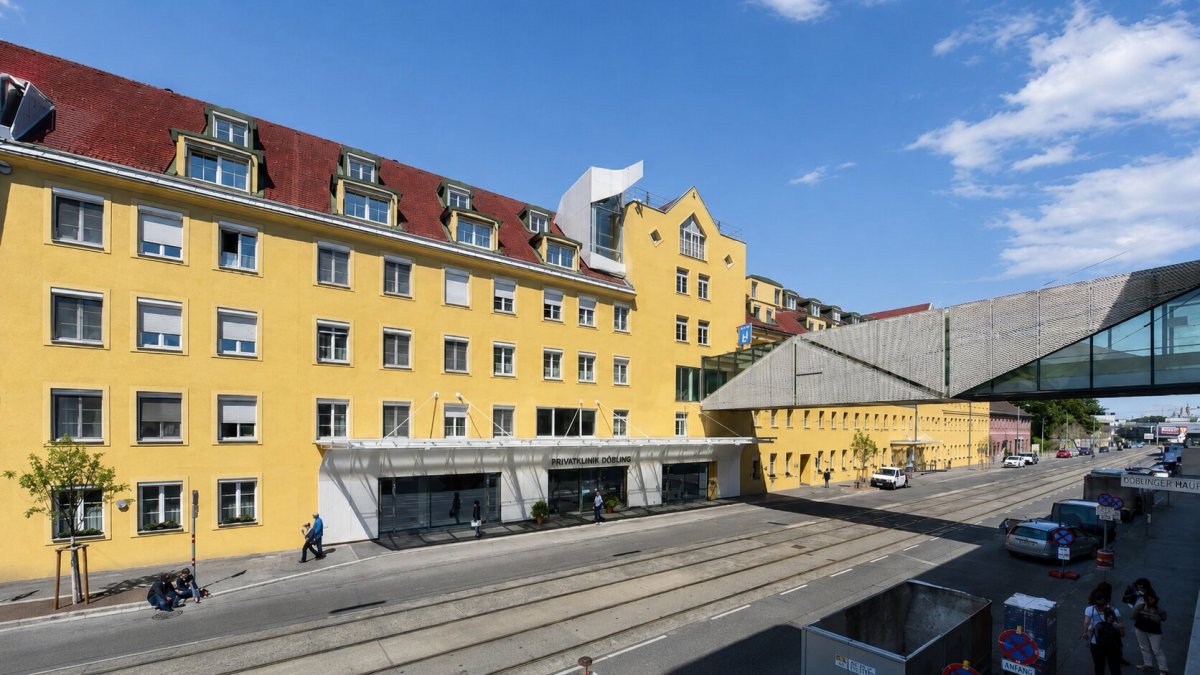
Clínica privada Wiener (Wiener Privatklinik)
Austria, Viena
Rupert Menapace
45 años de experiencia

Clínica certificada por : 





Revisado médicamente por
Fahad Mawlood
De $140. Los gastos totales dependen del tipo de lente elegido, como las opciones multifocales premium, y el uso de técnicas asistidas por láser. Los pacientes de EE. UU. o Europa Occidental a menudo encuentran ahorros significativos en clínicas privadas austriacas. Los principales destinos para este procedimiento incluyen Viena y Graz.
Costos típicos del tratamiento de cataratas en Austria
Perspectiva de los expertos de Bookimed: Los pacientes que buscan una precisión de clase mundial deberían considerar a expertos como el profesor Rupert Menapace en la Wiener Privatklinik. Está clasificado entre los cinco mejores especialistas del mundo por sus técnicas pioneras de microcirugía. Para casos complejos que involucran problemas de retina, el Hospital General de Viena (AKH) ofrece tomografía de coherencia óptica 3D avanzada. Elegir un centro privado en Viena reduce significativamente los tiempos de espera de 3 a 4 meses que se encuentran en los hospitales públicos. Esto permite un acceso inmediato a lentes multifocales de alta gama y procedimientos asistidos por láser.
| Austria | España | Turquía | |
|---|---|---|---|
| Vitrectomía | ≈ $4,200 | de $3,900 | de $4,600 |
| Láser de femtosegundo | ≈ $2,600 | de $1,000 | de $890 |
| Cirugía de cataratas con reemplazo de LIO | ≈ $2,100 | de $10,100 | de $1,300 |
| Cirugía de cataratas (un ojo) | ≈ $2,300 | de $3,500 | de $1,200 |
| Cirugía de cataratas (ambos ojos) | de $6,000 | de $10,100 | de $2,300 |

El Prof. Stefan Pieh es un destacado oftalmólogo especializado en cirugía de cataratas y cirugía refractiva, con décadas de experiencia en la Universidad Médica de Viena.
El Prof. Univ. Dr. Rupert Menapace es un pionero en la cirugía de cataratas y lentes intraoculares (LIO), estableciendo estándares globales en la cirugía ocular moderna.

El Prof. Univ. Dr. Stefan Sacu es un destacado oftalmólogo especializado en cirugía compleja de cataratas y vitreorretiniana en la Wiener Privatklinik.

Jefe de Oftalmología en el Hospital General de Viena (AKH), un centro líder en atención ocular en Austria.
 Olena Sikoza
Austria alberga a algunos de los especialistas en cataratas más destacados del mundo, principalmente en Viena y Graz. Expertos como el Dr. Rupert Menapace y el Dr. Stefan Piëch, de la Clínica Privada de Viena, ofrecen cirugía microinvasiva de vanguardia e implantes de lentes de alta calidad. Estos especialistas gozan de reconocimiento internacional por sus altas tasas de éxito y su excelencia académica.
Opinión de expertos de Bookimed: Si bien Viena es el principal centro, Graz ofrece tratamientos especializados competitivos en la clínica privada Leech. Los datos muestran que los hospitales privados como Vienna Privatklinik brindan un acceso significativamente más rápido a lentes multifocales de alta gama en comparación con los sistemas públicos. Los paquetes de cirugía bilateral en Austria suelen costar entre $3,500 y $5,500, dependiend
El tratamiento de cataratas en Austria incluye el uso de técnicas avanzadas de microincisión para el reemplazo del cristalino. La facoemulsificación estándar con implante de lente intraocular es el método principal. Los centros líderes también ofrecen capsulotomía y fragmentación del cristalino asistidas por láser de femtosegundo. Las clínicas especializadas ofrecen lentes multifocales o tóricas modernas para corregir la presbicia y el astigmatismo.
Opinión experta de Bookimed: Austria atrae pacientes, en parte, gracias a la pericia de cirujanos como el Dr. Rupert Menapase, catedrático de la Clínica Privada de Viena. Nuestros datos indican que se encuentra entre los cinco mejores especialistas del mundo en este procedimiento. Un procedimiento estándar cuesta aproximadamente 1800 dólares por ojo; el uso de tecnología láser de femtosegundo en centros p
La mayoría de los pacientes experimentan una mejoría significativa de la visión entre las 24 y 48 horas posteriores a la cirugía de cataratas. La recuperación biológica completa y la estabilización de la visión suelen tardar entre 4 y 8 semanas. Si bien se pueden retomar las actividades diarias ligeras después de dos días, los pacientes deben seguir ciertas precauciones durante el primer mes.
Opinión experta de Bookimed: Elegir un especialista con un alto volumen de procedimientos es un indicador clave de calidad en Viena. El Dr. Rupert Menapace, de la Clínica Privada de Viena, se encuentra entre los cinco mejores especialistas en cataratas del mundo. Los cirujanos con este nivel de experiencia suelen utilizar técnicas microinvasivas, que pueden conducir a una estabilización más rápida.
Comentarios de los pacientes: Los pacientes señalan que, si bien la visión nítida se recupera rápidamente, es común que presenten sensibilidad a la luz y u
Los pacientes internacionales en Austria suelen pagar tarifas estándar sin coste adicional. Las consultas en las principales clínicas de Viena suelen costar entre 100 y 300 euros para pacientes internacionales. La mayoría de las instituciones incluyen los servicios de coordinación en estas tarifas fijas, sin cargos adicionales por tramitación internacional ni por servicios de conserjería.
Opinión de expertos de Bookimed: Los datos de centros importantes como la Clínica Privada de Viena y el Hospital General de Viena (AKH) demuestran que el elevado volumen de pacientes —hasta 595 000 al año— contribuye a mantener precios estandarizados. Si bien los hospitales universitarios públicos ofrecen los precios más predecibles, optar por una clínica privada suele brindar un acceso más rápido a especialistas de renombre mundia
Los pacientes suelen pasar entre 4 y 6 horas en las clínicas austriacas para someterse a una cirugía de cataratas. Esto incluye la preparación preoperatoria, la intervención propiamente dicha (de 15 a 20 minutos) y el seguimiento postoperatorio. La mayoría de los centros en Viena y Graz ofrecen este procedimiento de forma ambulatoria. Por lo general, puede regresar a casa el mismo día.
Opinión de expertos de Bookimed: Si bien el Hospital General de Viena (AKH) atiende a un gran volumen de pacientes (595 000 al año), los centros privados como la Wiener Privatklinik ofrecen una gestión de citas más ágil. Nuestros datos muestran que especialistas de renombre como el Dr. Rupert Menapace, considerado uno de los mejores del mundo, suelen utilizar técnicas mínimamente invasivas que facilitan el alta temprana. Elegir un centro privado en Viena suele reducir los tiempos de espera administra
Los pacientes extranjeros pueden obtener una visa médica para el tratamiento de cataratas en Austria. La mayoría solicita una visa Schengen (tipo C) para una estancia de hasta 90 días. Para periodos de recuperación superiores a tres meses, se requiere una visa nacional austriaca (visa D). La documentación debe incluir una invitación oficial de la clínica.
Opinión experta de Bookimed: Los datos clínicos muestran que la cirugía de cataratas en Viena es principalmente un procedimiento ambulatorio. Centros de alto rendimiento, como el Hospital General de Viena (AKH), tratan a 595.000 pacientes al año con gran eficacia. Gracias a la rapidez de la cirugía, la mayoría de los pacientes evitan los complejos requisitos del visado D y aprovechan con éxito el visado Schengen de 90 días.
Comentarios de los pacientes: Los pacientes señalan que, si bien la atención quirúrgica es profesional, algunas clínicas privadas pueden reque