Pediatría en Austria: las 6 mejores clínicas con opiniones de pacientes


Revisado médicamente por
Fahad Mawlood
¿Cuál es el precio de procedimientos de Pediatría en Austria? Descubra ahora
La pediatría en Austria suele costar desde $4,400 hasta $26,000. Los costos finales dependen principalmente de si el paciente está cubierto por el seguro nacional o si busca atención privada, así como de la complejidad de la condición médica específica y la duración de la estancia hospitalaria requerida. Los pacientes de EE. UU. pueden esperar diversos ahorros dependiendo del tipo de tratamiento.
Costos típicos de pediatría en Austria
- Terapia Vojta: $800 – $1,700
- Terapia con células madre para el autismo: Precio a consultar
- Terapia con células madre para la parálisis cerebral: Precio a consultar
- Circuncisión: $900 – $2,300
- Colocación de implante coclear: $30,000 – $43,000
- Tratamiento farmacológico para la epilepsia: $1,200 – $3,500
- Vacunación: $60 – $160
- Tratamiento del autismo: $4,500 – $11,000
- Terapia con células madre del cordón umbilical: $3,800 – $7,800
Los centros pediátricos especializados se encuentran principalmente en Viena y Graz. Viena alberga importantes instalaciones privadas como Döbling, mientras que Graz ofrece tarifas competitivas para programas de terapia especializada. Consulte con un especialista para obtener precios precisos para el caso médico específico de su hijo.
| Austria | España | Turquía | |
|---|---|---|---|
| Vacunación | ≈ $60 | ≈ $60 | ≈ $60 |
| Tratamiento para niños y adolescentes con esquizofrenia | ≈ $10,000 | ≈ $6,500 | ≈ $4,500 |
| Tratamiento del autismo | ≈ $4,500 | de $20,200 | de $11,500 |
| Tratamiento de sangre de cordón umbilical | ≈ $3,800 | ≈ $3,800 | ≈ $3,500 |
| Tratamiento con medicamentos para la epilepsia | ≈ $1,200 | de $340 | de $1,400 |
Sus beneficios y garantías con Bookimed
Precios directos
Bookimed no añade cargos extra a los precios de los tratamientos de Pediatría. Las tarifas proceden de las listas de precios oficiales de las clínicas. Pagará directamente en la clínica por su tratamiento a su llegada al país.
Sólo clínicas y médicos verificados
Bookimed está comprometido con su seguridad. Solo trabajamos con las clínicas que mantienen altos estándares internacionales en el tratamiento de Pediatría y tienen las licencias necesarias para atender a pacientes internacionales en todo el mundo.
Asistencia 24/7 gratuita
Bookimed ofrece asistencia experta gratuita. Un coordinador médico personal le apoya antes, durante y después del tratamiento, resolviendo cualquier problema. Nunca estará solo en su viaje médico de procedimientos de Pediatría.

Su coordinador médico personal de Bookimed
- Le apoya en cada etapa
- Ayuda a elegir la clínica y el médico adecuados
- Asegura un acceso rápido y conveniente a la información
Descubra las mejores clínicas de Pediatría en Austria: 6 opciones verificadas y Precios
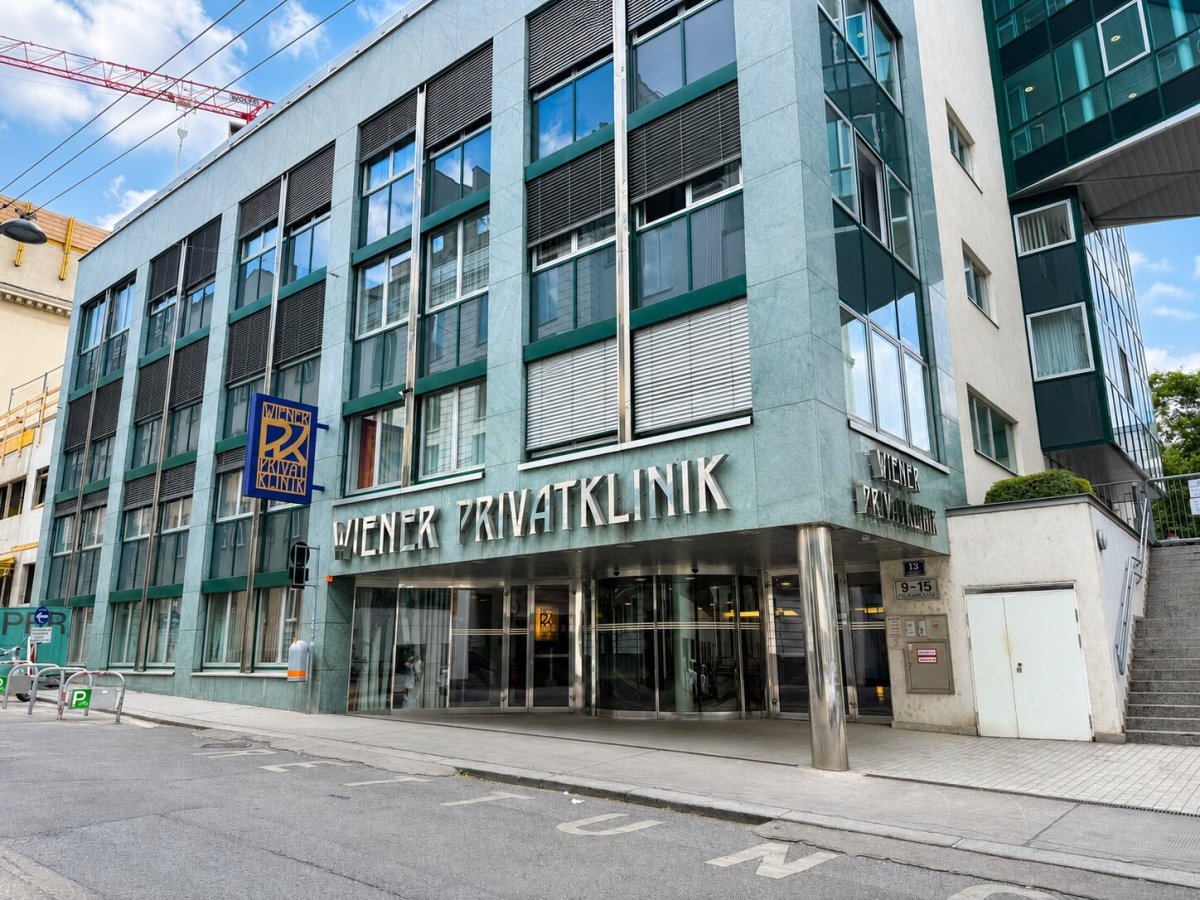




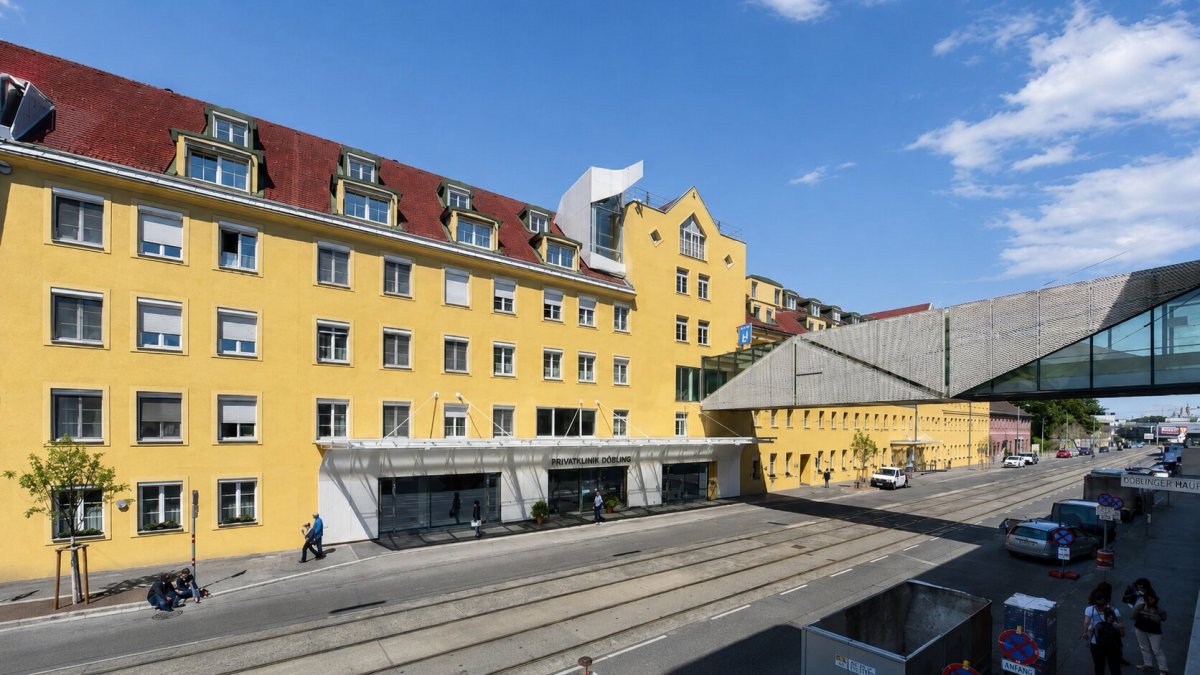



Clínica Privada Leech


tech2people Therapiezentrum
Los mejores centros médicos de Pediatría en Austria
- Clínica privada Wiener (Wiener Privatklinik), Austria
- Döbling Private Clinic, Austria
- Vienna General Hospital, Austria
- Clínica Privada Leech, Austria
- Armona Medical Alpinresort, Austria
- tech2people Therapiezentrum, Austria
Obtenga una evaluación médica para en Austria: Elija su especialista entre los mejores en el campo
Ver todos los médicos
Alexander Rokitansky
El Prof. Alexander Rokitansky, cirujano ortopédico y traumatólogo con décadas de experiencia, se especializa en cirugía de columna y reconstrucción articular en la Wiener Privatklinik.
- Experto en lesiones deportivas y tratamiento de fracturas
- Pionero en técnicas que combinan la biomecánica con la rehabilitación específica para el paciente
- Catedrático de Cirugía Ortopédica y Traumatología en la Universidad de Medicina de Viena
- Se centra en procedimientos mínimamente invasivos para mejorar la movilidad

Christine Bangert
La Dra. Christine Bangert es dermatóloga y venereóloga en JUVENIS en Viena y médica adjunta en el Departamento de Dermatología de la Universidad Médica de Viena. Dirige la consulta externa de dermatitis atópica. Desde 2011, lidera el laboratorio de inmunopatología para enfermedades ampollosas de la piel en el AKH de Viena. Cuenta con más de 25 años de experiencia en medicina. Su especialidad incluye el eccema grave, las enfermedades autoinmunes ampollosas y las alergias complejas.
Form
Compartir contenido
Historias en video de pacientes de Bookimed
 Olena Sikoza
Preguntas frecuentes sobre Pediatría en Austria
¿La atención sanitaria infantil es gratuita en Austria?
La atención médica infantil en Austria es gratuita para los residentes cubiertos por el sistema nacional de seguridad social. Los menores suelen estar parcialmente asegurados por uno de sus padres o tutores. Este seguro cubre exámenes médicos, hospitalizaciones y la mayoría de los tratamientos pediátricos sin primas mensuales, deducibles ni copagos hasta que cumplen los 18 años.
- Pasaporte para padres e hijos: Ofrece 10 exámenes médicos gratuitos para niños menores de 5 años.
- Programa de vacunación: incluye la inmunización gratuita contra 12 enfermedades infecciosas hasta que el niño cumpla 15 años.
- Servicios dentales: Incluye exámenes básicos gratuitos, empastes y extracciones para niños menores de 18 años.
- Suministros médicos: No se requiere ninguna donación personal para adquirir suministros terapéuticos para niños menores de 15 años.
Opinión de expertos de Bookimed: Los grandes centros universitarios, como el Hospital General de Viena (AKH), atienden a aproximadamente 600 000 pacientes al año. Este volumen les permite mantener departamentos especializados de los que carecen las clínicas más pequeñas. En casos complejos, elegir una institución universitaria suele facilitar el acceso a herramientas de diagnóstico pediátrico más especializadas, como las pruebas genéticas.
Opinión de los pacientes: Los padres señala
¿Cómo encontrar un pediatra que hable inglés en Austria?
Encontrar un pediatra angloparlante en Austria implica utilizar bases de datos médicas locales, como Praxisplan o Docfinder, con filtros de idioma. Grandes clínicas privadas en Viena, como Wiener Privatklinik y Döbling Private Hospital, ofrecen atención pediátrica especializada en un entorno multilingüe para familias de diferentes países.
- Herramientas de búsqueda: Utilice Praxisplan o Docfinder para filtrar a los pediatras por nivel de dominio del inglés.
- En la Wiener Privatklinik y en el Hospital Privado Döbling, podrá recibir consultas de especialistas que hablan inglés.
- Centros académicos: El Hospital Municipal de Viena (AKH) cuenta con 1.600 médicos, muchos de los cuales dominan el inglés.
- Atención especializada: El Dr. Alexander Rokitansky, de la clínica privada Wiener Privatklinik, está especializado en cirugía para niños y adolescentes.
Opinión de expertos de Bookimed: Los grandes hospitales universitarios, como el Hospital General de Viena (AKH), atienden a aproximadamente 600 000 pacientes al año. Estas grandes instituciones suelen contar con personal angloparlante disponible las 24 horas del día, los 7 días de la semana, para casos complejos, a diferencia de las clínicas regionales más pequeñas. Si su hijo requiere diagnósticos especializados, como pruebas genéticas o electroencefalogramas (EEG), estos centros académicos ofrecen
¿Cuál es la diferencia entre un pediatra público (Kassenarzt) y uno privado (Wahlarzt)?
En Austria, los pediatras públicos (Kassenarzt) trabajan bajo contrato con una compañía de seguros de salud pública, como OGK, y prestan sus servicios mediante tarjeta electrónica sin pago por adelantado. Los pediatras privados (Wahlarzt) requieren pago directo, pero ofrecen consultas más largas, generalmente de 30 a 60 minutos. Suelen ofrecer citas para el mismo día y horarios más flexibles.
- Método de pago: Los médicos del sector público facturan directamente a las compañías de seguros. Los pacientes privados pagan primero a la compañía de seguros y luego solicitan el reembolso.
- Importe del reembolso: El seguro estatal suele reembolsar el 80% del coste de una consulta privada.
- Tiempo de espera: Los exámenes de rutina en las clínicas públicas pueden tardar varias semanas. Los médicos privados ofrecen citas para el día siguiente.
- Duración de la consulta: Las citas privadas duran hasta 60 minutos. Las citas en la clínica general suelen durar 10 minutos de media.
Opinión de expertos de Bookimed: Nuestros datos revelan una clara brecha en la especialización entre sectores. Mientras que los hospitales públicos como el Hospital General de Viena (AKH) atienden a un gran número de pacientes (595 000), las instituciones privadas como la Wiener Privatklinik y la Döbling Privatklinik se especializan en procedimientos quirúrgicos. Por ejemplo, el Dr.
¿Cómo funciona el sistema de atención sanitaria infantil las 24 horas en Austria fuera del horario laboral?
En Austria, los niños reciben atención médica las 24 horas del día, los 7 días de la semana, a través de la línea directa de salud 1450. Este servicio nacional ofrece triaje médico gratuito. Personal especialmente capacitado evalúa los síntomas y conecta a quienes llaman con especialistas en pediatría durante los fines de semana y días festivos. Además, remiten a las familias a los centros médicos u hospitales adecuados.
- Línea directa de salud 1450: ofrece consultas médicas gratuitas las 24 horas del día, los 7 días de la semana, y consultas con especialistas en pediatría.
- El servicio de emergencias 141 funciona de 19:00 a 07:00 para prestar asistencia a niños con enfermedades que no ponen en peligro su vida.
- Atención de urgencias para lactantes: En el caso de lactantes menores de 1 año, se recomienda derivarlos a servicios de urgencias pediátricas especializados.
- Números de emergencia: Llame al 144 o al 112 inmediatamente en caso de dificultad respiratoria que ponga en peligro la vida de un niño.
Opinión de expertos de Bookimed: Viena cuenta con numerosos centros pediátricos especializados que atienden las 24 horas, como el Hospital General de Viena (AKH) y la Clínica Donaustadt. Solo el AKH atiende a 595 000 pacientes al año. Para casos no urgentes, llamar al 1450 puede ahorrar horas de espera en las salas de espera. Esto es especialmen
¿Qué vacunas se recomiendan para los niños y se administran de forma gratuita?
En Austria, se recomienda vacunar a todos los niños contra 11 enfermedades clave. Estas incluyen la difteria, el tétanos, la tos ferina, la poliomielitis, el sarampión, las paperas y la rubéola. La mayoría de las vacunas esenciales se ofrecen de forma gratuita a través del programa nacional de vacunación. Los profesionales sanitarios suelen utilizar vacunas combinadas para reducir el número total de inyecciones.
- Vacunas gratuitas: incluyen difteria, tétanos, tos ferina, poliomielitis, hepatitis B y Haemophilus influenzae tipo b.
- Vacuna MMR: Proporciona protección gratuita contra el sarampión, las paperas y la rubéola.
- Vacuna contra el VPH: Disponible de forma gratuita para niños de 9 a 12 años.
- Encefalitis transmitida por garrapatas: muy recomendable, pero suele tener un coste de entre 15 y 40 euros.
Opinión experta de Bookimed: Los datos clínicos muestran que los principales centros de Viena, como la Wiener Privatklinik, emplean a más de 400 médicos con estrechos vínculos con la comunidad académica. Estas instituciones suelen administrar vacunas como parte de revisiones pediátricas integrales. Nuestros datos indican que las clínicas con una gran afluencia de pacientes internacionales, como el Hospital Privado Döbling, que atiende a 16 000 pacientes al año, cumplen estrictamente con las normas ISO para el almacenamiento y la administració
¿Qué es un Mutter-Kind-Pass y lo necesitan los turistas médicos?
El Mutter-Kind-Pass es un documento médico estandarizado que registra los resultados de los exámenes médicos de mujeres embarazadas y niños menores de 5 años. Los turistas médicos no lo necesitan para ciertos procedimientos. Solo se requiere para quienes buscan atención pediátrica a largo plazo o beneficios de cuidado infantil bajo el programa de residencia.
- Función principal: El pasaporte registra 5 exámenes médicos obligatorios durante el embarazo y las etapas de desarrollo del niño hasta los 5 años.
- Requisito obligatorio: No es necesario para obtener un visado médico ni para consultas pediátricas privadas puntuales en Austria.
- Requisitos para acceder a la prestación: Solo los residentes pueden utilizar esta prestación para recibir el subsidio austriaco para el cuidado de los hijos (Kinderbetreuungsgeld).
- Utilidad clínica: Hospitales como el Dobling Private Hospital lo utilizan para el registro de vacunaciones y la evaluación del desarrollo (de 1 a 9 años).
Opinión de expertos de Bookimed: Los datos clínicos demuestran que, si bien el pasaporte de maternidad se expide gratuitamente en Austria, las clínicas privadas suelen ofrecer una atención médica de mayor calidad a pacientes internacionales. Clínicas como la Wiener Privatklinik emplean a profesores de la Universidad Médica de Viena, quienes pueden mantener historiales médicos detalla
¿Se ofrece atención pediátrica gratuita a los hijos de pacientes que realizan turismo médico en Austria?
La atención pediátrica en Austria es de pago para los turistas médicos. Los extranjeros deben costear los servicios por su cuenta o utilizar un seguro privado. El precio de los servicios pediátricos varía según la complejidad del caso. Se recomienda a todos los visitantes no pertenecientes a la UE que contraten un seguro de viaje obligatorio.
- Rango de precios: Los servicios pediátricos para no residentes suelen oscilar entre _precio_desde_ y _precio_hasta_.
- Excepciones para ciudadanos de la UE: Los niños procedentes de países de la UE pueden utilizar la Tarjeta Sanitaria Europea para recibir asistencia sanitaria estatal.
- Atención médica de emergencia: La atención de emergencia se proporciona de inmediato, pero a los pacientes se les factura posteriormente.
- Vacunación gratuita: El Programa Nacional cubre muchos tipos de inmunización para todos los niños de hasta 15 años de edad.
Opinión de expertos de Bookimed: Los grandes centros médicos, como el Hospital General de Viena (AKH), atienden a más de 595 000 pacientes al año. Estas grandes instituciones suelen ofrecer precios más predecibles para pacientes internacionales que las clínicas especializadas más pequeñas. Elegir un centro con certificación ISO garantiza que los estándares de calidad cumplen con los del sistema nacional de salud.
Comentarios de los pacientes:
¿Reciben los hijos de turistas sin seguro médico austriaco atención pediátrica de urgencia o rutinaria?
Los hijos de turistas sin seguro médico austriaco reciben atención de urgencia en todos los hospitales públicos. El tratamiento para afecciones potencialmente mortales y tratables nunca se deniega por falta de recursos económicos. También se ofrece atención pediátrica rutinaria, pero requiere pago por adelantado. Se recomienda a los turistas llevar efectivo o tarjetas de crédito para consultas no urgentes.
- Acceso a la atención médica de emergencia: Los hospitales e instituciones públicas brindan atención médica obligatoria independientemente de la cobertura del seguro.
- Revisiones rutinarias: Los pediatras privados en ciudades como Viena ofrecen citas por una tarifa fija.
- Documentación: Los visitantes procedentes de países de la UE utilizan la Tarjeta Sanitaria Europea (TSE) para obtener la cobertura de seguro estándar.
- Números de contacto: Llame al 144 para solicitar una ambulancia o al 1450 para obtener asesoramiento médico no urgente.
Opinión de expertos de Bookimed: Los grandes centros médicos como el Hospital General de Viena (AKH) atienden a más de 595 000 pacientes al año. Si bien se centran en la atención de urgencias, las clínicas privadas como la Wiener Privatklinik ofrecen un acceso más rápido a especialistas. Los padres que buscan atención médica rutinaria suelen reportar tiempos de espera más cortos en estas clínicas privadas.
¿Cómo puedo encontrar un pediatra cualificado o un hospital infantil en Austria?
Encuentre un pediatra cualificado en Austria utilizando directorios online especializados como DocFinder o Praxisplan, que permiten buscar por ubicación. Ciudades importantes como Viena y Graz cuentan con centros médicos que cumplen con los estándares de la JCI. Entre ellos se encuentran el Hospital General de Viena (AKH) y el Hospital Privado de Viena (Wiener Privatklinik), reconocidos por sus departamentos de pediatría de primer nivel y sus especialistas que hablan inglés.
- Hospitales universitarios: El Hospital General de Viena (AKH) cuenta con 42 unidades especializadas y un servicio de triaje rápido para pacientes de urgencias.
- Cirugía especializada: El profesor Alexander Rokitansky, de la clínica privada Wiener Privatklinik, está especializado en cirugía pediátrica mínimamente invasiva.
- Plataformas de búsqueda: Utilice DocFinder para filtrar los resultados de Kinderarzt (pediatra) y demostrar sus conocimientos de inglés.
- Líneas telefónicas de asistencia médica: Llame al 1450 para obtener asesoramiento médico las 24 horas o al 141 para hablar con un médico de guardia en casos que no sean de emergencia.
Opinión experta de Bookimed: Los datos muestran que las clínicas con un alto volumen de pacientes internacionales, como el Hospital Privado Döbling, registran tasas de complicaciones significativamente menores que el promedio nacional.
¿Cuál es el alcance del programa preventivo austriaco para niños y es accesible a los visitantes extranjeros?
El programa austriaco de prevención de la salud infantil, recogido en el Pasaporte para Padres e Hijos, realiza un seguimiento de la salud de los niños desde el embarazo hasta los 5 años. Incluye 10 revisiones rutinarias, exámenes especializados y 12 vacunas gratuitas. Si bien el acceso gratuito a los servicios públicos suele requerir la residencia en el país, los turistas extranjeros pueden acceder a estos servicios en clínicas privadas de Viena.
- Exámenes programados: incluyen 5 exámenes durante el primer año de vida y otros 5 antes de cumplir los 5 años.
- Pruebas especializadas: Estas incluyen pruebas ortopédicas, pruebas de audición y visión para identificar problemas del desarrollo.
- Vacunación gratuita: protege contra 12 enfermedades infecciosas, entre ellas el sarampión, las paperas, la rubéola y la hepatitis B.
- Acceso a clínicas privadas: Los extranjeros pueden solicitar una cita para una consulta pediátrica en la Wiener Privatklinik o en el Hospital Privado de Döbling.
Opinión de los expertos de Bookimed: Los principales centros, como el Hospital General de Viena (AKH), atienden a más de 595 000 pacientes al año, ofreciendo una profundidad diagnóstica inigualable. Para familias de todo el mundo, elegir clínicas privadas con profesores de la Universidad Médica de Viena garantiza una atención médica de primer nivel sin las complicacio