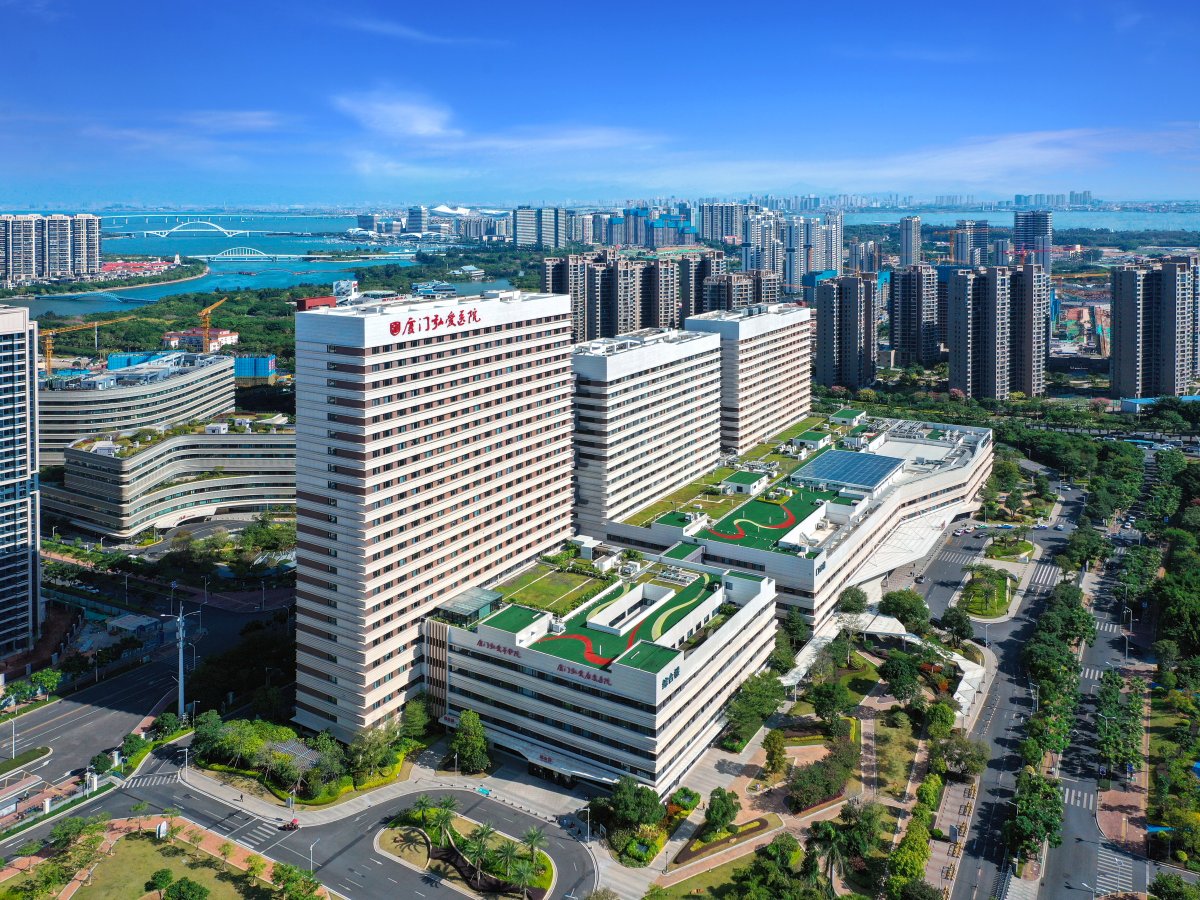
Hospital Xiamen Humanity
China, Xiamen


Revisado médicamente por
Fahad Mawlood
El costo de la pediatría en China suele oscilar entre $3,800 y $22,900. Los gastos totales varían significativamente según la elección entre hospitales públicos y clínicas privadas internacionales, así como de la complejidad de la condición médica. Las familias generalmente pueden esperar ahorros del 40-60% en comparación con los Estados Unidos.
Costos típicos de pediatría en China
Los principales centros pediátricos incluyen Pekín, Shanghái y Cantón. Si bien las instalaciones públicas son más uniformes, las clínicas internacionales en Shanghái y Pekín pueden tener tarifas de consulta más altas. Consulte con un especialista para obtener precios precisos para las necesidades médicas específicas de su hijo.
| China | España | Turquía | |
|---|---|---|---|
| Vacunación | ≈ $60 | ≈ $50 | de $150 |
| Tratamiento para niños y adolescentes con esquizofrenia | ≈ $4,500 | ≈ $6,500 | ≈ $4,500 |
| Tratamiento del autismo | ≈ $4,800 | de $20,200 | de $11,500 |
| Tratamiento de sangre de cordón umbilical | ≈ $8,000 | ≈ $3,800 | ≈ $3,500 |
| Tratamiento con medicamentos para la epilepsia | ≈ $900 | de $340 | de $1,400 |
Bookimed no añade cargos extra a los precios de los tratamientos de Pediatría. Las tarifas proceden de las listas de precios oficiales de las clínicas. Pagará directamente en la clínica por su tratamiento a su llegada al país.
Bookimed está comprometido con su seguridad. Solo trabajamos con las clínicas que mantienen altos estándares internacionales en el tratamiento de Pediatría y tienen las licencias necesarias para atender a pacientes internacionales en todo el mundo.
Bookimed ofrece asistencia experta gratuita. Un coordinador médico personal le apoya antes, durante y después del tratamiento, resolviendo cualquier problema. Nunca estará solo en su viaje médico de procedimientos de Pediatría.

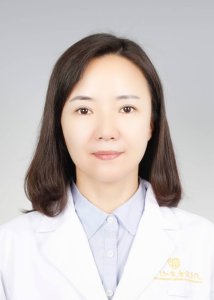
La profesora Liang Xiaoxiao es Directora del Departamento y Jefa de Servicio de Neurorrehabilitación. Cuenta con una maestría en neurología. Es experta en neuromodulación para trastornos de la conciencia, la cognición y el movimiento. Su labor se centra en casos de enfermedad cerebrovascular, enfermedad de Parkinson y afecciones relacionadas. También realiza inyecciones de toxina botulínica guiadas por ecografía para el blefaroespasmo, el espasmo hemifacial, la espasticidad de las extremidade
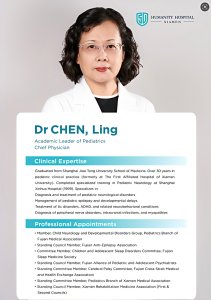
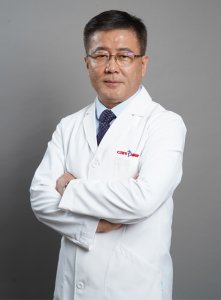
La Dra. Chen Ling es neuróloga pediátrica con más de 30 años de experiencia clínica. Anteriormente trabajó en el Primer Hospital Afiliado de la Universidad de Xiamen. Se graduó en la Facultad de Medicina de la Universidad Jiao Tong de Shanghái y completó la formación en neurología pediátrica en el Hospital Xinhua de Shanghái en 1999.
Su experiencia abarca trastornos neurológicos pediátricos, epilepsia, retrasos del desarrollo, trastornos por tics, TDAH y otros trastornos neuroconductua
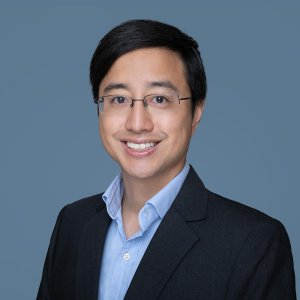
 Olena Sikoza
En China, los pacientes jóvenes suelen acudir a especialistas en neurocirugía, oncología y ortopedia. Las familias priorizan los centros con alto volumen de pacientes para procedimientos complejos, como la terapia CAR-T y la reparación de cardiopatías congénitas. Instituciones médicas líderes, como el Hospital Internacional Yanda, combinan protocolos internacionales con enfoques tradicionales para el tratamiento y la rehabilitación de enfermedades crónicas en niños.
Opinión de los expertos de Bookimed: Los datos muestran una clara preferencia por las instituciones médicas acreditadas por la JCI en la zona de Pekín. Tanto el Hospital de Rehabilitación Familiar Unido de Pekín como el Hospital Internacional Yanda cuentan con esta acreditación. Estas clínicas atienden a más de 1.00
En China, la atención pediátrica combina un enfoque centrado en la familia con el desarrollo de programas psicosociales y una amplia cobertura gubernamental. En la mayoría de los hospitales, las familias participan en la atención diaria. Centros líderes, como el Hospital Infantil de Pekín, cuentan con especialistas infantiles que brindan terapia de juego y apoyo emocional. Las instituciones acreditadas por la JCI ofrecen habitaciones privadas con estándares internacionales.
Opinión de expertos de Bookimed: Los datos demuestran una brecha de prestigio en China, donde los centros acreditados por JCI en Pekín priorizan los protocolos internacionales. En el Ho
Los niños que ingresan a China para recibir atención médica necesitan una visa S1 o S2. La documentación requerida incluye un certificado de nacimiento, el consentimiento notariado de los padres y una invitación oficial de un hospital de categoría A, nivel 3. Si bien rara vez se administran las vacunas de entrada, los hospitales suelen exigir un registro completo de vacunación para la hospitalización.
Opinión de los expertos de Bookimed: Los datos muestran que instituciones médicas de primer nivel, como el Hospital Internacional Yanda y el Hospital Humanitario de Xiamen, operan como clínicas de Clase A
Los pacientes internacionales suelen permanecer en China entre dos y seis semanas para someterse a una cirugía cardíaca pediátrica. La hospitalización para procedimientos estándar dura entre tres y diez días. La estancia en cuidados intensivos suele durar entre dos y cuatro días. Las cirugías complejas para corregir defectos cardíacos congénitos o los casos neonatales pueden prolongar la estancia total hasta seis semanas.
Opinión de expertos de Bookimed: El Hospital Internacional Yanda y otros centros acreditados por la JCI en Pekín gestionan un flujo masivo de pacientes, que alcanza los 2.500.000 al año. Este alto volumen de pacientes permite a estas clínicas de Clase A y Nivel III programar cirugías mucho más rápido que los centros occidentales. Elegir instalaciones tan eficientes puede reducir el tiempo total de desplazamiento al e
Las clínicas internacionales en China ofrecen servicios lingüísticos gracias a la disponibilidad de personal angloparlante e intérpretes certificados. Los centros acreditados por la Joint Commission International (JCI) garantizan el cumplimiento de los estándares de comunicación con niños. Las familias suelen utilizar aplicaciones móviles especializadas para traducir la terminología médica, como Pleco. Muchos centros cuentan con enfermeras bilingües para asistir durante las consultas.
Opinión experta de Bookimed: Los datos muestran una clara diferencia entre los tipos de hospitales en Pekín. Los centros terciarios de élite, como el Hospital Internacional Yanda, atienden a más de 2.500.000 pacientes al año y cuentan con certificación internacional. Estos grandes centros priorizan los departamentos para pacientes internacionales. En cambio, las clínicas de rehabilitación privada
Pekín y Shanghái albergan los centros pediátricos más prestigiosos de China para familias internacionales. Estas ciudades cuentan con instalaciones acreditadas por la Joint Commission International (JCI), que ofrecen atención especializada en neurología, oncología y rehabilitación. La mayoría de los centros líderes emplean especialistas que hablan inglés y disponen de una sólida infraestructura logística para pacientes internacionales.
Opinión de expertos de Bookimed: Pekín es líder en atención pediátrica gracias a sus hospitales, que atienden a un gran número de pacientes. El Hospital Internacional Yanda trata a 2.500.000 pacientes anualmente, utilizando 28.500 tecnologías modernas. Este alto volumen de trabajo permite a las clínicas mantener un alto nivel de especialización en el tratamiento de enfermedades pediátricas raras. Las familias ex