Pediatría en Tailandia: las 34 mejores clínicas con opiniones de pacientes


Revisado médicamente por
Fahad Mawlood
¿Cuál es el precio de procedimientos de Pediatría en Tailandia? Descubra ahora
La atención pediátrica en Tailandia suele costar desde $1,800 / 66,600฿ hasta $21,000 / 777,000฿. Los gastos totales dependen de la elección entre centros públicos o privados, la complejidad de la condición médica y la duración de la estancia hospitalaria. Los pacientes internacionales suelen encontrar ahorros del 40-60% en comparación con los precios de tratamientos similares en EE. UU.
Costos típicos de pediatría en Tailandia
- Consulta con un pediatra: de $20 / 740฿
- Evaluación diagnóstica de autismo: de $2,600 / 96,200฿
- Terapia con células madre para el autismo: Precio a consultar
- Terapia Vojta: $480 / 17,800฿ – $1,300 / 48,100฿
- Circuncisión: $660 / 24,400฿ – $800 / 29,600฿
- Vacunación: de $160 / 5,900฿
- Colocación de implante coclear: $25,000 / 925,000฿ – $40,000 / 1,480,000฿
- Tratamiento farmacológico para la epilepsia: $900 / 33,300฿ – $1,600 / 59,200฿
- Terapia con células madre para la parálisis cerebral: Precio a consultar
- Terapia con células madre de cordón umbilical: $1,000 / 37,000฿ – $1,700 / 62,900฿
Los principales centros pediátricos se encuentran en Bangkok, Phuket y Chiang Mai. Si bien Bangkok alberga los hospitales infantiles más especializados, los centros regionales pueden ofrecer tarifas ligeramente más bajas para procedimientos rutinarios. Consulte con un especialista para obtener precios precisos para las necesidades médicas específicas de su hijo.
| Tailandia | España | Turquía | |
|---|---|---|---|
| Vacunación | de $160 / 5,900฿ | ≈ $60 / 2,200฿ | de $150 / 5,600฿ |
| Tratamiento para niños y adolescentes con esquizofrenia | ≈ $6,500 / 240,500฿ | ≈ $6,500 / 240,500฿ | ≈ $4,500 / 166,500฿ |
| Tratamiento del autismo | ≈ $2,500 / 92,500฿ | de $20,200 / 747,400฿ | de $11,500 / 425,500฿ |
| Tratamiento de sangre de cordón umbilical | de $1,000 / 37,000฿ | ≈ $3,800 / 140,600฿ | ≈ $3,500 / 129,500฿ |
| Tratamiento con medicamentos para la epilepsia | ≈ $900 / 33,300฿ | de $340 / 12,600฿ | de $1,400 / 51,800฿ |
Sus beneficios y garantías con Bookimed
Precios directos
Bookimed no añade cargos extra a los precios de los tratamientos de Pediatría. Las tarifas proceden de las listas de precios oficiales de las clínicas. Pagará directamente en la clínica por su tratamiento a su llegada al país.
Sólo clínicas y médicos verificados
Bookimed está comprometido con su seguridad. Solo trabajamos con las clínicas que mantienen altos estándares internacionales en el tratamiento de Pediatría y tienen las licencias necesarias para atender a pacientes internacionales en todo el mundo.
Asistencia 24/7 gratuita
Bookimed ofrece asistencia experta gratuita. Un coordinador médico personal le apoya antes, durante y después del tratamiento, resolviendo cualquier problema. Nunca estará solo en su viaje médico de procedimientos de Pediatría.

Su coordinador médico personal de Bookimed
- Le apoya en cada etapa
- Ayuda a elegir la clínica y el médico adecuados
- Asegura un acceso rápido y conveniente a la información
Descubra las mejores clínicas de Pediatría en Tailandia: 34 opciones verificadas y Precios



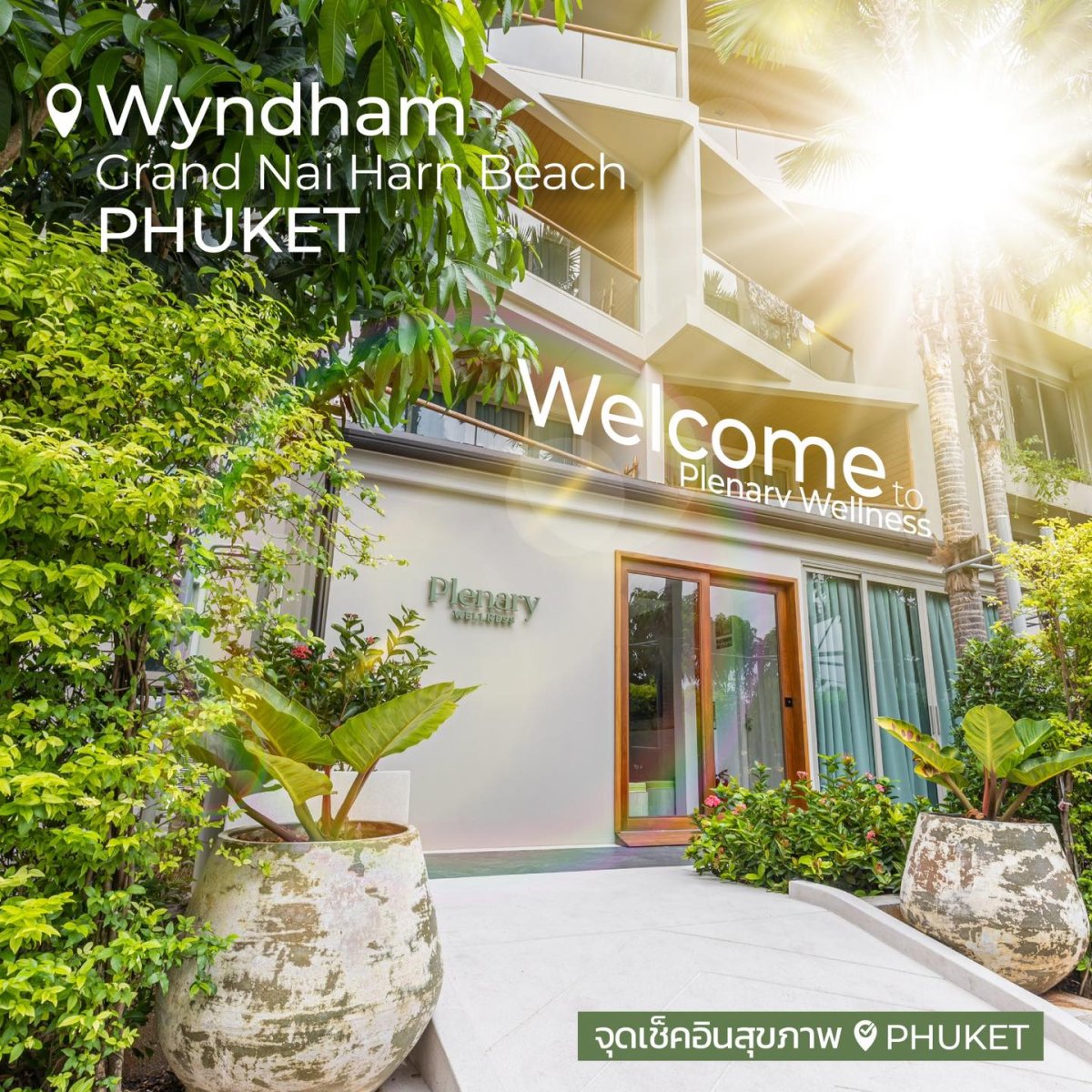
Centro Plenary Wellness


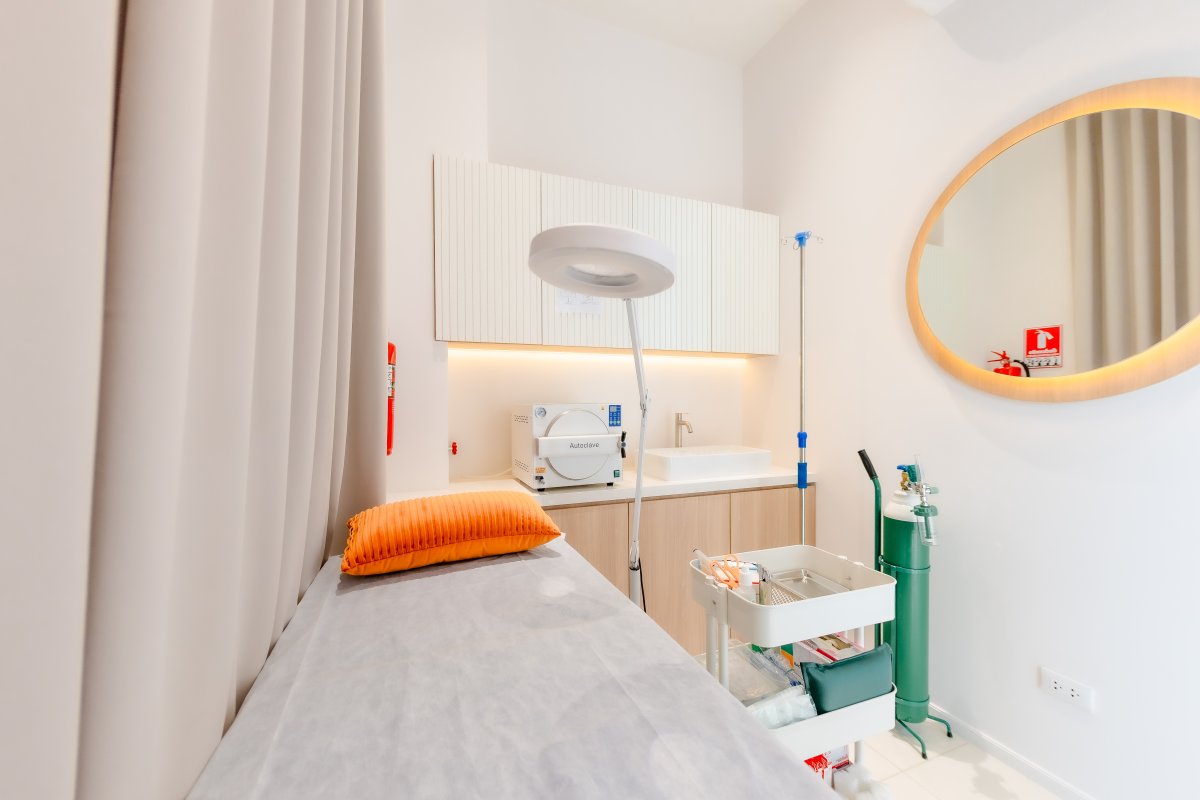
PrimeCare Bkk







Siam Clinic Phuket
Los mejores centros médicos de Pediatría en Tailandia
- ID Clinic Bangkok, Tailandia
- Vega Clinic, Tailandia
- Asia Cosmetic Hospital, Tailandia
- Centro Plenary Wellness, Tailandia
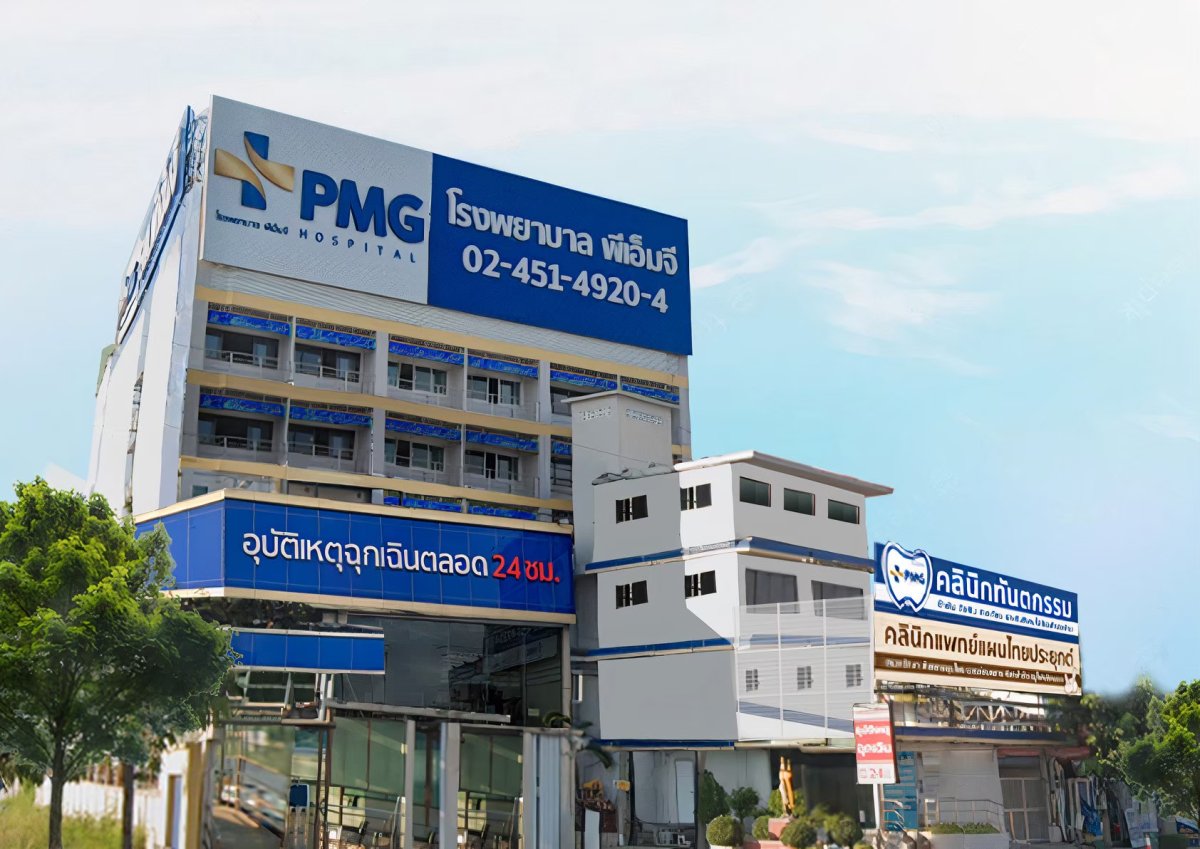
- PMG Hospital, Tailandia
- PrimeCare Bkk, Tailandia
- Panacee Hospital Rama2, Tailandia
- Bumrungrad International Hospital, Tailandia
- Centro Médico Rattinan, Tailandia
- Siam Clinic Phuket, Tailandia
Obtenga una evaluación médica de Pediatría en Tailandia: haga una consulta con 45 médicos experimentados ahora
Ver todos los médicos
Tanongsak Panyawirunroj
El Dr. Tanongsak se especializa en cirugía plástica pediátrica, con formación internacional en procedimientos craneofaciales y cosméticos.
- Formación de subespecialidad (Fellowship) en cirugía plástica pediátrica en el IWK Children's Hospital
- Experto en rinoplastia y cirugía facial del JW Hospital, Seúl
- Más de 15 años de experiencia en cirugía plástica y reconstructiva
- Fundador y director gerente de ASIA Clinic

Chollawat Thongthaisin
El Dr. Chollawat se especializa en medicina regenerativa para pacientes pediátricos, combinando la formación en radiología con tratamientos de vanguardia en Vega Clinic.
- Formado en la Universidad de Thammasat con especialidad en radiología
- Certificado por la Junta Americana de Medicina Regenerativa (ABRM)
- Trabaja en BDMS, el grupo de hospitales privados más grande de Tailandia
- Lidera investigaciones y consultas en medicina regenerativa

Thanaphat Pomyukon
El Dr. Thanaphat Pomyukon es cirujano general (ศัลยแพทย์ทั่วไป). Licencia médica tailandesa n.º ว.50550. Obtuvo su título de médico (M.D.) en la Facultad de Medicina de la Universidad de Chulalongkorn. También posee el Diploma de la Junta Tailandesa de Cirugía General, obtenido en el Hospital Roi Et del Ministerio de Salud Pública.
Su enfoque clínico incluye hernias y hemorroides. También trata bultos mamarios y cálculos biliares. Atiende enfermedades del aparato digestivo. Realiza end

Natthaphon Srithurawanit
El Dr. Natthaphon Srithurawanit es especialista en medicina regenerativa en el Mali Interdisciplinary Hospital de Bangkok. Integra la medicina convencional y de precisión para tratar enfermedades crónicas no transmisibles. El Dr. Srithurawanit se centra en reducir los tiempos de curación mediante técnicas restaurativas en un centro acreditado por la GHA.
- Realiza terapia con células madre para la reparación de tejidos y el rejuvenecimiento antienvejecimiento.
- Realiza procedi
Reseñas
Todas las reseñasCompartir contenido
Historias en video de pacientes de Bookimed
 Olena Sikoza
Preguntas frecuentes sobre Pediatría en Tailandia
¿Qué especialidades médicas pediátricas están disponibles en Tailandia?
Tailandia ofrece especialidades pediátricas avanzadas, incluyendo medicina regenerativa, neurorrehabilitación y cirugía especializada. Los pacientes internacionales acceden a tratamientos como la terapia con células madre para el autismo y la parálisis cerebral. Instalaciones como el Bumrungrad International Hospital brindan atención acreditada por la JCI. Los servicios especializados incluyen implantes cocleares, cardiología pediátrica y cirugías asistidas por robot.
- Medicina regenerativa: La terapia con células madre para el autismo cuesta entre Precio a consultar y Precio a consultar.
- Neurorrehabilitación: Las terapias avanzadas rTMS y Vojta tratan deficiencias neurológicas y del desarrollo complejas.
- Especialistas expertos: La Dra. Kanokkaew Viravan es una especialista certificada por el American Board of Pediatrics.
- Cirugía especializada: Los centros realizan implantes cocleares para niños con un costo de entre $25,000 y $40,000.
Perspectiva del experto de Bookimed: Nuestros datos muestran una tendencia única en Bangkok, donde clínicas como el Intrarat Hospital y MedConsult brindan atención primaria de alto nivel al estilo occidental. La Dra. Kanokkaew Viravan se formó en EE. UU., lo que ayuda a cerrar la brecha de comunicación para los padres internacionales. Esto es vital porque las clínicas a menudo mantien
¿Cómo se examina a los niños internacionales y qué pasos preparatorios deben tomar los padres antes de viajar a Tailandia?
Los niños internacionales que ingresan a Tailandia se someten a exámenes mediante declaraciones de salud digitales y códigos QR obligatorios de la Tarjeta de Llegada Digital de Tailandia (TDAC). Los pasos preparatorios incluyen la actualización de las vacunas de rutina como MMR y DTaP. Los padres también deben obtener registros médicos traducidos al inglés y formularios de consentimiento notariados antes del viaje.
- Requisitos de entrada: Complete la TDAC en línea de forma gratuita dentro de las 72 horas posteriores a la llegada para todos los niños.
- Vacunas obligatorias: Proporcione certificados de fiebre amarilla si llega de países con riesgo de transmisión para la autorización de entrada.
- Examen clínico: Espere análisis de sangre en el lugar y controles de aptitud para la anestesia 1 o 2 días antes de cualquier procedimiento.
- Documentación: Lleve cartas de consentimiento notariadas de los padres que no acompañan y las recetas originales de todos los medicamentos.
Opinión de expertos de Bookimed: Si bien la entrada general es digital, las clínicas especializadas como el Hospital Internacional Bumrungrad atienden a más de 500,000 pacientes internacionales al año y requieren una integración médica profunda. Los datos muestran que las clínicas pediátricas a menudo exigen sus propios análisis de orina y sangre en el lugar, independientemen
¿Es segura la atención pediátrica en Tailandia?
La atención pediátrica en Tailandia en instalaciones acreditadas sigue los estándares internacionales de seguridad establecidos por la Joint Commission International (JCI). Hospitales líderes como el Bumrungrad International Hospital y el Asia Cosmetic Hospital mantienen protocolos rigurosos de control de infecciones. Estos incluyen esterilización estandarizada, auditorías de higiene de manos del personal y el uso de tecnología médica aprobada por la FDA.
- Estándares de acreditación: Las certificaciones JCI e ISO aseguran que los hospitales cumplan con los requisitos globales de seguridad y calidad.
- Experiencia especializada: Pediatras como la Dra. Kanokkaew Viravan cuentan con la certificación del American Board of Pediatrics.
- Diagnóstico avanzado: Las clínicas utilizan imágenes digitales y EEG para garantizar evaluaciones pediátricas precisas.
- Enfoque en la seguridad: Instalaciones como la Vega Clinic enfatizan la atención ética y la seguridad para la rehabilitación.
Perspectiva del experto de Bookimed: Los datos muestran una clara brecha de calidad entre los grandes centros y las clínicas más pequeñas. Mientras que hospitales como el Bumrungrad International Hospital atienden a más de 1,000,000 de pacientes al año con estándares JCI de élite, las clínicas más pequeñas pueden no tener el mismo nivel de supervisión. Para necesidades ped
¿Cuál es la duración típica de la estancia y el cronograma de recuperación post-procedimiento para pacientes pediátricos en Tailandia?
Las estancias hospitalarias pediátricas en Tailandia suelen durar de 1 a 2 días para cirugías menores como apendicectomías o circuncisiones. Los procedimientos más complejos, como reparaciones cardíacas o terapia con células madre, requieren de 3 a 7 días. La recuperación completa para actividades normales generalmente abarca de 2 a 8 semanas.
- Procedimientos menores: Las estancias hospitalarias para apendicectomías o circuncisiones suelen durar de 24 a 48 horas.
- Cirugías complejas: Las intervenciones cardíacas u ortopédicas mayores requieren de 3 a 7 días de monitoreo hospitalario.
- Recuperación inicial: Los niños a menudo regresan a actividades escolares ligeras dentro de 1 a 3 semanas después de la operación.
- Restauración completa: La curación completa de cirugías abiertas mayores suele tomar un total de 6 a 8 semanas.
- Viajes internacionales: La estabilidad médica para volar generalmente ocurre de 7 a 14 días después del alta hospitalaria.
Perspectiva del experto de Bookimed: Los datos de centros de alto volumen como el Bumrungrad International Hospital muestran que las instalaciones tailandesas a menudo favorecen protocolos de alta más rápidos que los hospitales occidentales. Esta transición coloca más responsabilidad en los padres para el cuidado de las heridas. Las familias deben elegir clínicas con soporte
¿Cuáles son las mejores opciones para la atención pediátrica en Bangkok?
Bangkok es el destino principal para la atención pediátrica en Tailandia, con muchas instalaciones acreditadas por la JCI. Centros especializados como el Bumrungrad International Hospital y el Intrarat Hospital ofrecen expertos certificados por el American Board. Estos hospitales brindan tratamientos avanzados que van desde la neurorrehabilitación pediátrica hasta cirugías craneofaciales complejas para pacientes internacionales.
- Credenciales de la clínica: El Bumrungrad International Hospital cuenta con acreditación JCI y está clasificado entre los mejores del mundo.
- Experiencia especializada: El Intrarat Hospital cuenta con pediatras formados en instituciones estadounidenses como la Universidad Estatal de Pensilvania.
- Terapias avanzadas: InterRehab NeuroBridge ofrece rTMS especializada para autismo y rehabilitación pediátrica.
- Atención adaptada a los niños: SmileBox Dental Clinic emplea dentistas especializados enfocados en reducir la ansiedad pediátrica.
- Accesibilidad global: Las principales clínicas de Bangkok atienden a un 50% de pacientes internacionales de más de 190 países.
Perspectiva del experto de Bookimed: Las clínicas de Bangkok con un alto volumen internacional, como Bumrungrad, funcionan como ciudades médicas. Gestionan más de 1 millón de pacientes al año con 70 departamentos especializados intern
¿Qué apoyo lingüístico y atención de seguimiento se proporcionan una vez que el niño regresa a casa?
Los centros pediátricos tailandeses proporcionan resúmenes de alta en inglés y consultas de seguimiento digitales. Las familias reciben estrategias de comunicación personalizadas y evaluaciones médicas. Logopedas especializados ayudan con las evaluaciones del idioma materno. La monitorización remota y la neurorrehabilitación están disponibles a través de las principales instalaciones de Bangkok. Estos servicios aseguran la continuidad de la atención después de regresar a casa.
- Evaluaciones lingüísticas: Los expertos recomiendan evaluaciones en el idioma nativo del niño dentro de los 3 meses posteriores al regreso a casa.
- Terapia especializada: Los logopedas brindan apoyo en el habla y el lenguaje para reducir la frustración comunicativa.
- Consultas remotas: La telemedicina y la imagenología digital permiten a los especialistas tailandeses monitorear el progreso a largo plazo de forma remota.
- Coordinación internacional: Los hospitales premium utilizan coordinadores dedicados para gestionar la logística y los registros posteriores al alta.
Perspectiva del experto de Bookimed: La calidad de la atención de seguimiento a menudo escala con el volumen de pacientes y las acreditaciones internacionales. Hospitales como Bumrungrad International, que atiende al 50% de pacientes internacionales, utilizan registros de salud electrónicos (EHR) integra