Cirugía de la columna en Austria — Costos 2026


Revisado médicamente por
Fahad Mawlood
¿Cuál es el precio de procedimientos de Cirugía de la columna en Austria? Descubra ahora
La cirugía de columna en Austria suele costar entre $11,700 y $29,300. Los precios están determinados por la complejidad del procedimiento, la experiencia del cirujano y el centro médico elegido. Los pacientes que buscan tratamiento en Austria pueden esperar ahorros del 30-50% en comparación con los EE. UU. para la atención ortopédica avanzada.
Costos típicos de cirugía de columna en Austria
- Cirugía de hernia discal: $9,500 – $14,500
- Tratamiento quirúrgico de la escoliosis: $28,000 – $46,000
- Implantación del sistema ApiFix: Precio a consultar
- Discectomía: $8,200 – $11,500
- Cirugía para siringomielia: Precio a consultar
- Laminectomía: $8,500 – $14,500
- Discectomía y fusión cervical anterior: Precio a consultar
- Cifoplastia: $6,500 – $10,000
- Cirugía de fusión mínimamente invasiva: $17,500 – $25,500
Viena es el principal destino para la cirugía de columna en Austria, albergando importantes centros médicos universitarios y privados. Dado que los costos varían según el diagnóstico individual y las necesidades de rehabilitación, consulte con un especialista para obtener precios precisos para su caso específico.
| Austria | España | Turquía | |
|---|---|---|---|
| Tratamiento quirúrgico de la radiculopatía | ≈ $9,500 | ≈ $7,200 | de $4,000 |
| Tratamiento quirúrgico de la escoliosis | ≈ $28,000 | de $56,100 | de $15,000 |
| Plástico vertebral | ≈ $4,500 | de $22,500 | de $4,000 |
| Laminectomía | ≈ $8,500 | de $15,000 | de $4,500 |
| Fusión vertebral mínimamente invasiva | ≈ $17,500 | de $14,600 | de $8,000 |
Sus beneficios y garantías con Bookimed
Precios directos
Bookimed no añade cargos extra a los precios de los tratamientos de Cirugía de la columna. Las tarifas proceden de las listas de precios oficiales de las clínicas. Pagará directamente en la clínica por su tratamiento a su llegada al país.
Sólo clínicas y médicos verificados
Bookimed está comprometido con su seguridad. Solo trabajamos con las clínicas que mantienen altos estándares internacionales en el tratamiento de Cirugía de la columna y tienen las licencias necesarias para atender a pacientes internacionales en todo el mundo.
Asistencia 24/7 gratuita
Bookimed ofrece asistencia experta gratuita. Un coordinador médico personal le apoya antes, durante y después del tratamiento, resolviendo cualquier problema. Nunca estará solo en su viaje médico de procedimientos de Cirugía de la columna.

Su coordinador médico personal de Bookimed
- Le apoya en cada etapa
- Ayuda a elegir la clínica y el médico adecuados
- Asegura un acceso rápido y conveniente a la información
Descubra las mejores clínicas de Cirugía de la columna en Austria: 4 opciones verificadas y Precios
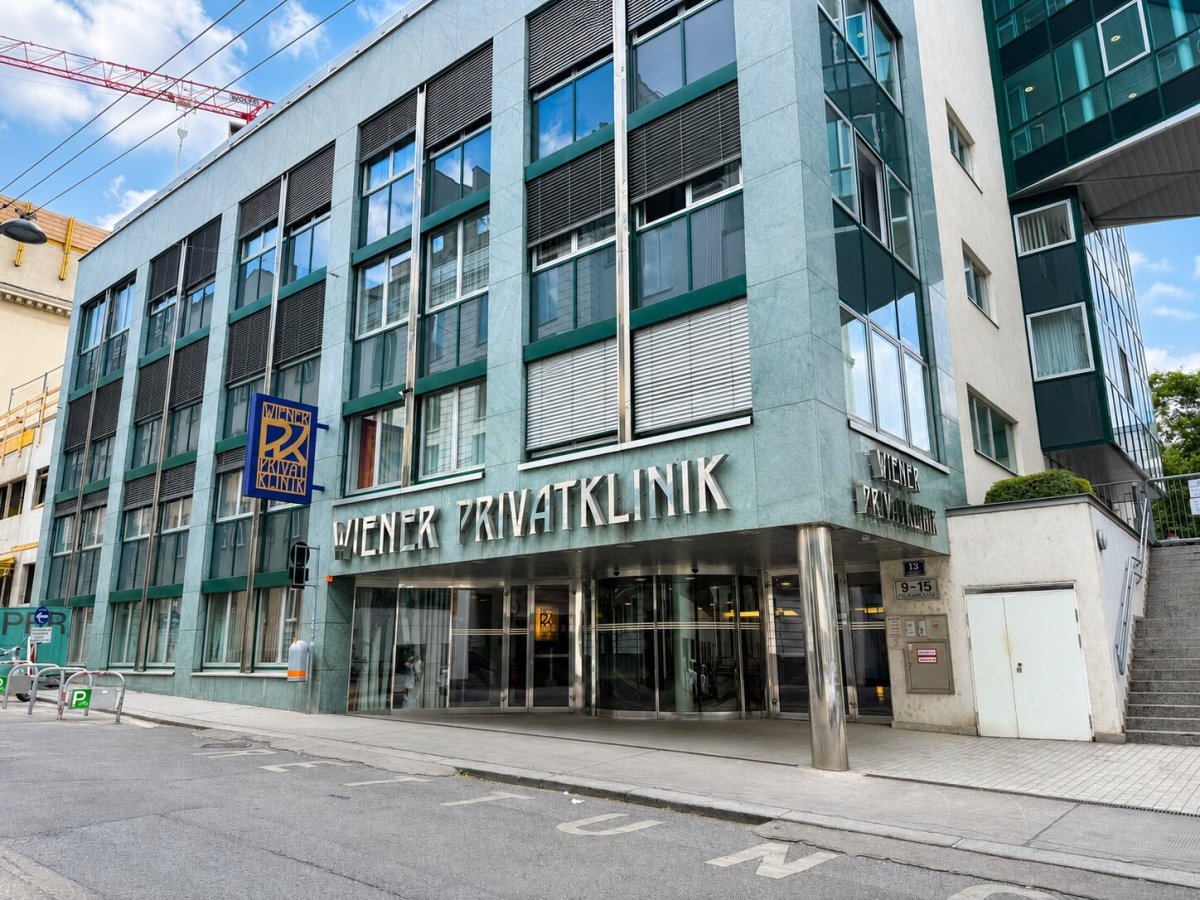




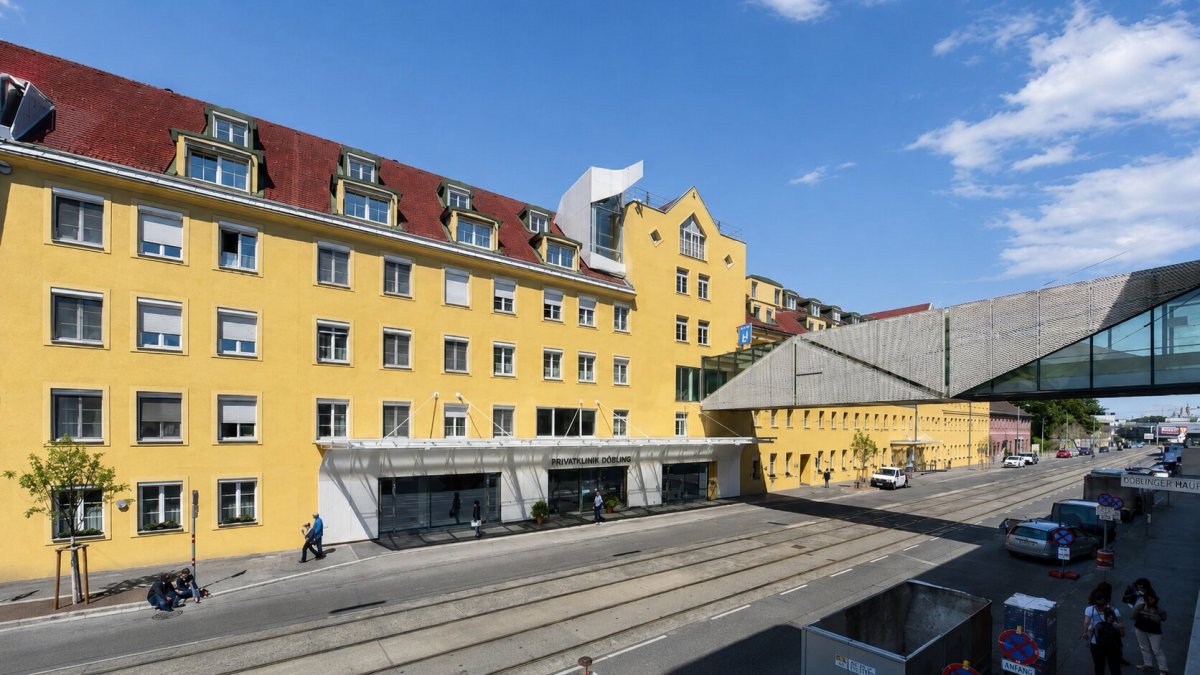

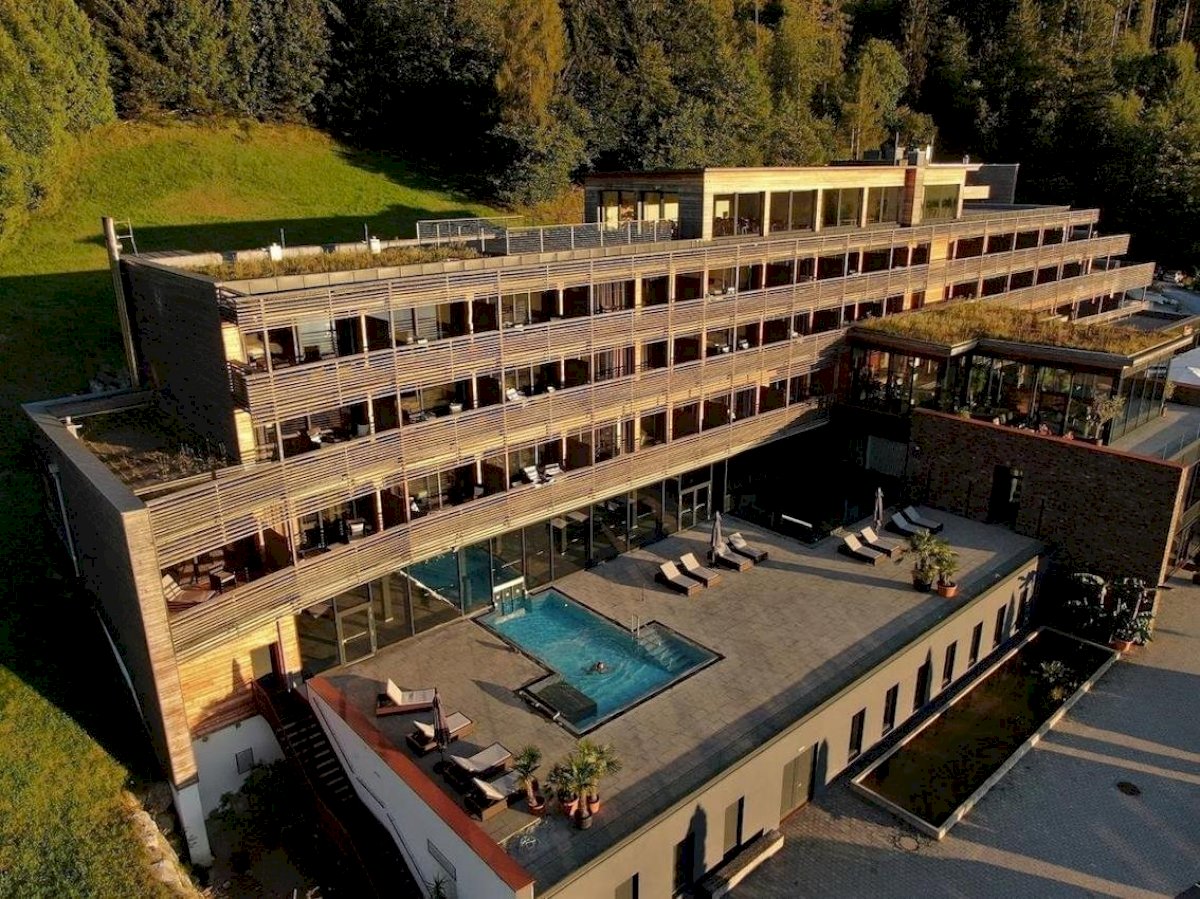
Los mejores centros médicos de Cirugía de la columna en Austria
- Clínica privada Wiener (Wiener Privatklinik), Austria
- Döbling Private Clinic, Austria
- Clínica Privada Leech, Austria
- Armona Medical Alpinresort, Austria
Obtenga una evaluación médica para en Austria: Elija su especialista entre los mejores en el campo
Ver todos los médicos
Michael Matzner
El Dr. Matzner se especializa en cirugía de columna y reconstrucción articular, con más de 20 años de experiencia en la Wiener Privatklinik.
- Formación de posgrado en el Hospital General de Viena – el centro médico líder de Austria
- Se enfoca en técnicas mínimamente invasivas para una recuperación más rápida
- Experto en trastornos degenerativos de la columna y cirugías de hernia de disco
- Combina la precisión quirúrgica con planes de rehabilitación personalizados
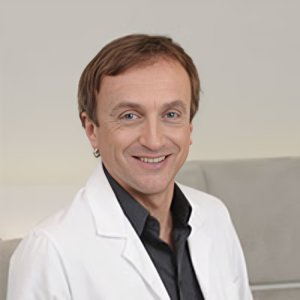
Peter Guglia
El Dr. med. Peter Guglia es especialista en ortopedia y cirugía ortopédica en JUVENIS. Asimismo, es médico adjunto en el Centro de Columna Vertebral del Hospital Ortopédico de Speising, el hospital ortopédico líder de Austria. Cuenta con más de 30 años de experiencia. Su labor se centra en el diagnóstico no quirúrgico, la terapia del dolor y la evaluación del movimiento y la postura.
Doctor en Medicina (MD) en 1991. Formación en medicina general de 1994 a 1997. Diploma de especialista
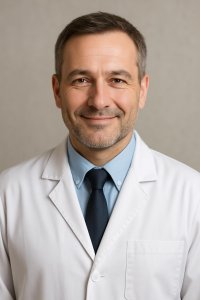
Klaus Novak
El Dr. Klaus Novak introdujo en Austria el monitoreo intraoperatorio de potenciales evocados motores, un avance decisivo para una cirugía de columna más segura.
- Más de 20 años de experiencia en neurocirugía
- Especialista en cirugía de columna, tumores cerebrales y neuromodulación
- Formado en el prestigioso Beth Israel Hospital de EE. UU.
- Activo en la Junta interdisciplinaria de Trastornos del Movimiento de la MedUni de Viena
- Habla cinco idiomas con fluidez, incluidos inglés y español
Compartir contenido
Historias en video de pacientes de Bookimed
 Olena Sikoza
Preguntas frecuentes sobre Cirugía de la columna en Austria
¿Qué riesgos me esperan si me someto a una cirugía de columna en Austria?
En Austria, la tasa de supervivencia tras la cirugía de columna es del 99 % en la mayoría de los procedimientos. Los riesgos más comunes incluyen infecciones leves (aproximadamente el 1,4 %) y fugas durales (hasta el 3,5 %) en los casos en que son leves. Centros de vanguardia, como Wiener Privatklinik y Döbling Private Hospital, minimizan estos riesgos mediante protocolos JCI y cirugía robótica.
- Control de infecciones: Las clínicas austriacas informan de bajas tasas de infección, a menudo en torno al 1,4% para las enfermedades degenerativas.
- Seguridad neurológica: Gracias a los avanzados métodos de monitorización intraoperatoria, el riesgo de daño nervioso se mantiene por debajo del 1%.
- Fugas durales: Las pequeñas lesiones en los sacos de líquido cefalorraquídeo ocurren en aproximadamente el 1-3,5% de los procedimientos quirúrgicos.
- Tasas de éxito: Las técnicas mínimamente invasivas reducen significativamente el riesgo de desarrollar el síndrome de cirugía de columna fallida a largo plazo.
Opinión de expertos de Bookimed: Las clínicas acreditadas por la JCI por sus estándares de seguridad del paciente, como el Hospital Privado Döbling, suelen presentar tasas de complicaciones significativamente inferiores a la media mundial. Un elevado volumen de pacientes (16 000 al año) permite la creación de equipos especializados que trabajan específi
¿Qué centros médicos de Austria se consideran los mejores para la cirugía de columna?
En Austria, los mejores centros de cirugía de columna se encuentran en Viena y Graz, ambos acreditados por la JCI y certificados por la ISO. Instituciones líderes como la Wiener Privatklinik y el Hospital Privado Döbling se especializan en cirugía de disco mínimamente invasiva. Utilizan sistemas avanzados de monitorización intraoperatoria y sistemas robóticos para garantizar una alta eficiencia quirúrgica.
- Cualificaciones de la clínica: Wiener Privatklinik está clasificada entre los mejores hospitales del mundo por Newsweek.
- Cirujanos experimentados: El Dr. Klaus Nowak introdujo la monitorización intraoperatoria de los potenciales motores evocados en Austria.
- Atención especializada: El Hospital Privado Döbling atiende tanto a adultos como a niños, con tasas de complicaciones inferiores a la media.
- Diagnóstico de vanguardia: La clínica privada Leech ofrece imágenes de resonancia magnética (IRM) y tomografía computarizada (TC) de alta resolución para una planificación precisa del tratamiento.
Opinión experta de Bookimed: Los datos muestran que las clínicas privadas austriacas, como Wiener Privatklinik, mantienen una alta proporción de médicos por paciente: 38 médicos especialistas para 130 camas. Esto les permite desarrollar protocolos de rehabilitación personalizados. Dichos protocolos priorizan el inicio temprano de la actividad física pa
¿Qué técnica quirúrgica se utilizará: abierta, mínimamente invasiva o endoscópica?
En Austria, para las cirugías de columna se utilizan técnicas abiertas, mínimamente invasivas y endoscópicas, según el diagnóstico. Los cirujanos de las clínicas acreditadas por JCI e ISO priorizan las técnicas mínimamente invasivas para las hernias discales. Los casos complejos, como la corrección de la escoliosis, suelen requerir cirugía abierta para garantizar la estabilidad de la columna y la colocación precisa del implante.
- Mínimamente invasivo: utiliza pequeñas incisiones para reducir el daño muscular y acelerar la recuperación postoperatoria.
- Cirugía abierta: el método estándar para cirugías reconstructivas complejas, tratamiento de la escoliosis y fusión multinivel.
- Técnica endoscópica: Consiste en utilizar una cámara flexible para extraer específicamente el disco intervertebral a través de pequeños orificios.
- Precisión diagnóstica: La resonancia magnética y la tomografía computarizada ayudan a determinar el enfoque quirúrgico óptimo para cada paciente.
Opinión de expertos de Bookimed: Si bien muchos pacientes solicitan una endoscopia para acelerar su recuperación, especialistas austriacos como el Dr. Michael Matzner suelen recomendar procedimientos ortopédicos mínimamente invasivos en lugar de la endoscopia convencional. La evidencia sugiere que estos métodos ofrecen un mejor equilibrio entre la claridad de la imagen para el ciru
¿Qué cualificaciones debo comprobar antes de elegir un cirujano ortopédico austriaco especializado en cirugía de columna?
Elija un cirujano colegiado en la Cámara Médica Austriaca (ÖÄK) como especialista en ortopedia y traumatología o neurocirugía. Asegúrese de que posea el diploma Eurospine y realice más de 200 intervenciones quirúrgicas al año. Estos documentos confirman el cumplimiento de las normas de seguridad europeas y un alto nivel de pericia quirúrgica.
- Certificación de especialista: Confirme su condición de "Facharzt" en neurocirugía u ortopedia a través de la base de datos de ÖÄK.
- Volumen de procedimientos quirúrgicos: Para lograr los mejores resultados clínicos, un médico debería realizar más de 200 cirugías de columna vertebral al año.
- Subespecialidades: Verifique si existe formación especializada específica para su afección, como cirugía de columna cervical o lumbar.
- Acreditación de la clínica: Elija centros que cuenten con la certificación ISO o que hayan recibido premios de Newsweek, como la Wiener Privatklinik.
Opinión de los expertos de Bookimed: En Austria, los indicadores de calidad están vinculados a la afiliación a instituciones médicas. Cirujanos como el Dr. Michael Matzner y el Dr. Klaus Nowak trabajaron en el Hospital General de Viena (AKH). Esta experiencia se considera un referente de excelencia. Estos especialistas suelen aportar una amplia experiencia de centros universitarios públicos a clínicas privadas, como el Hospi
¿Cómo es la rehabilitación postoperatoria para los pacientes internacionales?
La rehabilitación postoperatoria tras una cirugía de columna en Austria consta de varias etapas. Combina la movilización temprana con fisioterapia especializada para recuperar la función. Los pacientes internacionales suelen empezar a moverse por el hospital entre las 24 y las 48 horas posteriores a la cirugía. El proceso incluye tratamiento hospitalario seguido de 7 a 14 días de observación local antes del alta.
- Etapa de hospitalización: La movilización comienza dentro de las 48 horas y tiene como objetivo recuperar la capacidad de caminar y la postura.
- Asesoramiento experto: Cirujanos como el Dr. Michael Matzner combinan las intervenciones quirúrgicas con enfoques individualizados de rehabilitación.
- Seguridad en los viajes: A los pacientes se les recetan prendas de compresión y anticoagulantes durante 4 semanas después de la cirugía.
- Soporte digital: Muchos centros utilizan aplicaciones como Kaia Health para registrar el ejercicio que se realiza en casa.
Opinión de los expertos de Bookimed: Las clínicas de Viena suelen contar con profesores de la Universidad Médica de Viena que utilizan sistemas especializados de monitorización intraoperatoria. Esta tecnología, empleada por expertos como el Dr. Klaus Nowak, ayuda a proteger la función nerviosa durante la cirugía. Elegir una clínica con estas capacidades avanzadas de monitorización puede
¿Qué suele incluirse en un paquete de tratamiento estándar para pacientes internacionales que se someten a una cirugía de columna?
En Austria, los paquetes de cirugía de columna suelen incluir el costo de la cirugía, la anestesia y una estancia hospitalaria de 2 a 7 noches. Estos paquetes a menudo incluyen pruebas diagnósticas preoperatorias básicas, como análisis de sangre o radiografías. La atención postoperatoria en el hospital y las consultas inmediatas también están incluidas en el paquete estándar.
- Gastos médicos esenciales: Los paquetes de servicios incluyen los servicios de un cirujano jefe, un equipo de asistentes y atención de enfermería especializada.
- Servicios del centro médico: El precio incluye el uso de quirófanos modernos y unidades de cuidados intensivos.
- Pruebas de diagnóstico por imagen: El coste suele incluir la resonancia magnética, la tomografía computarizada o la radiografía de columna vertebral necesarias.
- Apoyo logístico: Muchas clínicas cuentan con personal multilingüe y asistencia con los visados médicos.
Opinión de expertos de Bookimed: Si bien muchos creen que los paquetes todo incluido son universales, los hospitales privados austriacos, como Wiener Privatklinik, suelen separar el costo de las cirugías y los implantes. Dado que estas clínicas a menudo emplean a profesores de la Universidad Médica de Viena, los pacientes deben aclarar si el paquete incluye equipos costosos, como los implantes ESP o M6. Elegir una clínica que atiende a más
¿Qué regiones de Austria son las mejores para el tratamiento de la columna vertebral?
Viena y Graz son los principales centros de cirugía de columna en Austria. En estas ciudades se encuentran instituciones como la Clínica Privada de Viena y el Hospital Privado de Döbling, que ofrecen procedimientos de vanguardia, incluyendo cirugía de hernia discal y tratamiento de la escoliosis. Estas ciudades cuentan con la mayor concentración de especialistas para el tratamiento de casos complejos.
- Centro neurálgico: Viena ofrece los departamentos de columna vertebral más especializados y cirujanos ortopédicos de renombre internacional.
- Gama de procedimientos quirúrgicos: Los centros realizan procedimientos como la extracción de discos, con precios que van desde $8,200 hasta $11,500.
- Especialización: El Dr. Michael Matzner, de Viena, cuenta con más de 20 años de experiencia en descompresión espinal.
- Atención médica regional: La clínica privada Leech en Graz ofrece servicios de diagnóstico por resonancia magnética y tomografía computarizada para procedimientos quirúrgicos en sus instalaciones.
- Rehabilitación: Centros especializados como el Armona Medical Alpinresort, cerca de Kufstein, ofrecen recuperación postoperatoria tras una cirugía ortopédica.
Opinión experta de Bookimed: Las clínicas vienesas, como el Hospital Privado Döbling, registran tasas de complicaciones significativamente meno