Cirugía de la columna en Israel — Costos 2026


Revisado médicamente por
Fahad Mawlood
¿Cuál es el precio de procedimientos de Cirugía de la columna en Israel? Descubra ahora
La cirugía de columna en Israel suele costar entre $17,100 y $41,000. Los precios finales dependen de la técnica quirúrgica específica, el número de niveles vertebrales involucrados y la duración de la estancia hospitalaria. Los pacientes a menudo encuentran ahorros del 30-50% en comparación con los costos típicos de procedimientos similares en los Estados Unidos.
Costos típicos de cirugía de columna en Israel
- Resonancia magnética de la médula espinal: de $900
- Cirugía de hernia discal: de $15,000
- Implantación del sistema ApiFix: Precio a consultar
- Discectomía: de $18,000
- Extracción de hernia discal con diagnóstico preoperatorio: Precio a consultar
- Cirugía de fusión mínimamente invasiva: de $25,000
La mayoría de los centros especializados en columna se encuentran en Tel Aviv, Jerusalén y Ramat Gan. Si bien las instalaciones públicas y privadas ofrecen diferentes estructuras de precios, los costos siguen siendo competitivos en estos centros principales. Consulte con un especialista en columna para obtener un presupuesto preciso para sus necesidades médicas específicas.
| Israel | España | Turquía | |
|---|---|---|---|
| Tratamiento quirúrgico de la radiculopatía | ≈ $16,000 | ≈ $7,200 | de $4,000 |
| Tratamiento quirúrgico de la escoliosis | ≈ $38,000 | de $56,200 | de $15,000 |
| Plástico vertebral | ≈ $8,500 | de $22,500 | de $4,000 |
| Laminectomía | ≈ $12,000 | de $15,000 | de $4,500 |
| Fusión vertebral mínimamente invasiva | de $25,000 | de $14,600 | de $8,000 |
Sus beneficios y garantías con Bookimed
Precios directos
Bookimed no añade cargos extra a los precios de los tratamientos de Cirugía de la columna. Las tarifas proceden de las listas de precios oficiales de las clínicas. Pagará directamente en la clínica por su tratamiento a su llegada al país.
Sólo clínicas y médicos verificados
Bookimed está comprometido con su seguridad. Solo trabajamos con las clínicas que mantienen altos estándares internacionales en el tratamiento de Cirugía de la columna y tienen las licencias necesarias para atender a pacientes internacionales en todo el mundo.
Asistencia 24/7 gratuita
Bookimed ofrece asistencia experta gratuita. Un coordinador médico personal le apoya antes, durante y después del tratamiento, resolviendo cualquier problema. Nunca estará solo en su viaje médico de procedimientos de Cirugía de la columna.

Su coordinador médico personal de Bookimed
- Le apoya en cada etapa
- Ayuda a elegir la clínica y el médico adecuados
- Asegura un acceso rápido y conveniente a la información
Descubra las mejores clínicas de Cirugía de la columna en Israel: 9 opciones verificadas y Precios
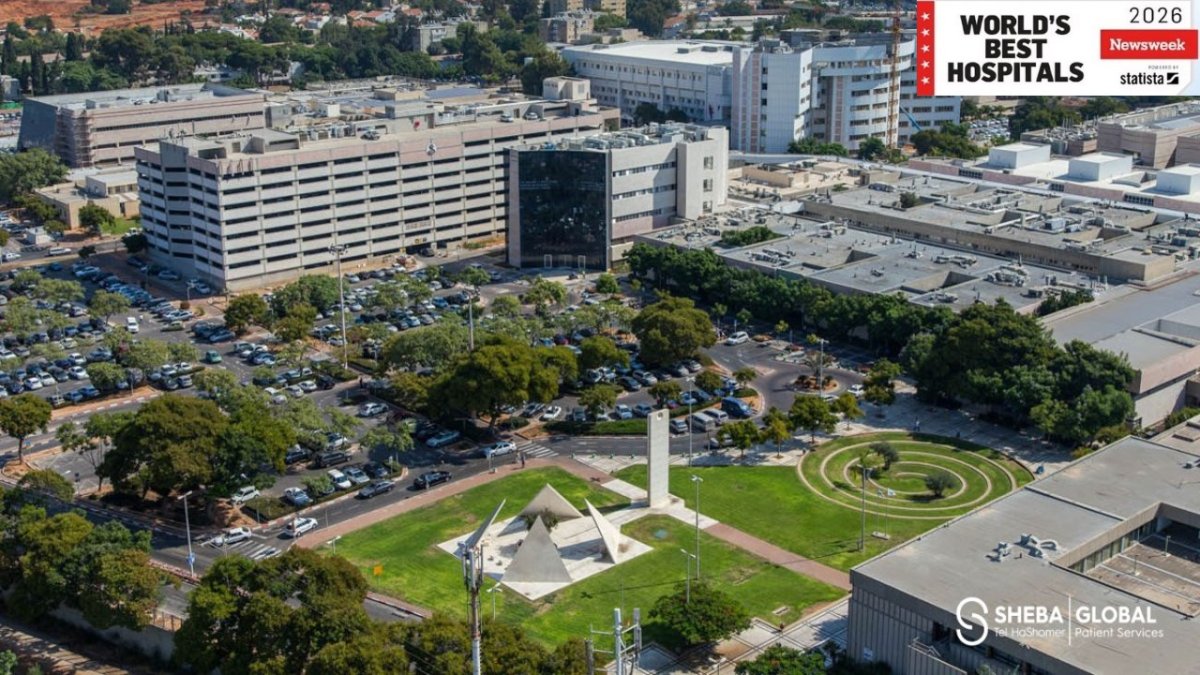















Sheba Tel HaShomer

Dental Clinic Dr. Mark Ratner
Los mejores centros médicos de Cirugía de la columna en Israel
- Centro Médico Sheba, Israel
- Centro médico Sourasky, Israel
- Assuta Hospital en Israel, Israel
- Centro Médico Hadassah, Israel
- Rambam Medical Center, Israel
- Centro médico infantil Schneider, Israel
- Rabin Medical Center, Israel
- Sheba Tel HaShomer, Israel
- Dental Clinic Dr. Mark Ratner, Israel
Obtenga una evaluación médica de Cirugía de la columna en Israel: haga una consulta con 6 médicos experimentados ahora
Ver todos los médicos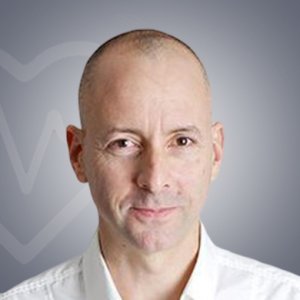
Alon Friedlander
El Dr. Alon Friedlander, MD, es cirujano ortopédico y especialista en columna y escoliosis para adultos y niños. Es Director del Departamento de Ortopedia del Centro Médico Sheba. También es profesor asociado de Ortopedia en la Universidad de Tel Aviv. Figura entre los mejores médicos de Israel según Forbes.
Trata trastornos complejos de la columna mediante cirugía mínimamente invasiva y abierta. Entre sus procedimientos se incluyen la fijación anterior y posterior. Sus áreas de enfoqu
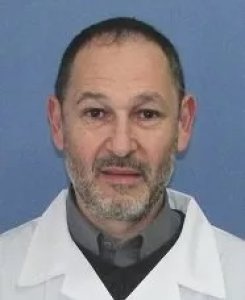
Zvi Cohen
El Prof. Zvi Cohen es director del Departamento de Neurocirugía y de la Unidad de Neurooncología del Centro Médico Sheba. Neurocirujano y experto en neurooncología, fue incluido en la lista de los Mejores Médicos 2025 de Forbes Israel. Lidera investigación clínica sobre terapias farmacológicas para tumores cerebrales malignos y fundó el banco de tejidos de tumores cerebrales de Sheba.
Es especialista certificado en neurocirugía. Se formó en la Universidad de Tel Aviv y realizó subespec

Professor Shimon Rochkind
El profesor Rochkind se especializa en microcirugía de columna y nervios periféricos, utilizando tecnologías de vanguardia en láser y bioingeniería en el Centro Médico Sourasky.
- Formado en neurocirugía pediátrica en el Hospital for Sick Children de Canadá
- Experto en técnicas mínimamente invasivas para tumores espinales
- Preside la Sociedad Israelí de Neurotecnologías Láser
- Más de 35 años de experiencia neuroquirúrgica
Compartir contenido
Historias en video de pacientes de Bookimed
 Olena Sikoza
Preguntas frecuentes sobre Cirugía de la columna en Israel
¿Se considera segura la cirugía de columna en Israel y cuáles son las posibles complicaciones?
La cirugía de columna en Israel es altamente segura, con altas tasas de éxito y monitoreo neurológico avanzado. Los centros especializados reportan una tasa general de eventos adversos del 8,7%. Aproximadamente el 87% de los pacientes expresan satisfacción con el alivio de sus síntomas. Instalaciones como el Centro Médico Sheba utilizan navegación en tiempo real para minimizar los riesgos.
- Tasas de éxito: Los pacientes reportan resultados beneficiosos del 71,2% dentro de los 3 meses posteriores a la cirugía.
- Control de infecciones: Las infecciones de heridas ocurren en el 1,4% al 9,5% de los casos complejos.
- Seguridad neurológica: Nuevos déficits o fugas ocurren solo en el 1,1% al 2,1% de los pacientes.
- Cirugía de revisión: Solo el 1,5% de los pacientes requiere procedimientos de seguimiento por complicaciones.
Perspectiva del experto de Bookimed: El volumen y la tecnología se correlacionan directamente con la seguridad en Israel. El Centro Médico Sourasky realiza 34.000 operaciones anuales y mantiene una calificación de 4,5. Elegir cirujanos como el profesor Shimon Rochkind, quien utiliza bioingeniería y tecnologías láser, reduce aún más los riesgos durante procedimientos neuroendoscópicos complejos.
Consenso de los pacientes: Los pacientes enfatizan la importancia de evaluar a los cirujanos individuales por enc
¿Qué tipos de cirugías de columna se ofrecen habitualmente en Israel y qué técnicas se utilizan?
Los centros de cirugía de columna israelíes se especializan en procedimientos mínimamente invasivos y asistidos por robot para la escoliosis, hernias discales y deformidades de la columna. Los cirujanos en instalaciones acreditadas por la JCI, como el Centro Médico Sourasky (Ichilov) y el Centro Médico Hadassah, utilizan la robótica Mazor X y técnicas neuroendoscópicas. Estas tecnologías mejoran la precisión y aceleran los tiempos de recuperación de los pacientes.
- Asistencia robótica: Los cirujanos utilizan sistemas Mazor X o Da Vinci para una colocación precisa de los implantes.
- Técnicas para hernia discal: Los médicos realizan discectomías endoscópicas o microdiscectomías a través de incisiones de menos de 1 cm.
- Corrección de escoliosis: Los especialistas utilizan el sistema ApiFix, que preserva el movimiento, para la corrección dinámica de deformidades espinales.
- Procedimientos de descompresión: La laminectomía y la foraminotomía alivian la presión nerviosa causada por la estenosis espinal o lesiones.
- Estabilización avanzada: La cirugía de fusión mínimamente invasiva proporciona estabilidad mientras preserva el tejido muscular circundante.
Perspectiva del experto de Bookimed: Los datos de centros líderes como Sheba y el Centro Médico Assuta muestran una tendencia hacia cirugías que preservan el movimiento. E
¿Quién es un buen candidato para la cirugía de columna mínimamente invasiva en Israel?
Los candidatos ideales para la cirugía de columna mínimamente invasiva en Israel incluyen pacientes con afecciones localizadas como hernias discales o estenosis espinal. Estas personas generalmente no han respondido a terapias conservadoras. Una alta densidad ósea y un IMC saludable son esenciales para una recuperación óptima en instalaciones acreditadas por la JCI.
- Indicaciones clínicas: Adecuado para hernias discales, estenosis espinal y enfermedad degenerativa del disco.
- Estado de salud: Los mejores resultados se obtienen en no fumadores con niveles altos de densidad ósea.
- Perfil de edad: Los pacientes de 30 a 60 años suelen reportar los tiempos de recuperación más rápidos.
- Requisito de diagnóstico: Los candidatos deben proporcionar imágenes claras de resonancia magnética o tomografía computarizada para la localización.
Perspectiva de expertos de Bookimed: Los centros israelíes como el Sourasky Medical Center (Ichilov) realizan más de 34,000 operaciones al año. Los datos muestran que las clínicas con departamentos robóticos de alto volumen a menudo ofrecen revisiones virtuales de resonancia magnética. Este servicio ayuda a los pacientes internacionales a confirmar su candidatura antes de viajar a Tel Aviv o Jerusalén.
Consenso de los pacientes: Los pacientes señalan que mantenerse activo y mantener un peso sal
¿Cuál es el cronograma típico de recuperación después de una microdiscectomía lumbar o una fusión de un solo nivel en Israel?
La recuperación después de una microdiscectomía lumbar en Israel generalmente permite el alta el mismo día o una estancia de una noche. Los pacientes que se someten a una fusión de un solo nivel suelen permanecer hospitalizados de 1 a 3 días. La movilización temprana es una prioridad, y la mayoría de los pacientes caminan pocas horas después del procedimiento para favorecer la curación.
- Caminar tras microdiscectomía: Los pacientes generalmente comienzan caminatas cortas de 5 a 10 minutos pocas horas después de la cirugía.
- Restricciones tras fusión: Los pacientes deben evitar agacharse, levantar peso o girar el tronco durante aproximadamente 6 semanas.
- Regreso al trabajo: El trabajo de oficina generalmente se reanuda en 2 a 4 semanas para los pacientes de microdiscectomía.
- Recuperación completa: La fusión ósea completa y las actividades extenuantes generalmente requieren de 6 a 12 meses de curación.
Perspectiva de expertos de Bookimed: Los centros israelíes como el Sourasky Medical Center y el Sheba Medical Center utilizan cirugía robótica e imágenes digitales para perfeccionar los procedimientos espinales. Los altos volúmenes de pacientes, como las más de 45,000 operaciones realizadas anualmente en Sheba, a menudo conducen a protocolos postoperatorios más eficientes. Esta experiencia clínica resulta frecuentemente en estancias hospitala
¿Qué hospitales principales en Israel se especializan en cirugía de columna y qué acreditaciones poseen?
Los principales hospitales israelíes especializados en cirugía de columna incluyen el Centro Médico Sourasky (Ichilov), el Centro Médico Sheba y el Centro Médico Hadassah. Estas instalaciones generalmente cuentan con la acreditación de la Joint Commission International (JCI). También cuentan con las mejores clasificaciones de Newsweek por su atención especializada y la integración de tecnología inteligente.
- Centro Médico Sourasky: Instalación acreditada por la JCI que realiza más de 2,500 neurocirugías al año utilizando tecnologías robóticas y de IA.
- Centro Médico Sheba: Posee certificaciones JCI e ISO, reconocido entre los 10 mejores hospitales del mundo por Newsweek.
- Centro Médico Hadassah: Centro afiliado a la universidad donde los cirujanos son frecuentemente catalogados entre los mejores por Forbes.
- Centro Médico Assuta: El grupo hospitalario privado más grande de Israel que mantiene la acreditación JCI por su excelencia quirúrgica.
- Centro Médico Rambam: Hospital académico acreditado por la JCI que atiende a casi 1,000,000 de pacientes con departamentos quirúrgicos avanzados.
Perspectiva del experto de Bookimed: Los datos muestran que, si bien todos estos centros principales mantienen los estándares de oro de la JCI, la elección entre ellos a menudo depende de la patología específica. Por ejemplo, el profe
¿Qué deben llevar los turistas médicos y cuánto tiempo deben planear quedarse en Israel?
Los turistas médicos que viajan a Israel para una cirugía de columna deben planear una estancia de 3 a 4 semanas. Este plazo incluye de 3 a 5 días para diagnósticos preoperatorios y una semana de hospitalización. Luego, los pacientes requieren aproximadamente 2 semanas de recuperación local en un hotel antes de que se les autorice a volar a casa.
- Documentos esenciales: Lleve un pasaporte válido, escaneos recientes de resonancia magnética o tomografía computarizada en CD-ROM y recetas médicas.
- Artículos de recuperación: Empaque medias de compresión, una almohada lumbar y pantuflas ortopédicas para la rehabilitación en el hotel.
- Suministros médicos: Incluya un suministro de 3 semanas de sus medicamentos actuales y material adicional para curar heridas.
- Duración de la estancia: Planifique un mínimo de 21 días para cumplir con las reglas obligatorias de no volar después de una anestesia general.
Perspectiva del experto de Bookimed: Los datos de centros de primer nivel como el Sourasky Medical Center muestran que tratan a más de 400.000 pacientes al año utilizando tecnologías robóticas y láser. Los pacientes deben reservar alojamiento a poca distancia a pie de las clínicas en Tel Aviv o Jerusalén. Esto evita el estrés de navegar por el tráfico local durante el intenso programa de chequeos postoperatorios en los días 3, 7 y 14.
¿Tendré cicatrices visibles después de una cirugía de columna mínimamente invasiva en Israel?
La cirugía de columna mínimamente invasiva en Israel resulta en cicatrices apenas visibles porque las incisiones son significativamente más pequeñas que en la cirugía abierta tradicional. Las pequeñas marcas suelen oscilar entre 5 milímetros y 1,5 centímetros. Estas diminutas incisiones a menudo se desvanecen en 12 meses hasta convertirse en líneas blancas tenues o volverse casi imperceptibles.
- Tamaño de la incisión: Las incisiones típicas varían de 5 milímetros a 1,5 centímetros de longitud.
- Preservación de tejidos: Los cirujanos utilizan dilatadores para separar los músculos en lugar de cortarlos.
- Ubicación natural: En las cirugías de cuello, las incisiones a menudo se ocultan dentro de los pliegues naturales de la piel.
- Asistencia avanzada: Centros como Sourasky (Ichilov) utilizan sistemas robóticos para una precisión quirúrgica extrema.
Perspectiva del experto de Bookimed: Especialistas israelíes como el Dr. Jose Cohen en el Hadassah Medical Center han realizado más de 2,000 procedimientos complejos utilizando técnicas mínimamente invasivas patentadas. Los centros de alto volumen a menudo utilizan herramientas neuroendoscópicas que requieren puntos de entrada más pequeños que el equipo estándar. Esta experiencia se correlaciona directamente con cicatrices más pequeñas y un alta más rápida, generalmente en 1 o 2 días.
¿Por qué Israel es uno de los principales destinos para la neurocirugía?
Israel es un centro líder en neurocirugía gracias a su combinación de avances médicos de alta tecnología y una experiencia quirúrgica de primer nivel. Instalaciones avanzadas como el Centro Médico Sheba utilizan sistemas de navegación basados en IA y resonancia magnética intraoperatoria en tiempo real. Centros especializados reportan una tasa de éxito del 98% en procedimientos complejos, como la craneotomía con el paciente despierto y el tratamiento de trastornos del movimiento.
- Tecnología avanzada: Las clínicas utilizan ultrasonido enfocado guiado por resonancia magnética (MRgFUS) y sistemas robóticos para realizar incisiones.
- Experiencia quirúrgica: Cirujanos como el Dr. Zvi Ram lideran asociaciones internacionales con más de 25 años de experiencia.
- Acceso rápido: Los pacientes internacionales generalmente pueden programar cirugías complejas de cerebro o columna en un plazo de 2 a 4 semanas.
- Atención médica acreditada: Grandes centros como Sourasky (Ichilov) y Assuta están acreditados por la JCI, lo que confirma su seguridad.
Opinión experta de Bookimed: Los datos muestran una clara diferencia entre las opciones de tratamiento públicas y privadas en Israel. Centros privados, como el Centro Médico Assuta, realizan más de 92.000 cirugías al año y permiten a los pacientes elegir a un cirujano líder específico. Esto supone una ventaja signi
¿Qué tipos de enfermedades neuroquirúrgicas se tratan en Israel?
Los neurocirujanos israelíes tratan una amplia gama de afecciones, desde tumores cerebrales y de médula espinal hasta trastornos funcionales complejos. Los centros especializados utilizan tecnologías de vanguardia, como el bisturí de rayos gamma, la estimulación cerebral profunda y la resonancia magnética intraoperatoria, para un diagnóstico altamente preciso de la epilepsia, la enfermedad de Parkinson y las patologías cerebrovasculares.
- Enfermedades oncológicas: tratamiento de gliomas, meningiomas y tumores hipofisarios mediante resección de la base del cráneo.
- Trastornos funcionales: tratamiento de la enfermedad de Parkinson y del temblor esencial mediante estimulación cerebral profunda.
- Patologías de columna: corrección de escoliosis, hernias discales y tumores espinales mediante sistemas robóticos.
- Tratamiento de las enfermedades cerebrovasculares: tratamiento quirúrgico de aneurismas cerebrales y malformaciones arteriovenosas mediante intervenciones endovasculares.
- Neurocirugía pediátrica: atención especializada en hidrocefalia y anomalías congénitas en centros pediátricos especializados.
Opinión experta de Bookimed: Los hospitales israelíes suelen combinar diversas especialidades para abordar casos complejos. En el Centro Médico Sourasky, neurocirujanos como el Dr. Zvi Lidar combinan neurocirugía y ortopedi
¿Qué hospitales en Israel son más conocidos por sus departamentos de neurocirugía?
Israel alberga centros neuroquirúrgicos de renombre mundial, como el Centro Médico Sourasky, el Centro Médico Sheba y el Centro Médico Hadassah. Estas instituciones son líderes mundiales en el tratamiento de tumores cerebrales complejos, enfermedades de la columna vertebral y trastornos del movimiento. Utilizan tecnologías de vanguardia como el bisturí de rayos gamma, sistemas robóticos y resonancia magnética intraoperatoria.
- Suraski (Ichilov): realiza más de 2.500 operaciones neuroquirúrgicas al año en Tel Aviv con una tasa de éxito del 98%.
- Centro Médico Sheba: clasificado entre los diez mejores hospitales del mundo, trata a 1,9 millones de pacientes al año.
- Centro Médico Hadassah: Nominado al Premio Nobel de la Paz. Líder en neurocirugía pediátrica y terapia génica.
- Centro Médico Assuta: el centro médico privado más grande de Israel. Especializado en cirugías mínimamente invasivas de columna y cerebro.
- Hospital Infantil Schneider: un centro líder en neurocirugía pediátrica que trata a 275.000 niños al año.
Opinión experta de Bookimed: Nuestros datos muestran que, si bien la mayoría de los pacientes buscan tratamiento en Tel Aviv, el Centro Médico Rambam en Haifa ofrece una atención única para neurotraumatismos. Cuenta con una unidad especializada en cuidados neurocríticos que atiende a aproximadamente un milló