Cirugía de la columna en India — Costos 2026


Revisado médicamente por
Fahad Mawlood
¿Cuál es el precio de procedimientos de Cirugía de la columna en India? Descubra ahora
Spinal surgery in India typically costs from $5,400 to $11,500. Total expenses depend on the surgical technique used, such as robotic or minimally invasive methods, and the type of implants selected. Patients often find 70-80% savings compared to the US for similar neurosurgical procedures.
Typical Spinal Surgery Costs in India
- Consultation with creation of treatment plan: de $60
- Herniated disc surgery: de $4,300
- Surgical treatment of scoliosis: $9,200 – $17,800
- ApiFix system implantation: Precio a consultar
- Discectomy: de $5,500
- Surgery for syringomyelia: Precio a consultar
- Laminectomy: de $4,300
- Anterior Cervical Discectomy and Fusion: Precio a consultar
- Kyphoplasty: de $6,000
- Minimally invasive fusion surgery: de $7,500
Major medical hubs include Mumbai, Delhi, Bangalore, and Chennai. Prices in metro areas generally trend higher than in smaller cities, though specialized hospitals provide the most advanced technology. Consult with a specialist to get accurate pricing for your specific spinal condition.
| India | España | Turquía | |
|---|---|---|---|
| Tratamiento quirúrgico de la radiculopatía | ≈ $4,200 | ≈ $7,200 | de $4,000 |
| Tratamiento quirúrgico de la escoliosis | ≈ $9,200 | de $55,800 | de $15,000 |
| Plástico vertebral | ≈ $3,800 | de $22,300 | de $4,000 |
| Laminectomía | de $4,300 | de $15,000 | de $4,500 |
| Fusión vertebral mínimamente invasiva | de $7,500 | de $14,500 | de $8,000 |
Sus beneficios y garantías con Bookimed
Precios directos
Bookimed no añade cargos extra a los precios de los tratamientos de Cirugía de la columna. Las tarifas proceden de las listas de precios oficiales de las clínicas. Pagará directamente en la clínica por su tratamiento a su llegada al país.
Sólo clínicas y médicos verificados
Bookimed está comprometido con su seguridad. Solo trabajamos con las clínicas que mantienen altos estándares internacionales en el tratamiento de Cirugía de la columna y tienen las licencias necesarias para atender a pacientes internacionales en todo el mundo.
Asistencia 24/7 gratuita
Bookimed ofrece asistencia experta gratuita. Un coordinador médico personal le apoya antes, durante y después del tratamiento, resolviendo cualquier problema. Nunca estará solo en su viaje médico de procedimientos de Cirugía de la columna.

Su coordinador médico personal de Bookimed
- Le apoya en cada etapa
- Ayuda a elegir la clínica y el médico adecuados
- Asegura un acceso rápido y conveniente a la información
Descubra las mejores clínicas de Cirugía de la columna en India: 63 opciones verificadas y Precios




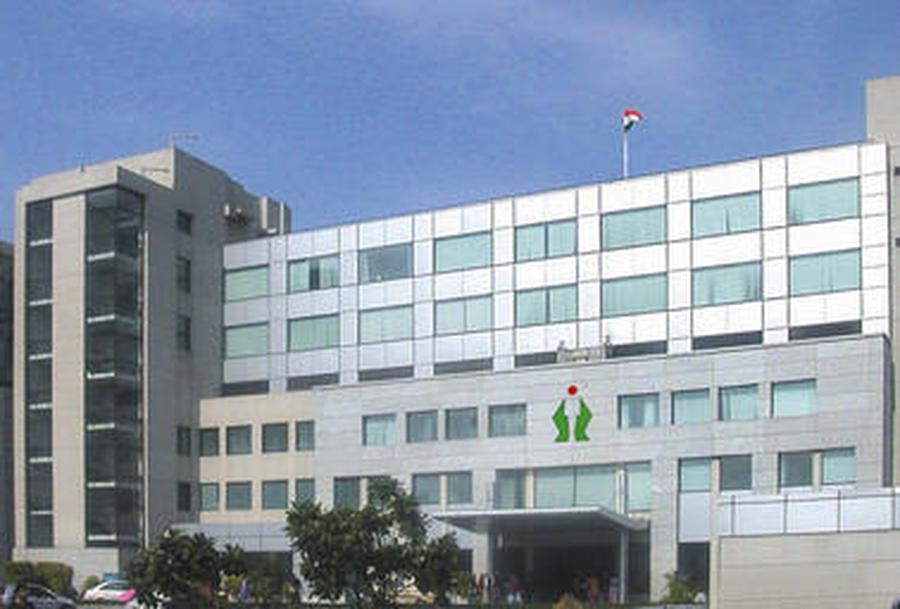




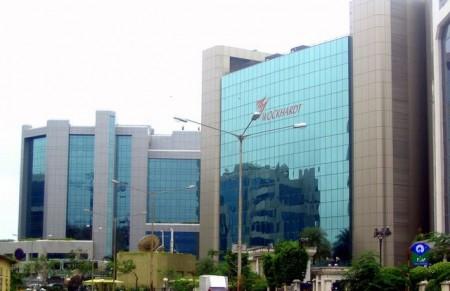
Wockhardt Hospital







Los mejores centros médicos de Cirugía de la columna en India
- Artemis Hospitals, India
- Fortis Escorts Heart Institute, India
- Apollo Hospital Indraprastha, India
- Medanta Hospital, India
- Wockhardt Hospital, India
- Manipal Hospitals, India
- Global Hospital Chennai, India
- BLK Super Speciality Hospital, India
- Aster CMI Hospital, India
- Global Hospital Mumbai, India
Obtenga una evaluación médica de Cirugía de la columna en India: haga una consulta con 12 médicos experimentados ahora
Ver todos los médicos
Amit Srivastava
Anil Kumar Kansal
Pramod Saini
Puneet Girdhar
Compartir contenido
Historias en video de pacientes de Bookimed
 Olena Sikoza
Preguntas frecuentes sobre Cirugía de la columna en India
¿Qué tan segura es la cirugía de columna realizada en hospitales indios y qué acreditaciones internacionales poseen los centros de columna?
La cirugía de columna en hospitales indios de primer nivel es altamente segura. Las tasas de éxito alcanzan del 85% al 95% para la mayoría de los procedimientos. Los centros líderes cuentan con acreditaciones de la Joint Commission International (JCI) y NABH. Estas instalaciones utilizan asistencia robótica y neuromonitoreo en tiempo real. Esto garantiza la precisión y reduce significativamente los riesgos quirúrgicos.
- Tasas de éxito: El éxito de la microdiscectomía oscila entre el 90% y el 95% en los centros indios.
- Protocolos de seguridad: Las principales instalaciones mantienen tasas de infección bajas, alrededor del 2.7%, mediante un control estricto.
- Acreditaciones: Centros como el Apollo Hospital Indraprastha y los Artemis Hospitals poseen el sello de oro de la JCI.
- Estándares nacionales: NABH (acreditado por ISQua) garantiza puntos de referencia de atención médica de alta calidad en todo el país.
Perspectiva del experto de Bookimed: El volumen de pacientes se correlaciona directamente con la seguridad en la India. Hospitales como Manipal y Apollo atienden de 1 a 2 millones de pacientes al año. La alta frecuencia quirúrgica permite a los equipos perfeccionar técnicas para casos complejos. Por ejemplo, el Global Hospital Mumbai combinó con éxito un trasplante de hígado con el tratamiento de tuberculosis espinal. Esta experiencia ra
¿Qué resultados y tasas de éxito pueden esperar los pacientes internacionales tras una cirugía de columna en la India?
Los pacientes internacionales suelen experimentar tasas de éxito en cirugías de columna de entre el 85% y el 95% en la India. Los principales hospitales de Delhi, Mumbai y Bengaluru utilizan asistencia robótica y técnicas mínimamente invasivas. Estos resultados cumplen con los estándares globales de alivio del dolor y mejora neurológica en casos complejos de columna.
- Éxito del procedimiento: Las cirugías de microdiscectomía y de columna cervical reportan tasas de éxito superiores al 90%.
- Calidad clínica: Los centros acreditados por la JCI mantienen tasas de infecciones intrahospitalarias por debajo del 5%.
- Tiempo de recuperación: Los pacientes a menudo se ponen de pie dentro de las 48 horas posteriores a la cirugía para mejorar los resultados.
- Atención especializada: El Global Hospital Mumbai realizó el primer trasplante simultáneo de hígado y columna del mundo.
Opinión del experto de Bookimed: El volumen de pacientes es un indicador importante de la competencia quirúrgica en la India. Los hospitales Manipal y el Global Hospital Chennai atienden a 2.000.000 de pacientes al año cada uno. Esta escala masiva permite a los cirujanos perfeccionar técnicas para afecciones espinales raras. Los centros de alto volumen a menudo ofrecen resultados a largo plazo más estables que las clínicas más pequeñas.
Consenso de los pacientes:<
¿Están los cirujanos de columna en la India certificados por el consejo médico y reconocidos por sociedades profesionales internacionales?
Los cirujanos de columna en la India que ocupan cargos en hospitales de primer nivel están certificados y reconocidos a nivel mundial. La mayoría completa maestrías en ortopedia o neurocirugía antes de realizar becas (fellowships) especializadas en columna vertebral. Estos especialistas a menudo mantienen membresías en organismos internacionales como AO Spine o la Scoliosis Research Society.
- Certificación básica: Los cirujanos deben poseer títulos MS o DNB reconocidos por el National Medical Council.
- Superespecialización: Los expertos a menudo completan un Fellow of National Board (FNB) de 2 años en cirugía de columna.
- Credenciales hospitalarias: Instalaciones de primer nivel como Artemis Hospitals y Apollo Hospital Indraprastha mantienen la acreditación JCI.
- Afiliaciones internacionales: Muchos cirujanos participan en la International Society for the Advancement of Spine Surgery.
Perspectiva del experto de Bookimed: El volumen clínico en la India a menudo compensa las diferencias en las estructuras formales de certificación. Por ejemplo, el Global Hospital Mumbai realizó el primer trasplante de hígado simultáneo con tratamiento de tuberculosis espinal. Centros de alto volumen como Manipal Hospitals tratan a 2,000,000 de pacientes anualmente. Esta enorme frecuencia de casos a menudo brinda a los cirujanos indios más experiencia práctica
¿Qué técnicas quirúrgicas (cirugía de columna mínimamente invasiva, robótica, endoscópica) se ofrecen y qué condiciones de los pacientes tratan?
Los centros médicos indios ofrecen cirugía de columna avanzada endoscópica, robótica y mínimamente invasiva (MISS) para tratar hernias discales, escoliosis y estenosis espinal. Las instalaciones acreditadas por la JCI, como Artemis Hospitals y Apollo Hospital Indraprastha, utilizan herramientas especializadas para una descompresión nerviosa precisa. Estas técnicas reducen significativamente los tiempos de recuperación en comparación con la cirugía tradicional.
- Cirugía endoscópica: Utiliza incisiones de menos de 1 cm para hernias discales y alivio de la ciática.
- Cirugía asistida por robot: Emplea sistemas Mazor X para la colocación precisa de tornillos en la corrección de escoliosis.
- Cirugía mínimamente invasiva: Trata la enfermedad degenerativa del disco a través de pequeños retractores tubulares y túneles.
- Rango de condiciones: Los protocolos abordan la tuberculosis espinal, la espondilolistesis y las fracturas por compresión vertebral complejas.
Perspectiva del experto de Bookimed: El Global Hospital Mumbai destaca por combinar la experiencia en columna vertebral con el trasplante de órganos complejos. Fueron los primeros a nivel mundial en realizar un trasplante de hígado junto con una cirugía de tuberculosis espinal. Seleccionar clínicas con tal experiencia multidisciplinaria es vital para pacientes con múltiples condiciones de salu
¿Cuánto dura la admisión típica y la estancia general en la India para una cirugía de columna, y cuándo pueden los pacientes volar a casa?
Los pacientes suelen someterse a una admisión hospitalaria de 2 a 7 días para una cirugía de columna en la India. La estancia total en el país oscila entre 10 y 21 días. La elegibilidad para volar depende de la complejidad del procedimiento. La mayoría de los viajeros reciben el alta para volar de 7 a 14 días después de la operación.
- Mínimamente invasiva: La admisión dura de 1 a 3 días. Los pacientes suelen volar a casa después de 10 días.
- Fusión espinal: Requiere de 3 a 5 días de hospitalización. Una estancia total de 14 a 21 días es el estándar.
- Tiempo de rehabilitación: La rehabilitación intensiva suele comenzar en un plazo de 48 horas. Esto ayuda a los pacientes a caminar sin ayuda más pronto.
- Autorización de vuelo: Los cirujanos emiten un certificado de aptitud para volar (Fit to Fly) dentro de los 3 días previos a la salida.
Perspectiva del experto de Bookimed: Las redes médicas más grandes de la India, como Apollo y Manipal, atienden a más de 1.000.000 de pacientes al año. Este volumen masivo permite a estos centros mantener equipos de fisioterapia en el lugar que se especializan específicamente en la recuperación espinal internacional. Los pacientes en estas instalaciones de alta capacidad a menudo alcanzan hitos de movilidad un 20% más rápido que el promedio regional. Este enfoque especializado puede acortar su estancia total e
¿Qué complicaciones deben tener en cuenta los pacientes y cómo son gestionadas por los equipos de columna vertebral en la India?
Los equipos de columna vertebral en la India gestionan posibles complicaciones como lesiones nerviosas e infecciones mediante protocolos con una tasa de éxito del 95%. Los centros acreditados por la JCI utilizan sistemas robóticos y neuromonitoreo intraoperatorio para proteger la médula espinal. Los antibióticos profilácticos y la movilización postoperatoria inmediata reducen significativamente los riesgos para los pacientes internacionales que reciben atención especializada.
- Protección nerviosa: El neuromonitoreo intraoperatorio (IONM) previene lesiones durante procedimientos complejos de columna.
- Control de infecciones: Técnicas estériles estrictas y antibióticos intravenosos profilácticos minimizan los riesgos en el sitio quirúrgico.
- Prevención de coágulos: La movilización temprana y la profilaxis con heparina mantienen las tasas de coágulos sanguíneos por debajo del 1%.
- Reparación dural: Los cirujanos utilizan pegamento de fibrina o suturas directas para reparaciones inmediatas y herméticas de fugas.
Perspectiva del experto de Bookimed: Los datos de los pacientes indican que los centros de alto volumen, como el Global Hospital Mumbai, a menudo logran mejores resultados al combinar especialidades. Fueron los primeros en el mundo en realizar un trasplante de hígado y un tratamiento de tuberculosis espinal simultáneamente. Elegir un ce
¿Qué ciudades o centros de columna vertebral en la India son los más populares entre los pacientes internacionales y qué servicios de apoyo logístico están disponibles en esas ubicaciones?
Los principales centros de columna vertebral de la India incluyen Delhi, Mumbai, Bengaluru, Gurgaon y Chennai. Estas ciudades ofrecen instalaciones acreditadas por la JCI como el Apollo Hospital Indraprastha y el Global Hospital Chennai. Los pacientes acceden a cirugía robótica y diagnósticos avanzados. Los departamentos internacionales dedicados gestionan visas médicas, traslados al aeropuerto y servicios de interpretación multilingüe para una atención sin problemas.
- Delhi y Gurgaon: Los hospitales Artemis y Medanta brindan atención de alto volumen con más de 10,000 casos internacionales de columna vertebral al año.
- Bengaluru: Manipal Hospitals ofrece más de 50 años de experiencia. Atiende a 2,000,000 de pacientes extranjeros al año.
- Chennai: El Global Hospital Chennai cuenta con tasas de infección más bajas y vuelos directos desde Oriente Medio.
- Ayuda administrativa: Las clínicas ayudan con invitaciones para visas electrónicas, procesamiento de documentos y coordinación con embajadas locales.
- Comodidad en el lugar: Las instalaciones proporcionan traductores 24/7 para árabe o ruso y opciones de comidas culturalmente sensibles.
Perspectiva del experto de Bookimed: Los datos muestran una clara ventaja logística en Delhi y Gurgaon. Grandes complejos como Medanta y Artemis funcionan como ciudades médicas. Albergan