Tratamiento quirúrgico de la escoliosis en España — obtén 3 clínicas con costos


Revisado médicamente por
Fahad Mawlood
¿Cuál es el precio de Tratamiento quirúrgico de la escoliosis en España? Descubra ahora
El costo del tratamiento quirúrgico para la escoliosis en España varía de $56,300, dependiendo del procedimiento y la clínica. La cirugía de corrección de escoliosis en sí cuesta aproximadamente 37.800 €. Los costos adicionales incluyen una consulta inicial a 560 €, pruebas diagnósticas preoperatorias a 1.030 €, y rehabilitación postquirúrgica a 1.500 €. La cirugía asistida por robot es más cara y puede costar hasta 61.200 €.
Beneficios clave
¿Por qué los pacientes eligen España para el tratamiento quirúrgico de la escoliosis?
- Clínicas acreditadas: Los principales hospitales de España han obtenido la certificación JCI, lo que garantiza altos estándares en el cuidado y seguridad del paciente.
- Últimas tecnologías: Métodos innovadores, como el uso de implantes espinales impresos en 3D y procedimientos mínimamente invasivos, mejoran la precisión quirúrgica y la recuperación. Marcas destacadas como Medtronic y NuVasive proporcionan dispositivos y materiales de vanguardia.
- Altas tasas de éxito: El tratamiento quirúrgico de la escoliosis en España cuenta con una tasa de eficacia del 85-90% para diversas condiciones de los pacientes. Esto conduce a mejoras significativas en la alineación espinal y la calidad de vida.
- Cirujanos expertos: Los cirujanos líderes en España, a menudo formados internacionalmente, han realizado miles de cirugías de escoliosis. Poseen certificaciones de instituciones prestigiosas y son reconocidos por su experiencia en deformidades espinales complejas.
Acceda a soluciones avanzadas de tratamiento quirúrgico de la escoliosis en clínicas de confianza de $56,300.
| España | Turquía | México | |
|---|---|---|---|
| Tratamiento quirúrgico de la escoliosis | de $56,300 | de $15,000 | ≈ $22,000 |
| Tratamiento conservador de la escoliosis | de $2,000 | de $2,500 | de $4,000 |
| Implantación del sistema ApiFix | ≈ $17,500 | de $30,000 | ≈ $17,000 |
| Cirugía de escoliosis | ≈ $26,000 | de $22,400 | ≈ $22,000 |
Sus beneficios y garantías con Bookimed
Precios directos
Bookimed no añade cargos adicionales a los precios de Tratamiento quirúrgico de la escoliosis. Las tarifas proceden de las listas de precios oficiales de las clínicas. Pagará directamente en la clínica por su Tratamiento quirúrgico de la escoliosis a su llegada al país.
Sólo clínicas y médicos verificados
Bookimed está comprometido con su seguridad. Solo trabajamos con las clínicas que mantienen altos estándares internacionales en Tratamiento quirúrgico de la escoliosis y tienen las licencias necesarias para atender a pacientes internacionales en todo el mundo.
Asistencia 24/7 gratuita
Bookimed ofrece asistencia experta gratuita. Un coordinador médico personal le apoya antes, durante y después del tratamiento, resolviendo cualquier problema. Nunca estará solo en su viaje médico de Tratamiento quirúrgico de la escoliosis.

Su coordinador médico personal de Bookimed
- Le apoya en cada etapa
- Ayuda a elegir la clínica y el médico adecuados
- Asegura un acceso rápido y conveniente a la información
Descubra las mejores clínicas de Tratamiento quirúrgico de la escoliosis en España: 8 opciones verificadas y Precios







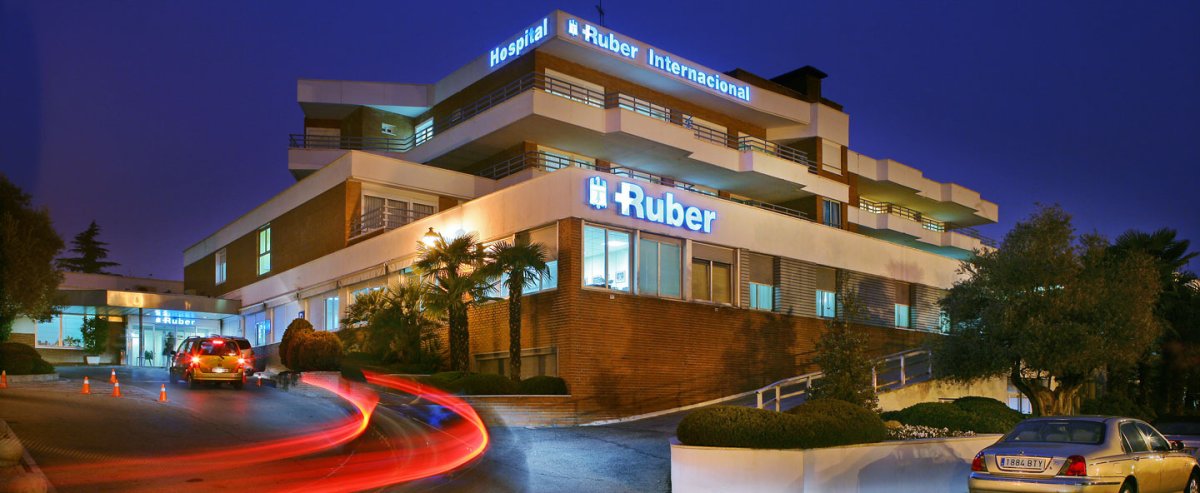


Hospital Sant Joan de Déu Barcelona












Descripción general de Tratamiento quirúrgico de la escoliosis en España
- Tratamiento quirúrgico de la escoliosis - de $56,300Esta terapia corrige la curvatura de la columna, involucra la colocación de tornillos y varillas y mejora la postura y la respiración.
- Tratamiento conservador de la escoliosis - de $2,000Esta terapia tiene como objetivo controlar la curvatura de la columna sin cirugía, utilizando aparatos ortopédicos, fisioterapia y ejercicio. Es menos invasivo y arriesgado.
- Implantación del sistema ApiFix - de $17,500El procedimiento consiste en una cirugía mínimamente invasiva para corregir la curvatura de la columna, utilizando una varilla flexible para el movimiento natural.
Día 1: Llegada
- Traslado del aeropuerto al hotel.
- Descansar y adaptarse al nuevo entorno.
Día 2: Preoperatorio
- Traslado del hotel a la clínica.
- Consulta con un neurólogo y cirujano ortopédico.
- Realizar un hemograma completo con marcadores de cáncer y un proteinograma.
- Pruebas adicionales si lo sugieren los especialistas.
Día 3: Cirugía
- Ingreso al hospital.
- Preparación preoperatoria.
- Tratamiento quirúrgico de la escoliosis bajo anestesia general.
- La duración de la cirugía puede variar de 4 a 8 horas.
Día 4 a Día 10: Post-Operación
- Atención postoperatoria en la clínica.
- Seguimiento por el equipo médico.
- Comience ejercicios suaves de fisioterapia.
Semana 2 a Semana 6: Rehabilitación
- Traslado de la clínica al hotel.
- Continúe con los ejercicios de fisioterapia.
- Aumentar gradualmente la actividad física.
Semana 7: Regreso al trabajo/escuela
- Tareas ligeras y trabajo/escuela de medio día inicialmente.
Semana 12: Regreso al deporte y otras actividades
- Reanude los deportes y otras actividades gradualmente.
Semana 24: Resultado Final
- La mejora en la alineación de la columna sería visible.
Tenga en cuenta que cada caso es individual y el cronograma puede variar según el estado de salud del paciente y la velocidad de recuperación.
Lo que les gusta a los pacientes:
- Precio. El coste del tratamiento quirúrgico de la escoliosis en España oscila entre los 25.000 y los 35.000 dólares. En comparación, el precio promedio en los Estados Unidos es significativamente más alto, alcanzando hasta $100,000.
- Profesionalidad de los médicos. Los pacientes agradecen la confianza que les infunden los médicos españoles desde la primera consulta. Los equipos quirúrgicos se destacan como grandes profesionales.
- Nivel de servicio. Los pacientes están satisfechos con las condiciones de la habitación y los servicios adicionales proporcionados, incluida la comida tanto para el paciente como para su asistente.
- Eficacia del tratamiento quirúrgico de la escoliosis. Los pacientes informan que los resultados a menudo superan sus expectativas, lo que lleva a una recuperación rápida y un mayor bienestar.
- Logística. Los pacientes elogian el proceso fluido, desde la ayuda inmediata hasta la entrega rápida de documentos médicos.
Lo que no les gusta a los pacientes:
- Tiempo de espera. Algunos pacientes expresan el deseo de una recepción más rápida de los documentos postoperatorios.
- Barrera del idioma. Aunque hay traductores disponibles, algunos pacientes pueden encontrar desafiantes las diferencias de idioma.
- Depósito de Bookimed: 200 $ o 200 €.
- Depósito de la clínica: Pague un porcentaje fijo por adelantado.
Obtenga una evaluación médica de Tratamiento quirúrgico de la escoliosis en España: haga una consulta con 6 médicos experimentados ahora
Ver todos los médicos
Bartolome Oliver
El Dr. Bartolomé Oliver es un neurólogo de primer nivel de España que dirige el Departamento de Neurocirugía de la Clínica Teknon. Ha estado practicando desde 1979 y realiza operaciones microquirúrgicas y utiliza aparatos de radiocirugía no invasiva. Brinda consultas en línea y es miembro de varias comunidades médicas internacionales. Es autor de 150 publicaciones y 350 informes en congresos médicos internacionales.

Javier Albiñana
41 años especializado en ortopedia pediátrica – El Dr. Albiñana lidera el tratamiento de la escoliosis en Quironsalud Madrid.
- Ex jefe de Ortopedia Pediátrica en el Hospital La Paz
- Formado en ortopedia pediátrica en la Universidad de Iowa y la Universidad de Oxford
- Investigador publicado sobre displasia de cadera y desarrollo acetabular

Pedro Delgado
El Dr. Pedro Delgado dirige el servicio de Traumatología y Cirugía Ortopédica en el Hospital Universitario HM Montepríncipe.
- Especialista en el tratamiento quirúrgico de la escoliosis
- Trabaja con un equipo de expertos en cirugía de mano
- Forma parte de un prestigioso entorno hospitalario universitario

Drcovaro
Especializado en cirugía de columna con técnicas avanzadas – El Dr. Covaro realiza procedimientos complejos en el Hospital Universitari Quiron-Dexeus de Barcelona.
- Completó becas en cirugía de columna en Aarhus y Uppsala
- Experto en el tratamiento de escoliosis, hernias discales y estenosis espinal
- Participante activo en reuniones internacionales de cirugía de columna
- Ha publicado múltiples artículos en revistas científicas
Reseñas
Todas las reseñas
Tratamiento quirúrgico de la escoliosis: Fotos de antes y después
Ver todos los Antes y Después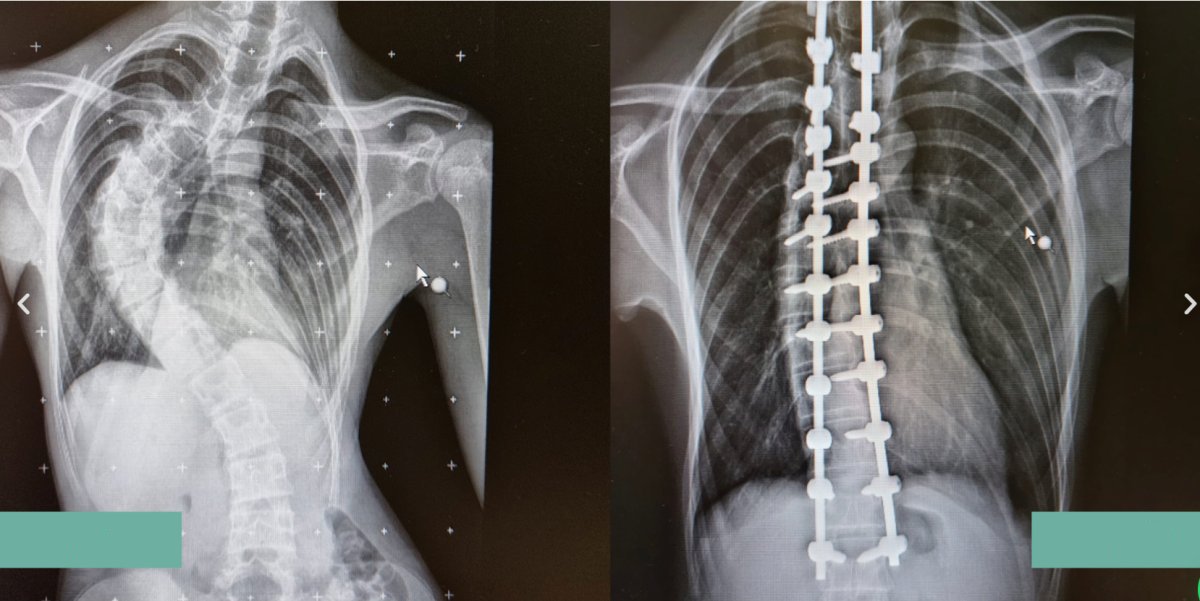
Compartir contenido
Historias en video de pacientes de Bookimed
 Olena Sikoza
Preguntas frecuentes sobre Tratamiento quirúrgico de la escoliosis en España
¿Qué tecnologías de vanguardia utilizan los cirujanos de columna españoles durante las operaciones de escoliosis?
Los cirujanos de columna españoles utilizan navegación mediante Realidad Aumentada (RA), colocación de tornillos asistida por robot y neuromonitoreo en tiempo real para tratar la escoliosis. Centros líderes como el Centro Médico Teknon y Sant Joan de Déu emplean modelado digital 3D y software de corrección impulsado por IA para maximizar la precisión mientras preservan la movilidad espinal tanto en niños como en adultos.
- Navegación robótica: Sistemas como Mazor X guían los taladros a lo largo de trayectorias preprogramadas para una precisión submilimétrica en la colocación de tornillos.
- Estándares de neuromonitoreo: El seguimiento continuo mediante EMG y SSEP previene daños nerviosos durante maniobras correctivas complejas.
- Implantes personalizados: Los cirujanos utilizan modelado por IA para diseñar varillas de titanio personalizadas que se ajustan a la alineación espinal ideal.
- Preservación del movimiento: Los sistemas ApiFix y el anclaje vertebral ofrecen alternativas flexibles a la fusión espinal tradicional.
Perspectiva del experto de Bookimed: Los centros españoles priorizan la movilidad a largo plazo mediante el uso de enfoques híbridos anteroposteriores y el sistema ApiFix. Los datos muestran que cirujanos como Ferran Pellisé Urquiza han contribuido a los estándares internacionales a través de miles de cirugías documentadas. Est
¿Qué hospitales y ciudades en España se consideran los mejores para la cirugía avanzada de escoliosis?
Barcelona y Madrid son los principales centros de España para la cirugía avanzada de escoliosis, albergando instalaciones acreditadas por la Joint Commission International. Estas ciudades ofrecen unidades especializadas en columna vertebral que utilizan imágenes 3D EOS, navegación robótica y mapeo nervioso intraoperatorio para tratar de forma segura deformidades complejas en adultos y casos pediátricos.
- Centros en Barcelona: Centro Medico Teknon y Hospital Universitari Quiron-Dexeus ofrecen sistemas de navegación espinal de alta precisión.
- Centros en Madrid: Quironsalud Madrid y HM Hospitales se especializan en correcciones de deformidades graves y neuromonitorización.
- Experiencia pediátrica: El Hospital Sant Joan de Deu de Barcelona es un centro europeo líder en técnicas sin fusión.
- Liderazgo clínico: El Dr. Ferran Pellise del Hospital Vall d’Hebron dirige la Scoliosis Research Society a nivel mundial.
Opinión de expertos de Bookimed: Aunque muchos eligen Barcelona por sus cirujanos de alto perfil, la Clínica Universidad de Navarra en Pamplona suele clasificarse como el mejor hospital de España. Fue el primero del país en recibir la acreditación JCI y gestiona más de 700.000 casos de pacientes internacionales al año, ofreciendo un enfoque altamente académico para reconstrucciones espinales complejas que rivaliza con los principales cen
¿Qué se incluye habitualmente en un paquete estándar de turismo médico en España para la cirugía de escoliosis?
Los paquetes estándar de turismo médico en España para la cirugía de escoliosis son paquetes clínicos integrales. Por lo general, incluyen diagnósticos preoperatorios, el procedimiento quirúrgico con implantes espinales y una estancia hospitalaria especializada de 6 a 10 días. La mayoría de los paquetes también proporcionan coordinación administrativa, intérpretes bilingües y traslados terrestres privados del aeropuerto al hospital.
- Honorarios médicos: Cubren los costos de los cirujanos de columna principales, anestesiólogos y todo el personal de enfermería quirúrgica.
- Estancia hospitalaria: Incluye de 6 a 10 noches en habitación privada con servicios de comidas para acompañantes.
- Implantes avanzados: Incluye varillas de titanio de alta calidad, tornillos o sistemas modernos de preservación del movimiento como ApiFix.
- Rehabilitación hospitalaria: Proporciona fisioterapia postoperatoria inmediata y entrenamiento de movilización antes del alta médica.
Perspectiva del experto de Bookimed: Los centros españoles como el Hospital HM Nou Delfos a menudo integran imágenes EOS de alta precisión en sus paquetes quirúrgicos. Esta tecnología proporciona escaneos 3D de cuerpo completo con un 85% menos de radiación que las radiografías tradicionales. Para los pacientes con escoliosis que requieren múltiples seguimientos, elegir un centro que incluya
¿Cuánto tiempo deben planificar los pacientes internacionales permanecer en España para un procedimiento de escoliosis y su seguimiento?
Los pacientes internacionales deben planificar una estancia en España de 14 a 21 días después de una cirugía de escoliosis. Este plazo incluye una ventana preoperatoria de 1 a 2 días, una estancia hospitalaria de 3 a 10 días y un período de recuperación local esencial de 1 a 2 semanas antes de obtener la autorización para viajar en avión.
- Preparación preoperatoria: Los pacientes llegan 48 horas antes para realizarse análisis de laboratorio y pruebas de imagen EOS especializadas de alta precisión.
- Hospitalización: Espere de 3 a 10 días para el control del dolor y la terapia de movilización inicial.
- Autorización para viajar en avión: Los cirujanos requieren de 7 a 14 días después del alta para monitorear la cicatrización de la herida de forma segura.
- Monitoreo a largo plazo: El seguimiento remoto continúa durante 12 meses utilizando radiografías del país de origen y telemedicina.
Perspectiva del experto de Bookimed: Centros españoles como el Centro Médico Teknon y el Hospital HM Nou Delfos utilizan tecnología de imagen EOS para la escoliosis. Este sistema proporciona imágenes musculoesqueléticas de alta precisión con una radiación significativamente menor que los escáneres estándar. Esta es una ventaja crítica para los pacientes pediátricos que requieren múltiples imágenes de seguimiento durante un período de recuperación de 12 meses.
¿Cuál es el cronograma de recuperación esperado mes a mes después de una cirugía de escoliosis en España?
La recuperación de una cirugía de escoliosis en España suele durar de 12 a 24 meses para una curación completa. La mayoría de los pacientes alcanzan la independencia funcional en 6 meses, mientras que la fusión espinal interna continúa hasta por 2 años. Los mejores centros utilizan imágenes EOS avanzadas para monitorear la estabilización durante todo el proceso.
- Mes 1: La movilización comienza dentro de los 2 días. Evite agacharse, levantar objetos y girar el torso.
- Meses 2-3: Regreso al trabajo sedentario o a la escuela a tiempo parcial. Comience con fisioterapia de bajo impacto.
- Meses 4-6: Enfoque en el fortalecimiento del núcleo (core). Reanude el trote ligero en superficies planas.
- Meses 6-12: Confirme la fusión sólida con tomografías computarizadas. Regreso a deportes sin contacto.
Perspectiva de expertos de Bookimed: Los cirujanos expertos en España, como el profesor Dr. Ferran Pellisé Urquiza, quien ha realizado más de 2,500 procedimientos, enfatizan que el volumen de casos del cirujano se correlaciona directamente con una recuperación más fluida. Los especialistas con alto volumen a menudo utilizan imágenes avanzadas como EOS en el Centro Médico Teknon. Esta tecnología proporciona imágenes musculoesqueléticas de alta precisión mientras minimiza la exposición a la radiación durante sus seguimientos críticos del primer año.
¿Afectarán las barreras lingüísticas a la calidad de la atención de los pacientes de habla inglesa en España?
Las barreras lingüísticas en España rara vez disminuyen la precisión quirúrgica, pero pueden complicar la recuperación postoperatoria y la gestión administrativa. La mayoría de los cirujanos privados en centros como Barcelona y Madrid cuentan con certificaciones internacionales y hablan inglés con fluidez. Por el contrario, el personal de enfermería y administrativo de primera línea en los centros públicos a menudo carece de un dominio avanzado del inglés.
- Diferencias sectoriales: Las clínicas privadas como el Centro Médico Teknon contratan personal que habla inglés para sus coordinadores internacionales.
- Comunicación clínica: La cirugía de escoliosis requiere un diálogo preciso sobre los signos neurológicos y las restricciones de movilidad postoperatorias.
- Centros geográficos: Las grandes ciudades como Madrid y Barcelona ofrecen redes médicas superiores de habla inglesa.
- Instrucciones por escrito: Solicitar todas las órdenes de alta en inglés evita malentendidos sobre los horarios de la medicación para el dolor.
Opinión de expertos de Bookimed: Aunque un cirujano como el Dr. Ferran Pellisé Urquiza pueda ser reconocido mundialmente, su habilidad quirúrgica no garantiza la fluidez en inglés de todo el personal de planta. Nuestros datos muestran que los hospitales privados de primer nivel en España, que atienden a más de 10.000 pacientes