


















Qué saber sobre las soluciones quirúrgicas para afecciones de la columna vertebral
Diseñado por Freepik
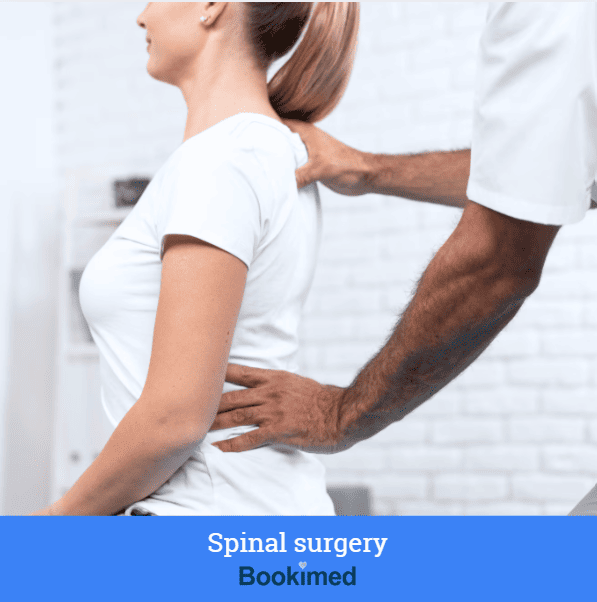
La cirugía de columna es un campo especializado centrado en el tratamiento de afecciones que afectan a la columna vertebral, incluyendo hernias discales, estenosis espinal, escoliosis, fracturas y tumores espinales.
El objetivo principal es aliviar la presión sobre los nervios, restaurar la estabilidad y reducir el dolor crónico de espalda o cuello cuando los tratamientos no quirúrgicos ya no ayudan.
👉 En términos simples, la columna actúa como una torre alta y flexible de huesos que protege la autopista nerviosa del cuerpo: la médula espinal. Cuando un "piso" de esta torre colapsa o presiona un nervio, la cirugía restaura su forma y equilibrio, para que el sistema pueda moverse suavemente de nuevo.
En las últimas dos décadas, la cirugía de columna ha evolucionado desde procedimientos abiertos con grandes incisiones hasta técnicas mínimamente invasivas y asistidas por robot, lo que permite a los cirujanos llegar a las áreas problemáticas a través de pequeñas aberturas con un daño tisular mínimo.
¿Es la cirugía de espalda adecuada para todos?
Antes de recomendar una cirugía de columna, los médicos tailandeses realizan evaluaciones neurológicas y de imagen detalladas para garantizar que el procedimiento sea seguro y beneficioso.
❗La cirugía suele ser el último paso cuando los medicamentos, la fisioterapia o las inyecciones ya no alivian el dolor ni restauran la movilidad.
✅ Candidatos más adecuados
Las personas que suelen beneficiarse de la cirugía de columna en Tailandia incluyen aquellas que:
-
Tienen dolor persistente de espalda o cuello que dura más de 3 a 6 meses a pesar de los tratamientos no quirúrgicos.
-
Experimentan síntomas de compresión nerviosa, como entumecimiento, hormigueo o debilidad en los brazos o piernas.
-
Tienen afecciones degenerativas (hernias discales, estenosis espinal, espondilolistesis) confirmadas por resonancia magnética o tomografía computarizada.
-
Sufren de deformidades espinales como escoliosis o cifosis que afectan la postura o la respiración.
-
Han sufrido fracturas espinales o inestabilidad después de un traumatismo.
-
Están generalmente lo suficientemente sanas para la anestesia y la rehabilitación.
🚫 Cuándo puede no ser aconsejable la cirugía
La cirugía de columna podría no ser adecuada para pacientes que:
-
Tienen dolor leve que aún puede controlarse mediante fisioterapia o medicación.
-
Muestran artritis generalizada u osteoporosis que podría comprometer la curación ósea.
-
Tienen infecciones activas, obesidad severa o diabetes no controlada que aumentan el riesgo quirúrgico.
-
Presentan enfermedades cardiovasculares o respiratorias graves, lo que hace que la anestesia no sea segura.
-
Esperan resultados poco realistas o no pueden comprometerse con el programa de rehabilitación requerido.
Evaluación prequirúrgica
✅Los mejores especialistas en cirugía de columna en Tailandia realizan un estudio diagnóstico completo (incluyendo resonancia magnética, radiografías, análisis de sangre y, a veces, electromiografía) antes de confirmar la candidatura. Esto asegura que cada paciente reciba la opción de tratamiento más adecuada y mínimamente invasiva posible.
¿Por qué elegir Tailandia para la cirugía de columna?

Diseñado por Freepik
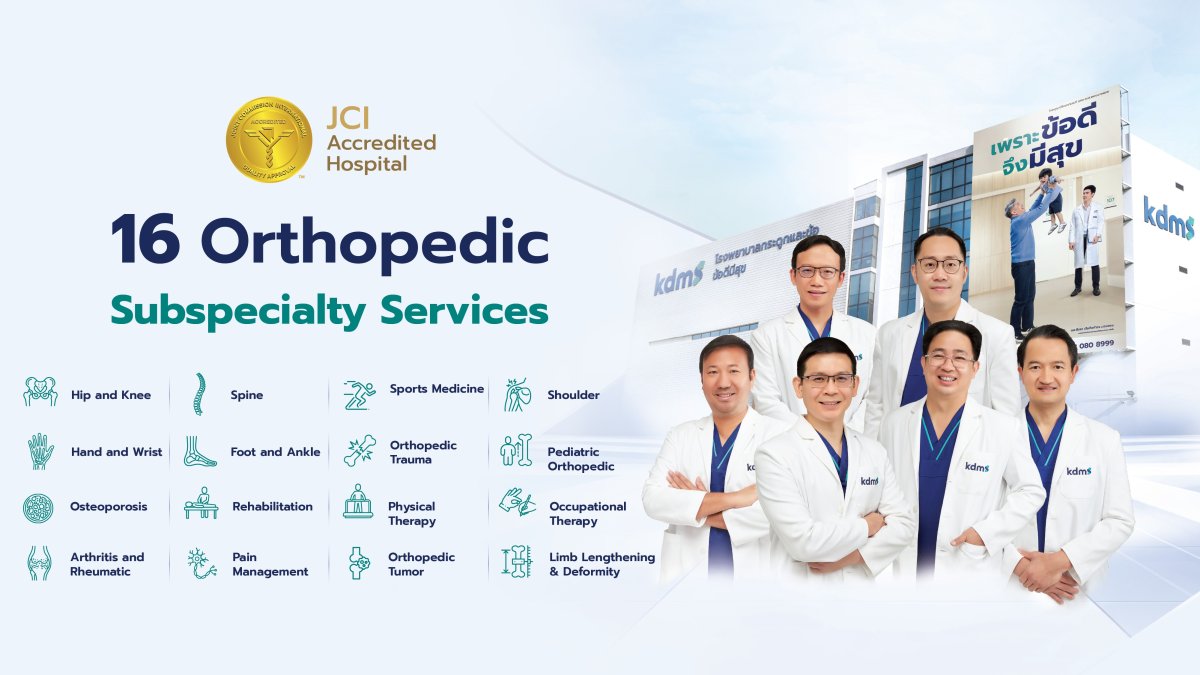
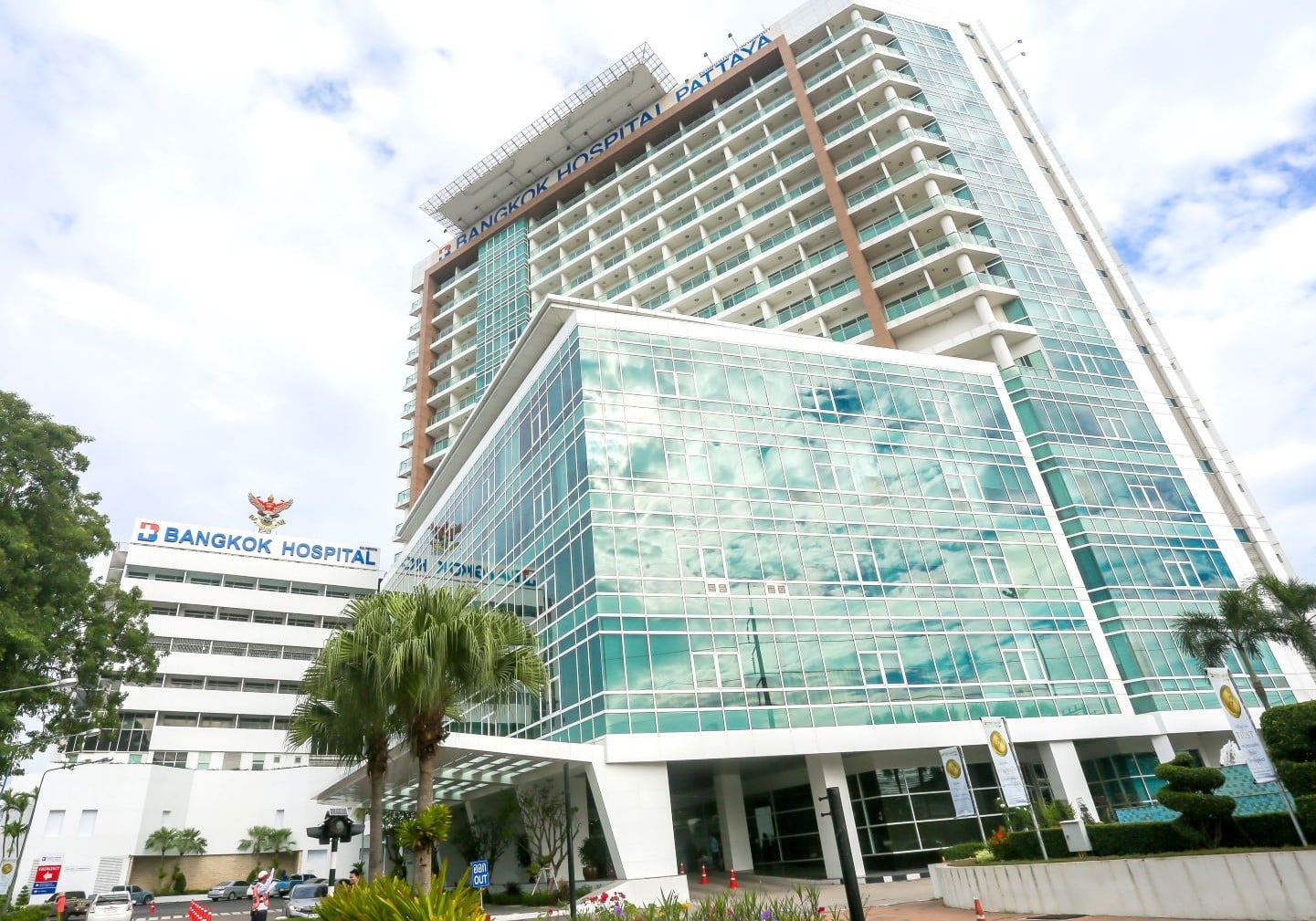
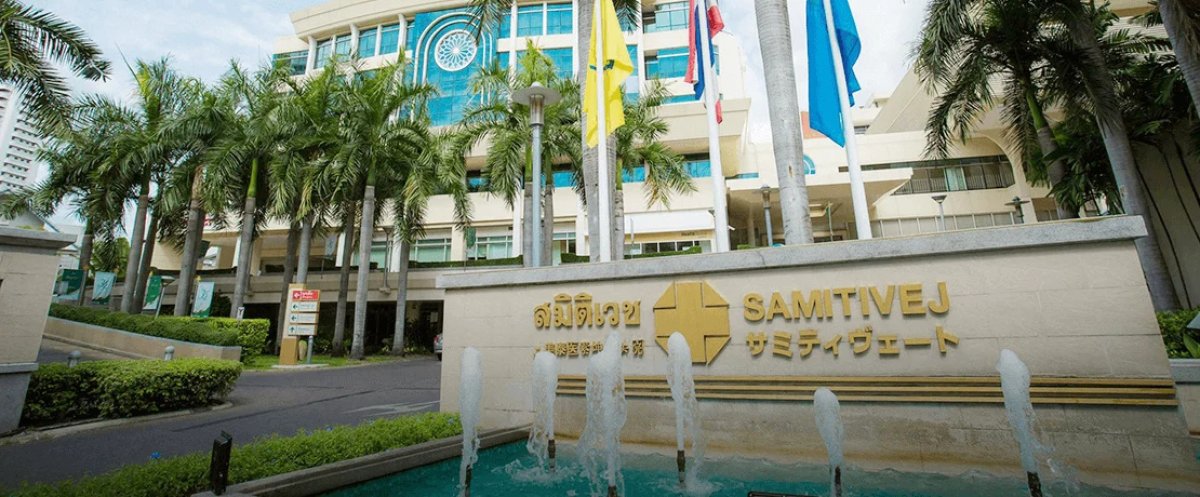
Tailandia se ha convertido en uno de los destinos más confiables de Asia para la cirugía de columna, atrayendo a pacientes de Australia, Oriente Medio y Europa que buscan atención de clase mundial a un precio razonable. Los pacientes que buscan el mejor hospital de cirugía de columna en Tailandia encontrarán varios centros acreditados internacionalmente que se especializan en atención espinal avanzada.
💡El sector de turismo médico del país superó varios cientos de millones de dólares en 2024 y continúa creciendo constantemente hacia 2030, respaldado por una fuerte inversión gubernamental y una infraestructura hospitalaria moderna.
Altos estándares internacionales
Tailandia lidera Asia con más de 60 hospitales acreditados por la Joint Commission International (JCI), lo que garantiza puntos de referencia globales en seguridad del paciente, higiene y calidad quirúrgica.
✅ Los hospitales privados en Bangkok y Phuket siguen los mismos protocolos operativos utilizados en EE. UU. y Europa, con unidades de cuidados intensivos las 24 horas y diagnóstico por imagen avanzado.
Especialistas en columna altamente capacitados
Los cirujanos ortopédicos y neurocirujanos de columna tailandeses están autorizados por el Medical Council of Thailand y a menudo se han formado en centros globales en el Reino Unido, Japón o EE. UU.
Muchos son miembros de la Asia Pacific Spine Society (APSS), la American Academy of Orthopaedic Surgeons (AAOS) o AO Spine International (AOSpine), lo que garantiza una educación continua y experiencia en casos complejos como la corrección de escoliosis o la cirugía de revisión de columna.
Tecnología y equipos avanzados
Los hospitales de cirugía de columna en Tailandia utilizan sistemas robóticos y guiados por navegación (MAZOR, ROSA), tomógrafos computarizados intraoperatorios y monitoreo neurológico en tiempo real para proteger los nervios y mejorar la precisión.
Los implantes de alta calidad de Zimmer Biomet, Medtronic y Stryker están ampliamente disponibles, lo que permite soluciones personalizadas para cada paciente.
Tiempos de espera cortos y coordinación fluida
A diferencia de muchos sistemas occidentales, donde los pacientes esperan semanas o meses para una cirugía, en Tailandia los procedimientos pueden programarse dentro de los 7 a 14 días posteriores a la evaluación preoperatoria.
Costo asequible de la cirugía de columna en Tailandia
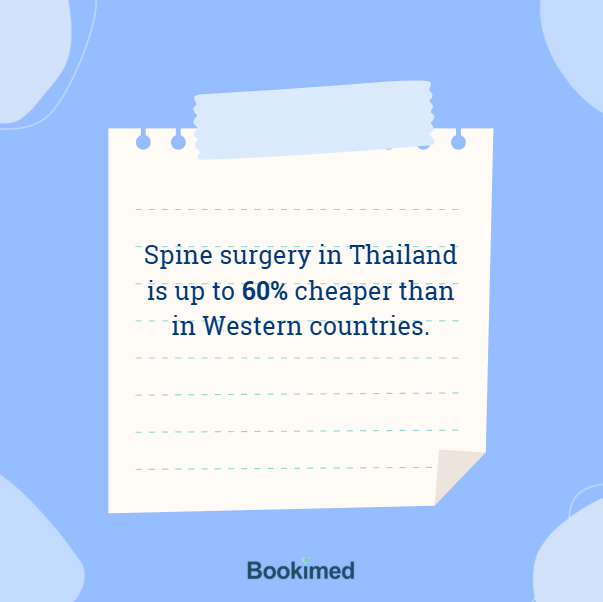
El costo de la cirugía de columna en Tailandia generalmente oscila entre $8,000 y $18,000, dependiendo del procedimiento y la tecnología utilizada, hasta un 60% más barato que en EE. UU. o Australia.
💚 Los paquetes suelen incluir consultas, cirugía, estancia hospitalaria y citas de seguimiento.
Recuperación en un entorno curativo
Los pacientes se recuperan cómodamente en habitaciones de hospital de estándar hotelero o en resorts cercanos. Los centros de rehabilitación en Phuket, Chiang Mai y Bangkok ofrecen programas de fisioterapia personalizados para acelerar la recuperación y reducir el dolor en un entorno tropical tranquilo.
💚 A través de Bookimed, los pacientes pueden comparar hospitales de cirugía de columna verificados, leer reseñas reales y acceder a descuentos exclusivos en paquetes, a menudo más bajos que los precios directos de las clínicas.
Qué incluyen los paquetes de tratamiento espinal en las clínicas tailandesas
Los paquetes de cirugía de columna en Tailandia están estructurados para facilitar el tratamiento a los pacientes internacionales, desde el diagnóstico hasta la recuperación.
💡Aunque la mayoría de los hospitales principales incluyen servicios básicos, algunos complementos como la asistencia robótica o la rehabilitación extendida pueden variar.
| Lo más probable es que esté incluido | Debe confirmarse |
| Diagnóstico preoperatorio: resonancia magnética, tomografía computarizada, radiografía, análisis de sangre, ECG. | Disponibilidad de navegación por TC 3D o monitoreo neurológico intraoperatorio. |
| Consulta con el cirujano de columna y el anestesiólogo. | Opiniones de especialistas adicionales (neurólogo, cardiólogo). |
| Cirugía bajo anestesia general (mínimamente invasiva o abierta). | Recargo por técnica robótica o asistida por láser. |
| Estancia hospitalaria (generalmente de 3 a 7 días, incluyendo comidas y atención de enfermería). | Servicios de UCI, mejoras a suite privada o hospitalización prolongada. |
| Uso de un implante espinal estándar o sistema de fijación. | Marca específica de implante: Zimmer Biomet, Medtronic o Stryker. |
| Medicamentos y control del dolor durante la estancia hospitalaria. | Medicamentos para llevar a casa o recetas a largo plazo. |
| Dos chequeos postoperatorios antes del alta. | Seguimiento remoto o tele-seguimiento después de regresar a casa. |
| Fisioterapia básica y entrenamiento de movilidad. | Rehabilitación extendida o sesiones de hidroterapia. |
| Traslados aeropuerto-hospital. | Alojamiento en hotel, traslados por la ciudad y asistencia en la recuperación. |
| Coordinador internacional de habla inglesa. | Traductores para otros idiomas (disponibles a través de Bookimed). |
💚 Reservar a través de Bookimed brinda acceso a hospitales asociados verificados que ofrecen paquetes de cirugía de columna con descuento, presupuestos transparentes y coordinación personal durante todo su viaje médico.
Operaciones de espalda comunes disponibles en centros médicos tailandeses
El país ofrece una gama completa de procedimientos espinales, desde descompresión mínimamente invasiva hasta corrección avanzada y tratamiento de tumores.
💡Los hospitales modernos en Bangkok, Phuket y Chiang Mai utilizan sistemas guiados por navegación y robóticos (MAZOR, ROSA) para mejorar la precisión y la seguridad, mientras que los cirujanos de columna certificados combinan experiencia neuroquirúrgica y ortopédica.
Hospitales como los de Bangkok y Phuket son reconocidos entre los mejores hospitales de cirugía de columna en Tailandia, equipados para procedimientos de cirugía de columna con láser y otras opciones mínimamente invasivas.
La investigación clínica confirma que los resultados en Tailandia coinciden con los estándares globales. Un análisis exhaustivo de la cirugía de columna mínimamente invasiva (MISS) informó un éxito de fusión en más del 80–98% de los pacientes, con una recuperación más rápida y estancias hospitalarias más cortas, generalmente 2–4 días menos que con los métodos abiertos.
Otros estudios muestran que la descompresión espinal para la estenosis lumbar proporciona un 70–80% de alivio del dolor dentro del primer mes, mientras que la cirugía de corrección de escoliosis logra aproximadamente un 78% de corrección de la curva que permanece estable durante años.
| Tipo de procedimiento | Propósito / Descripción | Recuperación típica |
| Cirugía de columna mínimamente invasiva (MISS) | Realizada a través de pequeñas incisiones usando retractores tubulares para reducir el trauma tisular y la pérdida de sangre. Común para hernias discales y estenosis espinal. | 1–3 días en el hospital; regreso a actividad ligera en 2–4 semanas. |
| Cirugía de descompresión espinal | Alivia la compresión nerviosa eliminando fragmentos de hueso o disco (laminectomía o microdiscectomía). | 2–5 días en el hospital; recuperación funcional en 3–6 semanas. |
| Tratamiento quirúrgico de la escoliosis | Corrige la curvatura espinal anormal usando varillas, tornillos e injertos óseos para mejorar la alineación y la postura. | 5–7 días en el hospital; recuperación completa en 6–12 meses. |
| Tratamiento quirúrgico de la radiculopatía | Elimina la fuente de compresión de la raíz nerviosa, aliviando el dolor, el entumecimiento o la debilidad en las extremidades. | 2–4 días en el hospital; alivio de síntomas a menudo en días. |
| Vertebroplastia / Cifoplastia | Estabiliza las fracturas vertebrales causadas por osteoporosis o tumores inyectando cemento óseo de grado médico. | Generalmente ambulatorio o estancia de 1 día; alivio del dolor en 24 horas. |
| Cirugía para siringomielia | Descomprime o drena quistes llenos de líquido (siringe) en la médula espinal para prevenir el deterioro neurológico. | 4–7 días en el hospital; resonancia magnética de seguimiento después de 3 meses. |
| Embolización / Resección de tumor espinal | Reduce el flujo sanguíneo del tumor antes de la extirpación o extirpa directamente los tumores espinales para aliviar la compresión y el dolor. | 5–10 días en el hospital, dependiendo del tipo y tamaño del tumor. |
| Fusión espinal o reemplazo de disco | Estabiliza o reemplaza vértebras/discos dañados con injertos óseos o implantes artificiales. Común para afecciones degenerativas o inestabilidad. | 4–6 días en el hospital; recuperación en 2–3 meses. |
💡 En Tailandia, las cirugías de columna se realizan bajo estrictos estándares internacionales de seguridad, y la fisioterapia postoperatoria se incluye en la mayoría de los programas de rehabilitación para ayudar a los pacientes a recuperar la estabilidad y la movilidad más rápidamente.
El procedimiento de cirugía de columna en Tailandia
La cirugía de columna en Tailandia se lleva a cabo en hospitales acreditados internacionalmente que combinan tecnología avanzada con atención espinal multidisciplinaria.
| Etapa | Qué sucede |
| 1. Evaluación preoperatoria | La resonancia magnética, la tomografía computarizada y los análisis de sangre ayudan a identificar trastornos espinales como estenosis espinal, escoliosis o tumores espinales. Los cirujanos desarrollan un plan personalizado para restaurar la estabilidad espinal y aliviar el dolor crónico de espalda o cuello. |
| 2. Anestesia y posicionamiento | Se administra anestesia general. El paciente se coloca cuidadosamente para permitir el acceso total al segmento espinal afectado mientras se minimiza la presión tisular, algo crucial para procedimientos mínimamente invasivos y endoscópicos. |
| 3. Acceso quirúrgico | Se realizan pequeñas incisiones para la cirugía endoscópica de columna o la fusión intersomática lumbar transforaminal/anterior. Se utilizan enfoques estándar para la corrección de deformidades o la extirpación de tumores. |
| 4. Tratamiento central |
|
| 5. Colocación de implantes | Se utilizan implantes de alta calidad de Zimmer Biomet, Medtronic y Stryker para reforzar la columna y restaurar el equilibrio. |
| 6. Cierre y monitoreo de recuperación | La incisión se cierra con suturas absorbibles. Los pacientes son monitoreados en unidades especializadas de recuperación o cuidados intensivos para controlar el dolor postoperatorio y realizar un seguimiento de la función neurológica. |
La mayoría de las cirugías de columna en Tailandia duran de 2 a 5 horas, dependiendo de la complejidad.
💚 A través de Bookimed, los pacientes internacionales pueden comparar clínicas verificadas, acceder a paquetes transparentes de costo de cirugía de columna en Tailandia y recibir apoyo durante todo el tratamiento y la recuperación.
Viaje de rehabilitación después de una operación de columna en hospitales tailandeses
La recuperación está diseñada para ayudar a los pacientes a recuperar la movilidad de forma rápida y segura. Equipos multidisciplinarios de cirujanos de columna, fisioterapeutas y especialistas en dolor guían cada etapa de la curación, centrándose en reducir el dolor y restaurar la función.
La rehabilitación suele comenzar dentro de las 24 a 48 horas. Para la cirugía de columna mínimamente invasiva, la estancia hospitalaria es más corta y la movilidad regresa más rápido en comparación con los procedimientos abiertos tradicionales.
| Etapa de recuperación | Progreso típico |
| Día 1–2 | Comienzo de movimiento suave y caminata asistida. Dolor controlado con medicación. |
| Días 3–5 | Alta con un plan de fisioterapia personalizado y precauciones de movimiento. |
| Semana 1–2 | La hinchazón y la rigidez disminuyen; se fomenta el estiramiento diario y caminar. |
| Semana 4–6 | La mayoría de los pacientes regresan a sus rutinas normales y trabajo ligero. |
| Mes 3–6 | Recuperación completa lograda; el seguimiento (en línea o en persona) confirma la estabilidad espinal. |
Muchos hospitales también ofrecen hidroterapia, sesiones de fortalecimiento muscular y corrección de postura para apoyar la salud espinal a largo plazo.
💚 Los pacientes que reservan a través de Bookimed pueden acceder a paquetes de rehabilitación estructurados, incluyendo fisioterapia y atención de seguimiento, en hospitales verificados que ofrecen tratamiento espinal de estándar internacional.
¿Son seguras las cirugías de columna en Tailandia?
Los procedimientos espinales en Tailandia se realizan bajo estrictos protocolos quirúrgicos y de higiene comparables a los de los países occidentales. Los quirófanos utilizan imágenes en tiempo real, monitoreo neurológico y sistemas de filtración de aire para mantener la precisión y la esterilidad durante toda la operación.
Los datos clínicos de seguimientos a largo plazo en hospitales tailandeses muestran una tasa de éxito del 95–98% para cirugías de fusión y descompresión espinal, con la mayoría de los pacientes reportando una reducción significativa del dolor y movilidad restaurada.
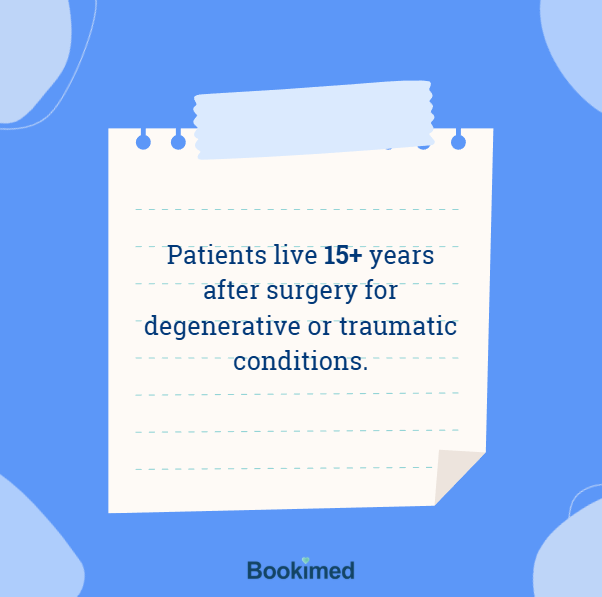
👉La cirugía de columna para afecciones degenerativas o traumáticas es muy segura, con la mayoría de los pacientes viviendo al menos 15 años después del procedimiento
Las complicaciones son raras pero pueden incluir:
-
Infección menor de la herida o sangrado;
-
Entumecimiento a corto plazo o irritación nerviosa;
-
Aflojamiento del implante o cirugía de revisión de columna en casos complejos.
Los cirujanos de columna tailandeses actualizan continuamente sus métodos a través de becas internacionales y programas de formación en EE. UU., Japón y Europa, lo que garantiza una experiencia actualizada y una recuperación segura para los pacientes.
💚 Los hospitales verificados asociados con Bookimed comparten datos de resultados transparentes y brindan apoyo postoperatorio dedicado para turistas médicos que buscan atención espinal avanzada en Tailandia.
Referencias
- Thailand Medical Tourism Market Size | Industry Report 2030. Market Research Reports & Consulting | Grand View Research, Inc. URL: https://www.grandviewresearch.com/industry-analysis/thailand-medical-tourism-market-report (fecha de acceso: 07.11.2025).
- 1. Incidence of spine surgery for degenerative and traumatic pathologies in patients with a history of cancer: a nationwide register-based study between 1997 and 2020 from Finland / L. A. Toivonen et al. Acta Orthopaedica. 2025. Vol. 96. P. 506–511. URL: https://doi.org/10.2340/17453674.2025.44247 (fecha de acceso: 11.11.2025).
- Strategies for Optimizing Clinical Outcomes in Minimally Invasive Spine Surgery / C. A. Ikwuegbuenyi et al. Neurosurgery. 2025. Vol. 96, no. 3S. P. S139–S147. URL: https://doi.org/10.1227/neu.0000000000003331 (fecha de acceso: 11.11.2025).
- Tsitsani P., Katsaras G., Soteriades E. S. Barriers to and Facilitators of Providing Care for Adolescents Suffering from Rare Diseases: A Mixed Systematic Review. Pediatric Reports. 2023. Vol. 15, no. 3. P. 462–482. URL: https://doi.org/10.3390/pediatric15030043 (fecha de acceso: 11.11.2025).