Atresia anal Tratamiento en Austria — Costos 2026


Revisado médicamente por
Fahad Mawlood
¿Cuál es el precio del diagnóstico y los tratamientos de Atresia anal en Austria? Descubra ahora
Sus beneficios y garantías con Bookimed
Precios directos
Bookimed no añade cargos extra a los precios de los tratamientos de Atresia anal. Las tarifas proceden de las listas de precios oficiales de las clínicas. Pagará directamente en la clínica por su tratamiento a su llegada al país.
Sólo clínicas y médicos verificados
Bookimed está comprometido con su seguridad. Solo trabajamos con las clínicas que mantienen altos estándares internacionales en el tratamiento de Atresia anal y cuentan con las licencias necesarias para atender a pacientes internacionales en todo el mundo.
Asistencia 24/7 gratuita
Bookimed ofrece asistencia experta gratuita. Un coordinador médico personal le apoya antes, durante y después de su tratamiento, resolviendo cualquier problema. Nunca estará solo en su viaje médico de tratamiento de Atresia anal.

Su coordinador médico personal de Bookimed
- Le apoya en cada etapa
- Ayuda a elegir la clínica y el médico adecuados
- Asegura un acceso rápido y conveniente a la información
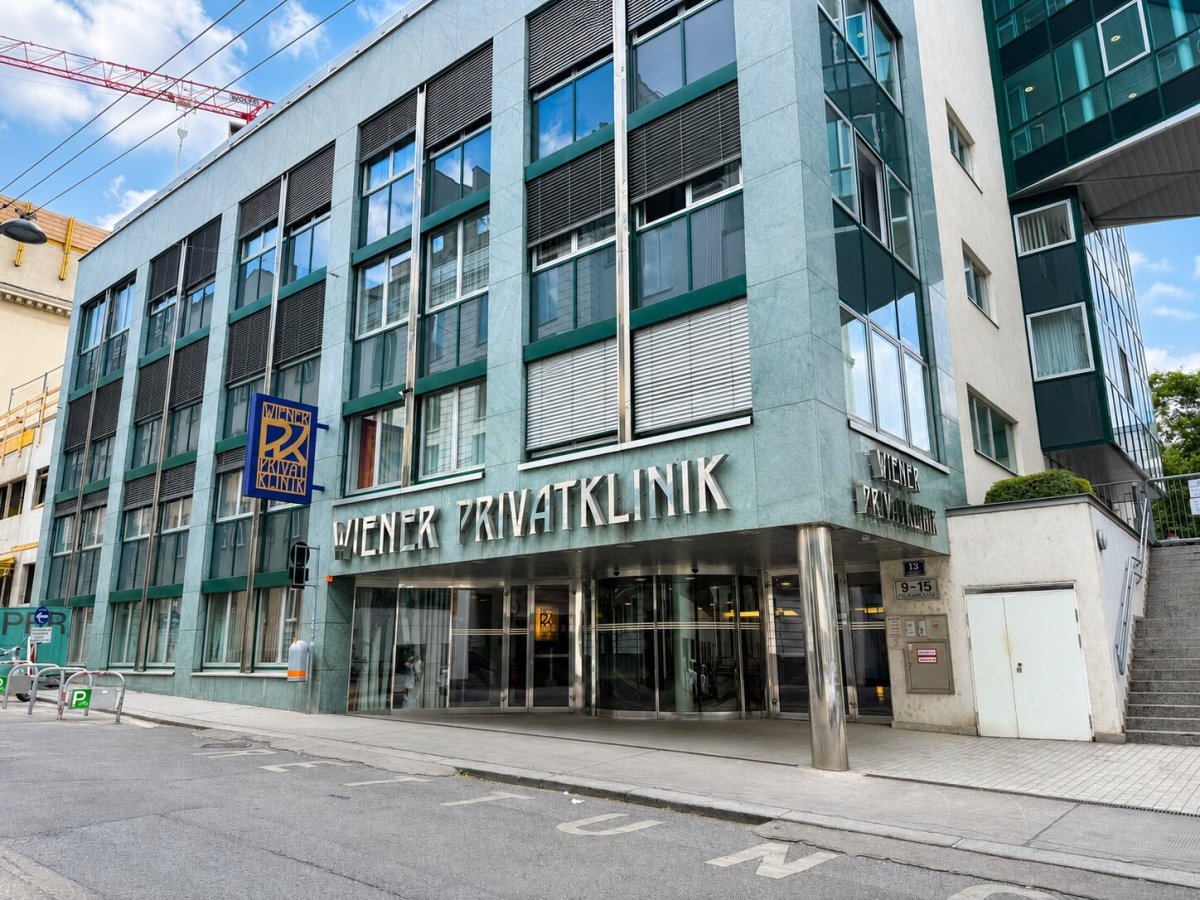
Descubra las mejores clínicas de tratamiento de Atresia anal en Austria: 1 opciones verificadas y Precios




Obtenga una evaluación médica para Atresia anal en Austria: consulte con doctores experimentados ahora
Ver todos los médicos
Harald Rosen
Especializado en cirugía endoscópica avanzada para trastornos digestivos, el Dr. Rosen ofrece tratamientos mínimamente invasivos en la Wiener Privatklinik.
- Décadas de experiencia en gastroenterología y medicina interna
- Experto en procedimientos endoscópicos diagnósticos y terapéuticos
- Maneja cánceres gastrointestinales complejos e intervenciones biliares
- Formación extensa en los principales hospitales de Viena
- Respetado por su precisión en métodos quirúrgicos endoscópicos

Sebastian Schoppmann
El Dr. Schoppmann dirige la Unidad de Tumores Gastroesofágicos en el Centro Oncológico Integral de Viena, combinando la precisión quirúrgica con la experiencia en oncología.
- Autor de más de 240 artículos especializados
- Jefe del Servicio de Tracto Gastrointestinal Superior en la Universidad Médica de Viena
- Secretario General de la Sociedad Austriaca de Oncología Quirúrgica
- Investigador principal del grupo de investigación del tracto gastrointestinal superior
- Profesor asociado de cirugía desde 2006
Compartir contenido
Historias en video de pacientes de Bookimed
 Olena Sikoza
Preguntas frecuentes sobre el tratamiento de Atresia anal en Austria
¿Qué técnicas quirúrgicas se utilizan para la restauración final?
La corrección definitiva de la atresia anal en Austria se realiza principalmente mediante anorrectoplastia sagital posterior (PSARP). Los cirujanos reposicionan con precisión el recto y cierran las fístulas para restaurar la función intestinal. Entre los procedimientos clave se incluye la anorrectoplastia laparoscópica como alternativa mínimamente invasiva para defectos complejos de alto grado.
- Anorrectoplastia sagital posterior: el estándar mundial para la reconstrucción del canal anal y el posicionamiento rectal.
- Cirugía plástica laparoscópica: una técnica mínimamente invasiva que reduce las cicatrices y acelera la recuperación en casos de malformaciones graves.
- Ligadura de fístula: Cierre quirúrgico meticuloso de las conexiones anormales entre el intestino y el tracto urinario.
- Anoplastia: Reconstrucción especializada de la atresia anal leve para crear una abertura anal funcional.
Opinión de expertos de Bookimed: Muchos cirujanos austriacos de renombre, que trabajan en centros como la Wiener Privatklinik, son profesores de la Universidad Médica de Viena. Estos especialistas suelen utilizar equipos endoscópicos de alta resolución y quirófanos modernos para cirugías reconstructivas. Elegir a un especialista como el Dr. Harald Rosen garantiza el acceso a tratamientos de vanguardia para enfermedades gastrointestinales complejas.
¿Qué clínicas y médicos especializados en Austria tratan la atresia anal?
En los principales centros médicos austriacos, los departamentos de cirugía pediátrica especializada brindan atención integral para la atresia anal. El tratamiento incluye cirugías reconstructivas complejas y la restauración a largo plazo de la función intestinal. Entre los centros clave se encuentran el Hospital Universitario de Graz, el Hospital General de Viena y el Hospital Privado de Viena. Equipos multidisciplinarios coordinan el tratamiento a través de redes internacionales de investigación de enfermedades raras.
- Hospital Universitario Graz: Clínica Gutes LeBeN, especializada en malformaciones congénitas y enfermedades raras.
- Clínica Privada de Viena: Ofrece atención multidisciplinar, donde el Dr. Harald Rosen se especializa en operaciones complejas del sistema digestivo.
- Hospital General de Viena: Aquí se realizan cirugías viscerales avanzadas bajo la dirección de especialistas como el Dr. Sebastian Schoppmann.
- Hospital Universitario Kepler: es un importante centro en Linz para el tratamiento de malformaciones gastrointestinales neonatales.
Opinión experta de Bookimed: Esta clínica privada con sede en Viena ofrece una combinación única de tradición y avances modernos. Fundada en 1871, mantiene estándares médicos reconocidos por la revista Newsweek. Con más de 400 médicos, ofrece una proporción excepcionalmente alta de médicos por
¿Cómo es el plan de tratamiento posparto inicial?
En Austria, el tratamiento inicial de la atresia anal comienza inmediatamente después del nacimiento. Durante las primeras 24-48 horas, los equipos neonatales priorizan la descompresión intestinal y el mapeo anatómico. Especialistas austriacos, como el profesor Harald Rosen de la Clínica Privada Wiener, utilizan métodos de diagnóstico avanzados para determinar si es necesaria una corrección primaria o una intervención quirúrgica por etapas.
- Fase de estabilización: En pocas horas, los médicos comienzan a administrar líquidos por vía intravenosa y a realizar la descompresión mediante una sonda nasogástrica.
- Mapeo anatómico: Los cirujanos realizan radiografías, ecografías y pruebas de detección de anomalías asociadas al síndrome VACTERL.
- Decisión sobre la intervención quirúrgica: en el caso de deformidades bajas, la corrección primaria puede realizarse en los primeros días.
- Enfoque gradual: En casos de malformaciones graves, a menudo se requiere una colostomía inicial para garantizar la eliminación segura de los desechos.
Opinión de expertos de Bookimed: Si bien el Hospital General de Viena (AKH) atiende un gran número de casos complejos, las clínicas privadas como la Wiener Privatklinik ofrecen acceso especializado a profesores de la Universidad Médica de Viena. La evidencia sugiere que elegir un centro con cirujanos como el profesor Sebast
¿Puede un niño recuperar el control normal de sus intestinos más adelante en la vida?
En Austria, los niños tratados por atresia anal suelen alcanzar la continencia social a mediados de la adolescencia. Si bien el 65 % experimenta una mejoría significativa en seis meses, el éxito depende del tipo de malformación. Los centros austriacos especializados ofrecen programas de manejo intestinal a largo plazo. Estos programas ayudan a los niños a llevar una vida diaria sin problemas mediante planes médicos estructurados.
- Tasas de éxito: Aproximadamente el 65% de los niños muestran una mejoría significativa en un plazo de 6 meses.
- Adolescencia: La mayoría de los niños dejan de ensuciarse la ropa accidentalmente a mediados de la adolescencia.
- Objetivos del control de la incontinencia: Los profesionales sanitarios se centran en mantener el control urinario en un entorno social para una vida diaria normal.
- Intervención precoz: El tratamiento proactivo evita que la enfermedad se vuelva crónica en adultos en el 25% de los casos.
Opinión de expertos de Bookimed: La calidad de vida a menudo depende de la especialización gastroenterológica de una clínica, no solo del número de cirugías realizadas. Wiener Privatklinik ofrece acceso a más de 400 médicos, incluyendo especialistas como el Dr. Harald Rosen, quien introdujo técnicas endoscópicas modernas en Austria. Elegir una clínica con departamentos de gastroenterología quirúrgica y de larga
¿Qué cuidados postoperatorios y ejercicios de estiramiento son necesarios?
En Austria, el cuidado postoperatorio de pacientes con atresia anal tiene como objetivo prevenir estenosis mediante la dilatación estructurada del recto. Durante esta etapa de recuperación, se preserva la abertura resultante y se garantiza una cicatrización estable de la herida. Los cirujanos pediátricos suelen iniciar la dilatación diaria con sondas médicas aproximadamente dos semanas después de la corrección quirúrgica.
- Protocolo de dilatación: El uso regular de dilatadores lubricados previene el estrechamiento del campo quirúrgico.
- Control de las heces: Los laxantes y los ajustes en la dieta pueden reducir la presión sobre las suturas internas.
- Cuidados de higiene: Las cremas protectoras y la limpieza frecuente protegen los tejidos sensibles de infecciones e irritaciones.
- Señales de alerta: Busque atención médica inmediata si tiene fiebre, secreción inusual o sangrado abundante.
Opinión de expertos de Bookimed: Viena cuenta con una gran concentración de especialistas altamente cualificados. Médicos como el Dr. Harald Rosen de la Clínica Privada de Viena y el Dr. Sebastian Schoppmann del Hospital General de Viena (AKH) prestan sus servicios en instituciones vinculadas a importantes proyectos de investigación académica. Esto garantiza que los protocolos postoperatorios se basen en los estándares más recientes en cirugía visceral. Los pad
¿Existen en Europa redes que puedan prestar asistencia en materia de atención sanitaria transfronteriza o para obtener segundas opiniones?
Las Redes Europeas de Derivación (ERN) facilitan la atención médica transfronteriza para afecciones raras como la atresia anal. Estas redes conectan centros especializados en hospitales de toda la UE. La atención especializada se proporciona a través de plataformas digitales seguras mientras los pacientes permanecen en sus hogares. Los médicos locales deben iniciar estas derivaciones oficiales para acceder a especialistas internacionales.
- Acceso por derivación: Solo los proveedores de atención médica locales pueden solicitar una consulta con la Red Europea de Referencia (ERN).
- La red comprende más de 1.600 centros que colaboran en el marco de 24 redes temáticas.
- Normas de reembolso: Los puntos de contacto nacionales explican los derechos que les corresponden en virtud de la Directiva Sanitaria de la UE.
- Seguridad de los datos: La infraestructura de MyHealth@EU garantiza el intercambio seguro de historiales y resúmenes médicos.
Opinión experta de Bookimed: Para casos complejos de cirugía pediátrica en Austria, los médicos afiliados a universidades ofrecen una ventaja significativa. Cirujanos especializados, como el Dr. Sebastian Schoppmann del Hospital General de Viena (AKH) o los profesores del Hospital Privado de Viena, suelen liderar equipos de investigación. Estos expertos tienen mayor probabilidad de participar en redes europeas ofici