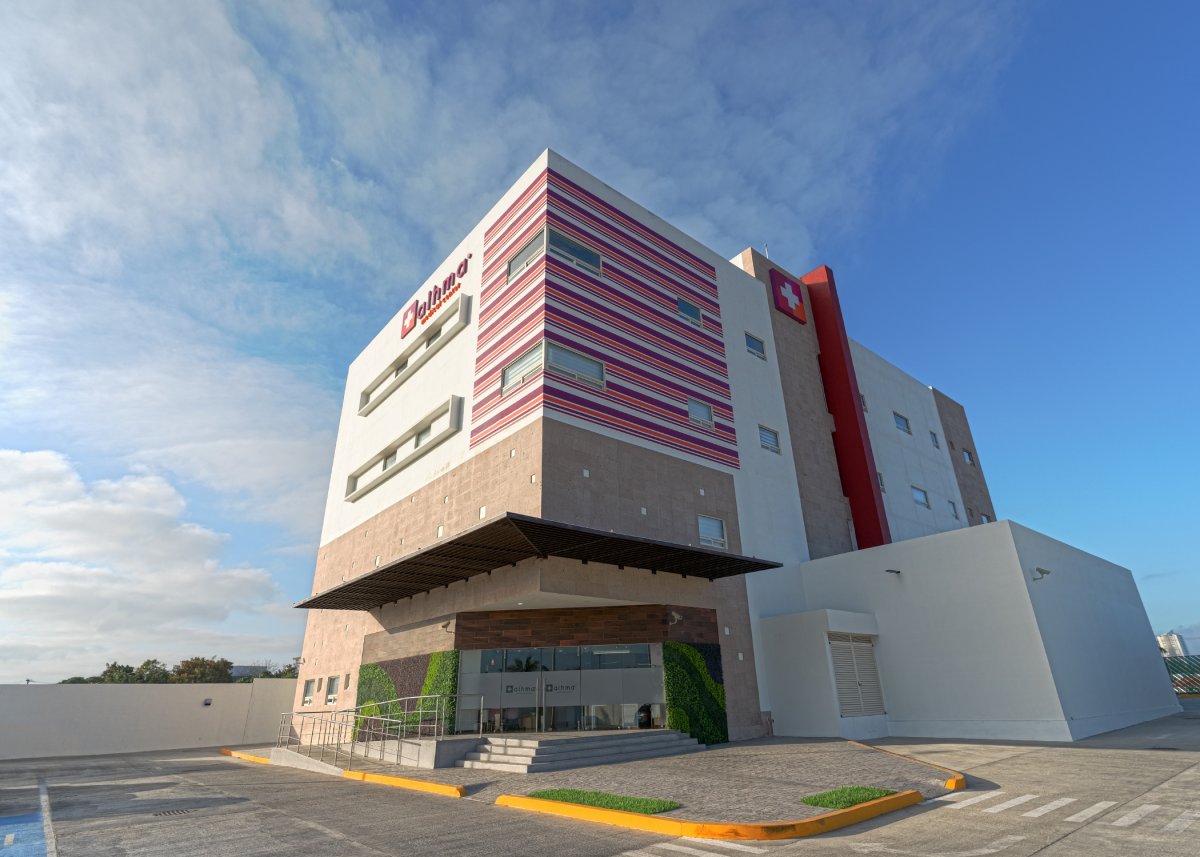
Advance Health Medical Center
México, Tijuana


Revisado médicamente por
Fahad Mawlood
Bookimed no añade cargos extra a los precios de los tratamientos de Atresia anal. Las tarifas proceden de las listas de precios oficiales de las clínicas. Pagará directamente en la clínica por su tratamiento a su llegada al país.
Bookimed está comprometido con su seguridad. Solo trabajamos con las clínicas que mantienen altos estándares internacionales en el tratamiento de Atresia anal y cuentan con las licencias necesarias para atender a pacientes internacionales en todo el mundo.
Bookimed ofrece asistencia experta gratuita. Un coordinador médico personal le apoya antes, durante y después de su tratamiento, resolviendo cualquier problema. Nunca estará solo en su viaje médico de tratamiento de Atresia anal.


Con más de 20 años de amplia experiencia clínica, el médico se especializa en cirugía general y oncológica. A lo largo de una carrera dedicada, el médico se ha centrado en proporcionar una atención quirúrgica integral, gestionar casos oncológicos complejos y realizar una amplia gama de procedimientos quirúrgicos generales con un compromiso hacia los resultados del paciente y la excelencia quirúrgica.
 Olena Sikoza
El tratamiento de la atresia anal en México sigue un protocolo internacional por etapas. Los cirujanos pediátricos priorizan la estabilización inicial antes de realizar una anorectoplastia sagital posterior (PSARP). Los centros de alto volumen en Ciudad de México y Mazatlán utilizan imágenes diagnósticas dentro de las 24 horas para identificar la complejidad de la malformación y las anomalías asociadas.
Perspectiva del experto de Bookimed: Aunque muchas clínicas mexicanas destacan en cirugía general, el éxito en la atresia anal depende de encontrar centros con 127 o más especialistas, como el Hospital Alhma. Nuestros datos muestran que los mejores centros de Mazatlán atienden a más de 6,500 pacientes al año porque centralizan la experiencia pediátrica. Elegir un centro que combine innovación con una estructura dedicada de 15 departamentos
Las evaluaciones preoperatorias para la atresia anal incluyen un examen físico e imágenes para definir la anatomía. Los médicos buscan anomalías de la asociación VACTERL mediante ecografías cardíacas, renales y de columna vertebral. Estas pruebas confirman si su hijo necesita una colostomía inmediata o una reparación en una sola etapa.
Opinión de expertos de Bookimed: México cuenta con más de 150 clínicas especializadas, como el Hospital Alhma, que trata a 6,500 pacientes al año. Los grandes hospitales privados suelen albergar 15 departamentos bajo un mismo techo. Esto permite a los cirujanos pediátricos consultar a cardiólogos y urólogos pocas horas después de un diagnóstico. El acceso multidisciplinario rápido es vital al realizar pruebas de detección de defectos cardíacos o renales VACTERL críticos para la vida.
Consenso de pacie
Los principales cirujanos colorrectales pediátricos en México se especializan en reconstrucciones anorrectales complejas. Expertos como el Dr. Luis De la Torre-Mondragon y el Dr. Jose Alejandro Ruiz Montanez operan en centros especializados en Puebla y Ciudad de México. Estos especialistas utilizan el protocolo de Anorrectoplastia Sagital Posterior (PSARP).
Perspectiva del experto de Bookimed: México se ha convertido en un líder regional en cirugía colorrectal pediátrica debido a la influencia de los programas de capacitación de la UNAM. Si bien muchas instalaciones privadas como el Hospital Alhma en Mazatlán atienden a más de 6,500 pacientes al año, los casos anorrectales complejos se manejan de manera más efectiva en Puebla. Estos equipos especializados priorizan el control intestinal a largo plazo a través de programas de manejo dedicados.
Las familias suelen quedarse de 7 a 14 días para la cirugía pediátrica de atresia anal en México. Los procedimientos intensivos pueden requerir varias semanas. Este plazo incluye evaluaciones preoperatorias y la recuperación inicial. Los cirujanos a menudo requieren monitorización local antes de autorizar a los niños para viajar en avión. Las estancias superiores a 180 días requieren visas de residencia temporal.
Perspectiva del experto de Bookimed: Si bien las clínicas pequeñas se centran en procedimientos individuales, las instalaciones de alta capacidad como el Hospital Alhma manejan 6,500 pacientes anualmente en 15 departamentos. Elegir un hospital de especialidades múltiples proporciona acceso local a servicios de imágenes y laboratorio pediátricos. Esta infraestructura a menudo acelera la fase de evaluación prequirúrgica en comparación con los centros más pequeños.
Consenso de los pacientes: Las
México ofrece programas integrales de manejo intestinal (BMP) para niños después de una cirugía de atresia anal. Los centros privados de cirugía pediátrica se especializan en Anorectoplastia Sagital Posterior (PSARP). Estos programas se enfocan en el estreñimiento y la incontinencia fecal utilizando laxantes estimulantes, desimpactación rectal y planes dietéticos para asegurar la continencia.
Perspectiva del experto de Bookimed: Si bien México cuenta con más de 150 clínicas en nuestra red, los mejores resultados para la atresia anal se encuentran en ciudades como la Ciudad de México o Mazatlán. Busque hospitales con 15 o más departamentos especializados. Esto garantiza que haya un equipo pediátrico colorrectal multidisciplinario disponible para el seguimiento a largo plazo después de la cirugía inicial.
Consenso de los pacientes:
La seguridad quirúrgica para neonatos involucra equipos multidisciplinarios y entornos especializados. Los estándares priorizan la estabilidad fisiológica, la regulación térmica avanzada y la monitorización continua. Los protocolos clave incluyen la anestesia pediátrica y el apoyo de la unidad de cuidados intensivos neonatales. Estas medidas garantizan el manejo seguro de condiciones congénitas complejas como la atresia anal.
Perspectiva del experto de Bookimed: La infraestructura médica mexicana para cirugías infantiles complejas se concentra en centros privados de alto volumen. El Hospital Alhma en Mazatlán trata aproximadamente a 6,500 pacientes anualmente en 15 departamentos especializados. Este volumen de pacientes suele correlacionarse con una mayor competencia quirúrgica en protocolos neonatales. Elegir ho
Los ciudadanos extranjeros reciben el mismo tratamiento médico fundamental que los ciudadanos mexicanos bajo protecciones constitucionales. Todas las personas gozan de los mismos derechos a la salud según el Artículo 1 de la Constitución Mexicana. Los estándares médicos siguen siendo idénticos en las clínicas privadas. El acceso privado prioriza el estado del seguro o el pago sobre la nacionalidad.
Opinión experta de Bookimed: El sistema de salud mexicano trata a los residentes extranjeros y ciudadanos a través de vías administrativas específicas. Los hospitales privados como Alhma utilizan los mismos 127 especialistas para residentes locales e internacionales. El factor determinante no es la nacionalidad, sino si accede al sector privado o público. Los grandes centros privados ofrecen 15 o más departamentos para manejar cirugías pediátricas compleja