Tratamiento de Atresia anal en España — obtenga 3 coincidencias personalizadas de clínicas


Revisado médicamente por
Fahad Mawlood
Cómo funciona
¿Cuál es el precio del diagnóstico y los tratamientos de Atresia anal en España? Descubra ahora
Descubra las mejores clínicas de tratamiento de Atresia anal en España: 2 opciones verificadas y Precios





Obtenga una evaluación médica para Atresia anal en España: consulte con doctores experimentados ahora
Ver todos los médicos
Xavier Centeno Fornies
El Dr. Centeno se formó en el departamento de cirugía colorrectal de la Clínica Mayo, líder mundial, y trabaja en el Centro Médico Teknon desde 1993.
- Especialista en cirugía gastrointestinal y colorrectal desde hace 32 años
- Completó formación avanzada en cirugía colorrectal laparoscópica en Estrasburgo
- Acreditado por la ERAS-Society para protocolos de recuperación mejorada
- Miembro de la Sociedad Americana de Cirujanos de Colon y Recto
Cesar Canales Bedoya
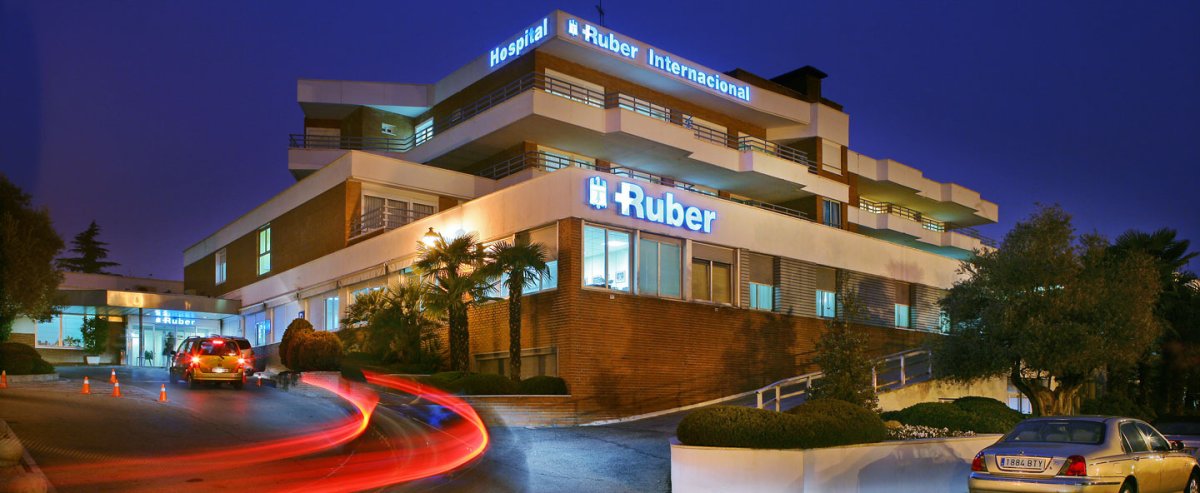
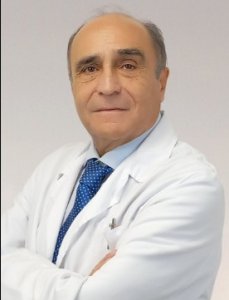
El Dr. César Canales dirige desde 2015 el Servicio de Cirugía General y del Aparato Digestivo y la Unidad de Cirugía Laparoscópica y Robótica del Hospital Ruber Internacional (Madrid). Es cirujano general y del aparato digestivo con más de 30 años de experiencia. Está especializado en cirugía laparoscópica y robótica Da Vinci para casos complejos abdominales, oncológicos y de la pared abdominal.
Doctor en Medicina (cum laude, UAM) y licenciado en Medicina (con honores, UCM). Completó l
Cesar Levano Linares
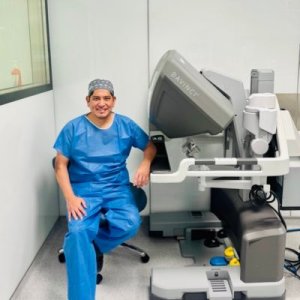
El Dr. César Lévano Linares es especialista en cirugía general y del aparato digestivo. Trabaja en el Hospital Universitario Rey Juan Carlos y en el Hospital Universitario Fundación Jiménez Díaz. Es reconocido por su labor en cirugía colorrectal laparoscópica.
Es doctor en Medicina y Cirugía por la Universidad Autónoma de Madrid. Completó un máster en cirugía colorrectal y del suelo pélvico en la Universidad de Zaragoza. Asimismo, posee un diploma en cirugía laparoscópica por la Univer
Compartir contenido
Historias en video de pacientes de Bookimed
 Olena Sikoza
Preguntas frecuentes sobre el tratamiento de Atresia anal en España
¿Qué implica habitualmente el tratamiento quirúrgico de la atresia anal?
El tratamiento quirúrgico de la atresia anal implica la reconstrucción de la abertura anal y la colocación del recto dentro de los músculos del esfínter. Los cirujanos también cierran las conexiones anormales llamadas fístulas. La complejidad determina si el procedimiento requiere una anoplastia de una sola etapa o un proceso de varias etapas que implique una colostomía temporal.
- Momento de la cirugía: Los defectos bajos a menudo permiten una anoplastia inmediata poco después del nacimiento.
- Enfoque por etapas: Los defectos altos suelen requerir una colostomía inicial para permitir un crecimiento seguro.
- Reparación definitiva: Los cirujanos realizan una anorectoplastia sagital posterior (PSARP) para crear la nueva abertura anal.
- Cuidados postoperatorios: Las dilataciones anales diarias son obligatorias durante varios meses para evitar el estrechamiento del tejido.
Opinión del experto de Bookimed: Aunque muchos centros ofrecen cirugía general, los niños con defectos complejos de tipo alto se benefician de especialistas como el Dr. Cesar Canales Bedoya en el Hospital Ruber Internacional. Aporta más de 30 años de experiencia en técnicas laparoscópicas y robóticas avanzadas. Los hospitales de gran volumen de Madrid, que atienden hasta 400.000 pacientes al año, brindan el apoyo multidisciplinario necesario para los problemas renales o espinales aso
¿Cómo se diagnostica la atresia anal en las clínicas españolas?
Las clínicas españolas diagnostican la atresia anal mediante exámenes físicos postnatales inmediatos complementados con protocolos de detección europeos. Los especialistas identifican aberturas anales ausentes o mal ubicadas durante los chequeos en la sala de partos. Utilizan invertogramas y ecografías perineales para clasificar la altura del defecto. Los centros siguen los estándares clínicos de la Red Europea de Referencia (ERN) eUROGEN.
- Inspección física: Los médicos revisan el perineo durante el primer examen obligatorio del recién nacido.
- Observación clínica: Los equipos monitorean la expulsión de meconio y la hinchazón abdominal dentro de las 24 horas.
- Mapeo por imagen: Los invertogramas y las ecografías miden la distancia entre el recto y la piel.
- Detección VACTERL: Protocolos especializados verifican anomalías cardíacas, espinales y renales de pies a cabeza.
Perspectiva del experto de Bookimed: España ocupa un lugar destacado en la coordinación de atención global con más de 80 clínicas disponibles. Centros líderes como el Hospital Ruber Internacional tratan tanto a adultos como a pacientes pediátricos. Esto es poco común, ya que la mayoría de los casos pediátricos requieren programas de transición específicos de la infancia a la edad adulta. Cirujanos expertos como el Dr. Cesar Canales Bedoya mantienen altos rankings en oncologí
¿Cuáles son los controles preoperatorios clave antes de la cirugía de atresia anal en España?
Los controles preoperatorios en España implican exámenes multisistémicos y mapeo anatómico para garantizar la seguridad quirúrgica. Los centros pediátricos españoles utilizan ecocardiogramas, ecografías renales e invertogramas para identificar anomalías asociadas antes de la corrección. Expertos como el Dr. Cesar Canales Bedoya en el Hospital Ruber Internacional supervisan estos complejos protocolos multidisciplinarios.
- Examen sistémico: Los ecocardiogramas y las ecografías renales descartan defectos cardíacos o renales potencialmente mortales.
- Exclusión de VACTERL: Las ecografías de columna y las radiografías de tórax descartan anomalías vertebrales y esofágicas.
- Mapeo anatómico: Las radiografías de invertograma después de 24 horas determinan con precisión la distancia entre el recto y la piel.
- Optimización quirúrgica: La tipificación sanguínea y los paneles de electrolitos preparan al bebé para la autorización de anestesia.
Perspectiva del experto de Bookimed: Los centros españoles como el Hospital Ruber Internacional integran experiencia quirúrgica especializada con estándares de seguridad acreditados por la JCI. El Dr. Cesar Canales Bedoya cuenta con más de 30 años de experiencia en cirugía digestiva compleja y sistemas robóticos. Elegir un centro con un alto volumen de pacientes y certificación JCI garantiza los protocolos de detec
¿Cómo pueden las familias elegir el mejor hospital español para una reparación anorrectal pediátrica?
Las familias que eligen hospitales españoles para una reparación anorrectal pediátrica deben priorizar los centros acreditados por la JCI que cuenten con equipos colorrectales multidisciplinarios. Los criterios clave incluyen la participación activa en el registro ARM-Net y capacidades de UCI neonatal de nivel III/IV. Seleccionar cirujanos con formación avanzada en laparoscopia garantiza una reconstrucción de alta precisión y un manejo intestinal a largo plazo.
- Participación en el registro: Confirme que el hospital contribuye a la red europea ARM-Net para el seguimiento de resultados.
- Atención multidisciplinaria: Los equipos deben integrar cirugía pediátrica, urología, gastroenterología y fisioterapia pélvica.
- Infraestructura especializada: Busque UCIN de nivel IV equipadas para protocolos complejos de anestesia neonatal.
- Manejo intestinal: Los centros eficaces brindan apoyo a largo plazo para la continencia fecal hasta la edad escolar.
Perspectiva del experto de Bookimed: Si bien el volumen pediátrico es alto en los centros de referencia públicos, las instalaciones privadas como el Hospital Ruber Internacional tratan a 25.000 pacientes al año con especialistas de élite. El Dr. César Canales Bedoya en Ruber cuenta con más de 30 años de experiencia y clasificaciones de primer nivel. Elegir a expertos tan reconocidos garantiza el acceso a
¿Qué incluyen los cuidados postoperatorios inmediatos y a largo plazo?
Los cuidados postoperatorios para la atresia anal en España implican una estabilización hospitalaria seguida de un programa de manejo intestinal de varios años. El seguimiento clínico se centra en la cicatrización de heridas y el control del dolor. Los cuidados a largo plazo priorizan la continencia intestinal mediante programas de dilatación dirigidos por especialistas, intervenciones dietéticas y el seguimiento de anomalías asociadas.
- Monitoreo hospitalario: Los equipos médicos rastrean los signos vitales, la tolerancia a la alimentación y la estabilidad del sitio quirúrgico.
- Manejo de heridas: Los especialistas inspeccionan las reparaciones en busca de hinchazón, sangrado o signos tempranos de infección.
- Dilataciones anales: Las familias siguen horarios estrictos para prevenir el estrechamiento en el sitio de la reparación quirúrgica.
- Manejo intestinal: Los planes a largo plazo incluyen ablandadores de heces, laxantes y fibra para controlar el estreñimiento.
Perspectiva de expertos de Bookimed: Centros españoles como el Hospital Ruber Internacional ofrecen atención pediátrica especializada con médicos de primer nivel como el Dr. Cesar Canales Bedoya. El éxito en estos centros de alto volumen está ligado a equipos integrados. Combinan la cirugía colorrectal con la gastroenterología y la urología. Este enfoque es vital, ya que muchos n
¿Están disponibles los principales cirujanos pediátricos en España para la evaluación en línea de casos de atresia anal?
Los principales cirujanos pediátricos en España ofrecen evaluaciones en línea para la atresia anal a través de portales dedicados a segundas opiniones. Clínicas como SJD Barcelona y el Centro Médico Teknon ofrecen revisiones remotas. Estas consultas utilizan registros neonatales e imágenes para determinar estrategias quirúrgicas como la anorectoplastia sagital posterior (PSARP).
- Portales médicos expertos: SJD Barcelona y Quironsalud proporcionan canales seguros para la presentación internacional de documentos.
- Revisión de la estrategia quirúrgica: Los especialistas evalúan la complejidad del caso para recomendar planes de reconstrucción en una o varias etapas.
- Plazo de respuesta: Los centros líderes a menudo garantizan una respuesta remota en un plazo de 48 horas para estos casos.
- Diagnóstico integral: Los cirujanos analizan invertogramas de alta resolución, resonancias magnéticas pélvicas y colostogramas distales para las evaluaciones.
- Coordinación multidisciplinaria: Las evaluaciones incluyen el cribado de anomalías congénitas cardíacas, espinales y urológicas asociadas.
Perspectiva del experto de Bookimed: España ocupa un lugar destacado en cirugía pediátrica compleja debido a sus equipos multidisciplinarios especializados. El Dr. Xavier Centeno Fornies en el Centro Médico Teknon es un ejemplo de ello, con f