Tratamiento de Miastenia en Austria — obtenga 3 coincidencias personalizadas de clínicas


Revisado médicamente por
Fahad Mawlood
Cómo funciona
¿Cuál es el precio del diagnóstico y los tratamientos de Miastenia en Austria? Descubra ahora
El costo del tratamiento de la miastenia en Austria generalmente incluye servicios de diagnóstico esenciales como una consulta con un neurólogo, que oscila entre $150 y $300. Los pacientes también pueden requerir un análisis de sangre extendido que varía de $150 a $400. Los gastos totales dependen de la etapa clínica, la necesidad de una timectomía y los protocolos de medicación elegidos. El tratamiento en Austria ofrece aproximadamente un 20-30% de ahorro en comparación con los EE. UU. Viena sigue siendo el principal destino para la atención neurológica.
Costos típicos del tratamiento de la miastenia en Austria
- Consulta con un neurólogo: $150 – $300
- Análisis de sangre extendido: $150 – $400
- ECG: de $60
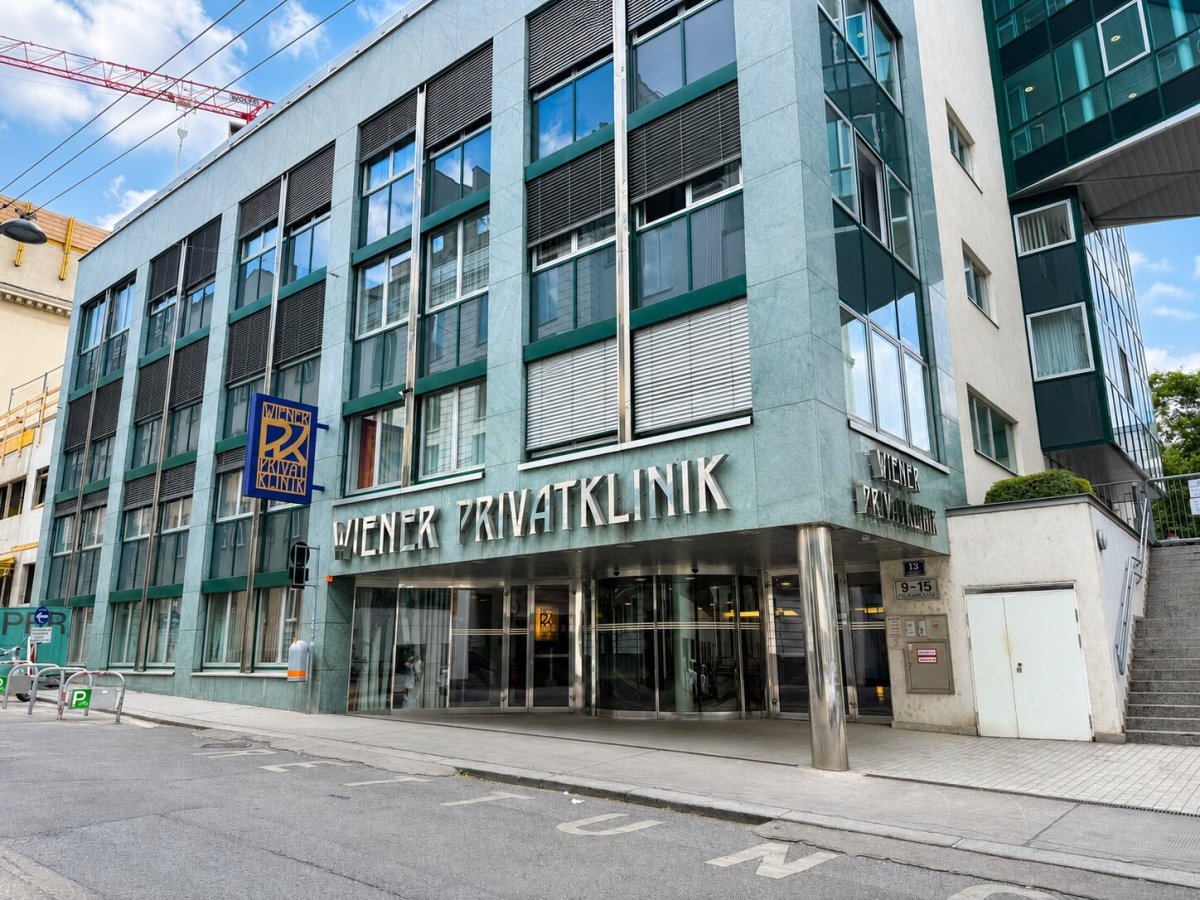
Perspectiva de los expertos de Bookimed: Los pacientes que buscan diagnósticos de alta precisión se benefician de los centros afiliados a la universidad en Viena. El Hospital General de Viena (AKH) atiende a más de 595,000 pacientes anualmente con 1,600 médicos especializados. Para aquellos que priorizan la atención personalizada, Wiener Privatklinik emplea a muchos profesores de la Universidad Médica de Viena. Esta clínica es reconocida entre los mejores hospitales del mundo por Newsweek. Sus 30 departamentos especializados aseguran una gestión multidisciplinaria para condiciones neurológicas complejas.
| Austria | España | Turquía | |
|---|---|---|---|
| Plasmaféresis | ≈ $2,000 | de $12,200 | de $3,200 |
| Intercambio de plasma | ≈ $3,800 | ≈ $2,400 | ≈ $3,900 |
| Aféresis terapéutica | ≈ $1,800 | ≈ $1,400 | de $4,500 |
| Aféresis selectiva | ≈ $1,800 | ≈ $1,800 | ≈ $1,600 |
Descubra las mejores clínicas de tratamiento de Miastenia en Austria: 2 opciones verificadas y Precios







Reseñas
Todas las reseñasCompartir contenido
Historias en video de pacientes de Bookimed
 Olena Sikoza
Preguntas frecuentes sobre el tratamiento de Miastenia en Austria
¿Qué normas de seguridad se observan en los hospitales austriacos al realizar cirugías para la miastenia gravis?
Los hospitales austriacos se rigen por la Ley Austriaca de Calidad Sanitaria (GQG), que establece estrictas estrategias federales de seguridad. Asimismo, las instituciones médicas siguen las recomendaciones de la Sociedad Europea de Cirujanos Torácicos. Estos protocolos garantizan la estabilidad clínica antes de la cirugía, estabilizando a los pacientes y reduciendo los riesgos.
- Control de calidad: Los hospitales utilizan indicadores de calidad para pacientes hospitalizados (A-IQI) para evaluar los procedimientos quirúrgicos.
- Seguridad anestésica: Los especialistas evitan el uso de ciertos relajantes musculares para prevenir problemas respiratorios.
- Seguimiento neuromuscular: La monitorización mediante estimulación cuádruple confirma una respuesta muscular segura antes de la extubación.
- Técnicas mínimamente invasivas: Los cirujanos utilizan técnicas asistidas por vídeo o por robot para reducir la pérdida de sangre.
Opinión experta de Bookimed: La acreditación del Hospital General de Viena (AKH) y de la Clínica Privada de Viena (Wiener Privatklinik) demuestra su compromiso con las normas ISO. Estas clínicas cuentan con profesores universitarios especializados en el tratamiento de enfermedades neuromusculares complejas. Este alto nivel de especialización garantiza que los cirujanos comprendan las causas de las crisis postoperatorias. Elegir
¿Qué experiencia tienen los cirujanos austriacos en la realización de timectomías para la miastenia gravis?
Los cirujanos austriacos cuentan con una dilatada experiencia en la realización de timectomías para la miastenia gravis en centros médicos universitarios. Los especialistas más destacados utilizan técnicas robóticas y llevan más de 15 años realizando estas intervenciones. Centros como el Hospital General de Viena (AKH) cuentan con más de 30 años de experiencia en el tratamiento de esta enfermedad.
- Experiencia en cirugía robótica: Los cirujanos llevan utilizando el sistema da Vinci desde hace más de 15 años.
- Respuesta clínica: Aproximadamente el 72% de los pacientes logran la remisión clínica o síntomas mínimos después de la cirugía.
- Tiempo de recuperación: Los procedimientos mínimamente invasivos generalmente requieren solo 4 días de hospitalización.
- Liderazgo en cirugía: El profesor Walter Klepetko, de la Clínica Privada Wiener, es un pionero mundial en el campo de la cirugía torácica.
Opinión experta de Bookimed: La fortaleza de la cirugía torácica austriaca radica en su alta densidad de médicos y su desarrollada infraestructura académica. La clínica privada Wiener Privatklinik emplea a más de 400 médicos, muchos de los cuales son profesores de la Universidad Médica de Viena. Esto garantiza que incluso los pacientes privados reciban tratamiento quirúrgico de expertos que dirigen importantes programas de investigación universitaria.
<¿Qué técnicas se utilizan para la timectomía en Austria y cuál se elegirá en mi caso?
Los cirujanos torácicos austriacos utilizan principalmente la cirugía toracoscópica robótica (RATS) o la toracoscópica videoasistida (VATS) para tratar la miastenia gravis. Estas técnicas mínimamente invasivas implican pequeñas incisiones. La elección de la técnica depende del tamaño del timo, las cirugías torácicas previas y el estadio de la enfermedad para garantizar la extirpación completa del tejido.
- Cirugía robótica: Los cirujanos utilizan el sistema da Vinci para la visualización en 3D y el corte preciso de tejidos.
- Abordaje toracoscópico: Las técnicas videoasistidas (VATS) utilizan cámaras e instrumentos especializados que se insertan a través de pequeñas incisiones laterales.
- Esternotomía media: Este abordaje abierto se utiliza para tumores grandes que afectan a los vasos sanguíneos cercanos.
- Preparación para el diagnóstico: La preparación incluye una consulta con un neurólogo, un electrocardiograma y un análisis de sangre exhaustivo.
Opinión de expertos de Bookimed: Los pacientes en Viena suelen beneficiarse de la estrecha colaboración entre clínicas privadas e investigación académica. Por ejemplo, muchos de los más de 400 médicos de la Clínica Privada de Viena son también profesores de la Universidad Médica de Viena. Esta conexión garantiza que, incluso en una clínica privada, su plan quirúrgico se ajuste a las últimas investiga
¿Cuánto tiempo tendré que permanecer en Austria para la exploración y la cirugía?
En Austria, los pacientes que se han sometido a cirugía por miastenia gravis suelen requerir entre 10 y 21 días de recuperación. Esto incluye de 3 a 5 días para la exploración neurológica y las pruebas diagnósticas. La hospitalización suele durar de 4 a 7 días. Los cirujanos recomiendan 7 días adicionales de observación para detectar posibles crisis miasténicas postoperatorias.
- Examen preoperatorio: Las pruebas diagnósticas incluyen electrocardiograma, análisis de sangre y consulta con un neurólogo.
- Duración del diagnóstico: un examen completo y una gammagrafía de función pulmonar duran entre 3 y 10 días.
- Tratamiento quirúrgico: En Viena, la hospitalización en la unidad de cuidados intensivos suele durar de 5 a 7 días.
- Periodo de recuperación: Los cirujanos recomiendan esperar de 10 a 14 días después de la cirugía para estabilizar la condición antes de volar.
Opinión de un experto de Bookimed: La coordinación profesional acorta significativamente la fase de diagnóstico en centros importantes como el Hospital General de Viena (AKH). Si bien el hospital atiende a más de 595 000 pacientes al año, los viajes internacionales programados permiten reducir el periodo de examen de 12 días a tan solo cinco. Esta eficiencia es crucial para que los pacientes con miastenia eviten el agotamiento físico antes de la cirugía.
Comentarios de
¿Qué ciudades austriacas son las mejores para el tratamiento de la miastenia y qué tipo de apoyo lingüístico está disponible?
Viena es el principal centro para el tratamiento de la miastenia en Austria. La ciudad alberga centros neuromusculares especializados en hospitales universitarios. Las clínicas ofrecen tratamientos de vanguardia, como la aféresis selectiva y la plasmaféresis. El personal médico de las instituciones privadas y académicas brinda apoyo integral a los pacientes internacionales en inglés.
- Centros especializados: El Hospital Municipal de Viena (AKH) cuenta con un centro especializado para el tratamiento de enfermedades neuromusculares.
- Asistencia lingüística: El personal de la clínica privada Wiener Privatklinik ofrece atención médica en un entorno multilingüe.
- Diagnóstico moderno: las instituciones médicas utilizan análisis de sangre avanzados y electrocardiogramas para determinar con precisión la etapa de la enfermedad.
- Disponibilidad de tratamiento: Los grandes hospitales, como el Hospital General de Viena, atienden a más de 595.000 pacientes al año.
Opinión de expertos de Bookimed: Los pacientes que buscan atención especializada deben tener en cuenta que la Clínica Privada de Viena cuenta con más de 400 médicos. Muchos de ellos son también profesores de la Universidad Médica de Viena. Esta estructura permite a los pacientes acceder a conocimientos especializados de alto nivel en un entorno privado. Combina investigación neurológica de calid
¿Qué documentos médicos necesito presentar para la exploración preoperatoria por miastenia gravis en Austria?
La evaluación preoperatoria de la miastenia gravis en Austria requiere documentación neurológica y respiratoria especializada. Es necesario un informe neurológico reciente, que incluya la clasificación de la Fundación Americana de Miastenia Gravis. Los resultados recientes de las pruebas de función pulmonar y de anticuerpos son obligatorios para una planificación anestésica segura en centros como la Clínica Privada de Viena.
- Informe neurológico: Estabilidad actual de la enfermedad y clasificación clínica de la miastenia gravis según la clasificación de la Fundación de Miastenia Gravis de América.
- Pruebas respiratorias: capacidad vital forzada y curvas flujo-volumen para predecir las necesidades de ventilación postoperatoria.
- Lista de medicamentos actuales: Dosis detalladas de piridostigmina y de cualquier inmunosupresor, incluyendo información sobre su uso reciente.
- Examen cardiológico: resultados recientes del electrocardiograma, ya que algunas clínicas requieren datos de referencia sobre la función cardíaca.
Opinión de expertos de Bookimed: Los centros académicos, como el Hospital General de Viena, tienen requisitos de documentación más estrictos debido al elevado volumen de pacientes. Si bien algunas clínicas privadas aceptan informes en inglés, traducir los resultados de las pruebas de función pulmonar al alemán ayuda a evitar demoras
¿Cuáles son los resultados típicos a largo plazo tras una timectomía realizada en Austria?
Los resultados a largo plazo en Austria muestran una tasa de respuesta clínica inicial del 72 % en pacientes con miastenia gravis. La mitad de los pacientes mantienen una mejoría sostenida durante siete años, y muchos experimentan una reducción significativa de los síntomas. Los centros austriacos informan de una supervivencia perioperatoria del 100 % y una alta eficacia con técnicas robóticas mínimamente invasivas.
- Tasas de éxito: Aproximadamente el 72% de los pacientes logran la remisión inicial o manifestaciones mínimas de la enfermedad.
- Estabilidad a largo plazo: Aproximadamente el 36% de todos los pacientes mantienen una respuesta sostenida al tratamiento sin recaídas.
- Seguridad de la cirugía: Grupos de pacientes austriacos especializados informan de una tasa de supervivencia del 100 % tras este procedimiento.
- Velocidad de recuperación: La cirugía toracoscópica videoasistida mínimamente invasiva o la cirugía robótica pueden reducir la duración de la estancia hospitalaria.
- Marcador pronóstico: Una disminución rápida de los niveles de anticuerpos después de la cirugía es un fuerte predictor de una respuesta positiva a largo plazo.
Opinión de expertos de Bookimed: La conexión entre las clínicas privadas austriacas y la investigación universitaria representa una gran ventaja. En la Wiener Privatklinik, muchos de