Miastenia Tratamiento en India — Costos 2026


Revisado médicamente por
Fahad Mawlood
¿Cuál es el precio del diagnóstico y los tratamientos de Miastenia en India? Descubra ahora
| India | España | Turquía | |
|---|---|---|---|
| Plasmaféresis | ≈ $1,100 | de $12,300 | de $3,200 |
| Intercambio de plasma | ≈ $1,800 | ≈ $2,400 | ≈ $3,900 |
| Aféresis terapéutica | ≈ $900 | ≈ $1,400 | de $4,500 |
| Aféresis selectiva | ≈ $900 | ≈ $1,800 | ≈ $1,600 |
Sus beneficios y garantías con Bookimed
Precios directos
Bookimed no añade cargos extra a los precios de los tratamientos de Miastenia. Las tarifas proceden de las listas de precios oficiales de las clínicas. Pagará directamente en la clínica por su tratamiento a su llegada al país.
Sólo clínicas y médicos verificados
Bookimed está comprometido con su seguridad. Solo trabajamos con las clínicas que mantienen altos estándares internacionales en el tratamiento de Miastenia y cuentan con las licencias necesarias para atender a pacientes internacionales en todo el mundo.
Asistencia 24/7 gratuita
Bookimed ofrece asistencia experta gratuita. Un coordinador médico personal le apoya antes, durante y después de su tratamiento, resolviendo cualquier problema. Nunca estará solo en su viaje médico de tratamiento de Miastenia.

Su coordinador médico personal de Bookimed
- Le apoya en cada etapa
- Ayuda a elegir la clínica y el médico adecuados
- Asegura un acceso rápido y conveniente a la información
Descubra las mejores clínicas de tratamiento de Miastenia en India: 6 opciones verificadas y Precios






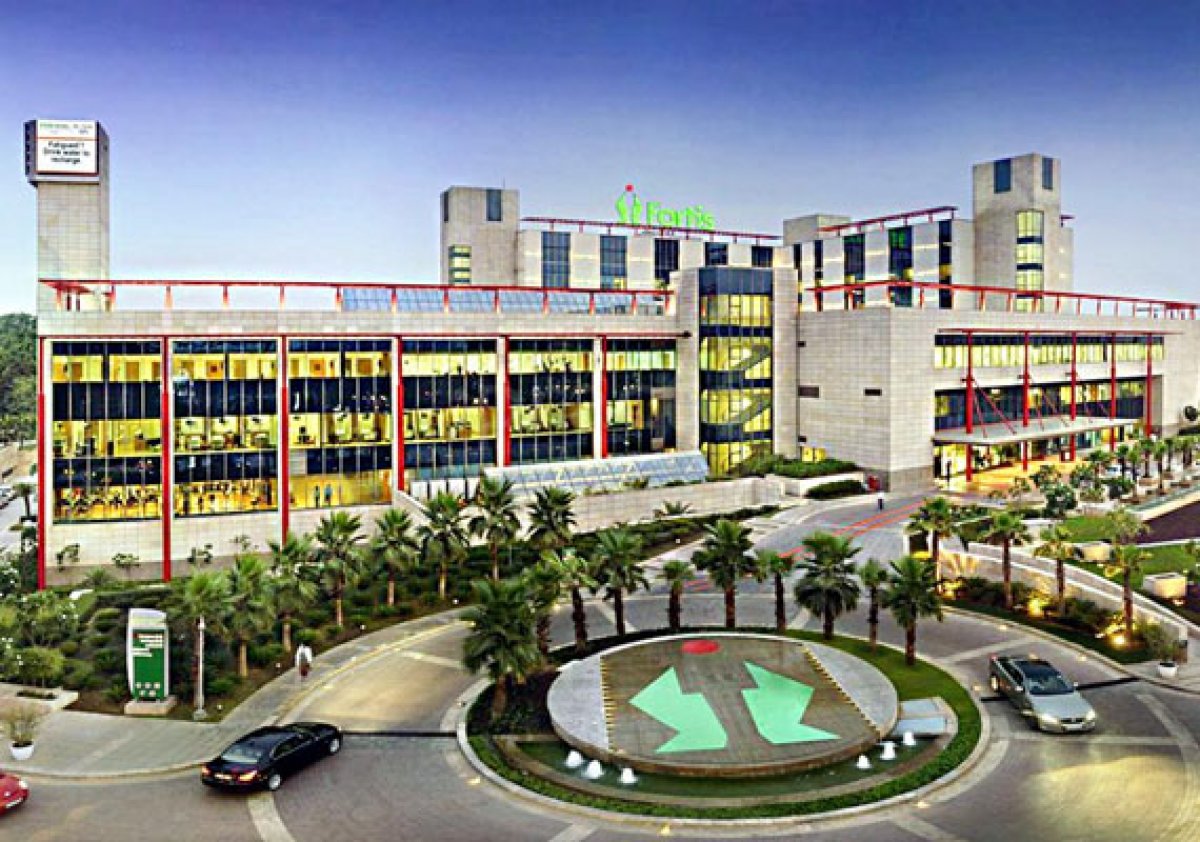
Instituto de Investigación Fortis Memorial
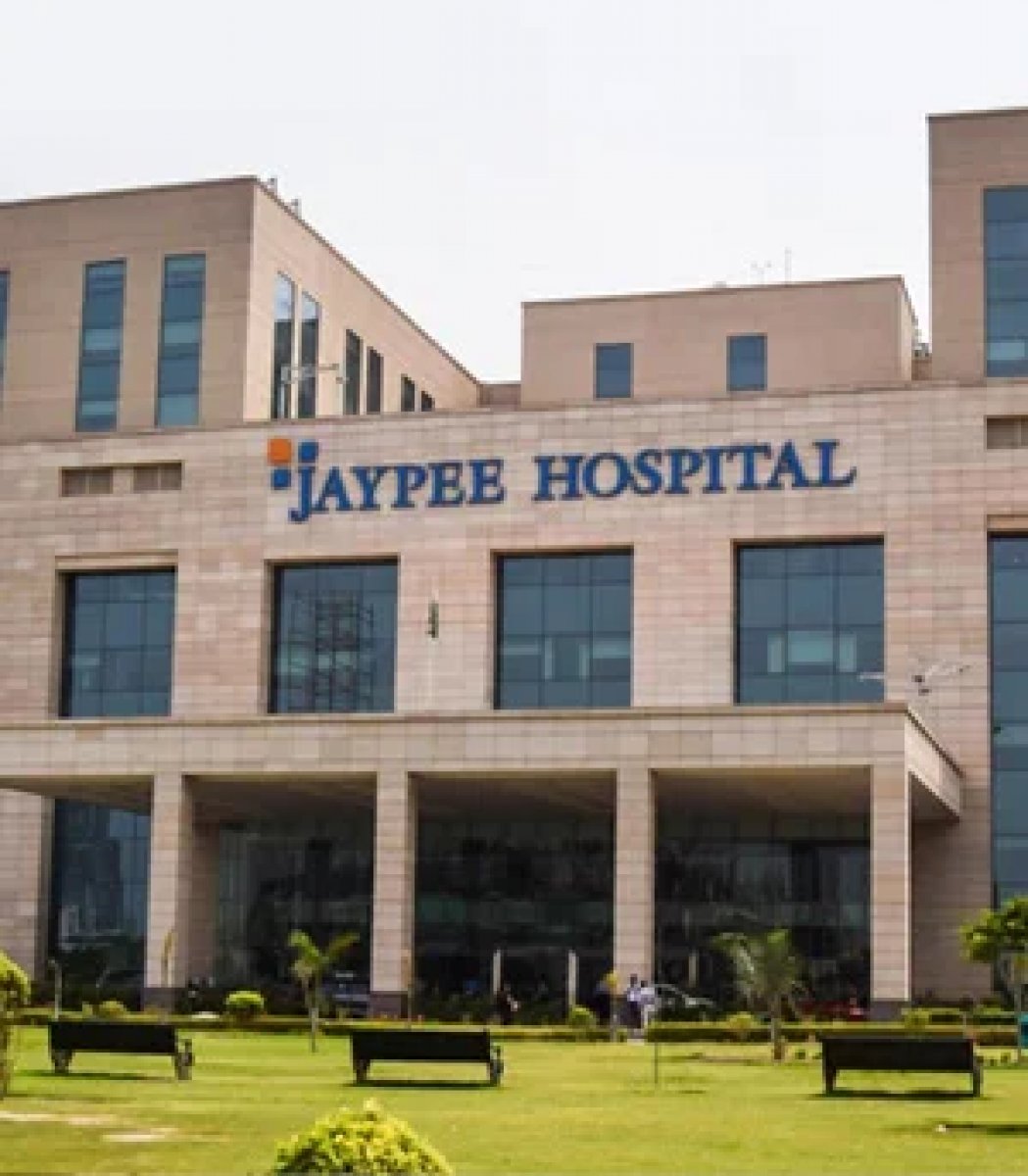
Jaypee Hospital



Compartir contenido
Historias en video de pacientes de Bookimed
 Olena Sikoza
Preguntas frecuentes sobre el tratamiento de Miastenia en India
¿Cuáles son las principales opciones de tratamiento para la miastenia gravis en la India?
El tratamiento de la miastenia gravis en la India se centra en un manejo multimodal a través de inhibidores de la colinesterasa, inmunosupresores y aféresis avanzada. Hospitales acreditados como Manipal y Medanta utilizan la timectomía asistida por robot para lograr una remisión a largo plazo. Los departamentos de neurología especializados combinan genéricos indios con anticuerpos monoclonales para controlar tanto los síntomas crónicos como las crisis agudas.
- Alivio sintomático: La piridostigmina sigue siendo el medicamento de primera línea para mejorar la comunicación nervio-músculo.
- Terapia de mantenimiento: Los corticosteroides y los inmunosupresores como la azatioprina controlan la respuesta autoinmune subyacente.
- Manejo de crisis: El intercambio de plasma y la IVIg proporcionan una estabilización rápida durante los brotes graves.
- Intervención quirúrgica: La timectomía mínimamente invasiva es el estándar para pacientes con timoma o MG generalizada.
Perspectiva de expertos de Bookimed: Los datos sobre el volumen de pacientes destacan a la India como un centro mundial de neurociencias. Solo los hospitales Manipal tratan a 2.000.000 de pacientes al año en toda su red. Este alto volumen permite a los cirujanos dominar los procedimientos asistidos por robot. Estas técnicas reducen significativamente las estancias hospitalarias para los p
¿Está disponible la timectomía y qué enfoque se utiliza?
La timectomía está ampliamente disponible en la India para el tratamiento de la miastenia gravis y los timomas. Los cirujanos utilizan sistemas avanzados asistidos por robot y cirugía torácica videoasistida (VATS) en los principales centros médicos. Estas técnicas mínimamente invasivas reducen significativamente los tiempos de recuperación y el trauma físico en comparación con la cirugía abierta tradicional.
- Enfoque robótico: Utiliza el sistema da Vinci para una extirpación precisa a través de pequeñas incisiones laterales.
- Técnica VATS: Emplea una cámara e instrumentos delgados para evitar la apertura del esternón.
- Cirugía abierta: Reservada para tumores grandes que requieren una incisión vertical en el centro del pecho.
- Tiempo de recuperación: Los pacientes sometidos a procedimientos mínimamente invasivos a menudo retoman sus actividades en aproximadamente 2 semanas.
Perspectiva del experto de Bookimed: Los pacientes deben priorizar instalaciones como el Fortis Memorial Research Institute o el Jaypee Hospital porque mantienen alas dedicadas a la cirugía robótica. Nuestros datos muestran que estas grandes cadenas indias realizan a menudo más de 15 000 procedimientos quirúrgicos al año. Este alto volumen garantiza que los equipos quirúrgicos se mantengan actualizados con los últimos protocolos robóticos para casos mediastínicos complejo
¿Qué hospitales en la India están reconocidos para el tratamiento de la miastenia gravis?
La India ofrece atención avanzada para la miastenia gravis en hospitales multiespecializados acreditados por la JCI y la NABH. Centros como Manipal Hospitals y Medanta ofrecen clínicas neuromusculares especializadas. Estas instalaciones utilizan herramientas de diagnóstico como EMG de fibra única y tomografías computarizadas para gestionar eficazmente las enfermedades autoinmunes y los timomas.
- Instalaciones especializadas: Manipal Hospitals opera una Clínica Neuromuscular dedicada centrada en la atención multidisciplinaria.
- Diagnóstico experto: El Hospital Medanta utiliza neuroimagen avanzada y protocolos basados en la investigación para casos complejos.
- Excelencia quirúrgica: El Fortis Memorial Research Institute se centra en las neurociencias y los procedimientos quirúrgicos de timectomía.
- Estándares de calidad: El Global Hospital Chennai mantiene la acreditación NABH y el reconocimiento de Newsweek por su calidad internacional.
Perspectiva del experto de Bookimed: Aunque muchos buscan tratamientos específicos, el volumen de pacientes de una clínica es un indicador clave de fiabilidad en la India. Manipal Hospitals atiende a 2.000.000 de pacientes al año y cuenta con 1.900 médicos. Este alto volumen en sus 15 hospitales sugiere una infraestructura profunda para gestionar crisis autoinmunes raras que podrían faltar en centros más pequ
¿Quiénes son algunos neurólogos experimentados en el manejo de la MG en la India?
La India cuenta con neurólogos altamente experimentados especializados en el manejo de la miastenia gravis en centros médicos acreditados. Estos expertos brindan atención avanzada, que incluye plasmaféresis y terapia inmunosupresora dirigida. La mayoría de los especialistas cuentan con más de 20 años de experiencia en instalaciones acreditadas por JCI o NABH en Delhi, Mumbai y Bangalore.
- Dr. Vinay Goyal: Con sede en Medanta, Gurgaon, especializado en manejo clínico integral y timectomía.
- Dr. Joy Dev Mukherji: Presidente de Neurología en Max Super Speciality con más de 30 años de experiencia.
- Dr. Sumit Singh: Jefe de Neurología en el Artemis Hospital con más de 20 años de experiencia en el área neuromuscular.
- Dr. Praveen Gupta: Director principal en Fortis Memorial con más de 20 años de experiencia en neurología clínica.
Perspectiva del experto de Bookimed: Aunque muchos buscan nombres individuales, la verdadera ventaja en la India se encuentra en centros de atención cuaternaria como Fortis Memorial o Medanta. Estas instalaciones integran la neurología con cuidados intensivos avanzados para el manejo de crisis. Esto es vital porque la miastenia gravis a menudo requiere acceso repentino a aféresis de alta gama o monitoreo especializado en UCI.
Consenso de los pacientes: Los pacientes enfatizan la necesidad de espec
¿Cuál es el plazo típico de recuperación tras una timectomía?
El plazo de recuperación tras una timectomía suele oscilar entre 2 y 8 semanas para la mayoría de los pacientes. La velocidad de recuperación depende del método quirúrgico. Los procedimientos mínimamente invasivos robóticos o VATS permiten una curación más rápida. Las actividades físicas importantes suelen reanudarse después de 3 meses en cirugías abiertas.
- Estancia hospitalaria: La cirugía mínimamente invasiva a menudo requiere solo una estancia de 1 a 3 días.
- Reanudación de actividades: Los pacientes suelen volver a conducir y realizar trabajos ligeros en un plazo de 2 semanas.
- Levantamiento de peso: Las tareas extenuantes están restringidas durante 6 semanas a 3 meses después de la operación.
- Mejora de los síntomas de la MG: Los beneficios clínicos o la remisión completa pueden tardar desde varios meses hasta 4 años.
Perspectiva de expertos de Bookimed: Centros indios como el Fortis Memorial Research Institute y el Jaypee Hospital utilizan cirugía robótica para acortar la recuperación. Los datos muestran que los centros de alto volumen que realizan miles de procedimientos al año a menudo dan el alta a los pacientes 24 horas antes. Elegir estos centros reduce el tiempo dedicado a las fases de monitorización aguda.
Consenso de los pacientes: Los pacientes encuentran que la debilidad persiste incluso después de q
¿Se ofrece el trasplante de células madre hematopoyéticas para la miastenia gravis refractaria en la India?
El trasplante de células madre hematopoyéticas se ofrece para la miastenia gravis refractaria en la India en centros especializados de atención cuaternaria. Instalaciones como el Global Hospital Chennai y el Fortis Memorial Research Institute realizan trasplantes autólogos. Estos procedimientos reinician el sistema inmunológico para los pacientes que no responden a las terapias estándar. El éxito depende de la coordinación multidisciplinaria entre neurología y hematología.
- Técnica disponible: TCH autólogo que recolecta las propias células madre sanas del paciente para su reinfusión.
- Objetivo del tratamiento: Reiniciar el sistema inmunológico para lograr una remisión a largo plazo sin medicamentos para los pacientes.
- Criterios principales: Reservado para casos refractarios donde los esteroides y los inmunosupresores han fallado significativamente.
- Estándares de las instalaciones: Los procedimientos se realizan en instalaciones con acreditación NABH y unidades avanzadas de médula ósea.
Perspectiva del experto de Bookimed: Aunque la India cuenta con importantes centros de trasplante como el Global Hospital Chennai, que atiende a 80.000 pacientes al año, el TCH para la miastenia gravis sigue siendo altamente especializado. Nuestros datos muestran que los mejores hospitales indios a menudo requieren una junta multidisciplinaria dirigida por
¿Qué puntos clave debo discutir con mi neurólogo antes de comenzar el tratamiento?
Discuta la cronología específica de sus síntomas y su historial médico para confirmar un diagnóstico de miastenia. Revise los beneficios del tratamiento y los efectos secundarios a largo plazo con su neurólogo. Aborde los impactos en la vida diaria y reconozca las señales de emergencia. Esto ayuda a adaptar un plan en instalaciones indias acreditadas como Manipal Hospitals o Medanta.
- Confirmación diagnóstica: Solicite tomografías computarizadas de tórax y títulos de anticuerpos anti-AChR para descartar un timoma.
- Riesgos del tratamiento: Discuta el posible aumento de peso o cambios en el azúcar en sangre antes de comenzar las terapias con esteroides.
- Planificación de crisis: Cree un plan escrito para el acceso a IVIG y lleve una tarjeta de alerta.
- Calidad de los medicamentos: Verifique la marca específica de piridostigmina para garantizar una potencia constante del fármaco.
Perspectiva de expertos de Bookimed: La calidad varía significativamente entre las marcas indias nacionales que suministran piridostigmina. Nuestros datos muestran que los pacientes a menudo encuentran que las versiones genéricas son menos efectivas que las alternativas importadas. Discuta marcas de medicamentos específicas y fuentes de farmacia con su médico al principio. Clínicas como Global Hospital Chennai y Manipal Hospitals atienden a más de 2 millones de pacie