Miastenia en Turquía: las 16 mejores clínicas para su tratamiento


Revisado médicamente por
Fahad Mawlood
Cómo funciona
¿Cuál es el precio del diagnóstico y los tratamientos de Miastenia en Turquía? Descubra ahora
El costo total del tratamiento de miastenia en Turquía varía según el plan de tratamiento específico. Una consulta cuesta 188 €, y el monitoreo EEG de 24 horas tiene un precio de 1.880 €. Una tomografía computarizada del tórax puede costar 705 €, y los análisis de laboratorio son aproximadamente 470 €. El programa de tratamiento se determina después de una evaluación individual de cada paciente.
| España | Turquía | México | |
|---|---|---|---|
| Plasmaféresis | de $12,300 | de $3,200 | de $2,600 |
| Intercambio de plasma | ≈ $2,400 | ≈ $3,900 | ≈ $2,200 |
| Aféresis terapéutica | ≈ $1,400 | de $4,500 | ≈ $1,400 |
| Aféresis selectiva | ≈ $1,800 | ≈ $1,600 | ≈ $1,800 |
Descubra las mejores clínicas de tratamiento de Miastenia en Turquía: 16 opciones verificadas y Precios






Hospital Medical Park Bahcelievler


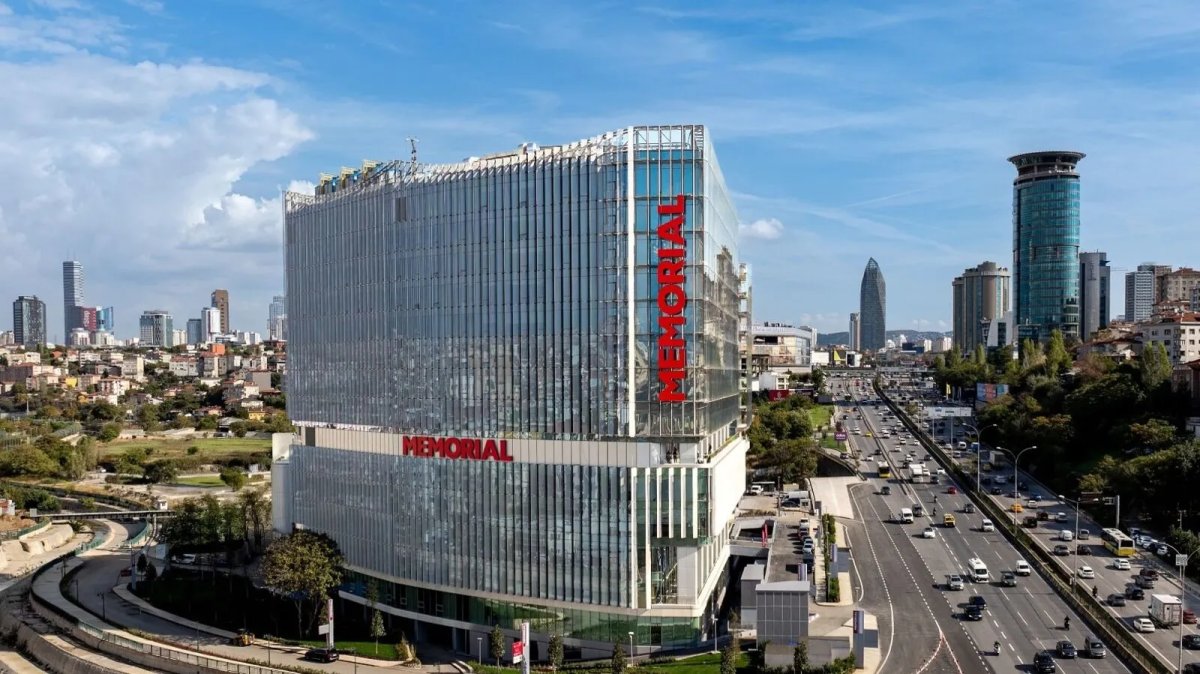




Memorial Ankara Hospital

Hospital VM Medical Park Pendik
Suber Dikici


Obtenga una evaluación médica de tratamiento de Miastenia en Turquía: haga una consulta con 6 médicos experimentados ahora
Ver todos los médicos
Nuran Burcu Arkali
La Dra. Nuran Burcu Arkali es neuróloga en el Hospital Intercontinental Hisar de Estambul. Se especializa en electrofisiología y trastornos neurodegenerativos. La Dra. Arkali completó un programa de maestría en electrofisiología en la Universidad de Estambul. Ayudó a establecer la clínica de neurología y la unidad de cuidados intensivos en el Hospital de Formación de Diyarbakir.
- Experiencia en EEG, EMG y monitoreo de video-EEG para la epilepsia.
- Trata la enfermedad de Parki

Dilek Necioglu Orken
La Dra. Dilek Necioglu Orken es neuróloga en el Hospital Memorial Sisli de Estambul. Se centra en afecciones neurológicas complejas y en la gestión de pacientes. La Dra. Orken ocupó anteriormente el cargo de Jefa del Departamento de Neurología en la Universidad de Ciencias Demiroglu. También desempeñó el papel de Oficial de Educación y Administración en el Hospital Sisli Hamidiye Etfal.
- Fue miembro del cuerpo docente de la Universidad de Ciencias Demiroglu.
- Ejerció como esp
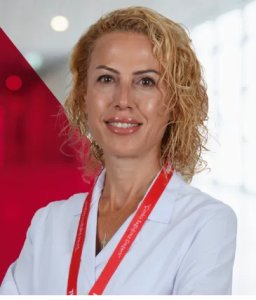
Rahsan Adviye
La Dra. Rahsan Adviye es Especialista en Neurología en el Hospital Memorial Göztepe (2025–actualidad). Tiene más de 20 años de experiencia como especialista en Estambul. Anteriormente trabajó en Fatih Medical Park (2004–2008) y en el Hospital Hisar (2009–2010). De 2010 a 2025 se desempeñó como Especialista en Neurología e instructora en la Universidad de Ciencias de la Salud, Hospital de la Ciudad Kartal Dr. Lütfi Kirdar. Este cargo incluyó 15 años de docencia académica.
Completó su re
Suber Dikici
La Dra. Suber Dikici es profesora asociada de neurología en el Hospital VM Medical Park Pendik de Estambul. Recibió el Premio al Incentivo de Éxito en Publicaciones por sus logros en investigación neurológica. La Dra. Dikici se especializa en el tratamiento de afecciones neurodegenerativas complejas como el Parkinson y el Alzheimer. Ha completado una formación especializada en aplicaciones de Estimulación Cerebral Profunda (DBS) en Dubái.
- Certificada en medicina del sueño y diagnós
Reseñas
Todas las reseñas

Compartir contenido
Historias en video de pacientes de Bookimed
 Olena Sikoza
Preguntas frecuentes sobre el tratamiento de Miastenia en Turquía
¿Qué tan segura es la timectomía para la miastenia gravis en Turquía?
La timectomía para la miastenia gravis en Turquía es altamente segura. Las tasas de éxito para la mejora clínica o la remisión alcanzan el 95 %. Los principales centros utilizan técnicas robóticas o asistidas por video. Estos métodos mínimamente invasivos reducen significativamente los riesgos quirúrgicos. Los pacientes a menudo logran resultados estables dentro de los seis meses posteriores a la cirugía.
- Tasas de éxito: La mejora clínica o la remisión ocurre en el 81,9 % al 95 % de los casos.
- Estándar de seguridad: Los centros turcos como el Anadolu Medical Center mantienen estrictos protocolos de seguridad acreditados por la JCI.
- Trauma reducido: Los sistemas robóticos como el da Vinci XI minimizan la pérdida de sangre y las cicatrices.
- Estancia hospitalaria: La mayoría de los pacientes regresan a casa después de 1 a 5 días de monitoreo.
Perspectiva del experto de Bookimed: La seguridad del paciente depende en gran medida de un enfoque multidisciplinario más allá de la cirugía en sí. Instituciones líderes como el Medipol Mega University Hospital atienden a 1.000.000 de pacientes al año. Combinan la cirugía torácica con neurología avanzada y unidades de cuidados intensivos. Este alto volumen garantiza que los equipos sean expertos en la gestión de la preparación preoperatoria. Algunos centros también proporcionan plasmaféresis para est
¿Qué tipos de timectomía se ofrecen y cuál recibiré?
Los centros quirúrgicos turcos ofrecen timectomía transesternal, toracoscópica asistida por video (VATS) y asistida por robot (RATS) para el tratamiento de la miastenia gravis. Su procedimiento específico depende del tamaño del tumor, los resultados de las imágenes y la anatomía individual. La mayoría de los pacientes reciben RATS o VATS mínimamente invasivas para garantizar una curación más rápida y menos molestias.
- Timectomía asistida por robot: Utiliza sistemas da Vinci para una alta precisión y visualización 3D.
- Cirugía asistida por video: Utiliza pequeñas incisiones en el pecho y cámaras para extirpar tumores pequeños.
- Abordaje transesternal: Reservado para tumores grandes o invasivos que requieren la división del esternón.
- Criterios de selección: Basados en el índice de masa corporal, cirugías previas y niveles de invasión tumoral.
Perspectiva del experto de Bookimed: El Memorial Şişli Hospital y el Anadolu Medical Center cuentan con certificaciones avanzadas como JCI y OECI. Nuestros datos muestran que los pacientes priorizan los hospitales con robots da Vinci para la miastenia. Aunque la cirugía robótica es popular, la VATS es una alternativa confiable y rentable para muchos casos. Elegir centros afiliados a instituciones como Johns Hopkins garantiza el acceso a protocolos internacionales estandarizados.
Consenso
¿Cuánto tiempo permaneceré en Turquía y cómo es el plan de cuidados posteriores?
El tratamiento de la miastenia gravis en Turquía suele requerir una estancia de 7 a 14 días. Este plazo permite realizar diagnósticos especializados como análisis de sangre extendidos y consultas neurológicas. El seguimiento proactivo garantiza la estabilidad del paciente antes del viaje, especialmente para aquellos que se someten a terapias intensivas como la aféresis terapéutica o la plasmaféresis.
- Estancia hospitalaria: Espere de 2 a 3 días para la estabilización inicial y el seguimiento de la terapia intensiva.
- Fase de diagnóstico: Las pruebas iniciales, incluyendo ECG y análisis de sangre, toman de 24 a 48 horas.
- Ciclos de tratamiento: La plasmaféresis o el intercambio de plasma a menudo requieren múltiples sesiones durante varios días.
- Seguimiento de la recuperación: Se recomiendan estancias en hoteles de recuperación durante 5 a 7 días después del tratamiento.
Perspectiva del experto de Bookimed: Los pacientes a menudo pasan por alto la fatiga física que sigue a los tratamientos clínicos para la miastenia. Los neurólogos en centros acreditados por la JCI, como el Anadolu Medical Center, enfatizan una ventana de observación de 7 días después del procedimiento. Este margen es fundamental porque clínicas como Memorial Şişli atienden a pacientes de 167 países. Priorizan las autorizaciones de «apto para volar» para prevenir crisis mia
¿Soy un buen candidato para la cirugía y puede esta eliminar los medicamentos?
La candidatura para la cirugía depende de tener una salud estable y hábitos de tabaquismo mínimos. La timectomía puede reducir significativamente o eliminar los medicamentos para la miastenia gravis en muchos pacientes. Los centros turcos acreditados por la JCI evalúan la idoneidad mediante consultas neurológicas y resultados de análisis de sangre avanzados. Los resultados dependen de las respuestas físicas individuales.
- Autorización neurológica: Los especialistas utilizan ECG y análisis de sangre para confirmar la estabilidad quirúrgica.
- Métricas de salud: Los pacientes con un IMC inferior a 40 suelen enfrentar menos riesgos de recuperación.
- Impacto en el estilo de vida: Los no fumadores muestran una mejor curación y menos complicaciones de anestesia durante la recuperación.
- Objetivos del tratamiento: La cirugía tiene como objetivo lograr la remisión a largo plazo y reducir la dependencia de medicamentos recetados fuertes.
Perspectiva del experto de Bookimed: Los hospitales turcos como Medipol Mega y Anadolu Medical Center atienden a más de 65 000 pacientes al año. A menudo utilizan plataformas robóticas como da Vinci para las timectomías. Este enfoque mínimamente invasivo ayuda a los pacientes a estabilizarse más rápido que los métodos tradicionales de tórax abierto. Una estabilización más rápida a menudo conduce a reducciones más ráp
¿Quedarán cicatrices visibles después de una timectomía mínimamente invasiva?
La timectomía mínimamente invasiva resulta en una cicatrización mínima. Los cirujanos utilizan de 3 a 5 pequeñas incisiones de aproximadamente 1,2 a 2,5 cm de largo. Estas pequeñas marcas a menudo se vuelven apenas perceptibles en un plazo de 12 a 18 meses. Son significativamente más pequeñas que la cicatriz central de 15 cm de la cirugía tradicional.
- Tamaño de la incisión: Los cirujanos crean pequeñas aberturas tipo ojo de cerradura de entre 1,2 y 2,5 cm de largo.
- Colocación estratégica: Las incisiones a menudo se ocultan debajo de la línea del pecho o cerca de las axilas.
- Tiempo de curación: Las cicatrices generalmente se desvanecen de rojas a líneas pálidas y planas en un plazo de 2 años.
- Precisión robótica: Sistemas como da Vinci permiten puntos de acceso más pequeños y precisos durante la cirugía.
- Resultados cosméticos: Aproximadamente el 90% de los pacientes reportan una alta satisfacción con la apariencia final.
Perspectiva del experto de Bookimed: Aunque muchos se centran en el número de incisiones, el verdadero diferenciador es el uso del sistema da Vinci XI en centros especializados como el Hospital Memorial Göztepe. Esta plataforma robótica avanzada a menudo permite una colocación de incisiones más flexible en comparación con los métodos asistidos por video estándar. Elegir una clínica con esta tecno
¿Necesito un acompañante y ayuda con el idioma mientras estoy en Turquía?
Se recomienda encarecidamente contar con un acompañante y asistencia lingüística para el tratamiento de la miastenia gravis en Turquía. Los pacientes enfrentan una debilidad muscular fluctuante que puede agudizarse debido al estrés del viaje. Centros médicos especializados como el Anadolu Medical Center ofrecen intérpretes en el lugar y coordinadores personales para gestionar las necesidades críticas de comunicación y logística.
- Apoyo logístico: Los acompañantes ayudan a gestionar los medicamentos, el transporte y las tarjetas SIM durante la recuperación.
- Asistencia de movilidad: La fatiga y la debilidad muscular a menudo requieren ayuda física para las tareas básicas.
- Servicios de traducción: Centros como el Hospital Memorial Şişli proporcionan traductores profesionales para garantizar la precisión clínica.
- Seguridad en emergencias: Tener un acompañante es esencial si los síntomas empeoran o durante la recuperación post-procedimiento.
Opinión de expertos de Bookimed: El análisis de las operaciones clínicas muestra que los centros de primer nivel como el Anadolu Medical Center integran a los intérpretes directamente en el equipo de atención. Esto evita la brecha común que se encuentra en clínicas más pequeñas donde el personal médico habla inglés, pero el personal administrativo no. Elegir un centro con acreditación JCI y departamentos
¿Qué ciudades tienen la mayor experiencia y las instalaciones más modernas?
Estambul y Ankara lideran Turquía en el tratamiento especializado de la miastenia gravis y en infraestructura médica. Estos centros albergan instalaciones acreditadas por la JCI con unidades de cuidados intensivos avanzadas para el manejo de crisis miasténicas. Centros líderes como el Hospital Memorial Şişli y el Hospital Universitario Medipol Mega ofrecen atención farmacológica y quirúrgica integrada.
- Dominio de Estambul: Los centros de Estambul atienden a más de 1.000.000 de pacientes al año con una alta densidad de especialistas.
- Acreditaciones de élite: Instalaciones como el Centro Médico Anadolu cumplen con los estándares de calidad internacionales JCI e ISO.
- Diagnóstico avanzado: Las clínicas utilizan resonancia magnética de 3 Teslas asistida por IA y tomografía computarizada de 512 cortes para la detección de timomas.
- Capacidad de tratamiento: Los mejores hospitales cuentan con más de 15 quirófanos y unidades dedicadas de rehabilitación robótica.
Perspectiva del experto de Bookimed: Aunque los pacientes a menudo se centran en la reputación del cirujano, el tamaño del hospital es una señal de seguridad crítica para la miastenia. El Hospital Universitario Medipol Mega opera cuatro edificios separados con 810 camas y 70 departamentos. Esta escala masiva garantiza el acceso 24/7 a diversos especialistas, como neurólogos e inmunólogos