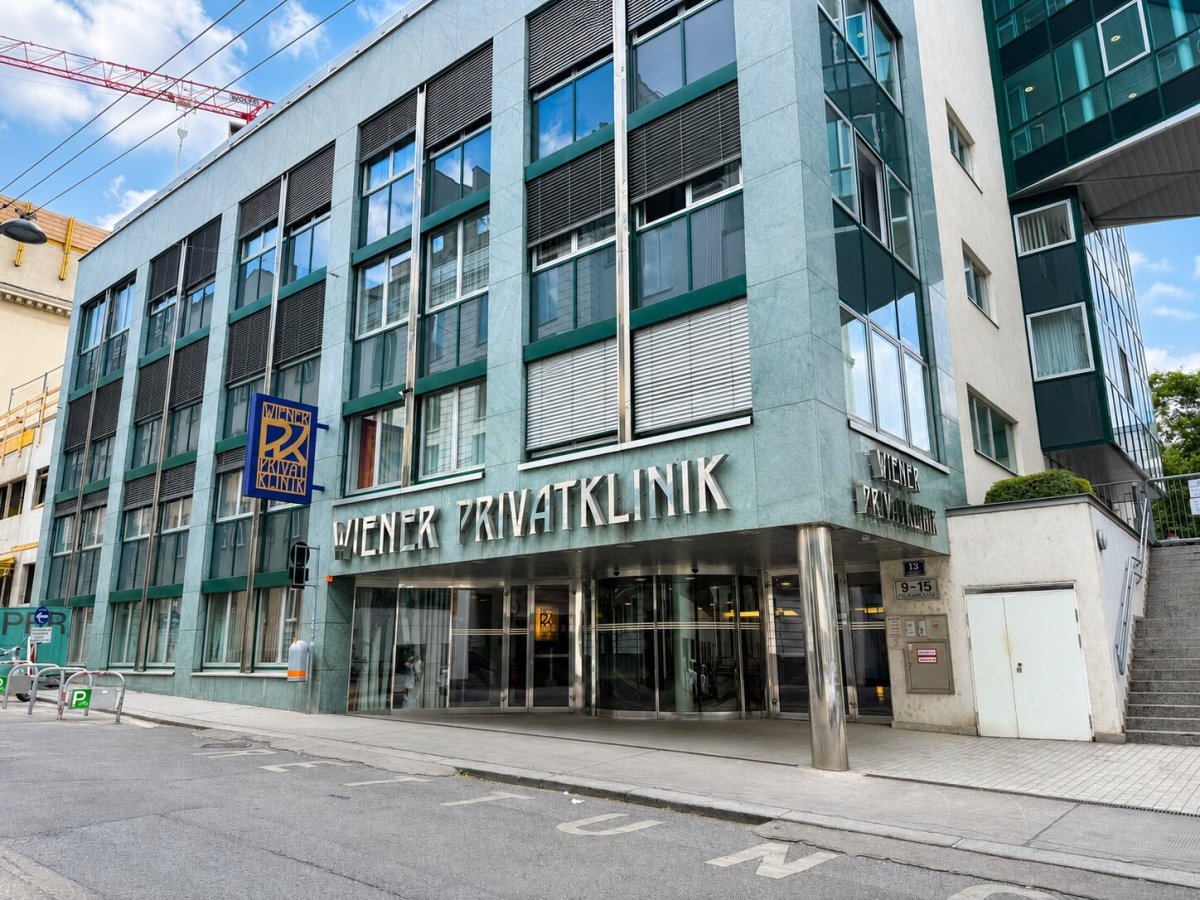
Clínica privada Wiener (Wiener Privatklinik)
Austria, Viena
Camel Kopty
36 años de experiencia

Clínica certificada por : 





Revisado médicamente por
Fahad Mawlood
El costo del tratamiento de la pancreatitis en Austria está determinado por la precisión diagnóstica y la necesidad quirúrgica. De $500. Los gastos totales dependen de la etapa de la enfermedad, el nivel del hospital y si se requiere asistencia robótica. Los pacientes internacionales a menudo encuentran ahorros significativos en comparación con el sector de salud privada en los Estados Unidos. La atención de alta calidad se concentra principalmente en Viena y Graz.
Costos típicos del tratamiento de la pancreatitis en Austria
Perspectiva de los expertos de Bookimed: Para casos complejos, elegir a un especialista afiliado a una universidad proporciona el mayor valor clínico. Wiener Privatklinik cuenta con profesores de la Universidad Médica de Viena, como el Dr. Martin Schindl. Él se especializa en cirugía pancreática avanzada y lidera grupos de tratamiento interdisciplinarios. Los pacientes que buscan centros de alto volumen deben considerar el Hospital General de Viena (AKH), que atiende a 595,000 pacientes anualmente. Sus unidades especializadas, como la Unidad de Tumores Gastroesofágicos, ofrecen experiencia de nivel académico para afecciones crónicas graves.

El Dr. Camel Kopty se especializa en pancreatitis con un enfoque compasivo, combinando experiencia en medicina interna y oncología en la Wiener Privatklinik.

El Prof. Schindl se especializa en cirugía hepatopancreatobiliar (HPB), realizando operaciones avanzadas para el cáncer de hígado y páncreas en la Wiener Privatklinik.

El Prof. Prager es un experto líder en cirugía bariátrica y metabólica, con más de 29 años de experiencia en procedimientos gastrointestinales complejos.
Especialista líder en gastroenterología y hepatología: el Dr. Ferlitsch se formó en instituciones de primer nivel y gestiona casos complejos en el Hospital Privado Döbling.
 Olena Sikoza
El tratamiento de la pancreatitis en Austria es altamente seguro y lo llevan a cabo expertos en gastroenterología y cirugía visceral. Instituciones como el Hospital General de Viena y el Hospital Privado de Viena cuentan con la certificación ISO y cumplen con los estándares de seguridad JCI. Los especialistas reciben una formación rigurosa, certificada por la Sociedad Austriaca para la Garantía de la Calidad.
Opinión de expertos de Bookimed: Si bien los hospitales universitarios públicos atienden a pacientes con las afecciones más complejas, las clínicas privadas de Viena ofrecen una clara ventaja para los pacientes internacionales. Wiener Privatklinik brinda acceso a más de 400 médicos, muchos de los cuales son profesores
En Austria, se emplea un enfoque multimodal para el tratamiento de la pancreatitis crónica. El tratamiento combina métodos médicos conservadores con intervenciones endoscópicas y quirúrgicas avanzadas. Centros especializados en Viena y Graz ofrecen terapia de reemplazo enzimático, colocación de endoprótesis biliares y resecciones complejas como las de Frey o Beger. Estos procedimientos suelen ser realizados por cirujanos altamente cualificados en instituciones académicas.
Opinión de expertos de Bookimed: Los pacientes que buscan atención especializada deben acudir a médicos con un alto volumen de procedimientos diagnósticos. El Dr. Kamel Kopti, del Hospital Privado de Viena, ha realizado más de 28 000 procedimien
En Austria, el tratamiento quirúrgico de la pancreatitis suele requerir una hospitalización de 12 a 23 días. Los procedimientos mínimamente invasivos especializados pueden reducirla a 3 o 4 días. La recuperación completa suele tardar de 3 a 6 meses e incluye un importante apoyo nutricional y suplementos enzimáticos.
Opinión de expertos de Bookimed: Los cirujanos experimentados de Viena priorizan las cirugías de alto volumen para casos complejos. El Dr. Kamel Kopti, de la Clínica Privada de Viena, ha realizado más de 28 000 procedimientos endoscópicos. Este volumen demuestra que elegir especialistas experimentados puede ayudar a controlar la alta tasa de complicaciones postoperatorias típicas de las enfermedades pancreáticas.
Comentarios de los pacientes: Los pacientes señalan que la recuperación
En Austria, los tratamientos modernos para las enfermedades pancreáticas demuestran una alta eficacia. En casos complejos, los pacientes pueden experimentar trastornos digestivos transitorios o insuficiencia pancreática en un 5-22% de los casos. Los centros especializados de Viena utilizan técnicas avanzadas de diagnóstico e imagen para monitorizar la recuperación y controlar precozmente los posibles efectos secundarios.
Opinión de expertos de Bookimed: Elegir instituciones como el Hospital Privado Döbling o el Hospital General de Viena (AKH) ofrece ventajas gracias a su elevado volumen de pacientes y sus departamentos académicos especializados. El AKH atiende a más de 595 000 pacientes al año. Esta alta frecuencia quirúrgica permite a cirujanos como el Dr. Martin Schindl tratar en
Entre los principales centros para el tratamiento de la pancreatitis en Austria se encuentran el Hospital General de Viena (AKH) y el Hospital Privado de Viena (Wiener Privatklinik). Estas instituciones ofrecen atención multidisciplinaria con departamentos especializados en cirugía hepatobiliar y gastroenterología. Los pacientes pueden someterse a diagnósticos de vanguardia, como la colangiopancreatografía retrógrada endoscópica (CPRE) y la colangiopancreatografía por resonancia magnética (CPRM), en estos centros acreditados por la ISO.
Opinión de expertos de Bookimed: Si bien los hospitales públicos como el Hospital General de Viena atienden a un gran número de pacientes, los centros privados ofrecen un acceso exclusivo a especialistas académicos de primer nivel. Por ejemplo, el profesor Martin Schindl coordina el equipo de páncreas del Centro Oncológico Integral y también atiende pacientes en la Clínica
Los paquetes típicos de tratamiento quirúrgico de la pancreatitis en Austria incluyen atención médica especializada y diagnósticos de vanguardia. Estos paquetes suelen incluir imágenes de alta resolución, como resonancia magnética o tomografía computarizada. También cubren los honorarios del cirujano, la anestesia y una estancia hospitalaria de 3 a 14 días en centros acreditados por la ISO.
Opinión de expertos de Bookimed: Viena cuenta con una concentración única de excelencia académica. En la Wiener Privatklinik, muchos médicos son también profesores de la Universidad Médica de Viena. Esto significa que los pacientes disfrutan de la comodidad de una clínica privada combinada con un tratamiento quirúrgico basado en la investigación más avanzada. El Dr. Kamel Kopti, por sí solo, ha realizado más de 28 000 procedimientos endoscópicos. Este elevado volumen suele traducirse en una mayor precisión diagnóstica para enferm
Las cicatrices visibles y el tiempo de recuperación dependen principalmente de la técnica quirúrgica empleada. Los procedimientos laparoscópicos dejan de 4 a 5 pequeñas cicatrices. Las cirugías abiertas requieren incisiones abdominales más grandes. La mayoría de los pacientes pueden regresar a casa entre 10 y 21 días después de recibir el alta médica. Las clínicas austriacas suelen priorizar la observación hospitalaria a largo plazo.
Opinión experta de Bookimed: Los principales especialistas austriacos, como el profesor Martin Schindl de la Wiener Privatklinik, suelen combinar su experiencia en cirugía visceral con la investigación académica. Los datos muestran que