Pancreatitis en Corea del Sur: las 11 mejores clínicas para su tratamiento


Revisado médicamente por
Fahad Mawlood
¿Cuál es el precio del diagnóstico y los tratamientos de Pancreatitis en Corea del Sur? Descubra ahora
El costo del tratamiento de la pancreatitis en la República de Corea generalmente implica diagnósticos especializados como la gastroscopia, que oscilan entre $150 y $210, y una consulta especializada con un gastroenterólogo que va desde $55 hasta $75. Los gastos totales dependen de la etapa clínica, la duración de la hospitalización y el nivel del hospital. Los pacientes pueden obtener ahorros de aproximadamente un 40-50% en comparación con los EE. UU. Los principales destinos para este tratamiento incluyen Seúl e Incheon.
Costos típicos del tratamiento de la pancreatitis en la República de Corea
- Consulta con un gastroenterólogo: $55 – $75
- Gastroscopia: $150 – $210
- Análisis de sangre extendido: de $200
- ECG: de $30
Perspectiva del experto de Bookimed: Para los pacientes que requieren experiencia quirúrgica de alto volumen, el Asan Medical Center es una opción de primer nivel. Como el centro multidisciplinario más grande de Corea, realiza más de 65,000 operaciones al año con una tasa de éxito de trasplante de órganos del 90%. Los pacientes que buscan tecnología avanzada deberían considerar el Seoul National University Bundang Hospital (SNUBH). Este centro es el primer hospital digital de Corea, integrado con sistemas de inteligencia artificial y cirugía robótica para intervenciones abdominales precisas.
Sus beneficios y garantías con Bookimed
Precios directos
Bookimed no añade cargos extra a los precios de los tratamientos de Pancreatitis. Las tarifas proceden de las listas de precios oficiales de las clínicas. Pagará directamente en la clínica por su tratamiento a su llegada al país.
Sólo clínicas y médicos verificados
Bookimed está comprometido con su seguridad. Solo trabajamos con las clínicas que mantienen altos estándares internacionales en el tratamiento de Pancreatitis y cuentan con las licencias necesarias para atender a pacientes internacionales en todo el mundo.
Asistencia 24/7 gratuita
Bookimed ofrece asistencia experta gratuita. Un coordinador médico personal le apoya antes, durante y después de su tratamiento, resolviendo cualquier problema. Nunca estará solo en su viaje médico de tratamiento de Pancreatitis.

Su coordinador médico personal de Bookimed
- Le apoya en cada etapa
- Ayuda a elegir la clínica y el médico adecuados
- Asegura un acceso rápido y conveniente a la información
Descubra las mejores clínicas de tratamiento de Pancreatitis en Corea del Sur: 11 opciones verificadas y Precios
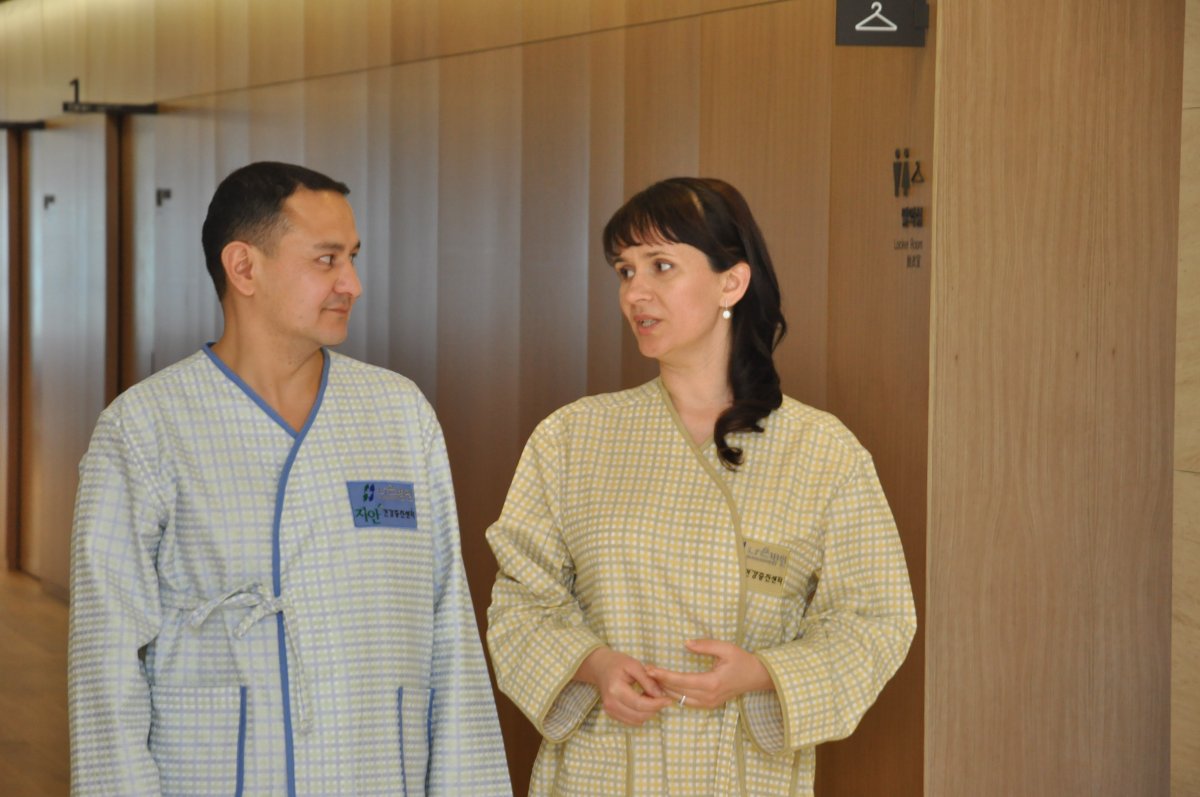











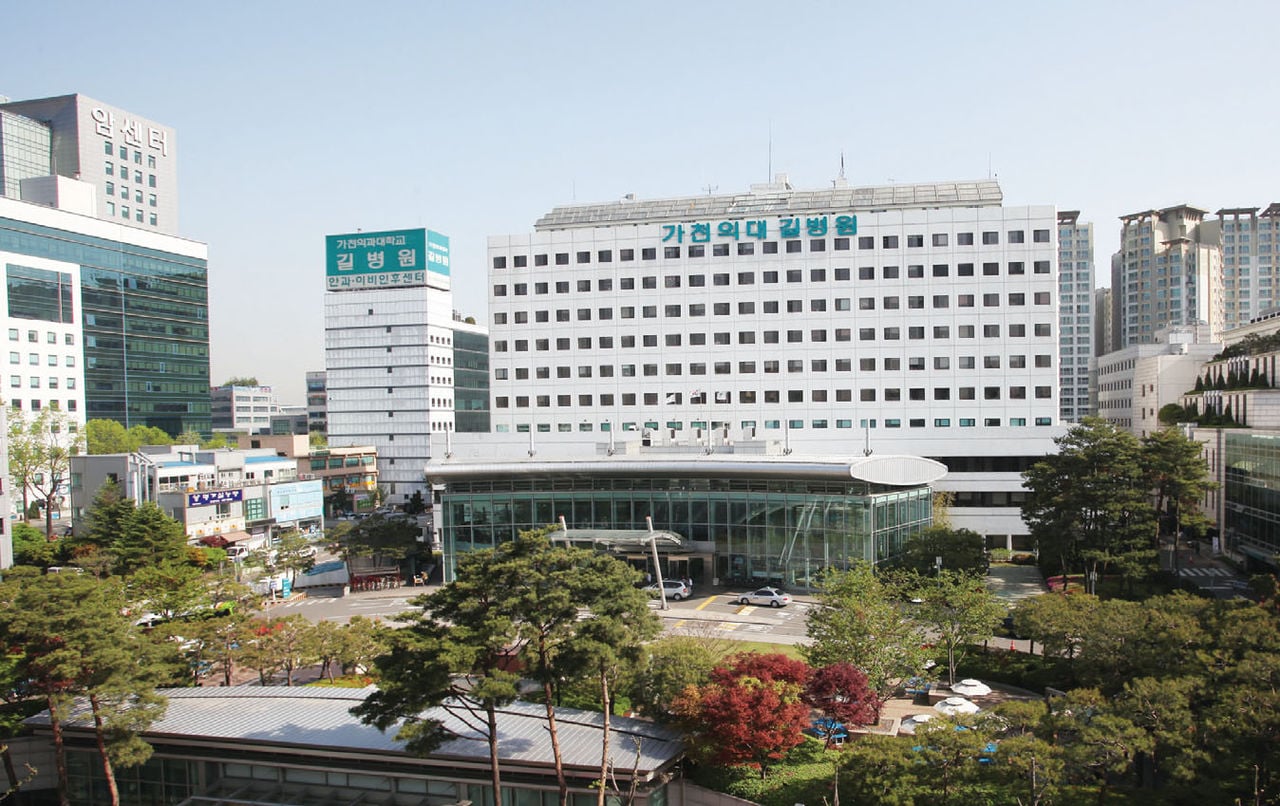




Bumin Hospital Seoul


Obtenga una evaluación médica de tratamiento de Pancreatitis en Corea del Sur: haga una consulta con 7 médicos experimentados ahora
Ver todos los médicos
Cheon Wonseok
El Dr. Cheon Wonseok es Jefe de Gastroenterología en el Hospital Na-Eun. Trata trastornos gastrointestinales. Realiza endoscopia digestiva alta, colonoscopia, polipectomía y disección endoscópica submucosa (ESD). Maneja el cáncer gástrico y esofágico y la infección por Helicobacter pylori. También trata enfermedades hepáticas y enfermedad inflamatoria intestinal, incluidas la enfermedad de Crohn y la colitis ulcerosa. Ofrece endoscopia por cápsula del intestino delgado.
Acreditaciones:
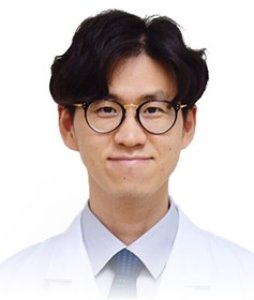
Yu Yeonghun
El Dr. Yu Yeonghun es cirujano del aparato digestivo y doctor en Medicina. Se especializa en enfermedades y cánceres hepatopancreatobiliares (HPB). Su enfoque abarca los cánceres de hígado, páncreas, vía biliar y vesícula biliar, así como la colelitiasis y otras enfermedades de la vesícula.
Realizó el internado y la residencia en cirugía general en el Centro Médico CHA Bundang. Luego completó una subespecialización en cirugía HPB en el Centro Médico Samsung. Se desempeñó como profesor
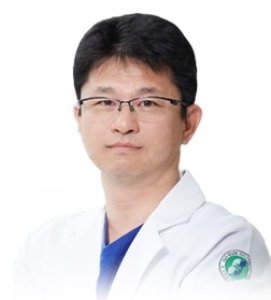
Song Hwayeong
Dr. Song Hwayeong es especialista en gastroenterología. Sus áreas de enfoque incluyen los cánceres gastrointestinales (de estómago y de esófago) y la endoscopia avanzada (gastroscopia, colonoscopia, disección endoscópica submucosa [DES] y polipectomía). También trata enfermedades digestivas y hepáticas, como la ERGE, la gastritis, la hepatitis, la infección por H. pylori y la enfermedad hepática.
Completó la formación de subespecialización en gastroenterología en el Hospital Ilsan Paik
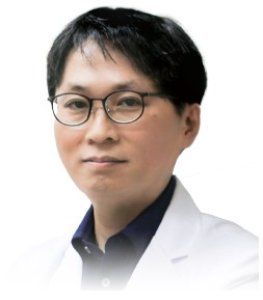
Kim Taegyun
El Dr. Kim Taegyun es gastroenterólogo. Se centra en enfermedades y cánceres pancreatobiliares, entre ellos pancreatitis, quistes y cáncer de páncreas, colecistitis, cálculos biliares (colelitiasis) y cáncer de las vías biliares. También realiza endoscopia avanzada, incluida la CPRE (ERCP). Trata tumores gastrointestinales, pólipos de estómago y colon, cáncer gástrico y tumores submucosos (SMT).
Educación y formación: MD, Facultad de Medicina de la Universidad Nacional de Jeonbuk. Maes
Compartir contenido
Historias en video de pacientes de Bookimed
 Olena Sikoza
Preguntas frecuentes sobre el tratamiento de Pancreatitis en Corea del Sur
¿Qué tan seguro es el tratamiento endoscópico o laparoscópico para la pancreatitis aguda en los hospitales coreanos?
Los tratamientos endoscópicos y laparoscópicos para la pancreatitis aguda en Corea del Sur son altamente seguros. Las tasas de éxito alcanzan el 85% en los principales centros terciarios. Los cirujanos utilizan un enfoque escalonado para priorizar los métodos mínimamente invasivos. Esto reduce complicaciones como el sangrado y el desarrollo de fístulas en comparación con la cirugía abierta.
- Tasas de éxito: Las tasas de éxito del drenaje por ultrasonido endoscópico superan el 90% para colecciones de fluidos complejas.
- Registros de seguridad: Los métodos endoscópicos muestran una tasa de supervivencia del 96% en estudios de pancreatitis necrotizante.
- Gestión de riesgos: Los protocolos especializados mantienen las tasas de pancreatitis posprocedimiento alrededor del 6,5% para la CPRE.
- Estándares de las instalaciones: La mayoría de los procedimientos ocurren en hospitales acreditados por la JCI con apoyo multidisciplinario de UCI.
Perspectiva del experto de Bookimed: La seguridad del paciente depende en gran medida de los sistemas digitales de prevención de errores. El Hospital Bundang de la Universidad Nacional de Seúl utiliza el sistema BESTcare para minimizar los errores médicos. Esto es fundamental para la pancreatitis, ya que el tratamiento implica una gestión compleja de medicamentos y fluidos entre los equipos de cuidados intensivos
¿Qué credenciales debo buscar al elegir un especialista en pancreatitis en Corea?
Elegir un especialista en pancreatitis en Corea requiere verificar la certificación de la junta en gastroenterología y la membresía de subespecialidad en la Korean Pancreatobiliary Association. Los pacientes deben priorizar a los médicos en instalaciones con estatus del Korea Institute for Healthcare Accreditation (KOIHA) o Joint Commission International (JCI). Estas credenciales garantizan el cumplimiento de rigurosos estándares de seguridad nacionales e internacionales.
- Certificación médica: Especialista certificado por la junta y reconocido por el Ministerio de Salud y Bienestar de Corea.
- Experiencia en endoscopia: Licencia de subespecialidad en endoscopia gastrointestinal para procedimientos como la colangiopancreatografía retrógrada endoscópica.
- Membresía especializada: Membresía activa en la Korean Pancreatobiliary Association (KPBA) para obtener pautas de manejo actualizadas.
- Posición académica: Los cargos docentes en hospitales universitarios indican experiencia en el manejo de casos complejos respaldados por investigación.
Perspectiva del experto de Bookimed: Los datos muestran que el volumen hospitalario es un indicador de calidad crítico en Seúl. Los principales centros como el Hospital de la Universidad Nacional de Seúl y el Hospital Severance atienden a más de 1 millón de pacientes ambulatorios al año. Los centros de alto v
¿Es posible realizar una cirugía mínimamente invasiva para la pancreatitis necrotizante y utilizan los cirujanos coreanos el enfoque 'step-up'?
Los cirujanos coreanos utilizan el enfoque mínimamente invasivo 'step-up' para la pancreatitis necrotizante. Este método sustituye las grandes cirugías abiertas por protocolos de drenaje inicial. Incluye drenaje percutáneo con catéter y desbridamiento retroperitoneal asistido por video. Estas técnicas reducen el estrés quirúrgico y mejoran los tiempos de recuperación en casos pancreáticos complejos.
- Cumplimiento de las directrices: La Asociación Coreana Pancreatobiliar recomienda oficialmente el enfoque 'step-up'.
- Secuencia de tratamiento: Los médicos comienzan con el drenaje antes de considerar la necrosectomía operatoria.
- Momento óptimo: Las intervenciones mayores suelen retrasarse 4 semanas hasta que la necrosis esté encapsulada.
- Beneficios clínicos: Esta estrategia reduce las tasas de insuficiencia orgánica en comparación con la cirugía abierta inmediata.
- Expertos especializados: El Prof. Jong Kyun Lee se especializa en pancreatitis en el Samsung Medical Center.
Perspectiva del experto de Bookimed: Aunque el Asan Medical Center y el Hospital de la Universidad Nacional de Seúl gestionan volúmenes masivos de más de 1,5 millones de pacientes al año, los casos pancreáticos requieren una acreditación específica. Busque centros con miembros de la Asociación Coreana Pancreatobiliar, como el Prof. Jong Kyun Lee, pa
¿Cuánto tiempo necesitaré permanecer en Corea para el tratamiento y seguimiento de la pancreatitis?
Los pacientes suelen permanecer en Corea del Sur de 7 a 14 días para el tratamiento de la pancreatitis. Los casos leves pueden mejorar en 5 días. Los casos moderados requieren un promedio de 10 días de hospitalización. La pancreatitis grave o las intervenciones quirúrgicas a menudo requieren de 2 a 3 semanas para la estabilización y la autorización para viajar de forma segura.
- Estabilización leve: La hospitalización suele durar de 3 a 5 días para el tratamiento conservador.
- Recuperación moderada: La estancia hospitalaria promedio es de 10 días para estabilización y diagnóstico por imagen.
- Intervención quirúrgica: Los procedimientos mínimamente invasivos suelen requerir de 9 a 10 días de hospitalización.
- Tiempo de seguimiento: La recuperación inicial local toma de 7 a 14 días antes de volar.
Perspectiva del experto de Bookimed: La infraestructura de salud digital de Corea en centros como el Hospital Bundang de la Universidad Nacional de Seúl garantiza transiciones de diagnóstico rápidas. Los pacientes a menudo completan una batería de diagnóstico completa, que incluye ECG, gastroscopia y análisis de sangre extendidos, en 48 horas. Esta eficiencia puede reducir la estancia diagnóstica general en comparación con otras regiones. Los centros de alto volumen como el Centro Médico Asan gestionan más de 2.500 pacientes hospitalizados al día. Es
¿Qué apoyo post-alta está disponible para pacientes internacionales después del tratamiento de pancreatitis en Corea?
Los pacientes internacionales reciben un apoyo digital y logístico integral después del tratamiento de pancreatitis en Corea. Los servicios incluyen transferencias estandarizadas de registros médicos electrónicos, monitoreo remoto a través de sistemas integrados con IA y asesoramiento nutricional detallado. Los centros de salud internacionales especializados gestionan la comunicación a largo plazo y la documentación médica esencial en inglés para los médicos locales.
- Monitoreo digital: Hospitales como Severance utilizan IA y telemedicina para el seguimiento remoto de la recuperación.
- Apoyo lingüístico: Los coordinadores médicos internacionales facilitan la comunicación entre los pacientes y los equipos clínicos después del alta.
- Orientación nutricional: Los centros especializados proporcionan planes dietéticos centrados en los requisitos de ingesta alta en proteínas y baja en grasas.
- Coordinación logística: Los equipos gestionan la logística del alta, incluidas las recetas de medicamentos y las instrucciones de seguimiento localizadas.
Perspectiva del experto de Bookimed: Los pacientes deben priorizar las clínicas con sistemas electrónicos integrados como el sistema BESTcare en el Hospital Bundang de la Universidad Nacional de Seúl. Nuestros datos muestran que los hospitales con más de 1,5 millones de pacientes anuales a menudo tienen u
¿Qué ciudades coreanas tienen los centros de mayor volumen para pancreatitis y el acceso más fácil para los turistas médicos?
Seúl e Incheon son los principales centros para el tratamiento de la pancreatitis de alto volumen en Corea del Sur. Seúl ofrece la mayor concentración de instalaciones multidisciplinarias como el Asan Medical Center. Incheon proporciona un acceso rápido desde las terminales internacionales. Ambas ciudades cuentan con hospitales acreditados por la JCI con centros de atención médica internacional dedicados.
- Volumen en Seúl: El Asan Medical Center realiza más de 65.000 operaciones anuales con 11.800 pacientes ambulatorios diarios.
- Experiencia especializada: El Prof. Jong Kyun Lee en el Samsung Medical Center se especializa en casos pancreatobiliares complejos.
- Acceso en Incheon: El Gachon University Gil Medical Center se encuentra a una hora del Aeropuerto Internacional de Incheon.
- Diagnóstico avanzado: El SNUH atiende a 10.700 pacientes diarios y lidera las estadísticas nacionales de tratamiento de cáncer de páncreas.
Perspectiva del experto de Bookimed: Los centros de alto volumen en Seúl, como el SNUH y el Severance Hospital, a menudo tienen protocolos de diagnóstico `todo en uno` dedicados. Estos sistemas permiten a los pacientes internacionales completar exámenes pancreáticos integrales en aproximadamente cinco horas. Esta eficiencia es crítica para casos agudos donde se requiere intervención inmediata para prevenir complicaciones.