Pancreatitis en España: las 11 mejores clínicas para su tratamiento


Revisado médicamente por
Fahad Mawlood
Cómo funciona
¿Cuál es el precio del diagnóstico y los tratamientos de Pancreatitis en España? Descubra ahora
El costo del tratamiento de la pancreatitis en España suele comenzar con una consulta con un gastroenterólogo que oscila entre $170 y $350. De $520. UU. Los gastos totales dependen de la etapa de la enfermedad, la duración de la estancia y el nivel de la clínica. Las instalaciones modernas en Barcelona, Madrid y Pamplona ofrecen la atención más avanzada.
Costos típicos del tratamiento de la pancreatitis en España
- Consulta con un gastroenterólogo: $170 – $350
- Gastroscopia: de $520
- Análisis bioquímico de sangre: de $120
Perspectiva de los expertos de Bookimed: Los pacientes con enfermedades pancreáticas complejas se benefician de centros acreditados por la JCI como el Centro Médico Teknon. El Dr. Sánchez Yagüe en Quirónsalud es un pionero mundial en drenaje pancreático endoscópico. Esta experiencia es vital para los pacientes que necesitan alternativas mínimamente invasivas a la cirugía mayor. Los centros de alto volumen como la Clínica Universidad de Navarra ofrecen equipos multidisciplinarios. Estos hospitales atienden a más de 140,000 pacientes al año con tecnologías de imagen digital avanzadas.
Descubra las mejores clínicas de tratamiento de Pancreatitis en España: 11 opciones verificadas y Precios





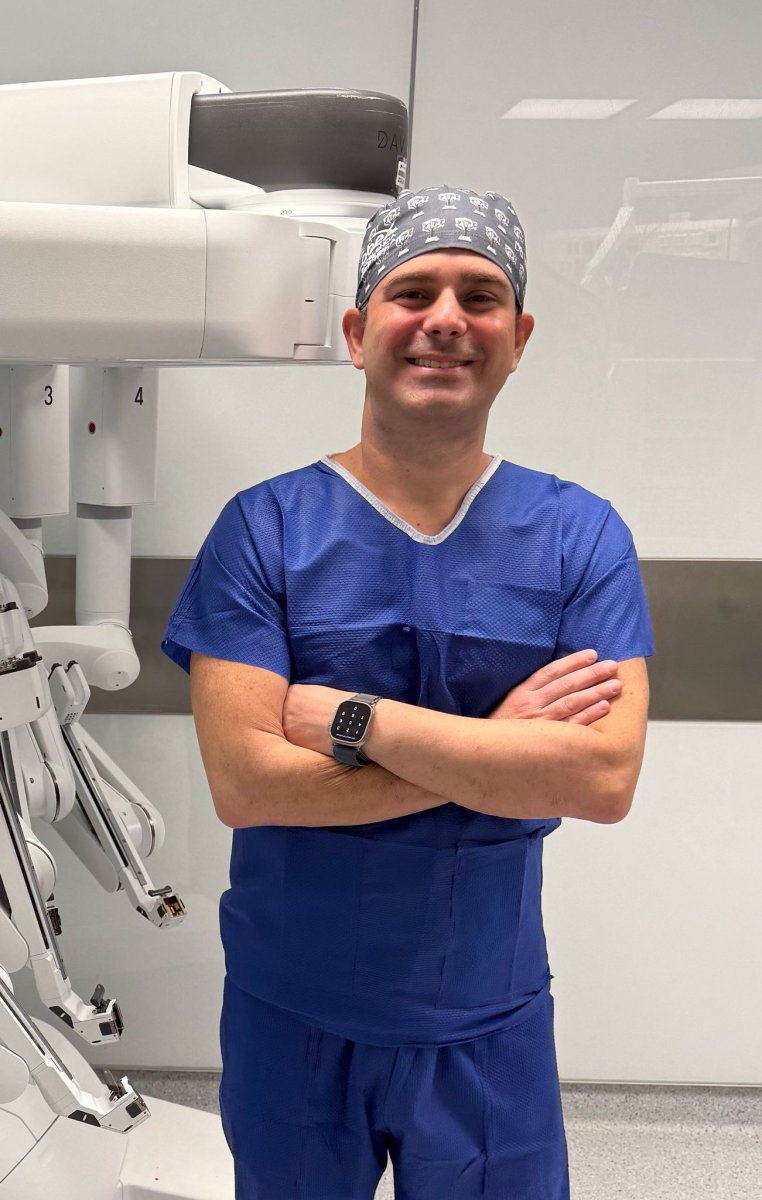
Clínica de Gastroenterología y Proctología Centro PAD
Carlos Garcia Vasquez
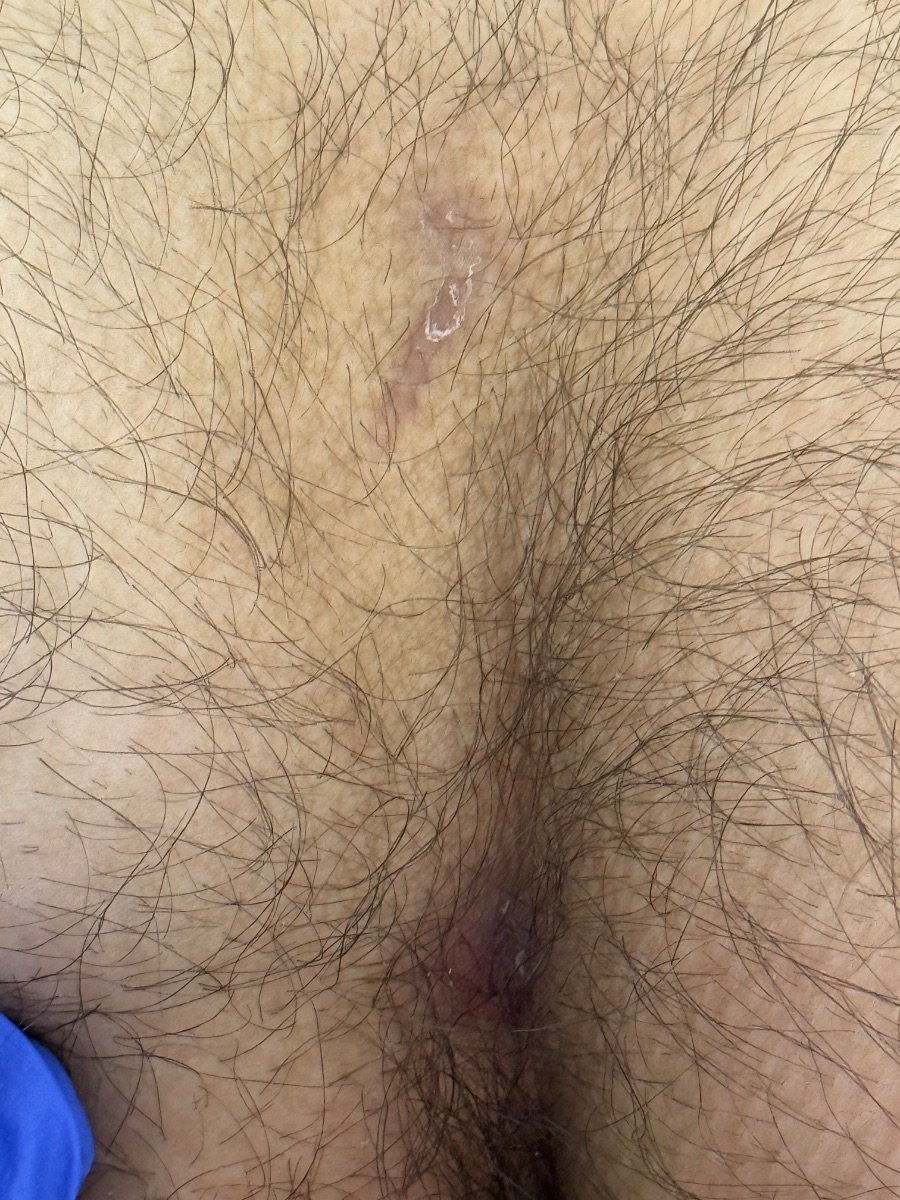
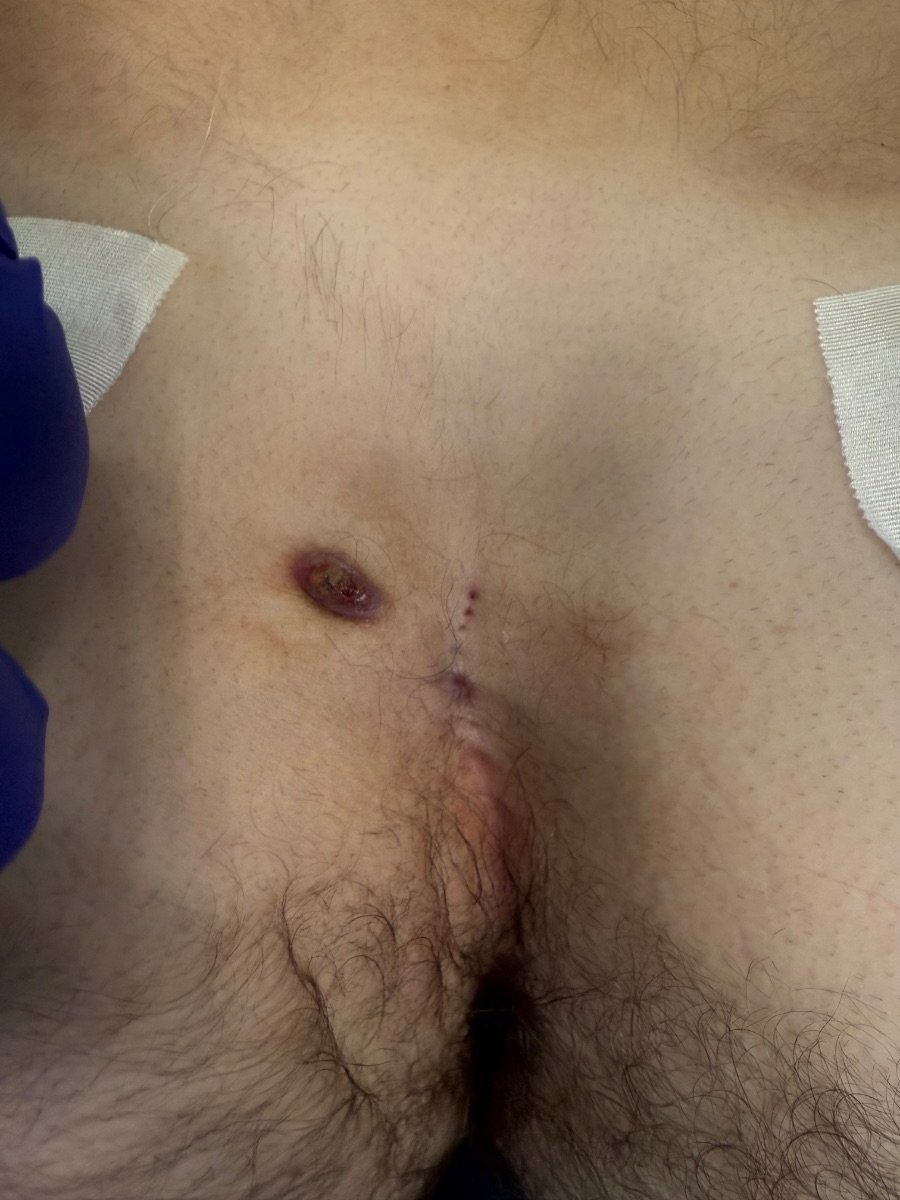







Medical and Surgical Center ServiDigest






Obtenga una evaluación médica de tratamiento de Pancreatitis en España: haga una consulta con 7 médicos experimentados ahora
Ver todos los médicosCarlos Garcia Vasquez
Cirujano general y del aparato digestivo. Enfoque en cirugía colorrectal, proctológica y de pared abdominal mínimamente invasiva. Jefe adjunto, Hospital Universitario Infanta Elena (2021–). Cirujano asociado, Fundación Jiménez Díaz (2013–).
Acreditaciones: Doctor en Cirugía, sobresaliente cum laude (UAM). Certificado en cirugía robótica (Da Vinci X/Xi/5). Formación avanzada en cirugía general laparoscópica (IRCAD, Estrasburgo). Especialista en Cirugía General y del Aparato Digestivo (F

Jorge Moises Sandrus
El Dr. Sandrus dirige el Departamento de Medicina Interna en Centro Médico Teknon, especializándose en casos complejos de medicina interna.
- Especializado en nefrología en los mejores hospitales de Barcelona
- Jefe de Medicina Interna desde 2009
- Miembro de sociedades españolas y catalanas de hipertensión
- Ex especialista en trasplantes en el Hospital Clínic de Barcelona

Fermín Mearin Manrique
El Prof. Fermín Mearin Manrique cuenta con más de _doctor_1099_ años de experiencia en gastroenterología, especializándose en trastornos del sistema digestivo en el Centro Médico Teknon.
- Jefe del Servicio del Aparato Digestivo en el Centro Médico Teknon
- Fundador del Instituto Teknon para el Estudio y Tratamiento del Estreñimiento e Incontinencia
- Formado en la Clínica Mayo y en el Centro Médico de la Universidad de Leiden
- Autor de más de 400 trabajos científicos
Michel Blé
Reseñas
Todas las reseñasCompartir contenido
Historias en video de pacientes de Bookimed
 Olena Sikoza
Preguntas frecuentes sobre el tratamiento de Pancreatitis en España
¿Es seguro el tratamiento de la pancreatitis en España para pacientes internacionales?
El tratamiento de la pancreatitis en España es seguro para pacientes internacionales debido a los estándares médicos de alto nivel. Centros como la Clínica Universidad de Navarra cuentan con la acreditación de calidad de la Joint Commission International. Los especialistas suelen tener más de 20 años de experiencia. Utilizan sistemas robóticos Da Vinci y endoscopia avanzada para los procedimientos.
- Estándares de acreditación: Las clínicas mantienen certificaciones de la Joint Commission International (JCI) e ISO 9001.
- Experiencia especializada: Médicos como el Prof. Fermín Mearin Manrique poseen más de 40 años de experiencia.
- Tecnología avanzada: Los centros utilizan sistemas robóticos Da Vinci y cirugía laparoscópica de alta precisión.
- Precisión clínica: Los protocolos de diagnóstico incluyen análisis de sangre extendidos, gastroscopia y ultrasonido endoscópico.
Opinión experta de Bookimed: España ofrece una ventaja de seguridad única gracias a su enorme volumen de atención médica y especialización. La Clínica Universidad de Navarra y el Hospital Ruber Internacional atienden hasta 140.000 pacientes al año. Esta alta frecuencia permite a los cirujanos perfeccionar técnicas para casos digestivos complejos. Algunas clínicas también ofrecen ensayos clínicos, proporcionando acceso a los últimos tratamientos sin costo alguno.
¿Qué tipos de pancreatitis e intervenciones gestionan los hospitales españoles?
Los hospitales españoles gestionan la pancreatitis aguda, crónica y autoinmune utilizando técnicas endoscópicas y quirúrgicas avanzadas. Los centros de referencia utilizan la CPRE para obstrucciones biliares y la ecoendoscopia para el drenaje dirigido. Las unidades especializadas de gastroenterología en Madrid y Barcelona enfatizan la cirugía laparoscópica mínimamente invasiva y protocolos de gestión personalizados para casos hereditarios.
- Intervenciones endoscópicas: La CPRE y la ecoendoscopia gestionan las obstrucciones biliares y el drenaje de pseudoquistes pancreáticos.
- Técnicas quirúrgicas: Los centros realizan colecistectomía laparoscópica y procedimientos complejos de drenaje de Frey o Beger.
- Precisión diagnóstica: Los centros utilizan análisis bioquímicos de sangre y gastroscopia para la estadificación temprana y el seguimiento.
- Atención acreditada: Los hospitales líderes cuentan con certificaciones JCI e ISO para una gestión de alta calidad de enfermedades digestivas.
Perspectiva del experto de Bookimed: Centros españoles como el Centro Médico Teknon y el Hospital Ruber Internacional manejan volúmenes masivos de pacientes, superando a menudo los 10,000 casos anuales. Esta alta frecuencia permite a los cirujanos especializarse en procedimientos digestivos complejos más allá de la atención estándar. Por ejemplo, algunas clínicas
¿Qué cualificaciones tienen los cirujanos españoles especializados en pancreatitis?
Los cirujanos españoles especializados en pancreatitis deben completar una carrera de medicina de 6 años seguida de una residencia (MIR) de 5 años en Cirugía General y del Aparato Digestivo. Los especialistas líderes a menudo poseen un doctorado (PhD) y realizan becas (fellowships) en cirugía hepato-pancreato-biliar. Muchos mantienen certificaciones del European Board of Surgery Qualification.
- Residencia médica: Finalización de un programa MIR de 5 años en Cirugía General y Digestiva.
- Subespecialización: Formación avanzada en cirugía hepato-pancreato-biliar (HPB) centrada en el páncreas.
- Credenciales avanzadas: Muchos especialistas como el Dr. Miquel Sans Cuffí poseen un doctorado (PhD).
- Formación internacional: Los mejores médicos a menudo completan becas en instituciones como la Clínica Mayo.
Perspectiva del experto de Bookimed: La cirugía pancreática española se caracteriza por una especialización de alta tecnología en lugar de una cirugía general amplia. Por ejemplo, el Dr. Sanchez Yague en Quirónsalud Marbella es un pionero mundial en el uso de stents AXIOS de 15 mm para el drenaje de fluidos pancreáticos. Esto demuestra que los pacientes deben buscar cirujanos que lideren unidades especializadas o posean patentes técnicas únicas. Estos expertos a menudo tienen más de 20 años de experiencia y trabajan en centros como el Centro Médi
¿Cuánto tiempo permaneceré en España para el tratamiento y la recuperación de la pancreatitis?
Las estancias hospitalarias por pancreatitis en España oscilan entre 5 días y 3 meses. Los casos leves requieren de 5 a 10 días de hospitalización. Los casos moderados duran de 14 a 21 días. Los episodios graves pueden requerir atención hospitalaria de hasta 90 días. La recuperación lleva de 3 a 12 semanas.
- Estancia hospitalaria: Los casos leves requieren de 5 a 10 días de monitoreo hospitalario.
- Recuperación grave: Los episodios mayores pueden implicar de 4 semanas a 3 meses de hospitalización.
- Fase de rehabilitación: Los centros españoles especializados ofrecen programas intensivos de recuperación hospitalaria de 21 días.
- Regreso al trabajo: La recuperación completa suele tardar entre 3 y 12 semanas a nivel local.
Opinión de expertos de Bookimed: Las clínicas españolas como el Centro Médico Teknon se centran en la rapidez diagnóstica para acortar las estancias. Utilizan ecografía endoscópica y análisis de sangre avanzados al llegar. Esta eficiencia ayuda a identificar la causa rápidamente. Los pacientes a menudo se someten a la extirpación de la vesícula biliar durante el mismo ingreso. Este protocolo evita futuras recurrencias y viajes adicionales.
Consenso de los pacientes: Los pacientes señalan que la rapidez de los diagnósticos gastrointestinales españoles les ayuda a sentirse mejor más rápido. Aprecian los
¿Realizan los hospitales españoles cirugías de pancreatitis por vía laparoscópica o robótica para minimizar las cicatrices?
Los hospitales españoles utilizan técnicas laparoscópicas y robóticas para la cirugía de pancreatitis con el fin de reducir significativamente las cicatrices visibles. Centros como la Clínica Universidad de Navarra y el Centro Médico Teknon emplean sistemas avanzados. Estos incluyen la plataforma Da Vinci Xi para realizar maniobras complejas a través de incisiones diminutas.
- Precisión robótica: El Dr. Carlos García Vásquez utiliza el sistema Da Vinci para cirugías abdominales complejas.
- Visualización mejorada: Los cirujanos utilizan imágenes en 3D para proteger el delicado tejido pancreático y los vasos sanguíneos.
- Incisiones pequeñas: La mayoría de los procedimientos mínimamente invasivos requieren solo 5 puertos pequeños para operar.
- Traumatismo reducido: Las técnicas laparoscópicas resultan en una menor pérdida de sangre en comparación con la cirugía abdominal abierta.
Perspectiva del experto de Bookimed: Mientras que muchos centros de gran volumen como el Hospital Quirón Barcelona tratan a 40.000 pacientes al año, unidades privadas como el Centro PAD se centran en cirugías especializadas de nicho. Estas clínicas más nuevas a menudo ofrecen las últimas plataformas Da Vinci Xi o 5. Esto iguala las capacidades de las instituciones académicas más grandes, pero a menudo con cronogramas quirúrgicos más personalizados.
Conse
¿Se aceptarán mis registros médicos y pruebas de imagen, o debo repetir las pruebas en España?
Los especialistas españoles generalmente revisan los registros médicos existentes y las imágenes digitales de alta calidad. La mayoría de los hospitales privados aceptan registros de los últimos 3 a 6 meses. A menudo se requieren traducciones oficiales para su aceptación. Sin embargo, los médicos suelen solicitar nuevos análisis de sangre para establecer una base actual para el tratamiento.
- Formato de imagen: Los especialistas prefieren imágenes digitales de alta calidad en CD o portales.
- Requisito de traducción: Los registros deben traducirse al español, a menudo por un traductor jurado certificado.
- Actualidad de los datos: Los datos clínicos deben tener menos de 6 meses para ser relevantes.
- Sistema público: Los hospitales públicos suelen repetir todas las pruebas para garantizar la coherencia en la entrada de datos.
Perspectiva del experto de Bookimed: Los grupos privados como el Grupo Quironsalud o el Centro Médico Teknon son notablemente más flexibles con los registros internacionales que los centros públicos. Nuestros datos muestran que los hospitales de Barcelona y Madrid atienden a más de 400.000 pacientes al año. A menudo aceptan imágenes extranjeras si cumplen con los estándares de calidad acreditados por la JCI. Esto puede ahorrarle aproximadamente entre 200 y 600 € en tarifas de diagnóstico repetitivas si sus escaneos son rec
¿Qué ciudades españolas tienen la mayor concentración de centros de pancreatitis para turistas médicos?
Madrid y Barcelona albergan la mayor concentración de centros especializados en pancreatitis en España. Estos centros cuentan con instalaciones acreditadas por la JCI como el Hospital Ruber Internacional y el Centro Médico Teknon. Ofrecen atención avanzada que incluye cirugía robótica, drenaje endoscópico y trasplantes pancreáticos complejos para pacientes internacionales.
- Centros especializados: Madrid alberga grandes grupos como Quirónsalud y HM Hospitales.
- Tecnología de diagnóstico: Las clínicas utilizan PET-CT y resonancia magnética para un mapeo pancreático preciso.
- Experiencia quirúrgica: Los proveedores ofrecen procedimientos pancreáticos laparoscópicos y asistidos por robot Da Vinci.
- Volumen clínico: Centros líderes como el Hospital Quirón Barcelona tratan a 40.000 pacientes al año.
Perspectiva del experto de Bookimed: Las clínicas de Barcelona muestran un enfoque único en la salud digestiva a largo plazo. Por ejemplo, el Centro Médico Teknon opera un instituto dedicado a los trastornos funcionales. Mientras tanto, el especialista Dr. Sánchez Yague en Marbella fue el primero a nivel mundial en utilizar stents AXIOS de 15 mm. Esto destaca a España como líder en el drenaje innovador de fluidos pancreáticos.
Consenso de los pacientes: Los pacientes señalan que es importante elegir clínicas con departamentos