Trombocitopenia en Austria: las 4 mejores clínicas para su tratamiento


Revisado médicamente por
Fahad Mawlood
Cómo funciona
¿Cuál es el precio del diagnóstico y los tratamientos de Trombocitopenia en Austria? Descubra ahora
Thrombocytopenia treatment cost in Austria typically includes a consultation with a hematologist ranging from $190 to $340 and symptomatic treatment which costs between $1,500 and $3,500. Total expenses depend on the underlying cause, medication type, and hospital stay duration. Patients can expect 20-30% savings compared to the US, with top-tier medical services concentrated primarily in Vienna.
Typical Thrombocytopenia Treatment Costs in Austria
- Consultation with a hematologist: $190 – $340
- Immunogram: $100 – $200
- Symptomatic treatment: $1,500 – $3,500
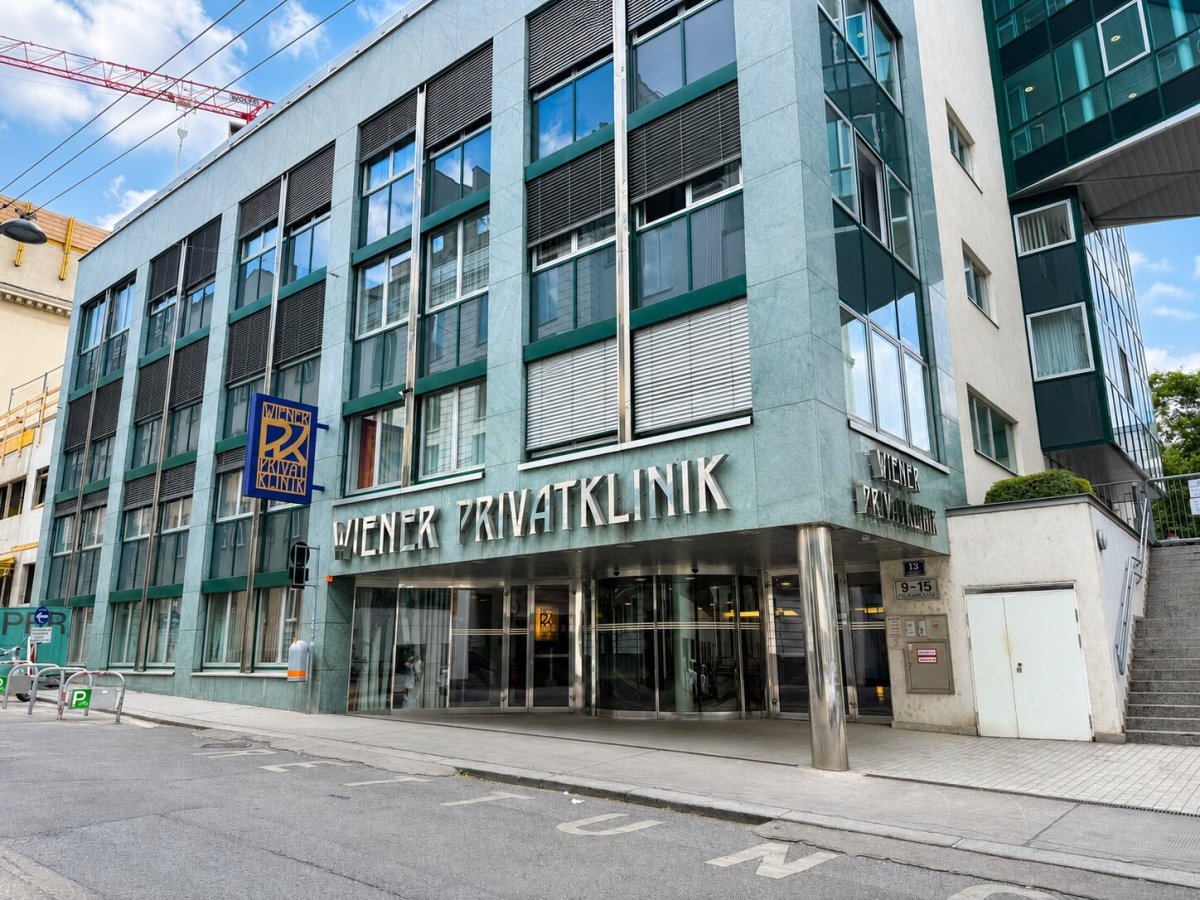
Bookimed Expert Insight: Complex blood disorders benefit from university-affiliated research centers. Vienna General Hospital (AKH) serves as the teaching hospital for the Medical University of Vienna. It features 1,600 doctors who manage rare cases through active research. For faster access to specialists like Dr. Wolfgang Köstler, Wiener Privatklinik offers interdisciplinary tumor boards. Private facilities provide rapid diagnostics for international patients needing immediate hematological care.
| Austria | España | Turquía | |
|---|---|---|---|
| Tratamiento sintomático | ≈ $1,500 | ≈ $900 | de $220 |
| Plasmaféresis | ≈ $2,000 | de $12,300 | de $3,200 |
| Intercambio de plasma | ≈ $3,800 | ≈ $2,400 | ≈ $3,900 |
| Aféresis terapéutica | ≈ $1,800 | ≈ $1,400 | de $4,500 |
Descubra las mejores clínicas de tratamiento de Trombocitopenia en Austria: 4 opciones verificadas y Precios








JUVENIS
Obtenga una evaluación médica para Trombocitopenia en Austria: consulte con doctores experimentados ahora
Ver todos los médicos
Wolfgang Köstler
Destacado oncólogo y profesor de la Universidad Médica de Viena, especializado en terapia sistémica personalizada contra el cáncer. Actualmente atiende pacientes en la Wiener Privatklinik.
- Más de 22 años de experiencia clínica e investigadora en oncología médica
- Especialista en el tratamiento del cáncer de mama y neoplasias ginecológicas
- Experto en terapias dirigidas contra el cáncer, inmunoterapia y medicina de precisión
- Ex subdirector de la División Clínica de Oncología del hospital universitario de Viena
- Autor de investigaciones sobre el desarrollo de biomarcadores y resistencia a los fármacos

Johannes Drach
El destacado oncólogo, el profesor Drach, dirige desde hace años una prestigiosa clínica de neoplasias mieloproliferativas. Ofrece consulta privada y dirección clínica en el Hospital Privado Confraternitaet de Viena.
- Profesor en la Universidad Médica de Viena
- Más de _doctor_551_años dirigiendo una clínica universitaria especializada en mieloma y linfoma
- Completó investigaciones especializadas en el M.D. Anderson Cancer Center en EE. UU.
- Formación continua en nutrición oncológica por la Universidad de Friburgo
- Ha publicado más de 120 artículos científicos en su campo

Alexander Hauswirth
El Prof. asociado (Priv.-Doz.) Dr. Alexander W. Hauswirth es especialista en medicina interna y hemato-oncología en JUVENIS. Desde 2010 es médico sénior responsable de Hematología/Hemostaseología y Oncología en la Clínica de Medicina Interna I de la Universidad Médica de Viena/AKH Viena, el hospital más grande de Austria.
Obtuvo su título de médico por la Universidad de Viena en 1999. Recibió la venia docendi (habilitación) en 2010 y fue nombrado profesor asociado en 2012. Completó una
Compartir contenido
Historias en video de pacientes de Bookimed
 Olena Sikoza
Preguntas frecuentes sobre el tratamiento de Trombocitopenia en Austria
¿Con qué recuento de plaquetas comenzará el tratamiento el hematólogo austriaco?
Los hematólogos austriacos suelen iniciar el tratamiento para la trombocitopenia cuando el recuento de plaquetas desciende por debajo de 20 000-30 000/µL. Las decisiones se toman de forma estrictamente individualizada. Los médicos priorizan los síntomas clínicos, como hemorragias o hematomas, por encima de los parámetros de laboratorio. Los factores de alto riesgo o las cirugías próximas pueden justificar una intervención más temprana con recuentos de plaquetas más elevados.
- Umbral de trombocitopenia inmune: El tratamiento generalmente se inicia cuando el recuento de plaquetas es inferior a 30 000/μL en pacientes con trombocitopenia de reciente diagnóstico.
- Nivel de transfusión sanguínea profiláctica: En pacientes estables, la transfusión sanguínea está indicada cuando el recuento de células sanguíneas cae por debajo de 10.000/µL.
- Monitorización de alto riesgo: La intervención se realiza a una concentración de 20.000/µL en presencia de infección o fiebre.
- Indicaciones quirúrgicas: Los médicos aumentan los niveles de plaquetas antes de procedimientos invasivos o intervenciones dentales.
Opinión de los expertos de Bookimed: Los principales especialistas austriacos, como el Dr. Johannes Drach de la Universidad Médica de Viena, se centran en las tendencias clínicas más que en los indicadores individuales. Los grandes centros académicos, como
¿Cuáles son las opciones de tratamiento de primera línea en Austria?
En Austria, el tratamiento de primera línea para la trombocitopenia incluye consultas con hematólogos e inmunogramas para un diagnóstico preciso. Los protocolos estándar incluyen el uso de corticosteroides, como la prednisona, o inmunoglobulina intravenosa (IGIV) para estabilizar rápidamente el recuento de plaquetas. Clínicas como el Hospital Privado de Viena y el Hospital General de Viena (AKH) ofrecen servicios de nivel universitario en Viena.
- Acceso a especialistas: Los pacientes pueden consultar directamente con hematólogos sin necesidad de ser derivados por su médico de cabecera.
- Pruebas diagnósticas: El inmunograma y los análisis de sangre especializados confirman la presencia de causas autoinmunes o sistémicas.
- Tratamiento inicial: La terapia pulsátil con prednisona o dexametasona se utiliza como principal intervención farmacológica.
- Medidas de emergencia: La transfusión de inmunoglobulina intravenosa o de plaquetas proporciona un alivio inmediato en caso de riesgo de hemorragia aguda.
Opinión experta de Bookimed: Los pacientes que buscan tratamiento en Viena se benefician de la concentración de conocimientos especializados en un solo lugar. El Hospital General de Viena (AKH) atiende a más de 595 000 pacientes al año y cuenta con los servicios de numerosos especialistas de clínicas privadas cercanas. Esto significa que los paciente
¿Qué tratamientos de segunda línea existen si el tratamiento inicial fracasa?
En Austria, los tratamientos de segunda línea para la trombocitopenia incluyen agonistas del receptor de la trombopoyetina (TPO-RA), rituximab o esplenectomía quirúrgica. Los especialistas recurren a estas opciones si los corticosteroides o la inmunoglobulina intravenosa resultan ineficaces. Los planes de tratamiento priorizan la estabilización plaquetaria para prevenir hemorragias, utilizando secuencias farmacológicas individualizadas y protocolos clínicos modernos.
- Fármacos dirigidos: Los agonistas del receptor TPO, como Revolade o Nplate, estimulan la producción de plaquetas.
- Inmunoterapia: El rituximab actúa sobre las células B, reduciendo los mecanismos de destrucción autoinmune de las plaquetas.
- Cirugía: La esplenectomía consiste en la extirpación del bazo para prevenir la liberación prematura de plaquetas.
- Terapia puente: En casos de emergencia, se utilizan transfusiones de plaquetas o altas dosis de esteroides para estabilizar la afección.
Opinión experta de Bookimed: Los centros de hematología austriacos, como el Hospital General de Viena (AKH), atienden a un gran volumen de pacientes, realizando más de 590 000 intervenciones quirúrgicas al año. Este alto volumen permite a especialistas de renombre, como el Dr. Wolfgang Köstler, perfeccionar los protocolos de tratamiento de segunda línea en función de los mecanismos de resistenci
¿Cubrirá el sistema público de seguro médico austriaco el coste de los medicamentos para la PTI avanzada?
El sistema público de salud austriaco cubre los medicamentos para el tratamiento de la trombocitopenia inmune progresiva, como los agonistas del receptor de TPO y los inhibidores de SYK. Se requiere la aprobación previa del médico de cabecera para la cobertura. El tratamiento generalmente se aprueba después de que los medicamentos de primera línea, como los corticosteroides o las inmunoglobulinas, no hayan logrado estabilizar el recuento de plaquetas.
- Protocolo de aprobación: El médico jefe (Chefarzt) debe autorizar la dispensación de medicamentos costosos para el tratamiento de la PTI.
- Necesidad clínica: Los hematólogos deben documentar el fracaso del tratamiento de primera línea o los efectos secundarios intolerables.
- Fuente de la receta: El medicamento debe ser recetado por médicos contratados por agencias gubernamentales o por clínicas en hospitales gubernamentales.
- Coste para el paciente: El coste estándar de los medicamentos aprobados es de aproximadamente 8 € por unidad de receta.
Opinión experta de Bookimed: Los datos sobre el volumen de pacientes señalan al Hospital Universitario de Viena (AKH) como el principal centro de tratamiento. Atiende a 595 000 pacientes anualmente e incluye 42 institutos universitarios. En casos complejos de PTI, los especialistas más destacados suelen ser profesores de la Universidad Médica de Viena. Es
¿Qué centros austriacos se especializan en el tratamiento de la trombocitopenia compleja o crónica?
En Austria, el tratamiento de casos complejos de trombocitopenia se ofrece en los principales departamentos de hematología universitarios y en centros privados acreditados. Entre las instituciones líderes se encuentran el Hospital General de Viena (AKH) y el Hospital Privado de Viena (Wiener Privatklinik). Estos centros utilizan métodos de diagnóstico avanzados, como inmunogramas, y ofrecen consultas con hematólogos cualificados para tratar la disfunción plaquetaria crónica.
- El Hospital Universitario AKH de Viena cuenta con seis laboratorios propios para realizar análisis de sangre exhaustivos.
- Experiencia especializada: La clínica privada Wiener Privatklinik emplea a más de 400 médicos, entre ellos profesores universitarios.
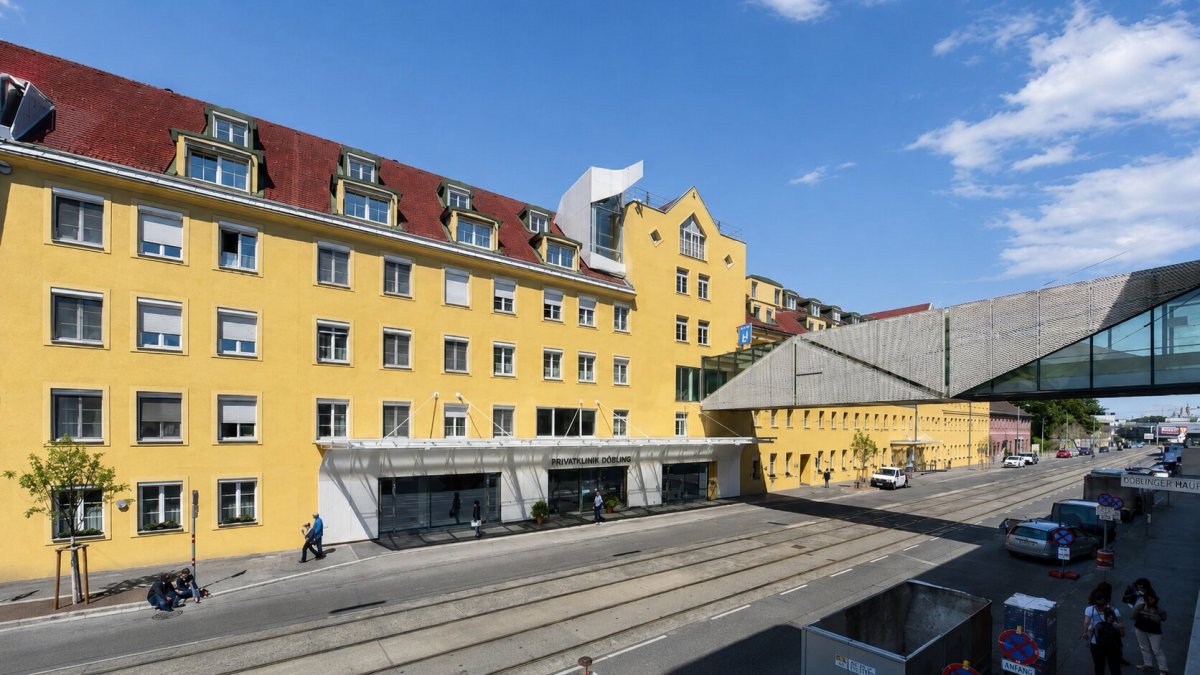
- Seguridad del paciente: El Hospital Privado Döbling implementa protocolos de seguridad que cumplen con los estándares JCI para casos complejos.
- Infraestructura clínica: Los grandes hospitales públicos, como el AKH, cuentan con 1.600 médicos para brindar atención médica multidisciplinaria.
Opinión de expertos de Bookimed: Si bien los hospitales universitarios públicos atienden el mayor volumen de casos, las clínicas privadas en Viena ofrecen un acceso más rápido a los mismos especialistas médicos de élite. Muchos especialistas destacados, como el Dr. Wolfgang Köstler, trabajan tanto en la Universidad Médica de Viena c
¿Necesitas una derivación médica para consultar con un hematólogo en Austria?
En Austria, no se requiere derivación médica para consultar a un hematólogo por trombocitopenia. Los especialistas privados de clínicas como la Wiener Privatklinik o el Hospital Privado Döbling atienden directamente a los pacientes. Quienes cuentan con seguro médico público suelen necesitar una derivación de su médico de cabecera para garantizar la cobertura total y el acceso prioritario.
- Acceso privado: Reserve citas directamente con especialistas, como el Dr. Johannes Drach, sin necesidad de derivación.
- Normativa de seguros: Por lo general, las compañías de seguros gubernamentales exigen una derivación médica para garantizar la cobertura y evitar problemas de reembolso.
- Tiempos de espera: Las derivaciones a otros especialistas suelen ayudar a agilizar las citas en centros concurridos como el Hospital General de Viena.
- Diagnóstico inicial: Los médicos de cabecera suelen realizar los análisis de sangre necesarios antes de recomendar una consulta con un hematólogo.
Opinión de expertos de Bookimed: Si bien las clínicas privadas como la Wiener Privatklinik ofrecen acceso directo a profesores de la Universidad Médica de Viena, suele ser más eficaz comenzar con un médico general. Nuestros datos muestran que los especialistas de renombre priorizan a los pacientes con una tendencia confirmada a tener recuentos bajos de plaquetas sobre aquellos q
¿Qué precauciones debo tomar diariamente durante el tratamiento?
Las precauciones diarias tienen como objetivo prevenir hemorragias y reducir el riesgo de lesiones cuando el recuento de plaquetas es bajo. Los pacientes deben evitar la aspirina y el ibuprofeno, ya que estos medicamentos dificultan aún más la coagulación sanguínea. Use una maquinilla de afeitar eléctrica para evitar cortes. Elija un cepillo de dientes con cerdas suaves para proteger las encías sensibles durante la higiene bucal.
- Precauciones de seguridad con los medicamentos: Evite tomar AINE como ibuprofeno o naproxeno para reducir el riesgo de hemorragia.
- Actividad física: Evite los deportes de contacto y levantar objetos pesados para prevenir hemorragias internas.
- Cuidado dental: Utilice cepillos de dientes suaves y evite el uso excesivo de hilo dental para detener el sangrado de las encías.
- Seguimiento de lesiones: Registre cualquier hematoma o petequia nueva y envíe fotografías a su hematólogo.
Opinión experta de Bookimed: Viena cuenta con una concentración única de especialistas universitarios. Muchos especialistas de la Clínica Privada de Viena y del Hospital General de Viena son profesores de la Universidad Médica de Viena. Esta conexión académica es fundamental para los pacientes con trombocitopenia. Investigadores como el Dr. Wolfgang Köstler y el Dr. Johannes Drach tratan casos complejos mediante investigación traslacional. Es