Trombocitopenia en Turquía: las 20 mejores clínicas para su tratamiento


Revisado médicamente por
Fahad Mawlood
Cómo funciona
¿Cuál es el precio del diagnóstico y los tratamientos de Trombocitopenia en Turquía? Descubra ahora
El costo total del tratamiento de trombocitopenia en Turquía varía según el plan de tratamiento. Un trasplante de médula ósea alogénico de un donante relacionado cuesta 61.000 €. Tanto un trasplante haploidéntico como un trasplante de donante no relacionado, incluida la búsqueda de donantes internacionales, tienen un precio de 89.000 €. Las consultas en línea tienen un precio de 103 €, y los análisis de sangre completos cuestan 4.700 €. El programa de tratamiento se determina después de una evaluación individual de cada paciente por un médico.
| España | Turquía | México | |
|---|---|---|---|
| Tratamiento sintomático | ≈ $900 | de $220 | ≈ $900 |
| Plasmaféresis | de $12,300 | de $3,200 | de $2,600 |
| Intercambio de plasma | ≈ $2,400 | ≈ $3,900 | ≈ $2,200 |
| Aféresis terapéutica | ≈ $1,400 | de $4,500 | ≈ $1,400 |
Descubra las mejores clínicas de tratamiento de Trombocitopenia en Turquía: 20 opciones verificadas y Precios












Memorial Ankara Hospital

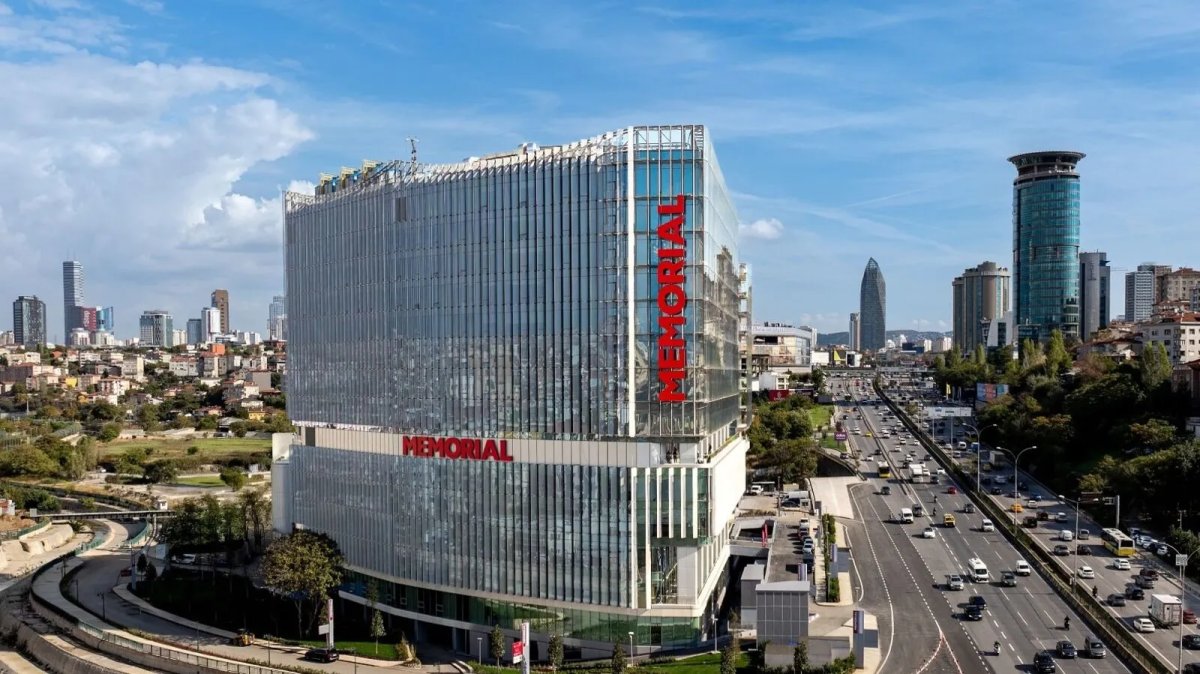
Memorial Göztepe Hospital


Dr. MED Clinic
Obtenga una evaluación médica de tratamiento de Trombocitopenia en Turquía: haga una consulta con 23 médicos experimentados ahora
Ver todos los médicos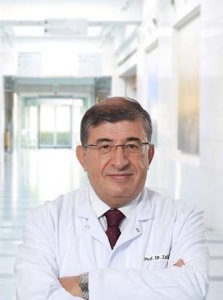
Zafer Gulbas
El Prof. Dr. Zafer Gulbas es uno de los principales hematólogos-oncólogos de Turquía, especializado en trasplantes de médula ósea en el Centro Médico Anadolu.
- Fundador del Centro de Trasplante de Médula Ósea en Anadolu
- Director de oncología médica desde 2005
- Formado en centros prestigiosos como Fred Hutchinson y MD Anderson
- Especializado en oncología hematológica

Omur Gokmen Sevindik
El Prof. Sevindik aporta su experiencia en la Clínica Mayo y más de _doctor_8431_ años en hematología, centrándose en trastornos sanguíneos complejos en el Hospital Florence Nightingale de Estambul.
- Especializado en hematología con enfoque en trombocitopenia
- Ha publicado 18 artículos en revistas internacionales revisadas por pares
- Formado en la Universidad Dokuz Eylül y en la Clínica Mayo
- Ha participado en múltiples ensayos clínicos

Bulent Eser
El profesor Bulent Eser se especializa en hematología con más de _doctor_9528_años_ de experiencia, centrándose en la trombocitopenia en el complejo hospitalario Medical Park Antalya.
- Certificado en Medicina Interna/Hematología
- Miembro del Grupo Europeo de Trasplante de Sangre y Médula Ósea (EBMT)
- Ex miembro de la facultad de la Universidad Erciyes
- Investigación publicada en oncología hematológica

Ceyhun Bozkurt
El profesor Bozkurt es un destacado hematólogo-oncólogo pediátrico en el hospital Medical Park Bahcelievler, con formación especializada en instituciones líderes de EE. UU. como el Cincinnati Children's Hospital.
- Más de _doctor_8094_ años de experiencia en hematología y oncología pediátrica
- Especialista en trasplante de células madre hematopoyéticas en niños
- Formado en el Dana-Farber Cancer Institute de Harvard en neurooncología
- Ha publicado más de 40 artículos revisados por pares sobre trastornos sanguíneos pediátricos
- Subdirector de la Unidad de Trasplante de Células Madre
Compartir contenido
Historias en video de pacientes de Bookimed
 Olena Sikoza
Preguntas frecuentes sobre el tratamiento de Trombocitopenia en Turquía
¿Qué causa mi trombocitopenia y es temporal?
La trombocitopenia ocurre cuando el conteo de plaquetas cae por debajo de 150,000 por microlitro. Las infecciones virales, los medicamentos o el embarazo a menudo causan caídas temporales. Los casos crónicos generalmente provienen de trastornos autoinmunes como la púrpura trombocitopénica inmune o problemas de médula ósea. El diagnóstico requiere un conteo sanguíneo completo y una consulta con un hematólogo.
- Desencadenantes infecciosos: Las enfermedades virales como la gripe o el COVID-19 causan disminuciones temporales de plaquetas.
- Efectos de los medicamentos: Ciertos antibióticos, quimioterapia o anticoagulantes pueden reducir los niveles temporalmente.
- Factores autoinmunes: Condiciones como la púrpura trombocitopénica inmune pueden llevar a la destrucción plaquetaria a largo plazo.
- Secuestro esplénico: Un bazo agrandado por enfermedad hepática puede almacenar demasiadas plaquetas.
- Herramientas de diagnóstico: Los especialistas utilizan inmunogramas y frotis de sangre para determinar si los casos son crónicos.
Perspectiva de expertos de Bookimed: Los centros de hematología turcos ofrecen experiencia de alto nivel para trastornos sanguíneos complejos. El Profesor Dr. Zafer Gulbas ha realizado más de 3,000 trasplantes de médula ósea. Elegir un centro con acreditación JCI garantiza una seguridad estandarizada p
¿Mi recuento de plaquetas es peligrosamente bajo?
Un recuento de plaquetas por debajo de 50,000 por microlitro se considera grave. Los niveles inferiores a 20,000 son críticos y plantean un alto riesgo de sangrado espontáneo. Los rangos normales se sitúan entre 150,000 y 450,000. Los centros de hematología turcos utilizan inmunogramas y aféresis terapéutica para estabilizar a los pacientes con trombocitopenia crítica.
- Rango leve: Los recuentos entre 101,000 y 140,000 normalmente no presentan peligro médico inmediato.
- Riesgo moderado: Los niveles de 51,000 a 100,000 aumentan los riesgos de sangrado durante lesiones o cirugías.
- Complicaciones graves: Por debajo de 50,000, los pacientes a menudo experimentan hematomas significativos y requieren precauciones clínicas inmediatas.
- Estado crítico: Los niveles inferiores a 20,000 requieren intervención urgente para prevenir sangrados internos o espontáneos peligrosos.
Perspectiva de expertos de Bookimed: Aunque los números importan, los especialistas turcos como el Prof. Dr. Osman Ilhan se centran intensamente en la aféresis y el intercambio de plasma. Los datos muestran que las clínicas líderes gestionan más de 250,000 pacientes anualmente. A menudo priorizan el tratamiento de la causa subyacente, como ITP o TTP, en lugar de solo el recuento. Confirme siempre si la clínica seleccionada cuenta con un banco de sangre en el lugar para transfusio
¿Cuáles son las opciones de tratamiento comunes en Turquía?
El tratamiento de la trombocitopenia en Turquía se centra en el manejo sintomático y la identificación de las causas raíz a través de la hematología avanzada. Los centros acreditados por la JCI ofrecen inmunogramas de diagnóstico y consultas con hematólogos. Especialistas como el Dr. Zafer Gulbas utilizan protocolos establecidos que incluyen esteroides e inmunoglobulina intravenosa para estabilizar los niveles de plaquetas y prevenir sangrados.
- Precisión diagnóstica: Los hematólogos utilizan inmunogramas y escáneres CT de 256 cortes para determinar el estado de las condiciones.
- Gestión médica: Los esteroides como la prednisona sirven como terapia estándar de primera línea para casos inmunológicos.
- Estabilización de emergencia: Los centros proporcionan inmunoglobulina intravenosa (IVIG) para un aumento rápido de plaquetas durante emergencias.
- Centros de alto volumen: El Hospital Universitario Medipol Mega atiende a 1,000,000 de pacientes anualmente con diagnósticos avanzados.
Perspectiva de expertos de Bookimed: Los centros de hematología turcos ofrecen una profundidad única, con el Dr. Zafer Gulbas habiendo realizado más de 3,300 procedimientos complejos. Esta experiencia impulsada por el volumen es crucial porque los trastornos plaquetarios a menudo enmascaran condiciones subyacentes. El acceso a tales especialistas de alto volumen en
¿Qué pasa si el primer tratamiento no funciona (PTI refractaria)?
La PTI refractaria ocurre cuando los tratamientos iniciales con esteroides no logran mantener niveles seguros de plaquetas. Los hematólogos turcos pasan a protocolos de segunda línea, que incluyen agonistas de los receptores de trombopoyetina, rituximab o esplenectomía. Los centros especializados en Estambul utilizan diagnósticos avanzados como inmunogramas para personalizar la terapia y estabilizar el recuento de plaquetas de manera efectiva.
- Medicamentos de segunda línea: Los TPO-RA como el eltrombopag estimulan la médula ósea para aumentar la producción de plaquetas.
- Aféresis avanzada: Técnicas como la plasmaféresis o la aféresis terapéutica ayudan a eliminar los anticuerpos dañinos.
- Intervención quirúrgica: La esplenectomía elimina el sitio principal de destrucción de plaquetas para una remisión a largo plazo.
- Biológicos dirigidos: El rituximab suprime las células del sistema inmunológico responsables de destruir las plaquetas.
Perspectiva de expertos de Bookimed: Los datos muestran que los principales hematólogos como el Prof. Osman Ilhan a menudo utilizan la aféresis terapéutica junto con la terapia farmacológica. Esta combinación puede ser un puente para los pacientes que no responden a los agentes de segunda línea estándar. Elegir un centro con banco de sangre y unidad de aféresis en el sitio es vital para los casos refractarios
¿Existen restricciones que deba seguir durante el tratamiento?
Los pacientes que tratan la trombocitopenia en Turquía deben seguir estrictos protocolos de seguridad para gestionar los riesgos de sangrado. Las restricciones principales incluyen evitar medicamentos anticoagulantes como la aspirina y los AINE. Debe limitar las actividades de alto impacto para prevenir hemorragias internas. Los centros de hematología especializados garantizan la seguridad mediante inmunogramas de diagnóstico detallados y consultas con hematólogos.
- Seguridad de los medicamentos: Evite la aspirina y los AINE a menos que su hematólogo los autorice específicamente.
- Actividad física: Evite los deportes de contacto y levantar objetos pesados para minimizar los riesgos de lesiones.
- Cuidado personal: Utilice cepillos de dientes suaves y afeitadoras eléctricas para evitar cortes en la piel.
- Monitoreo de síntomas: Informe inmediatamente cualquier sangrado nasal, sangrado de encías o moretones inusuales.
Perspectiva de expertos de Bookimed: Los centros de hematología turcos como el Hospital Universitario Medipol Mega y el Centro Médico Anadolu aprovechan los altos volúmenes de pacientes para perfeccionar los protocolos de seguridad. Profesores como el Dr. Zafer Gulbas utilizan la experiencia de más de 3,000 procedimientos para adaptar los cronogramas de restricciones individuales. Esta experiencia es vital porque estos centros at
¿Cómo puedo realizar un seguimiento de mi progreso si regreso a casa?
El seguimiento del progreso después del tratamiento de la trombocitopenia en Turquía implica monitorear las tendencias de las plaquetas a través de hemogramas completos regulares. Los pacientes se coordinan con un hematólogo local para evaluar los laboratorios de seguimiento. Comparar estos resultados con los documentos base del alta garantiza la estabilidad. Este enfoque sistemático identifica cambios en el recuento de células sanguíneas de manera temprana.
- Monitoreo de rutina: Programe hemogramas completos repetidos con un hematólogo local regularmente.
- Registro de síntomas: Anote nuevos moretones, petequias o sangrado inusual en un diario diario.
- Comparación de referencia: Compare los resultados de laboratorio locales con los datos de alta de las clínicas turcas.
- Coordinación de expertos: Asegúrese de que los médicos locales reciban los detalles del tratamiento y los rangos de plaquetas objetivo.
Perspectiva de expertos de Bookimed: Los datos de los pacientes muestran que clínicas establecidas como el Centro Médico Anadolu y el Hospital Hisar atienden a más de 65,000 a 250,000 pacientes anualmente. Estos centros de alto volumen a menudo proporcionan resúmenes de alta detallados basados en los estándares de tratamiento estadounidenses. Un consejo no obvio es asegurarse de que su informe de laboratorio turco final incluya su línea base
¿Hay médicos que hablen inglés?
Los hospitales privados turcos emplean a muchos hematólogos que hablan inglés. Estos especialistas suelen formarse en los EE. UU., el Reino Unido o Japón. Los centros acreditados por la Joint Commission International cuentan con departamentos internacionales dedicados. Estos equipos gestionan la coordinación y la traducción médica para pacientes con trombocitopenia durante toda su estancia.
- Formación especializada: Médicos como el Dr. Zafer Gulbas y el Dr. Ceyhun Bozkurt se formaron en importantes instituciones estadounidenses.
- Credenciales avanzadas: Los especialistas a menudo son miembros de las asociaciones estadounidense o europea de hematología.
- Apoyo lingüístico: Las instalaciones acreditadas como el Anadolu Medical Center proporcionan intérpretes especializados para consultas médicas.
- Accesibilidad a recursos: Los principales hospitales de Estambul proporcionan todos los informes médicos y las instrucciones de alta en inglés.
Perspectiva de expertos de Bookimed: Aunque muchos médicos parecen hablar inglés con fluidez, los que trabajan en centros afiliados a universidades suelen tener estándares de comunicación más altos debido a sus publicaciones activas. El Dr. Osman Ilhan tiene más de 300 publicaciones en PubMed y más de 5,000 citas. Este enfoque académico garantiza que estén profundamente familiarizados con la terminología méd