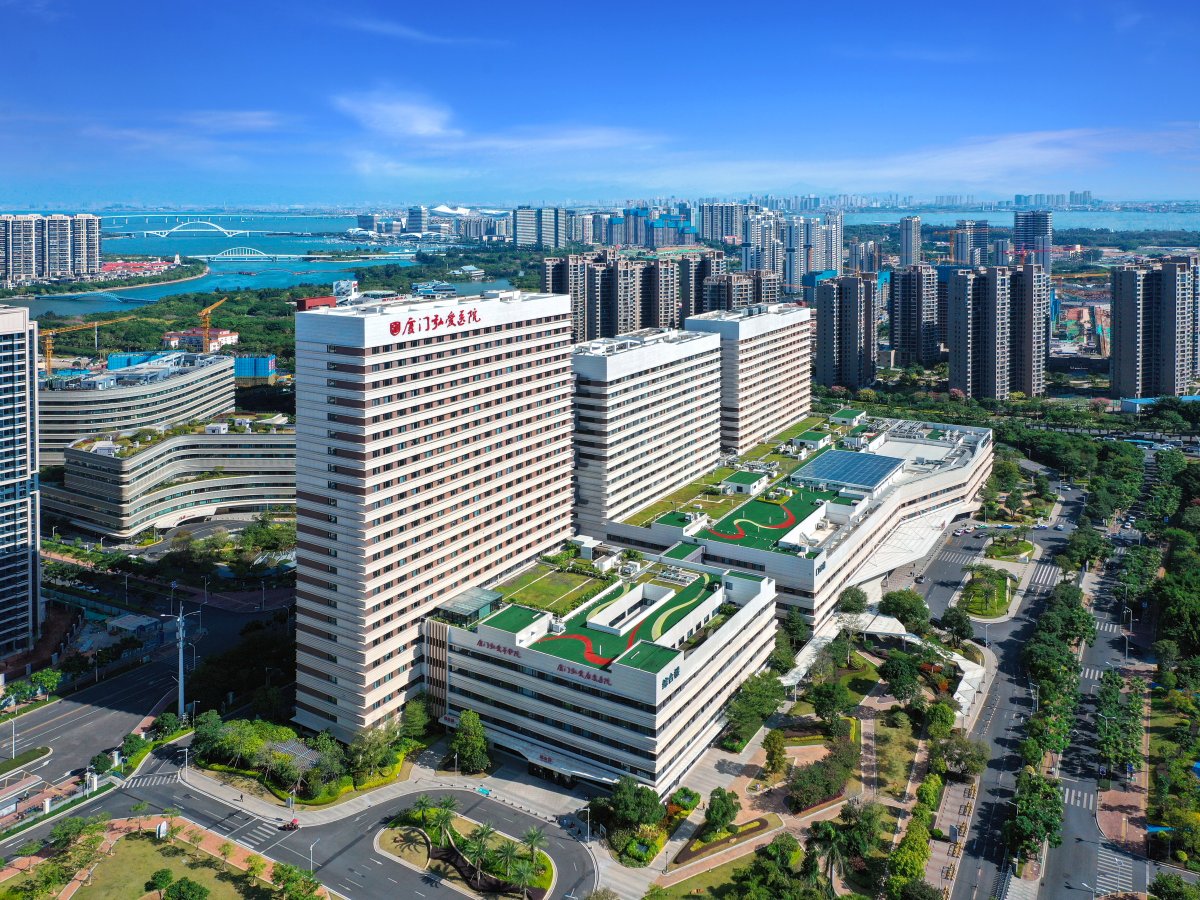
Hospital Xiamen Humanity
China, Xiamen


Revisado médicamente por
Fahad Mawlood
El tratamiento de narcología y alcoholismo en China suele costar entre $2,500 y $7,500. Los gastos finales dependen del tipo de centro, como hospitales públicos o clínicas internacionales privadas, y de la duración de la estancia requerida. Los pacientes que eligen China a menudo pueden encontrar ahorros del 40-60% en comparación con los EE. UU.
Costos típicos de narcología y alcoholismo en China
La mayoría de los centros especializados en adicciones se encuentran en centros importantes como Pekín y Shanghái. Si bien las instalaciones públicas son más asequibles, las clínicas privadas en estas ciudades ofrecen programas internacionales especializados. Consulte con un especialista para obtener precios precisos para su plan de recuperación específico.
| China | España | Turquía | |
|---|---|---|---|
| Tratamiento de la adicción a las drogas | ≈ $2,500 | de $13,200 | de $11,000 |
Bookimed no añade cargos extra a los precios de los tratamientos de Narcología y alcoholismo. Las tarifas proceden de las listas de precios oficiales de las clínicas. Pagará directamente en la clínica por su tratamiento a su llegada al país.
Bookimed está comprometido con su seguridad. Solo trabajamos con las clínicas que mantienen altos estándares internacionales en el tratamiento de Narcología y alcoholismo y tienen las licencias necesarias para atender a pacientes internacionales en todo el mundo.
Bookimed ofrece asistencia experta gratuita. Un coordinador médico personal le apoya antes, durante y después del tratamiento, resolviendo cualquier problema. Nunca estará solo en su viaje médico de procedimientos de Narcología y alcoholismo.

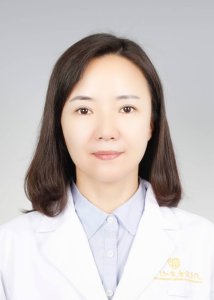
La profesora Liang Xiaoxiao es Directora del Departamento y Jefa de Servicio de Neurorrehabilitación. Cuenta con una maestría en neurología. Es experta en neuromodulación para trastornos de la conciencia, la cognición y el movimiento. Su labor se centra en casos de enfermedad cerebrovascular, enfermedad de Parkinson y afecciones relacionadas. También realiza inyecciones de toxina botulínica guiadas por ecografía para el blefaroespasmo, el espasmo hemifacial, la espasticidad de las extremidade


Escrito por Kateryna Zamkovska
 Olena Sikoza
El tratamiento del alcoholismo en China para turistas médicos se basa en un modelo integrador que fusiona Oriente y Occidente. Este enfoque combina la desintoxicación farmacológica occidental con la medicina tradicional china (MTC). Instituciones como el Hospital Humanitario de Xiamen ofrecen tratamiento intensivo en grandes centros médicos terciarios. Los programas suelen incluir acupuntura, fitoterapia y supervisión clínica.
Opinión de expertos de Bookimed: Los grandes hospitales chinos tienen una ventaja única a la hora de tratar casos complejos. El Hospital Humanitario de Xiamen atiende a 1.000.000 de pacientes al año y emplea a 460 médicos. Este elevado volumen de pacientes garantiza que los equipos clínicos cuenten con una amplia experiencia en el tratamiento de diversas necesidades médicas. Esta infraestructura permite
En China, la rehabilitación voluntaria la inician los propios pacientes en centros médicos. Esta ofrece alivio ante las sanciones administrativas por consumo de drogas en el pasado. El tratamiento obligatorio, impuesto por el Estado durante dos años, se lleva a cabo en centros de detención de alta seguridad administrados por el poder judicial. Los programas voluntarios se centran en la rehabilitación médica con plazos flexibles.
Opinión de expertos de Bookimed: Si bien las opciones voluntarias son menos restrictivas, los hospitales terciarios como el Hospital Humanitario de Xiamen se centran en atender a pacientes internacionales. Estas grandes instituciones atienden a más de 1.000.000 de pacientes al año y sue
En China, se encuentran disponibles medicamentos occidentales para reducir la adicción a las drogas, como la naltrexona y la metadona, utilizadas para tratar la adicción a los opioides y al alcohol. La buprenorfina se usa principalmente en forma inyectable durante la desintoxicación. Los medicamentos convencionales como el acamprosato y el disulfiram generalmente no están aprobados ni se distribuyen oficialmente a través de los canales médicos en China continental.
Opinión de expertos de Bookimed: Si bien la disponibilidad de medicamentos occidentales es limitada, importantes instituciones médicas como el Hospital Humanitario de Xiamen se centran en un enfoque integral del tratamiento. Esta clínica atiende a 1.000.000 de pacientes anualmente y está acreditada para reali
La medicina tradicional china (MTC) reduce las ansias de consumir alcohol y alivia los síntomas agudos de la abstinencia. Utiliza la acupuntura y la fitoterapia para equilibrar el sistema nervioso y proteger los órganos. Las investigaciones demuestran que regula los niveles de dopamina y estabiliza la respuesta del organismo al estrés durante la desintoxicación.
Opinión de expertos de Bookimed: Los centros médicos chinos especializados, como el Hospital Humanístico de Xiamen, suelen integrar la medicina occidental con los protocolos de la medicina tradicional china. Este enfoque dual es común entre las instituciones que atienden a más de 1.000.000 de pacientes al año. Elegir un hospital importante garantiza el acceso tanto a ensayos clínicos modernos como al conocimiento de la medicina tradicional a base de hierbas, todo bajo un m
Los turistas médicos encuentran programas en inglés en China principalmente en hospitales internacionales privados, como United Family Healthcare en Pekín. Estas instituciones ofrecen servicios ambulatorios para el tratamiento de adicciones y consultas psiquiátricas. Los departamentos internacionales de los principales hospitales públicos también brindan apoyo bilingüe para necesidades médicas especializadas.
Opinión de los expertos de Bookimed: Los datos prácticos muestran una brecha entre las capacidades de la medicina general y el tratamiento especializado de adicciones. El Hospital Humanitario de Xiamen atiende a 1.000.000 de pacientes al año en 1.000 camas. Sin embargo, los programas de tratamiento de adicciones dirigidos por especialistas de Inglaterra siguen concentrados en centros privados de Pekín y Shanghái,
En China, el estigma social rara vez representa un obstáculo significativo para los extranjeros que buscan tratamiento para la drogadicción. Mientras que los locales se enfrentan a una intensa presión debido a la vergüenza familiar, los pacientes extranjeros suelen encontrarse con un entorno profesional y distante. Los principales desafíos para los extranjeros, en cambio, incluyen la barrera del idioma y la necesidad de cumplir con los requisitos administrativos específicos del hospital.
Opinión de expertos de Bookimed: Los datos sugieren que las grandes instituciones médicas, como el Hospital Humanitario de Xiamen, priorizan los estándares de los ensayos clínicos. Este entorno técnico suele pasar por alto las consideraciones culturales relacionadas con la preservación de la reputación, típicas de las clín