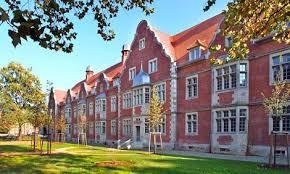
Hospital Havelhoehe
Alemania, Berlín


Revisado médicamente por
Fahad Mawlood
El tratamiento de narcología y alcoholismo en Alemania suele costar entre $11,000 y $18,500. Los costes finales dependen de la duración del programa de rehabilitación, los métodos de desintoxicación específicos requeridos y si el paciente elige atención hospitalaria o ambulatoria. Alemania ofrece atención clínica de alto nivel con protocolos médicos estructurados para la recuperación de adicciones.
Costes típicos de narcología y alcoholismo en Alemania
Los centros de rehabilitación especializados se encuentran principalmente en Berlín, Múnich y Düsseldorf, y ofrecen programas de recuperación integrales. Los precios se mantienen relativamente constantes en estos centros médicos debido a las regulaciones sanitarias federales. Para obtener precios precisos para sus necesidades de recuperación específicas, consulte con un especialista para obtener un plan personalizado.
| Alemania | España | Turquía | |
|---|---|---|---|
| Tratamiento de la adicción a las drogas | ≈ $11,000 | de $13,300 | de $11,000 |
Bookimed no añade cargos extra a los precios de los tratamientos de Narcología y alcoholismo. Las tarifas proceden de las listas de precios oficiales de las clínicas. Pagará directamente en la clínica por su tratamiento a su llegada al país.
Bookimed está comprometido con su seguridad. Solo trabajamos con las clínicas que mantienen altos estándares internacionales en el tratamiento de Narcología y alcoholismo y tienen las licencias necesarias para atender a pacientes internacionales en todo el mundo.
Bookimed ofrece asistencia experta gratuita. Un coordinador médico personal le apoya antes, durante y después del tratamiento, resolviendo cualquier problema. Nunca estará solo en su viaje médico de procedimientos de Narcología y alcoholismo.


Escrito por Kateryna Zamkovska
 Olena Sikoza
El tratamiento de la adicción al alcohol está ampliamente cubierto por el seguro médico alemán al ser una enfermedad legalmente reconocida. Tanto las aseguradoras públicas como las privadas financian la desintoxicación y rehabilitación médicamente necesarias. La cobertura incluye de 7 a 21 días de desintoxicación hospitalaria. También abarca terapias a largo plazo y programas de prevención de recaídas.
Opinión del experto de Bookimed: Nuestros datos muestran que los grandes centros académicos como el Medical Center Rechts der Isar atienden a más de 321.000 pacientes al año. Estas instalaciones de alto volumen a menudo brindan un acceso más rápido a diagnósticos complejos. Elegir un centro con departamentos especializados garantiza que todos los problemas de salud secundarios se traten bajo un mismo techo. Este enfoque integrado mejora significativamente la estabilidad de la recuperación a largo plazo.
Los programas alemanes de adicción al alcohol siguen un modelo médico clínico de varias fases que enfatiza la reintegración social a largo plazo. El tratamiento suele incluir una fase de desintoxicación bajo supervisión médica de 1 a 2 semanas, seguida de una rehabilitación intensiva. Los programas suelen durar de 3 a 6 meses en centros especializados como el Hospital Havelhoehe en Berlín.
Perspectiva del experto de Bookimed: Los datos de los principales centros médicos alemanes muestran que elegir una clínica dentro de un complejo de rehabilitación, como la Clínica Kerckhoff en Bad Nauheim, mejora significativamente el entorno de recuperación. Estas ubicaciones utilizan su en
El tratamiento de la adicción al alcohol en Alemania requiere generalmente de 4 a 12 semanas para un programa de recuperación integral. Los protocolos estándar incluyen 1 semana para la desintoxicación médica. Esto es seguido por 3 a 11 semanas de terapia intensiva y estabilización. Los casos graves pueden extenderse hasta 6 meses.
Perspectiva del experto de Bookimed: Los centros médicos alemanes como el Medical Center Rechts der Isar y el Hospital Havelhoehe gestionan volúmenes masivos de pacientes, alcanzando cientos de miles al año. Esta alta frecuencia permite a estos centros multidisciplinarios integrar diagnósticos avanzados, como exámenes complejos de drogadicción, directamente en las primeras 48 horas. Elegir un centro en una ciudad balneario como Bad Nauheim también puede mejorar los resultados al eliminar los desencadenantes ambiental
Los tiempos de espera para la terapia contra el alcoholismo en Alemania dependen en gran medida del tipo de centro y de la urgencia. La rehabilitación pública hospitalaria a menudo implica retrasos de 4 a 12 semanas. Las clínicas privadas suelen ofrecer la admisión en cuestión de días para una terapia intensiva. El tratamiento de abstinencia aguda generalmente proporciona acceso el mismo día a través de admisiones de emergencia.
Perspectiva de expertos de Bookimed: La ubicación geográfica dicta su cronograma de tratamiento más que el tamaño de las instalaciones. Los principales centros médicos como Múnich, sede del Centro Médico Rechts der Isar, a menudo enfrentan una mayor demanda. Nuestros datos sugieren que buscar terapia en ciudades más pequeñas o en centros académicos como el Hospital Havelhoehe en Berlín a veces puede evitar la espera de 12 semanas típica d
Berlín y Múnich son los principales centros para el tratamiento internacional de la adicción al alcohol en Alemania. Estas ciudades albergan centros académicos como las clínicas afiliadas a la Charité y aquellas clasificadas por Newsweek. Las instalaciones aquí proporcionan diagnósticos complejos y terapia intensiva para trastornos por consumo de sustancias en entornos de habla inglesa.
Perspectiva del experto de Bookimed: Aunque Berlín es famosa por su excelencia clínica, los pacientes a menudo pasan por alto Bad Nauheim. La Clínica Kerckhoff se encuentra en una ciudad balneario dedicada. Este entorno limita naturalmente el acceso a los desencadenantes urbanos. Elegir una clínica en una ciudad centrada en la rehabilitación puede proporcionar una base más sólida para la recuperación a largo plazo que alojarse en un centro importante de vida nocturna.<
Alemania alberga algunos de los departamentos de neurocirugía más prestigiosos del mundo, liderados por la Charité – Universitätsmedizin Berlin y el Hospital Universitario de Heidelberg. Estos centros destacan en el tratamiento de tumores cerebrales complejos y enfermedades cerebrovasculares. Para maximizar la eficacia de sus procedimientos, utilizan tecnologías de vanguardia como la resonancia magnética intraoperatoria y la neuronavegación asistida por computadora.
Opinión experta de Bookimed: Los datos muestran que elegir centros con un alto volumen quirúrgico suele llevar a recomendaciones de tratamiento más conservadoras. En el Centro Médico Solingen, que atiende a más de 60.000 pacientes al año, los cirujanos suelen sugerir fisioterapia en lugar de cirugía
En Alemania, los procedimientos neuroquirúrgicos de alta complejidad demuestran una seguridad excepcional. Las tasas de éxito en las fusiones espinales alcanzan el 99 %. La tasa de supervivencia en las resecciones de tumores cerebrales primarios es del 97 %. La independencia funcional es alta. Más del 82 % de los pacientes reciben el alta inmediatamente después del tratamiento. Los centros alemanes priorizan la preservación de la función neurológica mediante técnicas modernas de mapeo.
Opinión experta de Bookimed: Cirujanos experimentados como el Dr. Uwe Köhler, de la Clínica Asklepios Altona, realizan más de 2000 cirugías al año. Los datos muestran que estos especialistas mantienen tasas de éxito de hasta el 90 %, incluso en los tumores cerebrales más comp
Las clínicas neuroquirúrgicas alemanas incorporan regularmente instrumentos digitales de alta precisión y visualización en tiempo real a la práctica quirúrgica. Entre las tecnologías clave se encuentra la neuronavegación computarizada para cirugías de cerebro y médula espinal. Instituciones como la Clínica Asklepios Nord utilizan la resonancia magnética intraoperatoria para verificar la extirpación de tumores en tiempo real. Estos sistemas proporcionan a los cirujanos navegación GPS 3D.
Opinión experta de Bookimed: Grandes centros como la Charité – Universitätsmedizin de Berlín realizan más de 4000 procedimientos neuroquirúrgicos al año, lo que crea un entorno rico en datos para p
En Alemania, los neurocirujanos deben completar una residencia especializada de seis años tras graduarse de la facultad de medicina. Este programa estructurado incluye cuidados intensivos, práctica clínica y una revista quirúrgica obligatoria. Posteriormente, los candidatos aprueban un examen estatal para obtener el título de residente (Facharzt für Neurochirurgie).
Opinión experta de Bookimed: La formación neuroquirúrgica alemana se centra en una amplia experiencia quirúrgica. Por ejemplo, el Dr. Ralf Buhl, del Centro Médico Solingen, ha realizado más de 4000 cirugías. El Dr. Jürgen Kiwit, del Hospital Meoklinik, cuenta con más de 25 años de experiencia. Este riguroso sistema garantiza que los especialistas de los principales centros aborden casos complejos con una precisión demostrada.
Comentarios de los pacientes: Los pacientes se sienten seguros al saber que sus médicos han recibido año
Los neurocirujanos extranjeros deben cumplir estrictos requisitos de idioma y licencia para realizar formación o prácticas en Alemania. La formación requiere una licencia médica válida o un permiso temporal. Los internos deben obtener la autorización de un hospital específico. Ambas opciones requieren un alto nivel de alemán para participar en debates clínicos y realizar procedimientos quirúrgicos complejos con seguridad.
Opinión experta de Bookimed: Las clínicas alemanas con un alto volumen de pacientes, como Nordwest Clinic o Asklepios Nord, suelen priorizar a los candidatos que ya han pasado una evaluación preliminar de la documentación. Nuestros datos muestran que profesores como el Dr. Uwe Köhler y el D