Aterosclerosis en China: clínicas verificadas para su tratamiento


Revisado médicamente por
Fahad Mawlood
¿Cuál es el precio del diagnóstico y los tratamientos de Aterosclerosis en China? Descubra ahora
| China | España | Turquía | |
|---|---|---|---|
| Aféresis terapéutica | ≈ $900 | ≈ $1,400 | de $4,500 |
| Aféresis de LDL | ≈ $700 | ≈ $1,100 | ≈ $450 |
Sus beneficios y garantías con Bookimed
Precios directos
Bookimed no añade cargos extra a los precios de los tratamientos de Aterosclerosis. Las tarifas proceden de las listas de precios oficiales de las clínicas. Pagará directamente en la clínica por su tratamiento a su llegada al país.
Sólo clínicas y médicos verificados
Bookimed está comprometido con su seguridad. Solo trabajamos con las clínicas que mantienen altos estándares internacionales en el tratamiento de Aterosclerosis y cuentan con las licencias necesarias para atender a pacientes internacionales en todo el mundo.
Asistencia 24/7 gratuita
Bookimed ofrece asistencia experta gratuita. Un coordinador médico personal le apoya antes, durante y después de su tratamiento, resolviendo cualquier problema. Nunca estará solo en su viaje médico de tratamiento de Aterosclerosis.

Su coordinador médico personal de Bookimed
- Le apoya en cada etapa
- Ayuda a elegir la clínica y el médico adecuados
- Asegura un acceso rápido y conveniente a la información
Descubra las mejores clínicas de tratamiento de Aterosclerosis en China: 2 opciones verificadas y Precios


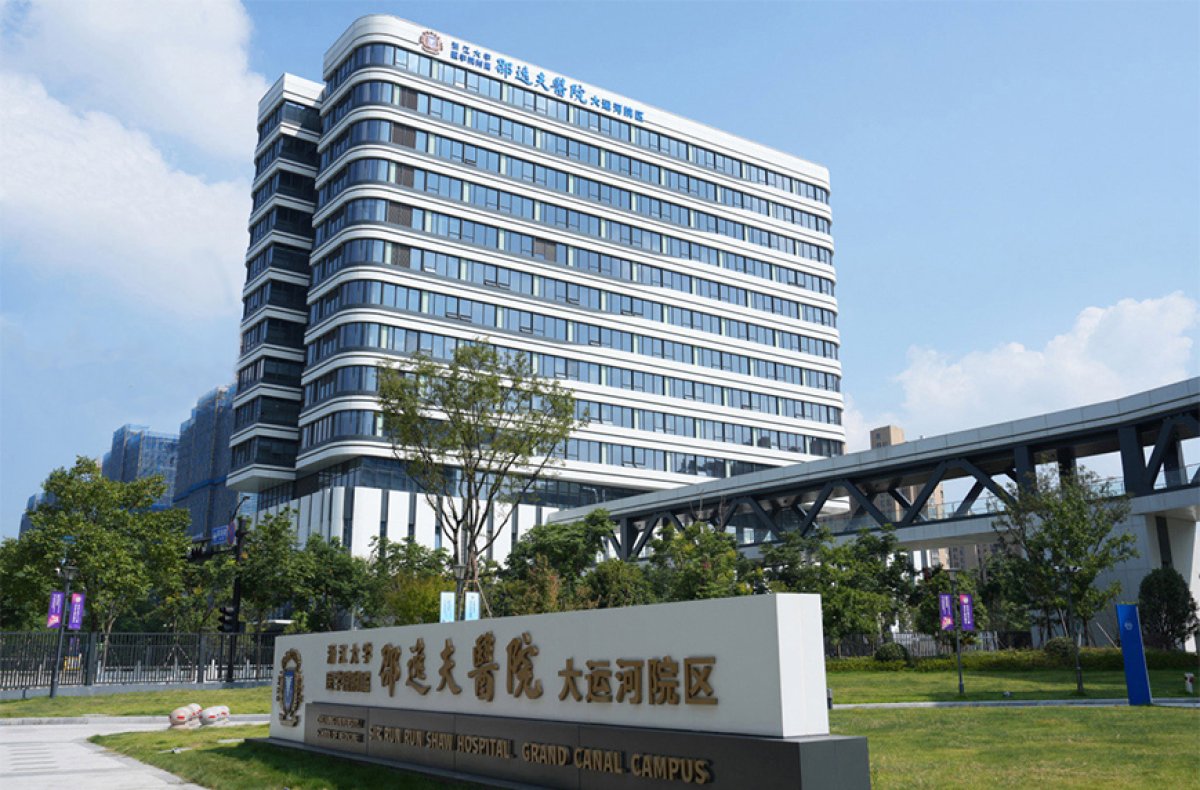

Obtenga una evaluación médica para Aterosclerosis en China: consulte con doctores experimentados ahora
Ver todos los médicos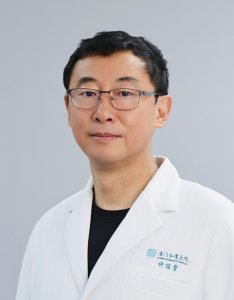
Xu Juntang
El Dr. Xu Juntang, MD, es investigador posdoctoral, médico jefe y tutor de maestría. Es director de Medicina Cardiovascular del Xiamen Humanity Hospital. Su labor se centra en la prevención y el tratamiento de enfermedades cardiovasculares y trombóticas, entre ellas la cardiopatía coronaria, la hipertensión, la insuficiencia cardíaca, las arritmias y las emergencias. Es experto en pruebas de biomarcadores cardiovasculares.
Brinda atención estandarizada para el tromboembolismo asociado

Shu Yue
Wu Yanxian
Compartir contenido
Historias en video de pacientes de Bookimed
 Olena Sikoza
Preguntas frecuentes sobre el tratamiento de Aterosclerosis en China
¿Combinan los hospitales chinos las técnicas de cardiología occidental con la Medicina Tradicional China para tratar la aterosclerosis?
Los hospitales chinos integran formalmente la cardiología occidental con la Medicina Tradicional China (MTC) para tratar la aterosclerosis. Centros como el Yanda International Hospital combinan protocolos internacionales con enfoques tradicionales. Los médicos utilizan diagnósticos occidentales para la atención aguda junto con hierbas de MTC para mejorar el flujo sanguíneo y controlar los efectos secundarios.
- Doble diagnóstico: Los médicos utilizan tomografías computarizadas occidentales y ecografías intravasculares junto con la diferenciación de síndromes tradicional.
- Farmacoterapia formulada: Los pacientes reciben estatinas y antiagregantes plaquetarios junto con formulaciones de medicamentos patentados chinos regulados.
- Apoyo posquirúrgico: Las hierbas de MTC ayudan a reducir los riesgos de reobstrucción después de la colocación de un stent o una cirugía de bypass.
- Terapia de acupuntura: Las salas clínicas utilizan la acupuntura para ayudar a regular la presión arterial y calmar el sistema nervioso.
Perspectiva del experto de Bookimed: Aunque la integración es común, los centros mejor valorados como el Yanda International Hospital mantienen el estatus de Clase A Nivel III. Esta calificación garantiza que los estándares quirúrgicos occidentales cumplan con los requisitos nacionales más altos. Nuestros datos muestran que estos hospital
¿Qué tan seguros y tecnológicamente avanzados son los hospitales chinos para procedimientos cardiovasculares complejos?
Los hospitales chinos de primer nivel son altamente seguros para procedimientos cardiovasculares complejos, ofreciendo tecnología de clase mundial y tasas de supervivencia. Los centros líderes en Pekín y Shanghái utilizan sistemas robóticos nacionales y quirófanos híbridos. Estas grandes instalaciones a menudo cuentan con la acreditación de la Joint Commission International (JCI), lo que garantiza el estricto cumplimiento de los protocolos de seguridad internacionales.
- Profundidad tecnológica: Las instalaciones utilizan telerobótica avanzada y sistemas de válvulas transcatéter desarrollados internamente.
- Estándares de seguridad: Los hospitales a nivel provincial reportan tasas de supervivencia tras ataques cardíacos que alcanzan el 96,9 %.
- Volumen quirúrgico: Centros de alto volumen como el Yanda International Hospital atienden a 2.500.000 pacientes anualmente.
- Capacidad híbrida: Más de 30 quirófanos híbridos avanzados permiten cirugías combinadas abiertas y por catéter.
Opinión de expertos de Bookimed: Aunque muchos buscan centros cardíacos especializados, busque la acreditación de Clase A Nivel III. Esta es la calificación hospitalaria más alta de China. El Yanda International Hospital posee este estatus y la acreditación JCI. Los datos muestran que estas clínicas de primer nivel gestionan 9.000 operaciones al año. Este volumen masivo
¿Qué formulaciones de hierbas chinas han sido sometidas a rigurosos ensayos clínicos para la aterosclerosis?
Xuezhikang, Tongxinluo y Shexiang Baoxin son las formulaciones de hierbas chinas más rigurosamente probadas para la aterosclerosis. Los ensayos clínicos aleatorizados a gran escala demuestran su eficacia en la reducción del colesterol de lipoproteínas de baja densidad (LDL-C). Estos tratamientos reducen con éxito los eventos coronarios mayores y estabilizan las placas arteriales.
- Xuezhikang (Arroz de levadura roja): Redujo los eventos coronarios mayores en un 45 % en el ensayo CCSPS.
- Cápsulas de Tongxinluo: Ralentizaron el engrosamiento de la arteria carótida y redujeron el tamaño de la placa en ensayos multicéntricos.
- Pastillas de Shexiang Baoxin: Disminuyeron la inflamación vascular y redujeron la frecuencia de la angina en el ensayo MUST.
- Inyección de Danhong: Mejoró los perfiles lipídicos y estabilizó las placas vulnerables en ensayos clínicos posteriores a la comercialización.
Perspectiva del experto de Bookimed: El Hospital Internacional Yanda en Pekín integra estos enfoques tradicionales con protocolos internacionales. Como clínica de clase A de nivel III, atiende a 2.500.000 pacientes al año. Este alto volumen permite a los médicos perfeccionar las estrategias de reducción de lípidos. A menudo combinan terapias a base de hierbas con tratamientos avanzados como la aféresis de LDL. Esta combinación apunta a la estabilidad de la pl
¿Cuál es la duración típica de la estancia necesaria para el diagnóstico y tratamiento de la aterosclerosis en China?
Una estancia típica para el tratamiento de la aterosclerosis en China oscila entre 3 y 16 días. Las evaluaciones diagnósticas suelen requerir de 1 a 3 días. Procedimientos como la colocación de stents o la angioplastia suelen necesitar de 3 a 7 días. Las cirugías vasculares complejas o la estabilización tras un ictus a menudo requieren hasta 16 días de hospitalización.
- Evaluación diagnóstica: Las pruebas estándar suelen llevar de 1 a 3 días si se ingresa.
- Colocación de stent electiva: Los procedimientos planificados suelen requerir de 3 a 7 días en el hospital.
- Cirugía avanzada: Las estancias tras un bypass o una cirugía vascular mayor suelen superar los 7 días.
- Eventos agudos: Los casos de ictus o infarto de miocardio requieren de 11 a 16 días.
Opinión de expertos de Bookimed: Los pacientes deben priorizar los hospitales de clase A de nivel III acreditados por la JCI, como el Yanda International Hospital. Estas instalaciones manejan volúmenes masivos, como 2.500.000 pacientes al año. Un alto volumen a menudo conduce a un procesamiento diagnóstico más rápido. Dichos centros combinan protocolos internacionales con enfoques tradicionales. Esta combinación puede dar lugar a estancias más cortas que en los hospitales regionales más pequeños.
Consenso de los pacientes: Los pacientes señalan que los hospitales chinos s
¿Son seguros los medicamentos cardiovasculares de la MTC para pacientes internacionales?
Los medicamentos cardiovasculares de la Medicina Tradicional China (MTC) son seguros cuando son supervisados por profesionales cualificados en centros acreditados por la JCI. Ensayos recientes con 36.000 pacientes demuestran altos niveles de seguridad cardíaca. Los pacientes internacionales deben asegurarse de que las formulaciones provengan de hospitales de clase A de nivel III. Esto garantiza una fabricación estandarizada e ingredientes certificados.
- Validación clínica: Ensayos a gran escala confirman una baja toxicidad en fórmulas cardíacas patentadas registradas.
- Estándares hospitalarios: Los centros de clase A de nivel III mantienen los protocolos de seguridad más estrictos.
- Estandarización: La fabricación moderna asegura que la concentración bioactiva permanezca constante en todos los lotes.
- Supervisión profesional: Profesionales cualificados supervisan cuidadosamente las posibles interacciones con medicamentos cardíacos occidentales.
Perspectiva de expertos de Bookimed: Mientras muchos buscan hierbas individuales, el Hospital Internacional Yanda atiende a más de 2.500.000 pacientes al año integrando la MTC con protocolos internacionales. Elegir clínicas con acreditación JCI es vital para la seguridad. Estas instituciones verifican cada lista de ingredientes en inglés. Este puente entre la medicina tradicional y la moderna previen
¿Afectan las barreras idiomáticas a las consultas o tratamientos cardíacos?
Las barreras idiomáticas afectan significativamente a las consultas cardíacas al aumentar el riesgo de diagnósticos erróneos y errores de medicación. En China, las brechas de comunicación pueden retrasar el reconocimiento de un paro cardíaco en 18 segundos. La mala interpretación de síntomas como la presión opresiva frente al dolor punzante afecta directamente la precisión del tratamiento de la aterosclerosis y las tasas de supervivencia.
- Precisión diagnóstica: La mala interpretación de matices como la irradiación del dolor o los desencadenantes puede llevar a un sub-triaje.
- Adherencia a la medicación: A menudo ocurren brechas con regímenes complejos como la terapia antiplaquetaria dual y las estatinas.
- Resultados clínicos: La concordancia lingüística reduce los eventos cardiovasculares mayores, incluidos ataques cardíacos y accidentes cerebrovasculares, en un 36 %.
- Protocolos de seguridad: Los errores de traducción durante los procesos de consentimiento pueden resultar en que los pacientes malinterpreten los riesgos quirúrgicos.
Perspectiva del experto de Bookimed: Las barreras idiomáticas en China se gestionan mejor en hospitales de Clase A de nivel III, como el Yanda International Hospital. Estas instalaciones atienden a 2.500.000 pacientes al año y siguen protocolos acreditados por la JCI para estandarizar la atención. Si bien el pr