Tratamiento de Aterosclerosis en Israel — obtenga 3 coincidencias personalizadas de clínicas


Revisado médicamente por
Fahad Mawlood
Cómo funciona
¿Cuál es el precio del diagnóstico y los tratamientos de Aterosclerosis en Israel? Descubra ahora
| Israel | España | Turquía | |
|---|---|---|---|
| Aféresis terapéutica | ≈ $1,400 | ≈ $1,400 | de $4,500 |
| Aféresis de LDL | ≈ $1,600 | ≈ $1,100 | ≈ $450 |
Descubra las mejores clínicas de tratamiento de Aterosclerosis en Israel: 12 opciones verificadas y Precios











Centro médico Assaf Harofeh (Assaf Harofeh Medical Center)


Herzliya Medical Center
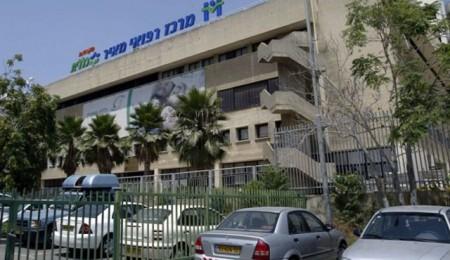
Meir Medical Center

Kaplan Medical Center
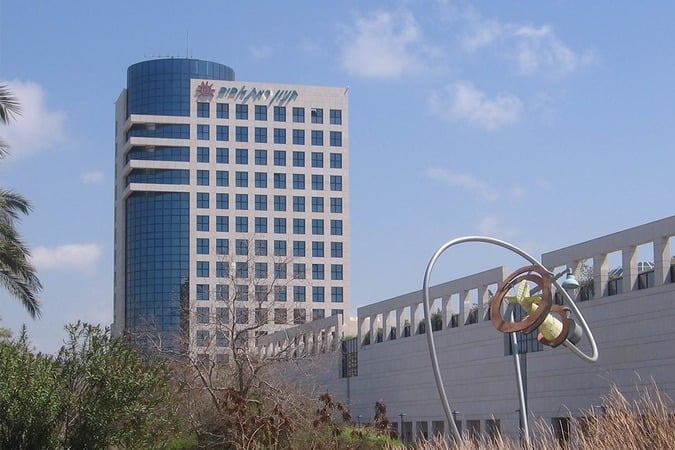
Ramat Aviv Medical Center
Obtenga una evaluación médica de tratamiento de Aterosclerosis en Israel: haga una consulta con 13 médicos experimentados ahora
Ver todos los médicos
Levi Yehuda
El Prof. Levi Yehuda aporta casi _doctor_3477_ años de experiencia cardiovascular, con una amplia práctica en el diagnóstico y tratamiento de la aterosclerosis y afecciones relacionadas en el Sourasky Medical Center.
- Miembro de prestigiosas asociaciones internacionales de cardiología
- Experto en procedimientos intervencionistas avanzados como el stent coronario
- Pasantía en cuidados intensivos cardíacos en el Sheba Medical Center
- Su formación incluye medicina de trauma militar y atención cardíaca prehospitalaria

Helkin Amir
Director del Servicio de Enfermedades Cardíacas Estructurales en el Centro Médico de Tel Aviv – El Dr. Amir se especializa en técnicas avanzadas de cardiología intervencionista.
- Más de _doctor_3449_años_ de experiencia en cardiología
- Formado en cardiología invasiva en el Hospital Lenox Hill de Nueva York
- Médico senior en laboratorios de cateterismo
- Ha publicado decenas de artículos profesionales sobre cardiología

Bella Koifman
Dirige el departamento de ecocardiografía en el Centro Médico Sourasky de Tel Aviv (Ichilov), especializándose en el diagnóstico avanzado de enfermedades cardíacas. Se formó en cardiología en un centro de primer nivel en Londres.
- Trata afecciones como la enfermedad de las arterias coronarias, el aneurisma aórtico y la fibrilación auricular
- Realizó una pasantía en el Royal Brompton Hospital de Londres, líder mundial en cardiología
- Jefa de la clínica de salud de la mujer y del departamento de rehabilitación cardíaca
- Activa en la investigación clínica centrada en el diagnóstico precoz de enfermedades cardíacas
- Enseña cardiología a nivel universitario, compartiendo su experiencia con nuevos médicos

Gideon Uretzky
El Dr. Gideon Uretzky es un destacado cirujano cardíaco especializado en cirugía cardíaca mínimamente invasiva y rehabilitación cardíaca en el Centro Médico Sourasky.
- Profesor en la Universidad de Tel Aviv
- Cirujano cardíaco senior en el Hospital Ichilov
- Se centra en técnicas mínimamente invasivas avanzadas
- Experto en programas de rehabilitación cardíaca postoperatoria
Compartir contenido
Historias en video de pacientes de Bookimed
 Olena Sikoza
Preguntas frecuentes sobre el tratamiento de Aterosclerosis en Israel
¿Qué tan seguro es el tratamiento de la aterosclerosis en Israel?
Israel es altamente seguro para el tratamiento de la aterosclerosis. Los principales centros mantienen la acreditación de la Joint Commission International y tasas de supervivencia excepcionales. Procedimientos como la angiografía coronaria reportan tasas de complicaciones cercanas al 0%. Los especialistas a menudo cuentan con formación en EE. UU. o Europa. Instalaciones como Sourasky y Assuta utilizan stents liberadores de fármacos avanzados e imágenes digitales.
- Credenciales de expertos: Cirujanos como el Dr. Kramer Amir tienen más de 30 años de experiencia.
- Volumen clínico: El Sourasky Medical Center realiza más de 34,000 operaciones al año con gran éxito.
- Tecnología avanzada: Las clínicas utilizan sistemas MICRA, VenaSeal e imágenes digitales impulsadas por IA.
- Estándares de seguridad: Los mejores hospitales aparecen constantemente en la lista de "World's Best Hospitals" de Newsweek.
Perspectiva del experto de Bookimed: La seguridad de la cardiología israelí está impulsada por los enormes volúmenes de pacientes en los centros académicos. Escuelas como Hadassah y Rambam tratan a casi 1,000,000 de pacientes al año. Esta alta frecuencia permite a los cirujanos dominar intervenciones complejas como TAVI o reparaciones valvulares sin stent. Esta experiencia basada en el volumen a menudo conduce a mejores resultados en casos raros o difíc
¿Qué hospitales israelíes se especializan en aterosclerosis y qué credenciales tienen sus médicos?
Hospitales israelíes como Hadassah y Sourasky se especializan en aterosclerosis a través de centros dedicados a la investigación y el tratamiento. Los médicos allí son especialistas certificados. A menudo poseen becas internacionales de instituciones como Oxford o Cedars-Sinai. Muchos ejercen como profesores universitarios con una amplia trayectoria investigadora.
- Instalaciones especializadas: Hadassah opera un centro dedicado a la investigación, prevención y tratamiento de la aterosclerosis.
- Credenciales de los médicos: Especialistas como el Dr. Kramer Amir cuentan con más de 30 años de experiencia clínica.
- Formación internacional: Los cardiólogos a menudo completan becas especializadas en centros prestigiosos del Reino Unido y EE. UU.
- Tecnología avanzada: Las clínicas utilizan colocación de stents guiada por IA y VenaSeal para reparaciones arteriales mínimamente invasivas.
Perspectiva del experto de Bookimed: La cardiología israelí destaca porque los especialistas líderes a menudo poseen certificaciones dobles y roles académicos. Por ejemplo, el Dr. Arbel Yaron en Sourasky está certificado tanto en medicina interna como en cardiología. Esta experiencia multifacética es común en los mejores centros. Garantiza que los casos complejos de aterosclerosis reciban una atención integral en lugar de solo una intervención quirúrgica.
¿Qué tecnologías diagnósticas y terapéuticas están disponibles para pacientes internacionales?
Los pacientes internacionales en Israel acceden a tecnologías avanzadas contra la aterosclerosis, incluyendo la aféresis terapéutica y la aféresis de LDL para el control de lípidos. Los centros líderes utilizan imágenes digitales impulsadas por IA y cirugía robótica. Diagnósticos especializados como la ecografía intravascular 3D y la reserva fraccional de flujo guían la colocación precisa de stents. La mayoría de las instalaciones mantienen la acreditación JCI y brindan soporte de telemedicina.
- Control de lípidos: La aféresis terapéutica y de LDL eliminan el colesterol dañino para pacientes de alto riesgo.
- Imágenes de precisión: La ecografía intravascular 3D (IVUS) y la tomografía de coherencia óptica (OCT) caracterizan las placas.
- Diagnóstico avanzado: Las imágenes digitales y la angio-TC asistida por IA evalúan las lesiones arteriales calcificadas.
- Opciones mínimamente invasivas: Los servicios de cardiología estructural ofrecen litotricia intravascular por ondas de choque para casos complejos.
Perspectiva del experto de Bookimed: Los departamentos de cardiología israelíes demuestran un patrón único de combinación de investigación académica con práctica clínica. Por ejemplo, el Dr. Kramer Amir del Sourasky Medical Center aporta más de 30 años de experiencia y formación especializada de múltiples centros europeos a su práctica. Esta den
¿Tendré cicatrices visibles después de un tratamiento con catéter o quirúrgico en Israel?
El tratamiento de la aterosclerosis en Israel resulta en una cicatrización mínima mediante técnicas avanzadas basadas en catéteres y endoscopia. La cirugía tradicional deja líneas estrechas que se desvanecen en 12 meses. Los puntos de entrada del cateterismo generalmente sanan dejando marcas diminutas como pinchazos. Los centros láser especializados en hospitales israelíes ayudan a reducir cualquier visibilidad permanente.
- Marcas de catéter: Los sitios de entrada en la ingle o la muñeca dejan puntos diminutos y planos.
- Mínimamente invasivo: Los métodos endoscópicos utilizan incisiones de solo 5 a 6 milímetros.
- Curación quirúrgica: Las cicatrices tradicionales se aplanan y palidecen significativamente en un plazo de 6 a 12 meses.
- Reducción con láser: Los centros utilizan láseres Alma Hybrid para adaptar el tratamiento a las cicatrices quirúrgicas.
Perspectiva del experto de Bookimed: Los especialistas israelíes como el Dr. Kramer Amir en el Sourasky Medical Center se centran en técnicas mínimamente invasivas MIDCAB y válvulas sin stent. Estos métodos son comunes en centros con altos volúmenes quirúrgicos como Assuta, que realiza 92,000 operaciones al año. Los pacientes se benefician de esta experiencia de alta frecuencia porque los cirujanos utilizan frecuentemente dispositivos de cierre como Angio-Seal para asegurar que los sitios de pu
¿Cuánto tiempo tendré que quedarme en Israel y cuándo podré volar a casa?
El tratamiento de la aterosclerosis en Israel suele requerir una estancia de 3 a 14 días. Los plazos de viaje dependen de la complejidad del procedimiento y de la aprobación del cirujano. Los pacientes a menudo vuelan a casa de 2 a 7 días después de una colocación de stent mínimamente invasiva. La cirugía a corazón abierto requiere de 3 a 4 semanas antes de volar.
- Estancia hospitalaria: Espere de 1 a 3 días para una colocación de stent o angioplastia sin complicaciones.
- Recuperación postoperatoria: Las cirugías invasivas como el bypass requieren de 7 a 14 días de hospitalización.
- Ventana para volar: La mayoría de los pacientes viajan dentro de las 48 horas posteriores a los procedimientos de acceso por la arteria radial.
- Margen de seguridad: Los cirujanos recomiendan esperar de 10 a 14 días para minimizar los riesgos de coágulos sanguíneos.
Perspectiva del experto de Bookimed: Los datos de centros de primer nivel como Sourasky y Assuta muestran que el acceso radial es el estándar para acelerar la recuperación. Los pacientes que eligen este enfoque a menudo abandonan el hospital en 24 horas. Debido a que estas clínicas atienden a más de 1.000.000 de pacientes al año, tienen protocolos optimizados para el alta internacional. Confirme siempre su calendario de seguimiento antes de reservar vuelos de regreso para asegurarse de que todos los
¿Quién NO es candidato para una terapia basada en catéter en Israel?
Los pacientes con endocarditis activa o hemorragia interna generalmente no son candidatos para la terapia basada en catéter en Israel. Las restricciones anatómicas graves, como un acceso arterial inadecuado o válvulas calcificadas, también impiden este enfoque. Los equipos cardíacos especializados en centros como el Sourasky Medical Center priorizan las alternativas quirúrgicas para pacientes más jóvenes.
- Estado clínico: Las infecciones activas o la cirugía cerebral reciente generalmente excluyen los procedimientos basados en catéter.
- Restricciones de acceso: La enfermedad arterial periférica grave puede impedir la entrada segura del catéter a través de la ingle.
- Límites anatómicos: La calcificación intensa o los coágulos sanguíneos en el corazón a menudo requieren cirugía abierta.
- Consenso de especialistas: Los equipos multidisciplinarios pueden recomendar una cirugía de bypass para la enfermedad coronaria compleja de múltiples vasos.
Perspectiva de expertos de Bookimed: Los centros israelíes como el Sourasky Medical Center y Assuta utilizan equipos cardíacos multidisciplinarios para determinar la elegibilidad. Si bien las clínicas privadas como Assuta ofrecen una programación más rápida para técnicas innovadoras como VenaSeal, los centros académicos como Sourasky manejan casos complejos donde las herramientas basadas en catéter como M
¿El hospital ofrece apoyo lingüístico y seguimiento una vez que estoy en casa?
Los principales hospitales israelíes ofrecen apoyo lingüístico interno las 24 horas del día, los 7 días de la semana, y telemedicina avanzada para el seguimiento remoto. Instalaciones como el Centro Médico Sourasky y Hadassah utilizan registros médicos electrónicos para realizar un seguimiento del progreso. Los pacientes internacionales reciben imágenes digitales y resúmenes de alta personalizados para garantizar una recuperación segura una vez que regresan a casa.
- Accesibilidad lingüística: Intérpretes médicos certificados brindan apoyo en visitas presenciales y líneas telefónicas de 24 horas.
- Seguimiento digital: Sourasky y Hadassah utilizan plataformas de telemedicina para consultas postquirúrgicas remotas.
- Traducción de documentos: Los hospitales proporcionan guías de medicamentos e instrucciones de alta en el idioma preferido del paciente.
- Coordinación de la atención: Las instalaciones acreditadas por la JCI ofrecen departamentos internacionales dedicados para gestionar planes de recuperación a larga distancia.
Perspectiva del experto de Bookimed: Los centros médicos israelíes como Sourasky y Hadassah tratan a más de 1.000.000 de pacientes cada año. Nuestros datos muestran que estos centros de alto volumen integran registros médicos electrónicos con monitoreo remoto. Esto hace que los seguimientos virtuales sean más precisos que en
¿Por qué Israel es uno de los principales destinos para la neurocirugía?
Israel es un centro líder en neurocirugía gracias a su combinación de avances médicos de alta tecnología y una experiencia quirúrgica de primer nivel. Instalaciones avanzadas como el Centro Médico Sheba utilizan sistemas de navegación basados en IA y resonancia magnética intraoperatoria en tiempo real. Centros especializados reportan una tasa de éxito del 98% en procedimientos complejos, como la craneotomía con el paciente despierto y el tratamiento de trastornos del movimiento.
- Tecnología avanzada: Las clínicas utilizan ultrasonido enfocado guiado por resonancia magnética (MRgFUS) y sistemas robóticos para realizar incisiones.
- Experiencia quirúrgica: Cirujanos como el Dr. Zvi Ram lideran asociaciones internacionales con más de 25 años de experiencia.
- Acceso rápido: Los pacientes internacionales generalmente pueden programar cirugías complejas de cerebro o columna en un plazo de 2 a 4 semanas.
- Atención médica acreditada: Grandes centros como Sourasky (Ichilov) y Assuta están acreditados por la JCI, lo que confirma su seguridad.
Opinión experta de Bookimed: Los datos muestran una clara diferencia entre las opciones de tratamiento públicas y privadas en Israel. Centros privados, como el Centro Médico Assuta, realizan más de 92.000 cirugías al año y permiten a los pacientes elegir a un cirujano líder específico. Esto supone una ventaja signi
¿Qué tipos de enfermedades neuroquirúrgicas se tratan en Israel?
Los neurocirujanos israelíes tratan una amplia gama de afecciones, desde tumores cerebrales y de médula espinal hasta trastornos funcionales complejos. Los centros especializados utilizan tecnologías de vanguardia, como el bisturí de rayos gamma, la estimulación cerebral profunda y la resonancia magnética intraoperatoria, para un diagnóstico altamente preciso de la epilepsia, la enfermedad de Parkinson y las patologías cerebrovasculares.
- Enfermedades oncológicas: tratamiento de gliomas, meningiomas y tumores hipofisarios mediante resección de la base del cráneo.
- Trastornos funcionales: tratamiento de la enfermedad de Parkinson y del temblor esencial mediante estimulación cerebral profunda.
- Patologías de columna: corrección de escoliosis, hernias discales y tumores espinales mediante sistemas robóticos.
- Tratamiento de las enfermedades cerebrovasculares: tratamiento quirúrgico de aneurismas cerebrales y malformaciones arteriovenosas mediante intervenciones endovasculares.
- Neurocirugía pediátrica: atención especializada en hidrocefalia y anomalías congénitas en centros pediátricos especializados.
Opinión experta de Bookimed: Los hospitales israelíes suelen combinar diversas especialidades para abordar casos complejos. En el Centro Médico Sourasky, neurocirujanos como el Dr. Zvi Lidar combinan neurocirugía y ortopedi
¿Qué hospitales en Israel son más conocidos por sus departamentos de neurocirugía?
Israel alberga centros neuroquirúrgicos de renombre mundial, como el Centro Médico Sourasky, el Centro Médico Sheba y el Centro Médico Hadassah. Estas instituciones son líderes mundiales en el tratamiento de tumores cerebrales complejos, enfermedades de la columna vertebral y trastornos del movimiento. Utilizan tecnologías de vanguardia como el bisturí de rayos gamma, sistemas robóticos y resonancia magnética intraoperatoria.
- Suraski (Ichilov): realiza más de 2.500 operaciones neuroquirúrgicas al año en Tel Aviv con una tasa de éxito del 98%.
- Centro Médico Sheba: clasificado entre los diez mejores hospitales del mundo, trata a 1,9 millones de pacientes al año.
- Centro Médico Hadassah: Nominado al Premio Nobel de la Paz. Líder en neurocirugía pediátrica y terapia génica.
- Centro Médico Assuta: el centro médico privado más grande de Israel. Especializado en cirugías mínimamente invasivas de columna y cerebro.
- Hospital Infantil Schneider: un centro líder en neurocirugía pediátrica que trata a 275.000 niños al año.
Opinión experta de Bookimed: Nuestros datos muestran que, si bien la mayoría de los pacientes buscan tratamiento en Tel Aviv, el Centro Médico Rambam en Haifa ofrece una atención única para neurotraumatismos. Cuenta con una unidad especializada en cuidados neurocríticos que atiende a aproximadamente un milló