SAERO Plastic Surgery
Corea del Sur, Seúl


Revisado médicamente por
Fahad Mawlood
| Corea del Sur | España | Turquía | |
|---|---|---|---|
| Aféresis terapéutica | ≈ $1,400 | ≈ $1,400 | de $4,500 |
| Aféresis de LDL | ≈ $1,100 | ≈ $1,100 | ≈ $450 |
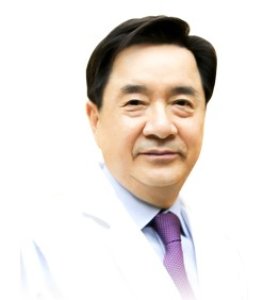
El Dr. Oh Dongju, MD, PhD, es cardiólogo. Se especializa en hipertensión, hiperlipidemia, angina, infarto de miocardio, valvulopatías, miocardiopatía dilatada y miocarditis. Su trabajo también abarca la aterosclerosis y la enfermedad arterial oclusiva. Tiene experiencia en ecocardiografía e imágenes cardiovasculares.
Completó una subespecialización en cardiología en la Escuela de Medicina de la Universidad de Emory. También fue Instructor Clínico en el Departamento de Medicina Weill de
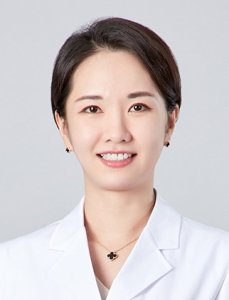
La Dra. Min-Jeong Kim, MD, PhD, es cardióloga en el Hospital Sejong de Incheon. Se centra en cardiología intervencionista, insuficiencia cardíaca, hipertensión y cardiología preventiva.
Obtuvo los títulos de MD y PhD en la Facultad de Medicina de la Universidad Nacional de Seúl. Completó formación avanzada en medicina interna y enfermedades cardiovasculares en un importante centro médico de Corea.
Su experiencia abarca la enfermedad coronaria, la insuficiencia cardíaca crónica,
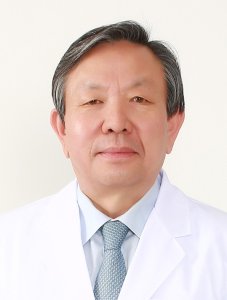
El profesor Byung-Hee Oh, MD, PhD, es cardiólogo en el Hospital Sejong de Incheon. Se graduó en la Facultad de Medicina de la Universidad Nacional de Seúl. Completó la formación en Medicina Interna y Cardiología en el Hospital de la Universidad Nacional de Seúl. Su enfoque clínico incluye la insuficiencia cardíaca, la enfermedad coronaria, la hipertensión, la fibrilación auricular y la cardiología preventiva.
Fue profesor de Cardiología en la Universidad Nacional de Seúl. También fue d
 Olena Sikoza
Los principales centros médicos en Corea del Sur para la aterosclerosis incluyen el Asan Medical Center, el Seoul National University Hospital (SNUH) y el Severance Hospital. Estas instituciones cuentan con clasificaciones de los Mejores Hospitales del Mundo de Newsweek y acreditación JCI. Utilizan cardiología intervencionista e imágenes avanzadas para tratar eficazmente la enfermedad coronaria y arterial periférica.
Opinión experta de Bookimed: Los datos de los pacientes muestran que elegir un hospital como el Asan Medical Center o el SNUH proporciona acceso a un volumen quirúrgico inigualable, incluyendo más de 65,000 operaciones anuales. Estos centros terciarios de alta capacidad son esenciales para la aterosclerosis porque albergan departamentos integrados de cardiología y cirugía vascular bajo un mismo techo. Esta colaboración interna generalmente acelera la transición de las imágenes
Corea del Sur trata las arterias bloqueadas mediante procedimientos mínimamente invasivos como la intervención coronaria percutánea (ICP) y la aterectomía avanzada. Los centros especializados emplean la aterectomía orbital y la litotricia intravascular para eliminar la placa calcificada. Estos métodos mejoran la flexibilidad de los vasos y aseguran la expansión adecuada de los stents liberadores de fármacos de última generación.
Perspectiva del experto de Bookimed: El Centro Médico Asan realiza el 45% de los trasplantes de corazón en Corea del Sur y gestiona volúmenes masivos de pacientes. Esta alta densidad de casos complejos en las clínicas de Seúl impulsa diagnósticos angiográficos más rápidos. Especialistas como el Dr. Oh Dong Joo a menudo ocupan cargos destacados en sociedades internacionales de cardiología.
Los pacientes extranjeros en Corea del Sur suelen recibir consultas especializadas dentro de las 24 a 48 horas posteriores a su llegada. Los procedimientos terapéuticos como la aféresis de LDL a menudo comienzan dentro de 1 a 3 días. Los centros médicos avanzados coordinan escaneos de diagnóstico y revisiones cardiológicas de inmediato para agilizar el proceso de tratamiento especializado.
Perspectiva del experto de Bookimed: La infraestructura hospitalaria digital de Corea del Sur acelera significativamente los plazos de tratamiento para los pacientes internacionales. El Hospital Bundang de la Universidad Nacional de Seúl fue el primer hospital totalmente digital del país. Esta integración permite a los especialistas revisar imágenes de alta resolución y resultados de laboratorio en tiempo rea
Los diagnósticos de alta resolución en Corea del Sur priorizan la visualización directa de la placa y la evaluación de riesgos de forma segura. Las técnicas líderes incluyen la angiografía por TC coronaria (CCTA) y la puntuación de calcio coronario. Estas herramientas identifican el estrechamiento y la composición de la placa. Centros coreanos como el Hospital Severance utilizan imágenes digitales avanzadas para un diagnóstico preciso.
Opinión de expertos de Bookimed: Los datos de los principales centros de Seúl, como el Asan Medical Center, muestran un fuerte cambio hacia la digitalización. Estos hospitales tratan a más de 10.000 pacientes ambulatorios al día. Este gran volumen permite a médicos como el Dr. Oh Dong Joo perfeccionar la precisión diagnóstica a través de miles de escaneos. A menudo prefieren la CCTA a las simples pr
Los hospitales de Corea del Sur gestionan las barreras lingüísticas mediante centros dedicados a pacientes internacionales e intérpretes médicos profesionales. Estos departamentos coordinan la comunicación entre los pacientes y el personal clínico. Instalaciones como el Asan Medical Center y el Severance Hospital suelen proporcionar coordinadores de habla inglesa para la logística, el papeleo y las consultas.
Perspectiva del experto de Bookimed: Los datos muestran que la calidad de la comunicación es mayor en los hospitales con centros internacionales dedicados. Si bien los especialistas de élite como el Dr. Oh Dong Joo a menudo poseen sólidas habilidades en inglés gracias a su formación internacional, es posible que el personal de apoyo en clínicas más pequeñas no las tenga. Elegir centros c
Corea utiliza estrategias intensivas de reducción de lípidos centradas en la terapia combinada temprana y objetivos agresivos de LDL-C. Los protocolos clínicos priorizan alcanzar objetivos de LDL-C por debajo de 55 mg/dL para pacientes de alto riesgo. Los tratamientos incorporan estatinas de alta intensidad, ezetimiba e inhibidores avanzados de PCSK9 para reducir el riesgo cardiovascular después de eventos cardíacos mayores.
Perspectiva de expertos de Bookimed: Los centros de cardiología coreanos como el Asan Medical Center gestionan grandes volúmenes de pacientes, realizando casi la mitad de los trasplantes de corazón del país. Esta intensa experiencia clínica impulsa una preferencia por las terapias combinadas de dosis bajas sobre las estatinas de dosis máxima. Los datos muestran que este enfoque minimiza las preocupaciones sobre las enzimas hepáticas mi