Tratamiento de Lesiones de huesos y articulaciones en China — obtenga 3 coincidencias personalizadas de clínicas


Revisado médicamente por
Fahad Mawlood
Cómo funciona
¿Cuál es el precio del diagnóstico y los tratamientos de Lesiones de huesos y articulaciones en China? Descubra ahora
El costo del tratamiento de lesiones de huesos y articulaciones en China suele oscilar entre $3,800 y $6,500 para una artroscopia de rodilla, mientras que procedimientos más invasivos como un reemplazo de hombro varían de $14,000 a $25,000. Los gastos totales dependen de la gravedad de la lesión, la elección entre implantes locales o importados y el nivel del hospital. Los pacientes pueden ahorrar aproximadamente entre un 40% y un 70% en comparación con los Estados Unidos. Las principales ciudades para estos tratamientos ortopédicos incluyen Pekín, Shanghái y Xiamen.
Costos típicos del tratamiento de lesiones de huesos y articulaciones en China
- Artroscopia de rodilla: $3,800 – $6,500
- Reemplazo de hombro: $14,000 – $25,000
- Revisión de reemplazo total de rodilla (artroplastia): $17,000 – $28,000
- Revisión de reemplazo total de cadera (artroplastia): $25,500 – $43,500
- Artroplastia de revisión de cadera: Precio a consultar
- Cirugía de corrección de deformidad ósea: Precio a consultar
- Terapia con células madre: de $22,800
- Terapia con células madre para la artritis: $6,500 – $14,000
- Terapia con células madre para rodillas: $6,500 – $13,000
Perspectiva de los expertos de Bookimed: Los pacientes que requieran una reconstrucción articular compleja deben priorizar a especialistas con un alto volumen quirúrgico. En el Beijing Amcare Hospital, el Dr. Wei Li aporta 40 años de experiencia y 10,000 procedimientos. Para traumatismos avanzados de tobillo, el Prof. Yong Wu ha realizado más de 1,000 artroplastias totales de tobillo. Las instalaciones acreditadas por la JCI, como el Yanda International Hospital, ofrecen atención de Clase A Nivel III, combinando tecnologías modernas con protocolos de rehabilitación tradicionales.
| China | España | Turquía | |
|---|---|---|---|
| Terapia con células madre para las rodillas | ≈ $6,500 | de $35,000 | de $4,000 |
| Terapia con células madre para la artritis | ≈ $6,500 | de $15,000 | de $4,400 |
| Terapia con células madre | de $22,800 | de $33,600 | de $1,600 |
| Revisión de protesis total de rodilla (artroplastía) | ≈ $17,000 | ≈ $22,000 | de $8,200 |
| Revisión de protesis total de cadera (artoplastía) | ≈ $25,500 | ≈ $14,500 | de $10,500 |
Descubra las mejores clínicas de tratamiento de Lesiones de huesos y articulaciones en China: 5 opciones verificadas y Precios


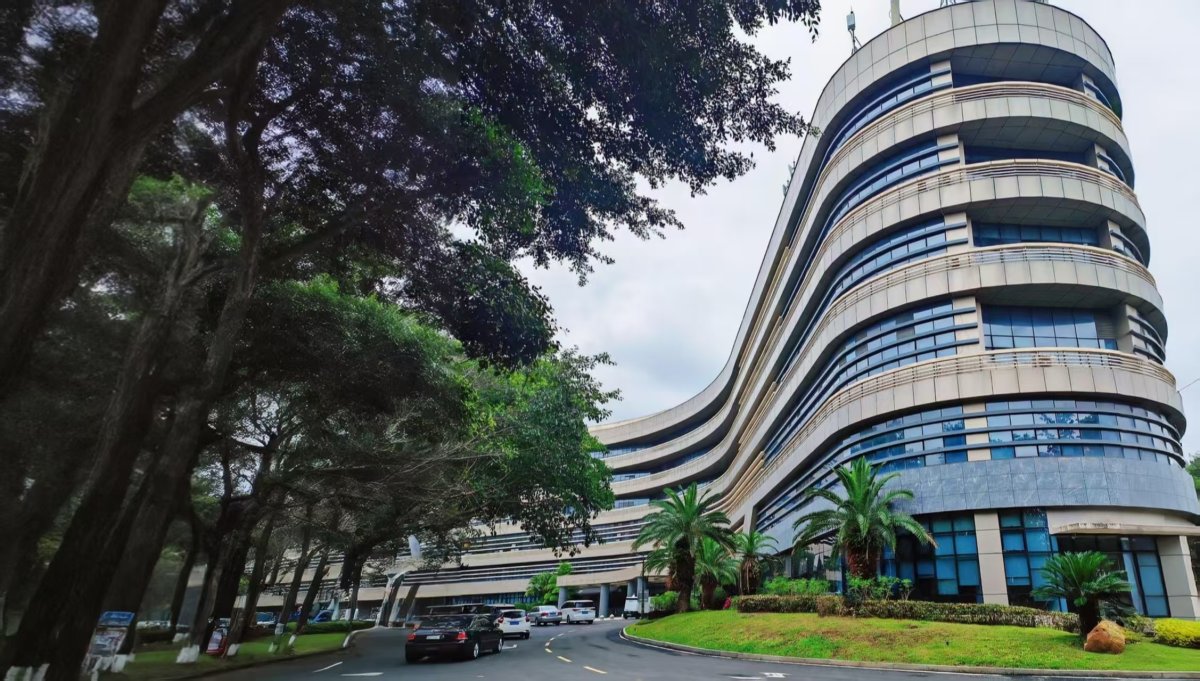
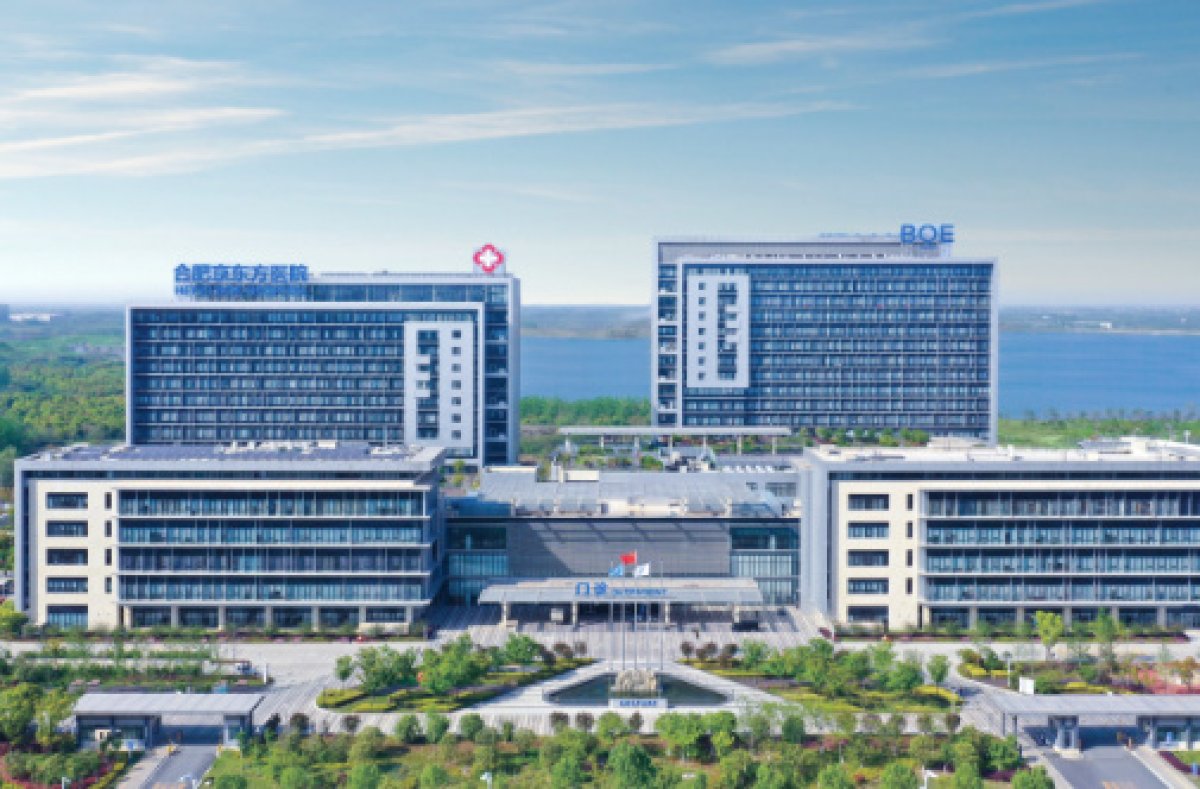
Boao International Medical Center
Obtenga una evaluación médica de tratamiento de Lesiones de huesos y articulaciones en China: haga una consulta con 6 médicos experimentados ahora
Ver todos los médicos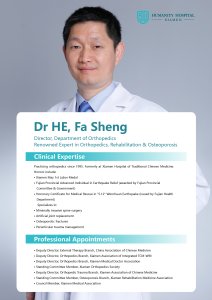
He Fa Sheng
El Dr. He Fa Sheng es Director del Departamento de Ortopedia. Se especializa en ortopedia, rehabilitación y osteoporosis. Ejerce desde 1995. Anteriormente trabajó en el Hospital de Medicina Tradicional China de Xiamen.
Su enfoque clínico incluye cirugía de columna mínimamente invasiva, reemplazo articular, fracturas osteoporóticas y atención de traumatismos.
Entre sus distinciones y cargos figuran la Medalla del Trabajo del 1.º de Mayo de Xiamen y premios provinciales por rescat

Wan Daqian
El Dr. Wan Daqian, MD, PhD, es médico jefe asociado y tutor de maestría en Ortopedia (cirugía articular) en el Hospital Tongji de Shanghái. Se especializa en cirugía articular y medicina del deporte. Realiza artroscopia de hombro y rodilla y artroplastias totales de cadera y rodilla. Fue de los primeros en emplear terapia con células madre para defectos óseos osteoarticulares. Su volumen quirúrgico se sitúa entre los más altos de la región.
Ha dirigido 7 proyectos financiados, incluido

CAI Hongxin
Compartir contenido
Historias en video de pacientes de Bookimed
 Olena Sikoza
Preguntas frecuentes sobre el tratamiento de Lesiones de huesos y articulaciones en China
¿Cuál es la diferencia entre la Medicina Tradicional China (MTC) y la ortopedia occidental en China?
La medicina tradicional china (MTC) en China se centra en el equilibrio holístico y el tratamiento óseo no invasivo para restaurar el flujo de qi. En contraste, la ortopedia occidental prioriza la restauración anatómica mediante cirugía e imágenes. La mayoría de los hospitales chinos acreditados por la JCI integran actualmente ambos sistemas para optimizar la recuperación a través de protocolos de tratamiento personalizados.
- Los diagnósticos se centran principalmente en los métodos de la medicina tradicional china (MTC), incluyendo la medición del pulso y la palpación. Los médicos occidentales recurren a radiografías y resonancias magnéticas.
- Métodos de tratamiento: La ortopedia occidental utiliza la fijación interna. La medicina tradicional china utiliza infusiones de hierbas y la terapia manual tui na.
- Función en el proceso de recuperación: Los pacientes utilizan la acupuntura y el masaje con ventosas dentro del marco de la medicina tradicional china para aliviar el dolor y la hinchazón postoperatorios.
- Estado clínico: Los hospitales de nivel III y clase A suelen combinar protocolos internacionales con enfoques tradicionales.
Opinión de expertos de Bookimed: Los datos demuestran que los mejores resultados se obtienen en hospitales como Yanda International, que atiende a más de 2.500.000 pacientes al año. Estos hospitales combinan la cir
¿Cuáles son las últimas innovaciones en la práctica ortopédica china?
La ortopedia china prioriza los materiales biodegradables y la precisión robótica, eliminando la necesidad de reintervenciones quirúrgicas. Entre los avances clave se incluyen el pegamento óseo inyectable y los implantes de rodilla sin metal. Estos desarrollos se integran con la telemedicina basada en 5G y la reconstrucción 3D mediante inteligencia artificial. Esto garantiza una precisión quirúrgica de 1,5 mm, minimizando la exposición a la radiación.
- Materiales bioadhesivos: el pegamento óseo inyectable mantiene las fracturas unidas en 3 minutos y se disuelve de forma natural.
- Implantes sin metal: Los implantes de rodilla de polieteretercetona (PEEK) ofrecen una excelente compatibilidad ósea y una buena visualización.
- Robótica quirúrgica: Los sistemas nacionales, como el de Honghu, logran una precisión de corte óseo de 1,5 mm.
- Neuroshunting: Los implantes cerebrales y de médula espinal ayudan a los pacientes paralizados a recuperar la capacidad de caminar en 24 horas.
Opinión de expertos de Bookimed: Grandes clínicas como el Hospital Internacional Yanda atienden a 2.500.000 pacientes al año. Combinan protocolos de alta tecnología con la medicina tradicional china. Este enfoque híbrido es común en centros de Clase A, Nivel III. A menudo, propicia una movilización temprana más activa durante el periodo de recuperación. Cirujanos como el pr
¿Existen en China hospitales especializados en cirugías complejas de huesos y articulaciones?
China cuenta con centros ortopédicos especializados en cirugías complejas. El Hospital Jishuitan de Pekín y el Sexto Hospital Popular de Shanghái son líderes en traumatología y reconstrucción articular. Instituciones como el Hospital Internacional Yanda están acreditadas por la Comisión Conjunta de Acreditación de Organizaciones Sanitarias (JCI). Expertos como el profesor Yong Wu han realizado con éxito más de 1000 cirugías de reemplazo de tobillo.
- Especialización: El Hospital Jishuitan de Pekín ha ocupado el primer puesto en el campo de la ortopedia durante más de 13 años.
- Tecnología de vanguardia: el Sexto Hospital Popular de Shanghái utiliza tecnología robótica para el tratamiento de alta precisión de fracturas complejas.
- Gran afluencia de pacientes: El Hospital Internacional Janda atiende a aproximadamente 2.500.000 pacientes al año.
- Estándares internacionales: Las instituciones médicas acreditadas por JCI garantizan el cumplimiento de los protocolos de calidad y seguridad para pacientes internacionales.
Opinión de expertos de Bookimed: Los datos clínicos revelan una importante brecha en la experiencia en procedimientos altamente especializados. El profesor Yong Woo, de Amcare, ha realizado más cirugías de reemplazo de tobillo que cualquier otro especialista en el mundo. Los pacientes que requieren procedimientos de reconstrucción art
¿Es eficaz la acupuntura ortopédica para el dolor articular en China?
La acupuntura ortopédica es eficaz para el dolor articular en China. Es una práctica clínica habitual en la Medicina Tradicional China (MTC). Los estudios clínicos demuestran que reduce significativamente la intensidad del dolor y mejora la función. Los protocolos chinos suelen emplear dosis más altas. Estos tratamientos se utilizan con éxito para la osteoartritis de rodilla y la artritis reumatoide.
- Frecuencia del tratamiento: En la práctica clínica, se suelen recomendar de 3 a 5 sesiones por semana para obtener los mejores resultados.
- Duración del tratamiento clínico: Según las recomendaciones, se requiere un tratamiento de 4 a 8 semanas para aliviar los síntomas.
- Efectos biológicos: Los tratamientos liberan endorfinas naturales y suprimen factores inflamatorios como la IL-6.
- Tratamientos combinados: Para lograr un efecto sinérgico, los especialistas suelen combinar la acupuntura con la moxibustión o el masaje tuina.
Opinión de los expertos de Bookimed: Hospitales líderes como el Hospital Internacional Janda combinan los estándares internacionales JCI con enfoques tradicionales. Esta clínica atiende a 2.500.000 pacientes anualmente. Elegir un centro médico de Clase A III garantiza el acceso a diagnósticos de vanguardia y a especialistas experimentados. Especialistas como el Dr. Li Guo Qiang se especializan en casos complejos de rehabili
¿Es posible encontrar especialistas en ortopedia que hablen inglés en China?
Los especialistas en ortopedia de habla inglesa trabajan principalmente en hospitales internacionales y clínicas privadas en Pekín, Shanghái y Guangzhou. Instituciones médicas de renombre como Jiahui International y United Family Healthcare emplean a especialistas formados en el extranjero. Estos especialistas realizan complejas cirugías de reemplazo articular, cirugía de columna y tratamientos para lesiones deportivas, siguiendo protocolos médicos internacionales.
- Disponibilidad regional: Los profesionales angloparlantes se concentran en ciudades de primer nivel como Pekín y Shanghái.
- Tipos de hospitales: Busque ayuda para comunicarse en inglés en centros privados acreditados por JCI o en departamentos médicos internacionales.
- Experiencia especializada: Especialistas como el profesor Yong Woo realizan una amplia gama de cirugías, incluyendo reemplazos de tobillo.
- Accesibilidad lingüística: Las clínicas privadas como Parkway Health cuentan con especialistas multilingües que brindan atención para afecciones óseas y articulares.
Opinión de los expertos de Bookimed: Los grandes centros de Pekín ofrecen una ventaja única, combinando estándares de seguridad internacionales con una amplia experiencia clínica. Por ejemplo, el Hospital Internacional Yanda cuenta con la acreditación JCI y atiende a 2.500.000 pacientes al año. Esta magnitud permite
¿Qué debo llevar a mi primera cita con el ortopedista en China?
Los pacientes que acuden a centros ortopédicos chinos deben presentar su pasaporte original y los resultados de sus exámenes médicos previos. Se prefieren las imágenes digitales en CD o película a las fotos tomadas con el teléfono. Documentar los síntomas mediante una breve descripción de una página resulta útil para los médicos que trabajan en entornos dinámicos con protocolos estructurados en grandes instituciones médicas.
- Documentos de identificación: Por favor, traiga su pasaporte original y copias para registrarse y ser admitido en el hospital.
- Imágenes: Por favor, proporcione imágenes originales de resonancia magnética, tomografía computarizada o rayos X, no fotografías tomadas con un teléfono digital.
- Métodos de pago: Configure WeChat Pay o Alipay, ya que las tarjetas de crédito extranjeras a menudo no funcionan.
- Lista de medicamentos: Proporcione los nombres comunes de los medicamentos que está tomando actualmente para garantizar una verificación cruzada precisa por parte de los especialistas.
Opinión experta de Bookimed: El Hospital Internacional Yanda atiende a 2.500.000 pacientes al año y cuenta con la acreditación JCI por su seguridad. Este enorme volumen de pacientes implica que médicos como el Dr. He Fa Sheng atienden miles de casos de traumatismos. Elija clínicas de Clase A, Nivel III para garantizar el acceso tanto a cirug
¿Necesito un visado especial para recibir tratamiento ortopédico en China?
Se requiere visa para recibir tratamiento ortopédico en China. Si bien no existe una categoría específica de visa médica, los pacientes suelen utilizar visas S2, M o L. La elección depende del tiempo de recuperación. La mayoría de las cirugías de huesos y articulaciones requieren una invitación oficial del hospital.
- Estancia de corta duración: Los visados S2 cubren el tratamiento médico durante un máximo de 180 días.
- Visados de negocios y médicos: Los visados de categoría M se utilizan para consultas o exámenes exprés con ortopedistas.
- Opción turística: Los visados L son adecuados para servicios ambulatorios menores y estancias de hasta 30 días.
- Documentos requeridos: Un hospital chino registrado debe proporcionar una invitación oficial para el tratamiento.
Opinión de expertos de Bookimed: Si bien muchos países cuentan con visas médicas especializadas, China incluye la atención ortopédica en sus categorías estándar. Datos de instituciones médicas líderes, como el Hospital Internacional Yanda, muestran que atienden a más de 2.500.000 pacientes anualmente. Estos centros de Clase A III tienen amplia experiencia en la emisión de las cartas de invitación necesarias para las visas S2 o L. En casos complejos, como las más de 1.000 cirugías de reemplazo total de tobillo realizadas por el Dr. Profesor Yong Wu, es preferible obtener una visa de 60