Lesiones de huesos y articulaciones en Estados Unidos: las 5 mejores clínicas para su tratamiento


Revisado médicamente por
Fahad Mawlood
¿Cuál es el precio del diagnóstico y los tratamientos de Lesiones de huesos y articulaciones en Estados Unidos? Descubra ahora
De $250. Los procedimientos principales como la artroscopia de rodilla cuestan entre $7,500 y $12,500, mientras que un reemplazo de hombro suele costar entre $38,000 y $55,000. Los gastos totales dependen de la gravedad de la lesión, la complejidad quirúrgica y las tarifas de las instalaciones hospitalarias. Las principales ciudades para la atención ortopédica especializada incluyen Nueva York, Princeton y Maryland.
Costos típicos del tratamiento de lesiones de huesos y articulaciones en los Estados Unidos de América
- Consulta con un ortopedista: $280 – $450
- Análisis de sangre extendido: de $250
- ECG: $150 – $400
- Artroscopia de rodilla: $7,500 – $12,500
- Reemplazo de hombro: $38,000 – $55,000
- Terapia con células madre: $5,000 – $12,000
- Cirugía de corrección de deformidad ósea: Precio a consultar
- Terapia con células madre para la artritis: $4,500 – $8,500
- Artroplastia de rodilla de revisión: $42,000 – $68,000
- Artroplastia de cadera de revisión: Precio a consultar
Perspectiva de los expertos de Bookimed: Los pacientes que buscan opciones de recuperación innovadoras encuentran valor en la medicina regenerativa. Stem Cell Specialist NY ofrece atención ambulatoria basada en tecnología para aproximadamente 1,000 pacientes al año. Para traumatismos complejos, los centros académicos multidisciplinarios como el Princeton Hospital at Plainsboro brindan seguridad de alto nivel. Estas instituciones se clasifican en el 5% superior de los hospitales de EE. UU. El Johns Hopkins Hospital sigue siendo el estándar de oro para la reconstrucción multidisciplinaria de huesos y articulaciones.
| Estados Unidos | España | Turquía | |
|---|---|---|---|
| Terapia con células madre para las rodillas | ≈ $4,500 | de $35,000 | de $4,000 |
| Terapia con células madre para la artritis | ≈ $4,500 | de $15,000 | de $4,400 |
| Terapia con células madre | ≈ $5,000 | de $33,700 | de $1,600 |
| Revisión de protesis total de rodilla (artroplastía) | ≈ $45,000 | ≈ $14,500 | de $8,200 |
| Revisión de protesis total de cadera (artoplastía) | ≈ $42,000 | ≈ $14,500 | de $10,500 |
Sus beneficios y garantías con Bookimed
Precios directos
Bookimed no añade cargos extra a los precios de los tratamientos de Lesiones de huesos y articulaciones. Las tarifas proceden de las listas de precios oficiales de las clínicas. Pagará directamente en la clínica por su tratamiento a su llegada al país.
Sólo clínicas y médicos verificados
Bookimed está comprometido con su seguridad. Solo trabajamos con las clínicas que mantienen altos estándares internacionales en el tratamiento de Lesiones de huesos y articulaciones y cuentan con las licencias necesarias para atender a pacientes internacionales en todo el mundo.
Asistencia 24/7 gratuita
Bookimed ofrece asistencia experta gratuita. Un coordinador médico personal le apoya antes, durante y después de su tratamiento, resolviendo cualquier problema. Nunca estará solo en su viaje médico de tratamiento de Lesiones de huesos y articulaciones.

Su coordinador médico personal de Bookimed
- Le apoya en cada etapa
- Ayuda a elegir la clínica y el médico adecuados
- Asegura un acceso rápido y conveniente a la información
Descubra las mejores clínicas de tratamiento de Lesiones de huesos y articulaciones en Estados Unidos: 5 opciones verificadas y Precios
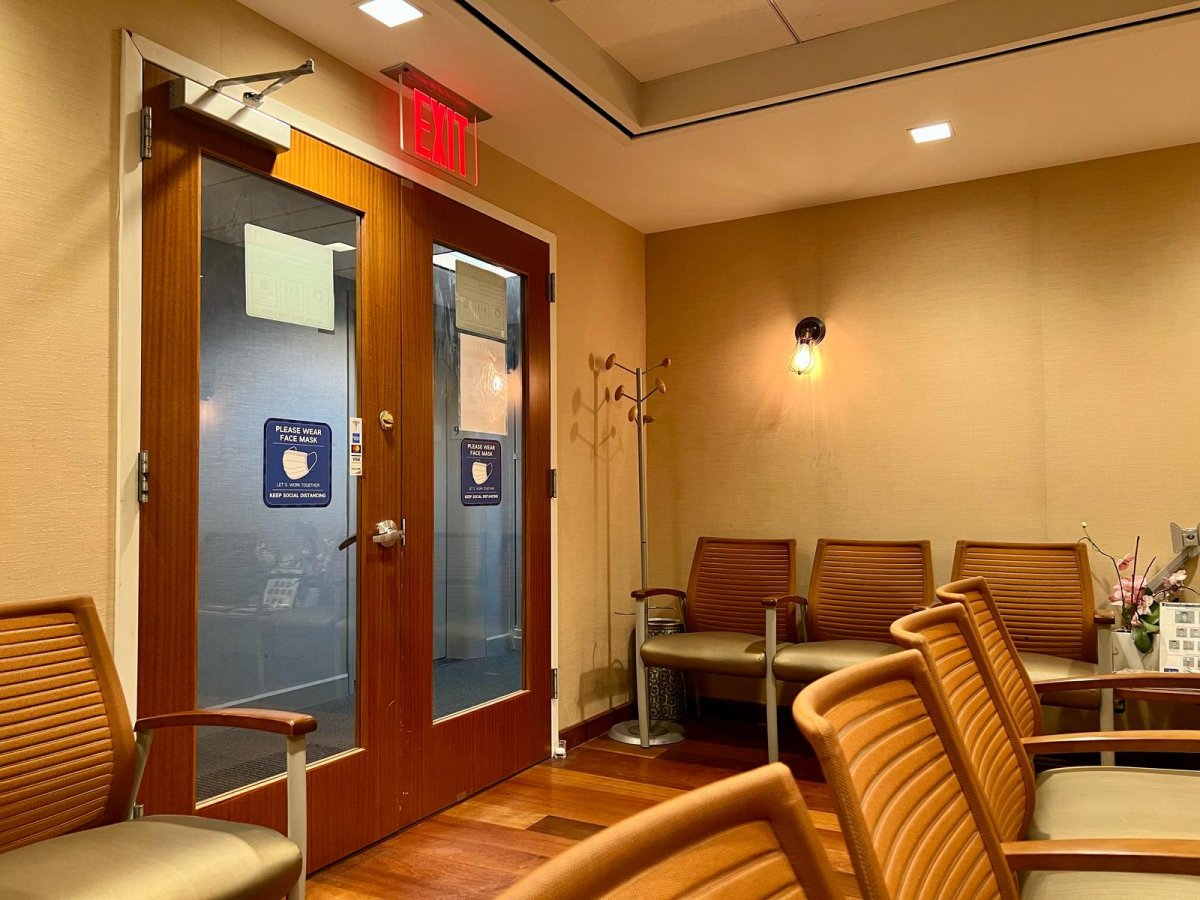

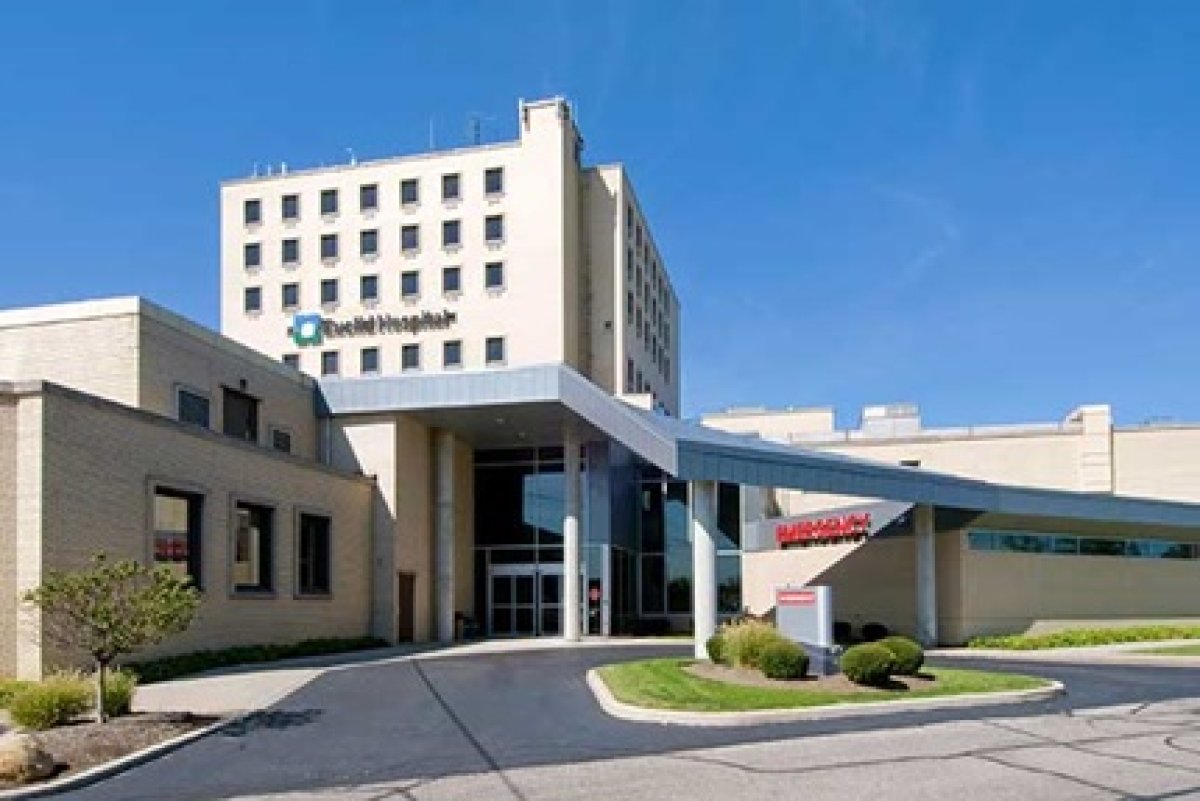





Princeton Hospital at Plainsboro

Johns Hopkins Hospital
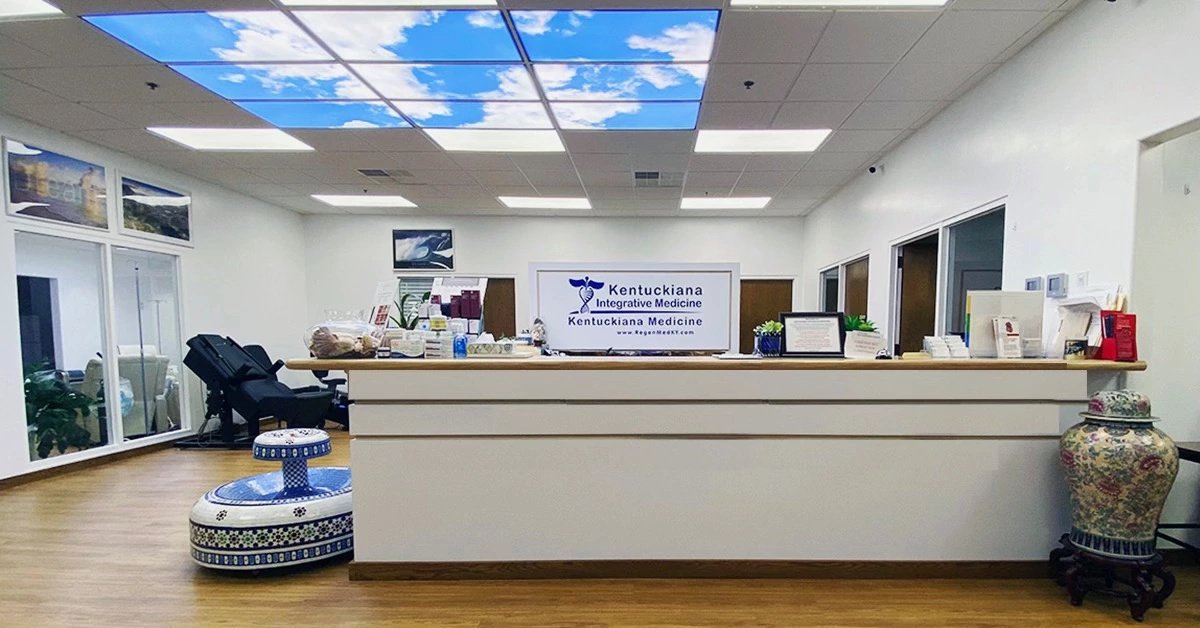
Kentuckiana Integrative Medicine
Compartir contenido
Historias en video de pacientes de Bookimed
 Olena Sikoza
Preguntas frecuentes sobre el tratamiento de Lesiones de huesos y articulaciones en Estados Unidos
¿Cuál es la diferencia entre un 'hueso roto' y una 'fractura'?
No existe ninguna diferencia médica entre un hueso roto y una fractura. Ambos términos describen una pérdida de integridad estructural en el hueso. Los profesionales médicos utilizan "fractura" como término técnico. Los pacientes suelen utilizar "hueso roto" como una descripción coloquial de la misma lesión.
- Terminología clínica: Fractura es el diagnóstico formal utilizado en los informes médicos oficiales de los Estados Unidos.
- Gravedad de la lesión: Ambos términos se aplican tanto a las fisuras capilares como a los huesos rotos en múltiples piezas.
- Fractura cerrada: El hueso se rompe pero no atraviesa la superficie de la piel.
- Fractura abierta: El hueso se rompe y sale a través de la piel, lo que requiere atención quirúrgica inmediata.
Perspectiva de expertos de Bookimed: Los datos clínicos de los principales centros de EE. UU. muestran que el tratamiento se centra en la alineación ósea más que en el término específico utilizado. Centros como el Johns Hopkins Hospital atienden a pacientes de 49 estados para cuidados ortopédicos complejos. La mayoría de los especialistas estadounidenses priorizan las imágenes de diagnóstico como tomografías computarizadas o radiografías para determinar si la lesión está desplazada. Clínicas altamente especializadas, como Stem Cell Specialist NY, ahora ofrecen inyecciones articulares regenerativas por a
¿Debo ir a la sala de emergencias (ER) o a una clínica de atención urgente/sin cita previa?
Vaya a la sala de emergencias en caso de lesiones óseas que pongan en peligro la vida, como fracturas expuestas donde el hueso atraviesa la piel. Busque atención urgente para lesiones sin deformidad, esguinces o fracturas menores. Las salas de emergencia priorizan los traumas críticos. Las clínicas de atención urgente manejan lesiones estables con costos significativamente más bajos y tiempos de espera más cortos.
- Criterios para la sala de emergencias: Acuda en caso de heridas abiertas, deformidades graves o entumecimiento en la extremidad lesionada.
- Criterios para la atención urgente: Elija esta opción para esguinces, distensiones y cortes superficiales que requieran puntos de sutura o entablillado básico.
- Capacidades de diagnóstico: Los centros de atención urgente ofrecen radiografías en el lugar y pruebas de laboratorio para fracturas estables.
- Tratamiento especializado: Instalaciones como Stem Cell Specialist NY ofrecen inyecciones regenerativas articulares avanzadas para la recuperación.
Perspectiva del experto de Bookimed: Los datos muestran un cambio importante hacia centros ambulatorios especializados para la salud articular. La Dra. Rose Marie Phillip en Nueva York realiza terapias regenerativas avanzadas que a menudo no están disponibles en los entornos de emergencia estándar. Estos centros especializados atienden a más de 1,0
¿Todas las lesiones ortopédicas requieren cirugía?
La mayoría de las lesiones ortopédicas no requieren cirugía. Aproximadamente el 90% de los problemas musculoesqueléticos y las afecciones articulares crónicas responden a tratamientos conservadores. Los cirujanos suelen reservar las operaciones para traumatismos graves y fracturas desplazadas. Las roturas completas de ligamentos o los casos en los que el tratamiento no quirúrgico falla después de meses también requieren intervención.
- Tratamiento conservador: La fisioterapia restaura la fuerza y la flexibilidad sin procedimientos invasivos.
- Opciones regenerativas: Las inyecciones de plasma rico en plaquetas (PRP) y células madre aceleran la reparación de los tejidos.
- Métodos de inmovilización: Los yesos y férulas estabilizan las fracturas simples durante las 6-12 semanas de curación.
- Desencadenantes quirúrgicos: Las fracturas complejas o el síndrome compartimental requieren una operación inmediata por seguridad.
Perspectiva de expertos de Bookimed: Clínicas avanzadas como Stem Cell Specialist NY se centran en evitar la cirugía mediante medicina regenerativa. Mientras que las inyecciones articulares estándar cuestan alrededor de 7.000 $, las opciones intratecales más complejas alcanzan los 9.000 $. Estos centros ambulatorios basados en tecnología atienden a más de 1.000 pacientes al año. Este volumen sugiere un fuerte cambio hacia alterna
¿Cuánto tiempo tarda en sanar una lesión ósea o articular?
La curación de huesos y articulaciones generalmente requiere de 6 a 12 semanas para lograr la estabilidad estructural. La recuperación funcional completa de la fuerza y el movimiento a menudo se extiende de 3 meses a más de un año. Los plazos varían según el tipo de tejido, el suministro de sangre y el uso de terapias regenerativas.
- Huesos de los dedos de manos y pies: Estos huesos pequeños generalmente se estabilizan en un plazo de 3 a 6 semanas.
- Fracturas importantes de extremidades: Los huesos de las piernas, como el fémur, requieren de 10 a 16 semanas para sanar.
- Desgarros de ligamentos y tendones: Los tejidos blandos a menudo necesitan de 12 semanas a 6 meses para recuperarse.
- Opciones de medicina regenerativa: Clínicas como Stem Cell Specialist NY ofrecen inyecciones de exosomas SCT PRP.
Perspectiva del experto de Bookimed: La curación no se trata solo de la unión ósea, sino también de recuperar la movilidad funcional. Los datos de centros especializados en EE. UU. muestran que los tratamientos regenerativos, como las inyecciones guiadas por exosomas SCT PRP, pueden complementar la cirugía tradicional. Estos procedimientos, que cuestan entre $7,000 y $12,000, a menudo se realizan en centros ambulatorios. Elegir una clínica que combine tecnología avanzada con especialistas experimentados ayuda a los pacientes a volver a sus activid
¿Cuándo puedo volver al trabajo, a conducir o a practicar deportes?
Los plazos de recuperación en los Estados Unidos varían según el procedimiento y la exigencia física. El trabajo de oficina a menudo se reanuda dentro de 1 a 2 semanas. Conducir requiere dejar de tomar medicamentos opioides y generalmente comienza entre 2 y 6 semanas después. El regreso al deporte sigue hitos específicos de fisioterapia en lugar de fechas fijas.
- Trabajo de oficina: La mayoría de los pacientes regresan a roles sedentarios dentro de los 7 a 14 días.
- Trabajo manual: Los trabajos físicos a menudo requieren de 6 a 12 semanas para una curación ósea segura.
- Seguridad al conducir: Los pacientes operados de la pierna derecha generalmente esperan de 4 a 6 semanas para garantizar la capacidad de frenado de emergencia.
- Deportes de bajo impacto: Caminar o nadar pueden autorizarse dentro de las 2 a 6 semanas posteriores a la lesión.
- Deportes de contacto: Las actividades de alto impacto a menudo requieren de 6 semanas a varios meses de recuperación.
Perspectiva de expertos de Bookimed: Los tratamientos regenerativos pueden alterar significativamente las expectativas tradicionales de recuperación. En Nueva York, clínicas como Stem Cell Specialist NY realizan aproximadamente 1,000 procedimientos al año utilizando inyecciones guiadas mínimamente invasivas. Estos métodos ambulatorios generalmente permiten una mov
¿Necesitaré fisioterapia después de mi tratamiento?
La fisioterapia es un requisito estándar para la mayoría de las recuperaciones ortopédicas en los Estados Unidos. Si bien las distensiones menores solo pueden requerir descanso, la cirugía de articulaciones, columna vertebral o fracturas generalmente requiere rehabilitación profesional. Comenzar la terapia temprano ayuda a restaurar el rango de movimiento y previene la rigidez a largo plazo en los huesos o articulaciones afectados.
- Recuperación quirúrgica: Procedimientos como el reemplazo de hombro o la artroplastia de rodilla siempre requieren fisioterapia intensiva.
- Tratamientos regenerativos: Las inyecciones de células madre mínimamente invasivas o la terapia PRP a menudo requieren menos rehabilitación formal.
- Curación de fracturas: La terapia generalmente comienza de 4 a 6 semanas después de retirar el yeso para restaurar la fuerza.
- Reparación de ligamentos: La reconstrucción del LCA generalmente implica de 6 a 12 meses de sesiones de fisioterapia estructuradas.
Perspectiva del experto de Bookimed: Los pacientes que optan por la medicina regenerativa en Nueva York, como las inyecciones de exosomas SCT PRP, a menudo se centran en la recuperación ambulatoria. En Stem Cell Specialist NY, la Dra. Rose Marie Phillip realiza estos procedimientos sin largas estancias hospitalarias. Esto destaca un cambio donde los tratamientos biológicos a
¿Qué puedo hacer inmediatamente después de una lesión antes de ver a un médico?
Inmediatamente después de una lesión ósea o articular, priorice el protocolo R.I.C.E. para controlar la hinchazón. Repose la extremidad y aplique hielo durante 15 minutos cada 3 horas. Use un vendaje de compresión para soporte y eleve el área por encima del corazón. Evite el calor o cargar peso durante las primeras 48 horas.
- Reposo e inmovilización: Detenga toda actividad y use toallas o almohadas para entablillar la extremidad.
- Precauciones con el hielo: Aplique compresas frías con una barrera de tela para evitar la congelación de la piel.
- Verificación de la compresión: Envuelva firmemente pero afloje el vendaje si siente entumecimiento u hormigueo.
- Cuidado de heridas: Limpie los rasguños menores con agua y aplique ungüento antibiótico antes de vendar.
- Seguridad de los medicamentos: Use AINE de venta libre como ibuprofeno a menos que se sospeche sangrado activo.
Perspectiva del experto de Bookimed: Si bien el R.I.C.E. tradicional maneja los síntomas inmediatos, instalaciones estadounidenses avanzadas como Stem Cell Specialist NY ofrecen opciones regenerativas. Algunos pacientes ahora combinan la recuperación estándar con inyecciones guiadas de exosomas SCT PRP a partir de unos 7.000 $. Estos tratamientos ambulatorios mínimamente invasivos se dirigen específicamente al rejuvenecimiento sistémico y la salud arti