Stem Solutions
México, Monterrey


Revisado médicamente por
Fahad Mawlood
El costo de tratar lesiones de huesos y articulaciones en México depende del plan de tratamiento. Un paquete integral, que incluye 200 millones de células madre mesenquimales, 10 mil millones de exosomas y terapias intravenosas, cuesta alrededor de 15.100 €. La cirugía de rodilla comienza en 6.600 €, con costos adicionales de material y prótesis que van desde 940 € hasta 3.760 €. Otra opción de tratamiento, que incluye 150 millones de células madre mesenquimales y 100 mil millones de exosomas, varía de 12.300 € a 14.200 €. Cada plan de tratamiento está personalizado para asegurar una recuperación y rendimiento óptimos.
| España | Turquía | México | |
|---|---|---|---|
| Terapia con células madre para las rodillas | de $35,000 | de $4,000 | de $2,200 |
| Terapia con células madre para la artritis | de $15,000 | de $4,400 | de $2,600 |
| Terapia con células madre | de $33,600 | de $1,600 | de $2,000 |
| Revisión de protesis total de rodilla (artroplastía) | ≈ $22,000 | de $8,200 | ≈ $12,500 |
| Revisión de protesis total de cadera (artoplastía) | ≈ $14,500 | de $10,500 | ≈ $22,000 |


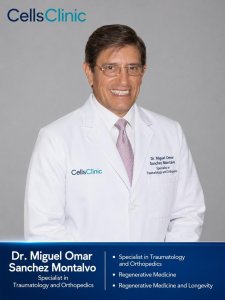

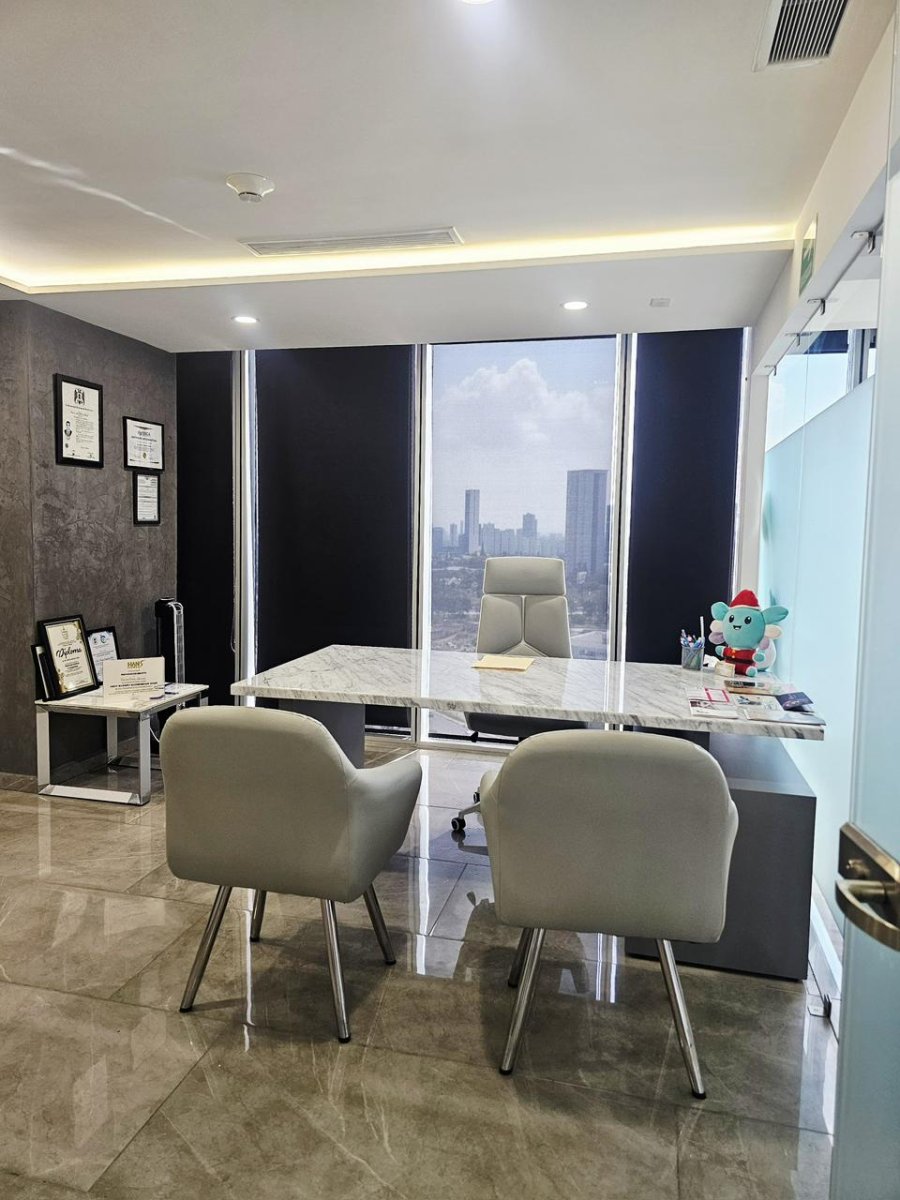
Especialista en Medicina Física y Rehabilitación – El Dr. Flores está certificado y recertificado por el Consejo Mexicano de Medicina de Rehabilitación.
 Olena Sikoza
La ortopedia privada de alto nivel en México ofrece una calidad equiparable a la de EE. UU. y Canadá para tratamientos articulares y óseos. Los centros en Monterrey y Cancún utilizan implantes aprobados por la FDA y técnicas regenerativas avanzadas. Muchos especialistas cuentan con certificaciones internacionales. Los pacientes suelen experimentar tiempos de espera significativamente más cortos para cirugías electivas.
Perspectiva del experto de Bookimed: México se ha convertido en un centro global de ortopedia regenerativa más allá de la cirugía estándar. Mientras que EE. UU. a menudo limita los tratamientos celulares, clínicas como Stem Solutions y el Advanced Regenerative Center ofrecen protocolos de alta dosis con tejido de cordón umbilical. Estas instalaciones atienden a más d
Los cirujanos en México están altamente cualificados, y muchos poseen certificaciones dobles de juntas mexicanas e internacionales. Los mejores especialistas a menudo completan residencias o becas en los EE. UU. o Europa. Las instalaciones líderes mantienen la acreditación del Consejo de Salubridad General (CSG), lo que garantiza el estricto cumplimiento de los protocolos de seguridad globales.
Perspectiva de expertos de Bookimed: Los datos muestran una alta concentración de experiencia en Monterrey y Puerto Vallarta entre los especialistas en rehabilitación. Por ejemplo, el Dr. Hernán Flores es el presidente fundador del Colegio Mexicano de Medicina de Rehabilitación de Nuevo León. Estos roles de liderazgo a menudo señalan un mayor nivel de autoridad clínica y experiencia en tr
Los centros ortopédicos en México utilizan implantes de titanio y cobalto-cromo de alta calidad de marcas globales como Stryker, Zimmer Biomet y Smith & Nephew. Los cirujanos integran sistemas asistidos por robot y tecnología de impresión 3D. Los protocolos regenerativos a menudo combinan estos implantes con células madre mesenquimales derivadas del cordón umbilical para mejorar la recuperación articular.
Perspectiva del experto de Bookimed: Los datos muestran que los principales centros regenerativos de México, como el Advanced Regenerative Center - ARC STEM CELLS, tratan a más de 1,200 pacientes al año utilizando protocolos basados en evidencia. Si bien muchos buscan reemplazos estándar, combinar la cirugía con paquetes de células madre de al
Un paquete de turismo médico en México para tratamientos óseos y articulares combina procedimientos quirúrgicos o regenerativos con la logística de viaje esencial. Estos suelen incluir consultas con especialistas, el procedimiento principal, traslados locales y, a menudo, estancias en hoteles de 4 o 5 estrellas para la recuperación. Los paquetes estándar simplifican la coordinación para pacientes internacionales.
Perspectiva del experto de Bookimed: El análisis de los paquetes regenerativos mexicanos muestra un cambio hacia protocolos de alto recuento celular como diferenciador de valor. Mientras que las opciones básicas comienzan en $4,000, los paquetes premium como los de Stem Solutions a menudo alcanzan los $20,000 al combinar 250 millones de células madre mesenquimales con terapia de exosomas e infusiones de vitaminas. Elegir estas `megadosis` combinadas
Los pacientes deben permanecer en México de 3 a 14 días, dependiendo del tipo de procedimiento. Los tratamientos regenerativos simples, como las inyecciones de células madre, requieren de 2 a 3 días. Las cirugías mayores, como los reemplazos articulares o las reconstrucciones, generalmente requieren una estancia de 10 a 14 días por seguridad.
Perspectiva de expertos de Bookimed: Los datos de Bookimed muestran una tendencia clara en la que las clínicas regenerativas como Stem Solutions y el Aura Regenerative Center incluyen de 2 a 3 noches de hotel en sus precios. Esto sugiere que, aunque se trata de procedimientos ambulatorios, los médicos prefieren que los pacientes permanezcan en la localidad durante 72 horas para monitorear la respuesta biológica inicial. Para la corrección quirúrgica de deformidades óseas o revisiones articula
La mayoría de los planes de seguro médico de EE. UU. y Canadá no cubren tratamientos ortopédicos electivos en México. La cobertura suele limitarse a la atención de emergencia. Medicare y los planes provinciales como OHIP o MSP rara vez reembolsan procedimientos óseos y articulares programados realizados fuera de su país de origen.
Perspectiva del experto de Bookimed: Aunque el seguro rara vez cubre el procedimiento, los pacientes a menudo pueden usar Cuentas de Ahorros para la Salud (HSA) o Cuentas de Gastos Flexibles (FSA) para tratamientos realizados en México. Muchas clínicas como Aura Regenerative Center proporcionan documentación aprobada por COFEPRIS y trazabilidad completa de los productos celulares. Estos datos médicos formales son esenciales para justificar estos gastos como gastos médicos calificados ante las autoridade
El idioma rara vez es una barrera significativa para el tratamiento ortopédico en México en los principales centros clínicos internacionales. La mayoría de los cirujanos ortopédicos en ciudades turísticas como Cancún, Monterrey y Tijuana han recibido formación en Estados Unidos o Canadá. Los coordinadores clínicos y el personal médico de estas instalaciones suelen tener un alto dominio del inglés.
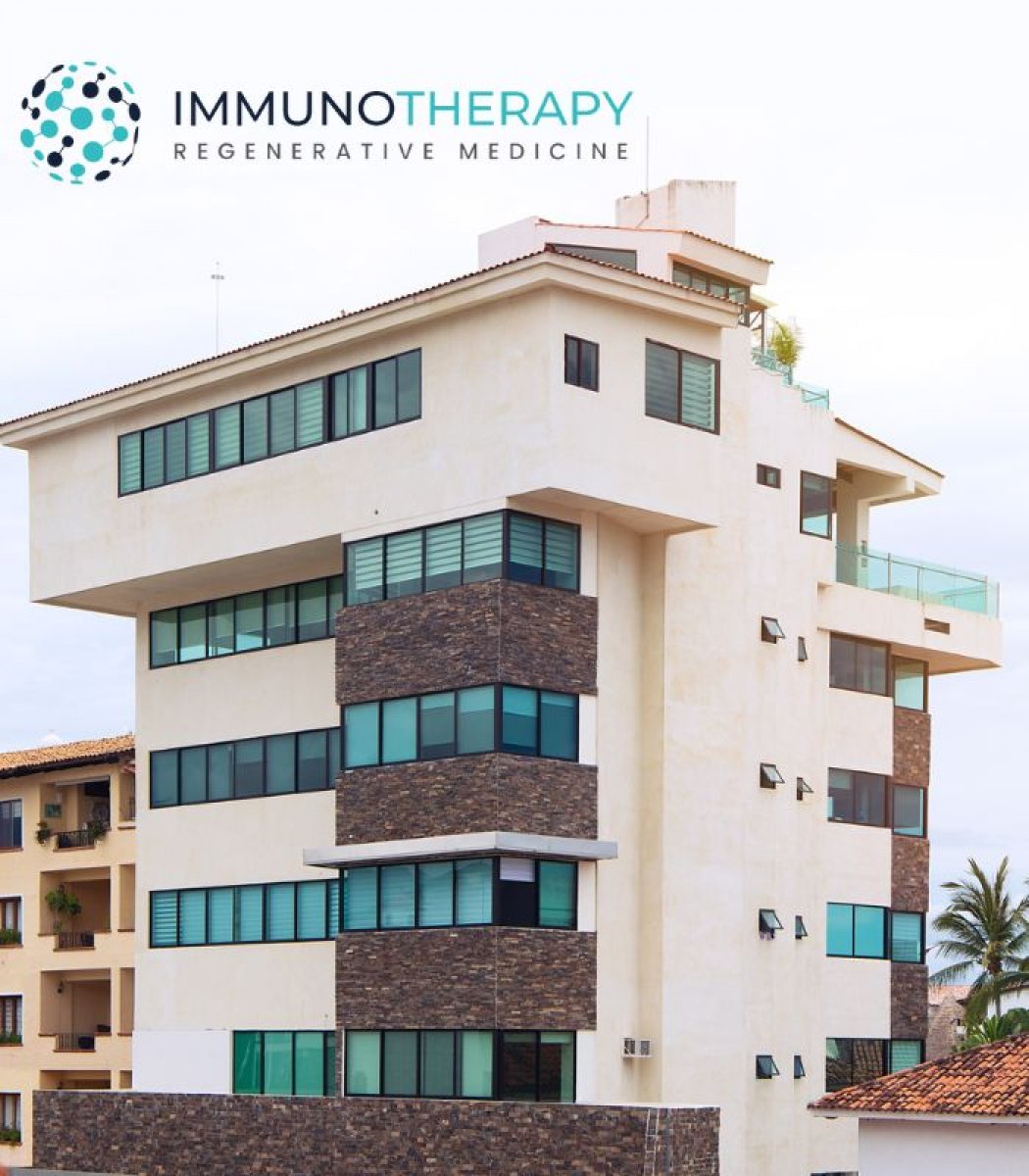
Perspectiva del experto de Bookimed: Los datos muestran que las clínicas en Monterrey y Puerto Vallarta, como Stem Solutions e Immunotherapy Regenerative Medicine, diseñan servicios específicamente para pacientes de EE. UU. y Australia. Estos centros a menudo emplean equipos multidisciplinarios que incluyen nutricionistas y biofísicos que comunican protocolos complejos en inglés. Elegir una clínica con un alto