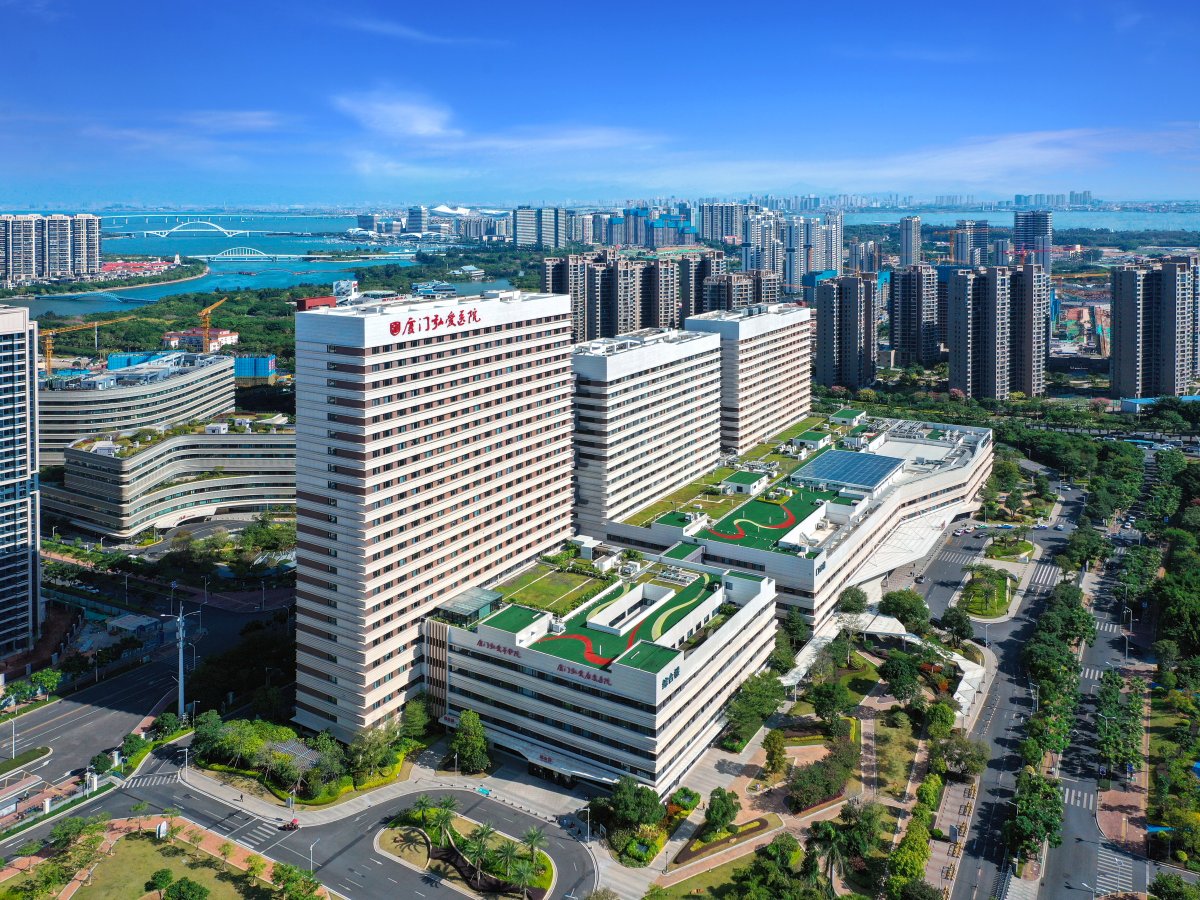
Hospital Xiamen Humanity
China, Xiamen


Revisado médicamente por
Fahad Mawlood
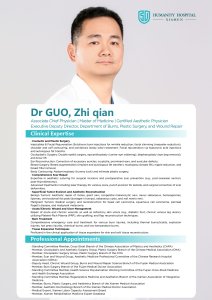
El Dr. Guo Zhiqian es médico jefe y médico estético certificado. Es director del Departamento de Quemaduras, Cirugía Plástica y Reparación de Heridas. Tiene una maestría en medicina.
Enfoque: inyectables y rejuvenecimiento facial. Cirugía oculoplástica, de oreja, de mama y corporal. Reparación integral de cicatrices. Extirpación de tumores superficiales con reconstrucción estética. Atención de heridas y úlceras agudas y crónicas (PRP, injertos cutáneos, colgajos). Manejo de quemaduras.
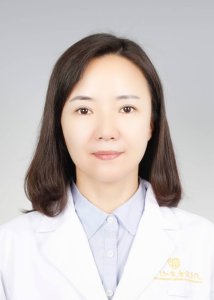
La profesora Liang Xiaoxiao es Directora del Departamento y Jefa de Servicio de Neurorrehabilitación. Cuenta con una maestría en neurología. Es experta en neuromodulación para trastornos de la conciencia, la cognición y el movimiento. Su labor se centra en casos de enfermedad cerebrovascular, enfermedad de Parkinson y afecciones relacionadas. También realiza inyecciones de toxina botulínica guiadas por ecografía para el blefaroespasmo, el espasmo hemifacial, la espasticidad de las extremidade

El Dr. Li Shengli es cirujano plástico en el Hospital de Cosmetología Médica SIIC de Shanghái. Realiza cirugía plástica facial, rinoplastia compleja y cirugía linfática microscópica. Ha ganado dos Premios al Progreso Científico y Tecnológico de Shanghái por su trabajo.
 Olena Sikoza
En China, el tratamiento de los queloides emplea una estrategia integral que combina la extirpación quirúrgica, la radioterapia y las inyecciones intralesionales, con el objetivo de reducir el alto riesgo de recurrencia. Los protocolos estándar incluyen cócteles de corticosteroides con 5-fluorouracilo y tratamientos láser avanzados, como los láseres de CO2 fraccionados. Las instituciones médicas acreditadas por la JCI suelen combinar la medicina tradicional china con los estándares clínicos internacionales.
Opinión experta de Bookimed: El Hospital Internacional Yanda en Pekín demuestra la magnitud del sistema de atención médica terciaria de China. Este centro atiende a 2.500.000 pacientes al año y cuenta con 3.0
Los médicos chinos previenen la recurrencia de queloides combinando la reducción de la tensión quirúrgica con radioterapia y farmacoterapia postoperatorias inmediatas. Los especialistas priorizan iniciar la radioterapia con haz de electrones entre 24 y 48 horas después de la extirpación. Este enfoque multimodal suprime eficazmente la actividad de los fibroblastos, previniendo la reaparición de cicatrices en zonas de piel de alto riesgo.
Opinión de los expertos de Bookimed: Los datos de los principales centros médicos chinos demuestran que las clínicas de categoría A III ofrecen los mejores resultados. Instituciones como el Hospital Internacional Yanda tratan a millones de pacientes anualmente, utilizando más de 28 500 tecnologías de vanguardia. Para los pacientes con cic
La medicina tradicional china (MTC) se utiliza en China como terapia complementaria para las cicatrices queloides. Centros como el Hospital Internacional Yanda combinan enfoques tradicionales con protocolos internacionales modernos. El tratamiento incluye ungüentos a base de hierbas, acupuntura y medicamentos orales. El objetivo de estos métodos es mejorar la textura de la cicatriz y reducir el picor.
Opinión de expertos de Bookimed: El Hospital Internacional Yanda atiende a 2.500.000 pacientes anualmente y cuenta con la acreditación JCI. Este elevado volumen de casos demuestra que los principales centros académicos de China están cubriendo una necesidad. Utilizan técnicas quirúrgicas modernas y de eficacia probada junto con las tradicionales. Este enfoque dual garant
Las guías de tratamiento para cicatrices queloides en niños priorizan la prevención no invasiva y la atención pediátrica especializada. Entre las estrategias efectivas se incluye el uso de terapia con silicona y prendas de compresión inmediatamente después del cierre de la herida. En niños con predisposición conocida a la formación de queloides, es fundamental evitar procedimientos electivos, como la perforación de orejas, para prevenir la recurrencia.
Opinión experta de Bookimed: Un análisis de las tendencias clínicas muestra que la escisión quirúrgica como único tratamiento rara vez se recomienda para niños. Esto se debe a que la tasa de recurrencia en niños puede alcanzar casi el 100%. Nuestros datos sugieren que los protocolos combinados, como las inyecciones de esteroides combinadas con terapia láser, proporcionan resultados más durade
Entre los principales hospitales de China para pacientes internacionales se encuentran el Hospital Internacional de Yanda, el Noveno Hospital Popular de Shanghái y el Hospital Universitario Peking Union Medical College. Estas instituciones, acreditadas por la JCI, se especializan en la eliminación de cicatrices queloides con tecnología de vanguardia. Suelen combinar la extirpación quirúrgica con radioterapia mediante acelerador lineal o terapia láser especializada. Este enfoque interdisciplinario ayuda a prevenir la reaparición de las cicatrices.
Opinión de expertos de Bookimed: Si bien muchos eligen Pekín por su acreditación JCI, las instituciones médicas de Shanghái, como el Noveno Hospital Popular, sue

