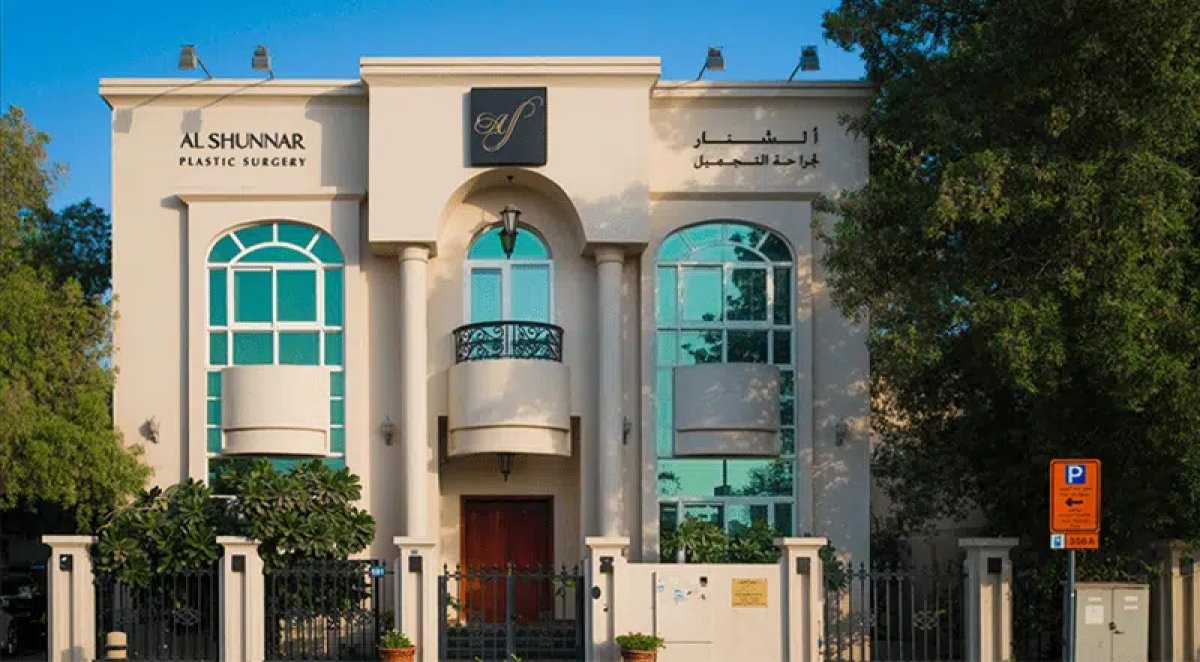
Hospitales Aster en Dubai (Aster Hospitals, DUBAI)
Emiratos Árabes Unidos, Dubái


Revisado médicamente por
Fahad Mawlood
Bookimed no añade cargos extra a los precios de los tratamientos de Cicatrices queloides. Las tarifas proceden de las listas de precios oficiales de las clínicas. Pagará directamente en la clínica por su tratamiento a su llegada al país.
Bookimed está comprometido con su seguridad. Solo trabajamos con las clínicas que mantienen altos estándares internacionales en el tratamiento de Cicatrices queloides y cuentan con las licencias necesarias para atender a pacientes internacionales en todo el mundo.
Bookimed ofrece asistencia experta gratuita. Un coordinador médico personal le apoya antes, durante y después de su tratamiento, resolviendo cualquier problema. Nunca estará solo en su viaje médico de tratamiento de Cicatrices queloides.

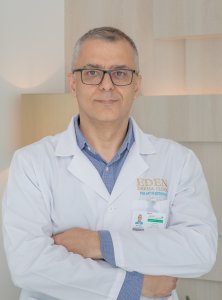
El Dr. Ehsan Sotoudeh, MD, es cirujano general, especialista en laparoscopia y en estética. Tiene más de 24 años de experiencia clínica, con enfoque en medicina de precisión y sólidos resultados clínicos.
Cuenta con licencia en medicina regenerativa, incluida la terapia con células madre y los tratamientos basados en exosomas. Todos los servicios siguen un modelo regulado y dirigido por médicos.
Su atención se basa en protocolos basados en la evidencia, diagnósticos avanzados y
 Olena Sikoza
Las cicatrices queloides no pueden eliminarse por completo para restaurar la piel a su estado original. Los tratamientos modernos mejoran significativamente la apariencia y aplanan el tejido. Aunque la escisión quirúrgica es posible, los médicos deben combinarla con radiación o inyecciones. Esto evita que la cicatriz vuelva a crecer más grande debido a un nuevo trauma.
Perspectiva del experto de Bookimed: El éxito en los Emiratos Árabes Unidos a menudo depende de elegir especialistas que integren técnicas regenerativas. El Dr. Ehsan Sotoudeh en EDEN AESTHETICS en Dubái tiene más de 20 años de experiencia. Utiliza diagnósticos avanzados y protocolos individualizados. Esta experiencia es vital porque los queloides a menudo requieren años de intervenciones específicas y variadas para permanecer planos. Instalaciones como los hospitales Aster, que tr
Los tratamientos más eficaces para las cicatrices queloides en los EAU implican terapias combinadas que utilizan inyecciones de esteroides y láseres avanzados. Los resultados clínicos muestran que ciertos enfoques multimodales logran una mejora del 80%. Los principales centros médicos de Dubái y Abu Dabi ofrecen estos protocolos dermatológicos especializados para cicatrices persistentes.
Perspectiva del experto de Bookimed: Los pacientes deben priorizar a los médicos que combinan métodos quirúrgicos y regenerativos para obtener los mejores resultados. El Dr. Ehsan Sotoudeh de EDEN AESTHETICS tiene más de 20 años de experiencia en medicina estética y regenerativa. Elegir un especialista que utilice tratamientos basados en exosomas junto con métodos tradicionales puede mejorar significativamente la curación de la piel y la apariencia de la cica
Los queloides regresan con frecuencia porque son el resultado de una respuesta de curación hiperactiva ante un traumatismo cutáneo. Las tasas de recurrencia varían entre el 45% y el 100% solo con cirugía. El uso de terapias combinadas y protocolos especializados mejora significativamente los resultados a largo plazo para los pacientes en los Emiratos Árabes Unidos.
Perspectiva del experto de Bookimed: En Dubái, clínicas como Aster Hospitals gestionan más de 20 millones de pacientes al año en toda su red. Los cirujanos aquí, incluidos aquellos con más de 20 años de experiencia como el Dr. Ehsan Sotoudeh, enfatizan la medicina de precisión. Este enfoque en la biología individual es vital para los queloides. Las cicatrices maduras que han dejado de crecer durante años tienen solo una tasa de recurrencia del 4,5% después de la cirugía.
Consenso de los pacientes: Los pac
El tratamiento de queloides en los Emiratos Árabes Unidos suele requerir de 4 a 12 sesiones para obtener resultados visibles. La mayoría de los protocolos implican inyecciones o terapia láser con un intervalo de 4 a 6 semanas. Las cicatrices grandes o antiguas a menudo necesitan 10 o más sesiones. Las redes de gran volumen como los Hospitales Aster brindan atención dermatológica especializada.
Perspectiva del experto de Bookimed: Los datos de los principales proveedores de los EAU, como los Hospitales Aster, destacan el beneficio de su enorme red de 2.900 médicos. Los pacientes a menudo descubren que comenzar el tratamiento con cirujanos experimentados como el Dr. Ehsan Sotoudeh conduce a planes más precisos y basados en evidencia. Estos marcos dirigidos por médicos se centran en diagnósticos individualizados. Este enfoque es vital porque la respuesta al queloide varía
El tratamiento de queloides en los Emiratos Árabes Unidos suele implicar una molestia manejable en lugar de un dolor intenso. Los especialistas utilizan cremas anestésicas tópicas y anestesia local para garantizar la comodidad del paciente durante los procedimientos. La mayoría de los pacientes describen las sensaciones como breves pinchazos o calor leve, dependiendo de la técnica específica utilizada.
Perspectiva del experto de Bookimed: La experiencia clínica en Dubái muestra que combinar métodos a menudo reduce la molestia total. Por ejemplo, el Dr. Ehsan Sotoudeh en EDEN AESTHETICS utiliza protocolos regenerativos para acelerar la curación. Este enfoque a menudo acorta el período de sensibilidad posterior al tratamiento en comparación con la escisión quirúrgica tradicional sola. Elegir un especialista con más de 20 años de experiencia garantiza aplicaciones más precisas y menos traumátic
La reducción visible en el tamaño del queloide ocurre típicamente entre 3 y 6 meses de tratamiento constante. Los pacientes en los Emiratos Árabes Unidos a menudo notan un alivio inicial de la picazón o la incomodidad dentro de las 2 semanas. El aplanamiento completo y la mezcla de colores generalmente requieren de 1 a 2 años de terapia.
Perspectiva del experto de Bookimed: Los datos de los principales proveedores de Dubái, como los hospitales Aster, destacan que la constancia es el principal motor del éxito. Los pacientes que programan inyecciones de mantenimiento cada 4 a 6 semanas ven un ablandamiento más rápido. Los centros con especialistas como el Dr. Ehsan Sotoudeh a menudo utilizan protocolos regenerativos avanzados para ayudar a prevenir la recurrencia.
Consenso de los pacientes: Los pacientes señalan que las primeras victorias suelen ser de comodidad
El tratamiento exitoso de queloides en los Emiratos Árabes Unidos requiere una estricta protección UV y control de la tensión. Los pacientes deben evitar los anticoagulantes durante 10 días antes de los procedimientos. El cuidado posterior al tratamiento, centrado en la terapia con silicona y los programas de esteroides, reduce significativamente las altas tasas de recurrencia natural de estas cicatrices.
Perspectiva de expertos de Bookimed: Los datos de los principales proveedores de los EAU, como los hospitales Aster, destacan la escala del apoyo multidisciplinario disponible. Para queloides complejos, combinar la escisión quirúrgica con radioterapia inmediata es una estrategia probada. Este protocolo específico reduce las tasas de recurrencia a menos del 10% en comparación con el 50% de la cirugía sola.
Consenso de los pacientes: Los pacientes enfatizan que usar láminas de