Cicatrices queloides en India: las 11 mejores clínicas para su tratamiento


Revisado médicamente por
Fahad Mawlood
¿Cuál es el precio del diagnóstico y los tratamientos de Cicatrices queloides en India? Descubra ahora
Sus beneficios y garantías con Bookimed
Precios directos
Bookimed no añade cargos extra a los precios de los tratamientos de Cicatrices queloides. Las tarifas proceden de las listas de precios oficiales de las clínicas. Pagará directamente en la clínica por su tratamiento a su llegada al país.
Sólo clínicas y médicos verificados
Bookimed está comprometido con su seguridad. Solo trabajamos con las clínicas que mantienen altos estándares internacionales en el tratamiento de Cicatrices queloides y cuentan con las licencias necesarias para atender a pacientes internacionales en todo el mundo.
Asistencia 24/7 gratuita
Bookimed ofrece asistencia experta gratuita. Un coordinador médico personal le apoya antes, durante y después de su tratamiento, resolviendo cualquier problema. Nunca estará solo en su viaje médico de tratamiento de Cicatrices queloides.

Su coordinador médico personal de Bookimed
- Le apoya en cada etapa
- Ayuda a elegir la clínica y el médico adecuados
- Asegura un acceso rápido y conveniente a la información
Descubra las mejores clínicas de tratamiento de Cicatrices queloides en India: 11 opciones verificadas y Precios







Dr. Rela Institute & Medical Centre
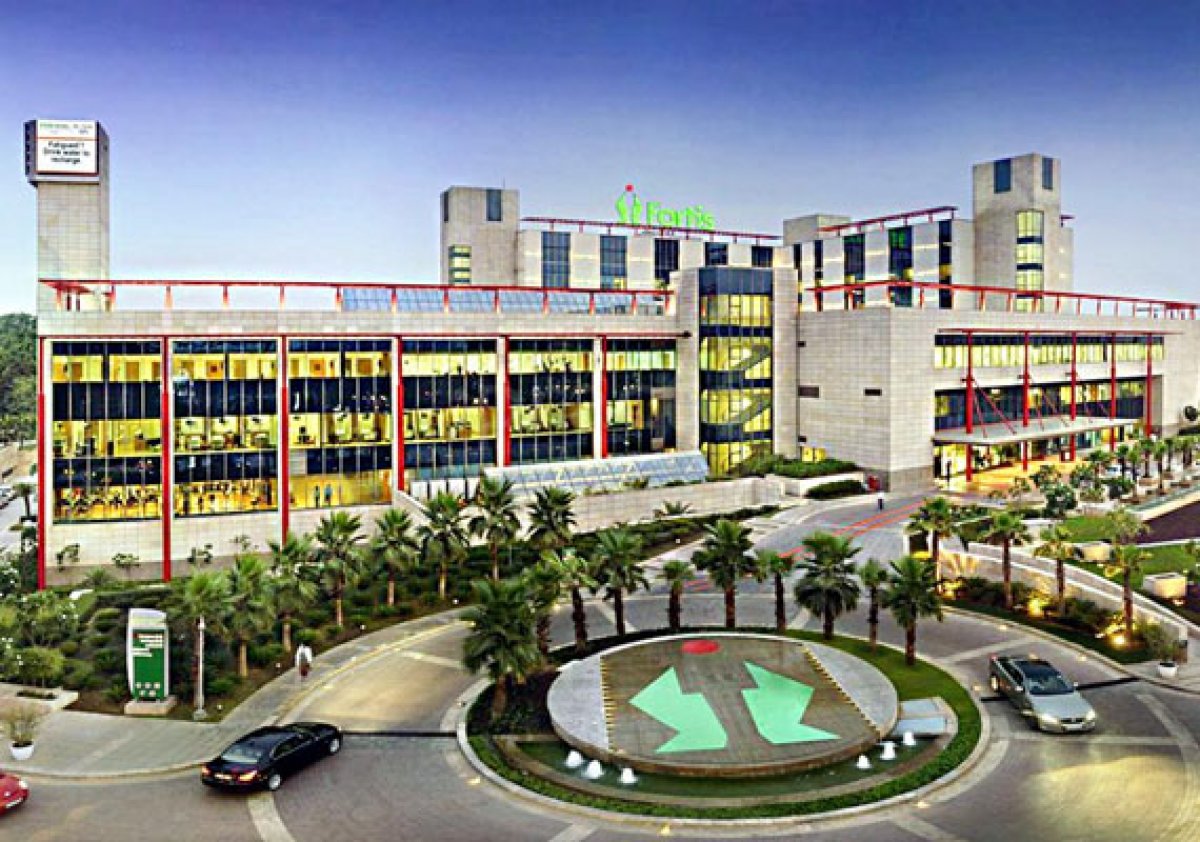
Instituto de Investigación Fortis Memorial

Fortis Shalimar Bagh
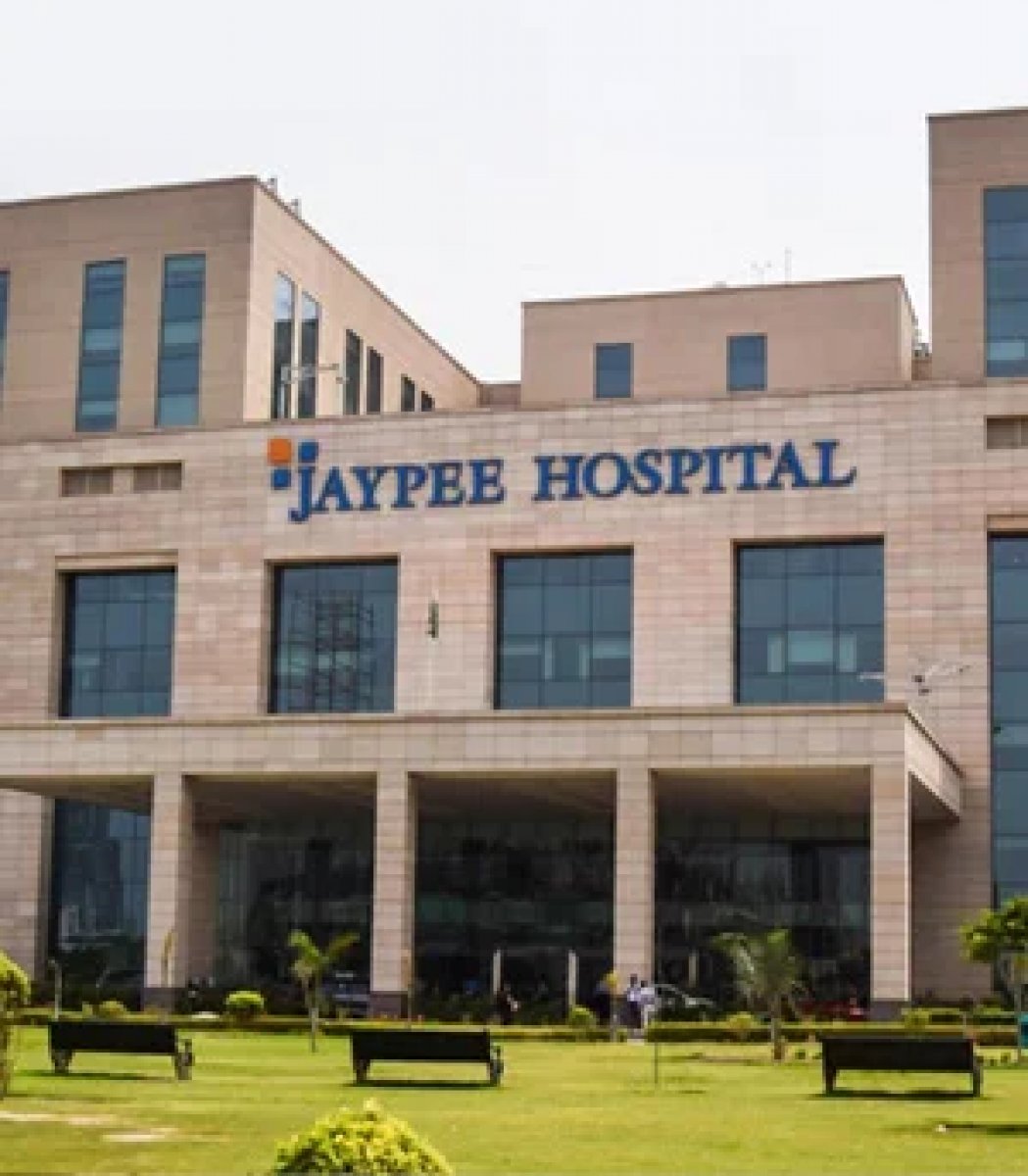
Jaypee Hospital

Fortis Hospital
LBR Dental & Implant Center
Obtenga una evaluación médica para Cicatrices queloides en India: consulte con doctores experimentados ahora
Ver todos los médicos
Rangnath Jhawar
Compartir contenido
Historias en video de pacientes de Bookimed
 Olena Sikoza
Preguntas frecuentes sobre el tratamiento de Cicatrices queloides en India
¿Cuáles son los tratamientos más eficaces para las cicatrices queloides disponibles en la India?
En India se ofrecen protocolos multicomponente que incluyen inyecciones intersticiales de esteroides, terapia láser y escisión quirúrgica para el tratamiento de cicatrices queloides. Centros especializados como Manipal Hospitals y Fortis Shalimar Bagh utilizan tratamientos combinados, que incluyen inyecciones de 5-fluorouracilo y crioterapia, para reducir las altas tasas de recurrencia a menos del 10 %.
- Inyecciones de esteroides: El acetónido de triamcinolona reduce la inflamación y alisa los tejidos en un plazo de 3 a 6 semanas.
- Terapia láser: Los láseres de CO2 fraccionado y de colorante pulsado (PDL) mejoran la textura de la piel y reducen el enrojecimiento.
- Escisión quirúrgica: La escisión precisa se realiza en instituciones acreditadas como el Global Hospital Chennai.
- Terapia adyuvante: La radioterapia o la terapia de presión postoperatorias previenen la formación de nuevo tejido cicatricial.
Opinión experta de Bookimed: Los datos de pacientes muestran que el éxito en India a menudo depende del volumen de pacientes de la clínica. Manipal Hospitals atiende a 2.000.000 de pacientes anualmente en varios estados. Las instituciones de este tamaño suelen brindar acceso continuo a tratamientos complementarios, como 5-fluorouracilo o bleomicina, cuando los esteroides estándar no logran una mejoría del 30 % en 3 meses.
Consenso
¿Puede reaparecer un queloide después de su extirpación quirúrgica?
Los queloides presentan una alta tasa de recurrencia, entre el 45 % y el 100 %, cuando se tratan únicamente con cirugía. La incisión quirúrgica supone un nuevo traumatismo para la piel, lo que suele desencadenar una respuesta de cicatrización excesiva. Los centros especializados en la India reducen significativamente este riesgo al combinar la cirugía con tratamientos de seguimiento inmediatos.
- Radioterapia: El uso de radiación superficial durante 24 a 48 horas reduce la recurrencia a menos del 10%.
- Inyecciones de corticosteroides: Las inyecciones regulares cada 4 a 6 semanas suprimen la inflamación y previenen el rebrote.
- Terapia de compresión: Las prendas o pendientes especializados que se usan durante 6 a 12 meses ayudan a mantener las cicatrices planas.
- Hidratación con silicona: Las láminas o geles de grado médico proporcionan la hidratación esencial y una presión suave en la zona tratada.
Opinión experta de Bookimed: Los datos de grandes redes hospitalarias indias, como Manipal Hospitals y Fortis Healthcare, demuestran una tendencia hacia la atención médica integral. Los centros de vanguardia están integrando aceleradores lineales para la administración precisa de radiación postoperatoria. Elegir un hospital con un departamento de cirugía plástica, como Fortis Shalimar Bagh, garantiza el acceso a estos protocolos combinados.
<
¿Cuántas sesiones de tratamiento suelen ser necesarias?
En India, el tratamiento de los queloides suele requerir de 3 a 8 sesiones para reducir significativamente su altura y enrojecimiento. Si bien la extirpación quirúrgica es el único procedimiento, a menudo se requieren de 4 a 5 inyecciones de esteroides posteriores. La mayoría de las clínicas programan estas sesiones con un intervalo de 4 a 8 semanas para permitir que la piel cicatrice.
- Inyecciones de esteroides: Normalmente, el tratamiento estándar para la mayoría de los pacientes consiste en 3 a 6 sesiones mensuales.
- Terapia láser: Se prevén entre 5 y 8 sesiones programadas cada 4 a 6 semanas.
- Extirpación quirúrgica: Requiere una intervención quirúrgica más 3 meses de inyecciones profilácticas después de la cirugía.
- Cronograma general: Los protocolos de tratamiento completos suelen abarcar un período de 6 a 12 meses.
Opinión experta de Bookimed: Los pacientes suelen subestimar la magnitud de la infraestructura especializada en la India, como la del Hospital Fortis Shalimar Bagh, que cuenta con un departamento de cirugía plástica y reconstructiva. Los datos muestran que los grandes grupos multidisciplinarios, como los Hospitales Manipal, que atienden a 2 millones de pacientes anualmente, ofrecen un tratamiento a largo plazo más consistente para los queloides en comparación con las clínicas más pequeñas y especializadas. Este volumen es un
¿A qué especialista debo consultar para el tratamiento de queloides en India?
En India, los principales especialistas en el tratamiento de queloides son los dermatólogos, que realizan tratamientos no quirúrgicos, y los cirujanos plásticos, que realizan extirpaciones complejas. Los queloides en etapa temprana responden bien a las inyecciones de corticosteroides o a la terapia con láser. Las cicatrices grandes o persistentes requieren la intervención de cirujanos que combinan la cirugía con la radioterapia para prevenir la recurrencia.
- Especialización en dermatología: Tratamiento de cicatrices pequeñas con inyecciones de corticosteroides, crioterapia o sesiones especializadas con láser.
- Experiencia quirúrgica: Los cirujanos plásticos de Fortis Shalimar Bagh realizan extirpaciones de cicatrices grandes y antiguas.
- Enfoque multimodal: Los centros líderes combinan la extirpación quirúrgica con la radioterapia postoperatoria para garantizar el éxito.
- Acreditaciones clínicas: Instituciones importantes como los hospitales Manipal cuentan con las acreditaciones NABH y NABL por motivos de seguridad.
Opinión experta de Bookimed: Los datos de pacientes muestran que elegir hospitales multidisciplinarios como Fortis o Manipal suele ofrecer mejores resultados que las clínicas privadas. Estos centros cuentan con departamentos de dermatología y oncología. Esto es importante porque la eliminación exitosa de queloides a menudo requie
¿Existen tratamientos ayurvédicos o naturales eficaces en la India?
India ofrece tratamientos ayurvédicos y naturales eficaces para el dolor crónico, los trastornos metabólicos y la salud metabólica. Sin embargo, en lo que respecta a las cicatrices queloides, los datos clínicos y los resultados de los pacientes varían considerablemente. Si bien estos tratamientos mejoran el bienestar general, los tratamientos médicos, como las inyecciones de esteroides, siguen siendo el estándar principal para el manejo de las cicatrices.
- Métodos de tratamiento: La limpieza Panchakarma y las terapias de rejuvenecimiento Rasayana restablecen el equilibrio interno y promueven la longevidad.
- Instituciones especializadas: Los centros acreditados por la NABH, como el Hospital Ayurvédico Maharishi, ofrecen atención tradicional profesional y regulada.
- Eficacia clínica: Los preparados a base de hierbas muestran resultados similares a los de los medicamentos tradicionales para el alivio del dolor en la artritis reumatoide.
- Enfoque integral: Está científicamente comprobado que el yoga y la meditación reducen el estrés y el dolor crónico.
Análisis de expertos de Bookimed: Los datos de centros multidisciplinarios como Fortis Shalimar Bagh y el Hospital Manipal muestran una clara tendencia hacia la integración. Si bien estas instituciones atienden a millones de pacientes, priorizan la cirugía plástica y reconstructiva para afecciones