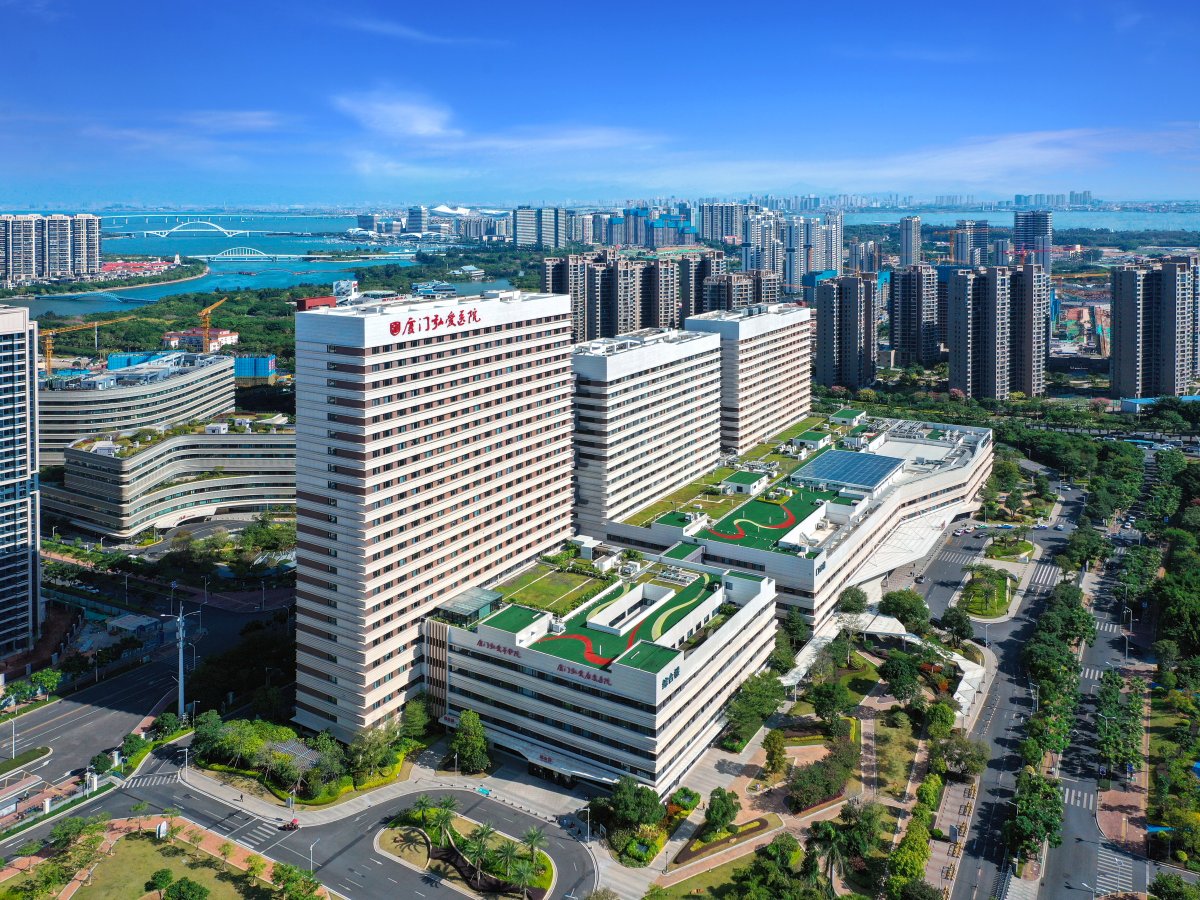
Hospital Xiamen Humanity
China, Xiamen


Revisado médicamente por
Fahad Mawlood
Bookimed no añade cargos extra a los precios de los tratamientos de Hemangioma hepático. Las tarifas proceden de las listas de precios oficiales de las clínicas. Pagará directamente en la clínica por su tratamiento a su llegada al país.
Bookimed está comprometido con su seguridad. Solo trabajamos con las clínicas que mantienen altos estándares internacionales en el tratamiento de Hemangioma hepático y cuentan con las licencias necesarias para atender a pacientes internacionales en todo el mundo.
Bookimed ofrece asistencia experta gratuita. Un coordinador médico personal le apoya antes, durante y después de su tratamiento, resolviendo cualquier problema. Nunca estará solo en su viaje médico de tratamiento de Hemangioma hepático.


La profesora Liang Xiaoxiao es Directora del Departamento y Jefa de Servicio de Neurorrehabilitación. Cuenta con una maestría en neurología. Es experta en neuromodulación para trastornos de la conciencia, la cognición y el movimiento. Su labor se centra en casos de enfermedad cerebrovascular, enfermedad de Parkinson y afecciones relacionadas. También realiza inyecciones de toxina botulínica guiadas por ecografía para el blefaroespasmo, el espasmo hemifacial, la espasticidad de las extremidade
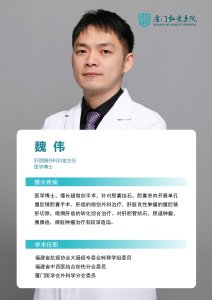
El Dr. Wei Wei, MD, es director del Departamento de Cirugía Hepatobiliar y Pancreática.
Se especializa en cirugía ultramínimamente invasiva. Sus procedimientos incluyen colecistectomía laparoscópica por puerto único para cálculos y pólipos de la vesícula biliar, tratamiento mínimamente invasivo del cáncer de hígado y hepatectomía laparoscópica para tumores hepáticos benignos. También realiza terapia de conversión para cáncer de hígado avanzado. Trata hepatolitiasis, tumores de la vía b
 Olena Sikoza
La mayoría de los hemangiomas hepáticos no requieren tratamiento. Estos grupos benignos de vasos sanguíneos suelen permanecer estables y no son cancerosos. Los médicos recomiendan la intervención solo si las lesiones superan los 5 centímetros o causan dolor abdominal intenso. La mayoría de las personas viven toda su vida sin necesitar ningún procedimiento médico para esta afección.
Perspectiva del experto de Bookimed: Los pacientes a menudo se preocupan por la ruptura de los hemangiomas. Sin embargo, los centros terciarios como el Hospital Xiamen Humanity se centran en la precisión diagnóstica de alto volumen para evitar cirugías innecesarias. El Dr. Wei Wei se especializa en cirugía hepática ultra mínimamente invasiva. Esta experiencia permite procedimientos de un solo puerto si la cirugía se vuelve realmente necesaria para el alivio de los síntomas.
Los especialistas chinos consideran que un tratamiento es médicamente necesario cuando las condiciones se alinean con las directrices de la Comisión Nacional de Salud y los catálogos de seguros provinciales. En el caso de los hemangiomas hepáticos, la necesidad suele estar determinada por el tamaño de la lesión, el crecimiento rápido o la incertidumbre diagnóstica. Las decisiones clínicas también requieren el consenso familiar según el Código Civil chino.
Perspectiva de expertos de Bookimed: Los hospitales de nivel III de China a menudo adoptan una postura más proactiva ante los tumores benignos grandes que los centros europeos. Instalaciones importantes como el Hospital Xiamen Humanity gestionan más de 1.000.000 de pacientes al año. Especialistas como el Dr. Wei Wei priorizan la hepatectomía laparosc
Los tratamientos no quirúrgicos para el hemangioma hepático en China se centran en la observación y la radiología intervencionista. La embolización transarterial es la intervención principal para lesiones sintomáticas o grandes. Este procedimiento bloquea el suministro de sangre para reducir el tumor. Muchos pacientes controlan la afección mediante imágenes regulares sin procedimientos invasivos.
Perspectiva del experto de Bookimed: El Hospital Xiamen Humanity representa una tendencia creciente en China donde los centros terciarios se enfocan en técnicas ultra mínimamente invasivas. Aunque muchos pacientes esperan medicación, nuestros datos muestran que los departamentos hepatobiliares especializados, como el dirigido por el Dr. Wei Wei, priorizan los enfoques laparoscópicos d
Los cirujanos chinos realizan cirugía abierta para hemangiomas hepáticos masivos que involucran múltiples segmentos o vasos principales. La cirugía laparoscópica es el estándar para tumores benignos periféricos y accesibles. Estas decisiones priorizan el control de hemorragias y una visualización segura. Los casos de emergencia con hemodinámica inestable aún requieren acceso abierto inmediato.
Perspectiva del experto de Bookimed: El Hospital Xiamen Humanity atiende a 1.000.000 de pacientes al año y utiliza 47 departamentos especializados. Cirujanos expertos como el Dr. Wei Wei se especializan en técnicas de transición. Realizan cirugía ultra mínimamente invasiva para problemas de vesícula biliar e hígado. Este alto volumen de pacientes permite a los cirujanos dominar la laparoscopia de puerto único. Esta habilidad específica a menudo reduce la necesidad de incisiones abiertas tradicionales en casos benignos.
Consenso d
Los centros chinos de Clase A Nivel III son líderes en el tratamiento de hemangiomas hepáticos complejos que superan los 10 cm. Instituciones notables incluyen el Shanghai Eastern Hepatobiliary Hospital y el West China Hospital. Estas instalaciones se especializan en reconstrucción vascular avanzada y resecciones laparoscópicas. Utilizan equipos multidisciplinarios para manejar tumores gigantes de manera segura.
Perspectiva del experto de Bookimed: Un alto volumen de pacientes a menudo indica una mayor seguridad para los procedimientos hepáticos vasculares. El Xiamen Humanity Hospital atiende a 1.000.000 de pacientes al año con 460 médicos disponibles. Esta enorme experiencia clínica es fundam
Los efectos secundarios después de una ablación de hemangioma hepático en China suelen incluir dolor abdominal localizado y fatiga leve. La mayoría de los pacientes experimentan una sensación similar a un hematoma en la parte superior derecha del abdomen al respirar profundamente. Estos síntomas generalmente desaparecen en un plazo de 2 a 7 días a medida que el tejido hepático comienza a sanar y la inflamación disminuye.
Perspectiva del experto de Bookimed: Aunque muchos pacientes esperan una recuperación rápida, los datos de centros como el Hospital Xiamen Humanity muestran que las técnicas ultra mínimamente invasivas aún requieren un descanso significativo. El Dr. Wei Wei se centra en estos procedimientos para minimizar el trauma tisular, pero la respuesta inflamatoria persiste. Los pacientes deben planificar una semana