Tratamiento de Hemangioma hepático en Alemania — obtenga 3 coincidencias personalizadas de clínicas


Revisado médicamente por
Fahad Mawlood
Cómo funciona
¿Cuál es el precio del diagnóstico y los tratamientos de Hemangioma hepático en Alemania? Descubra ahora
Descubra las mejores clínicas de tratamiento de Hemangioma hepático en Alemania: 11 opciones verificadas y Precios




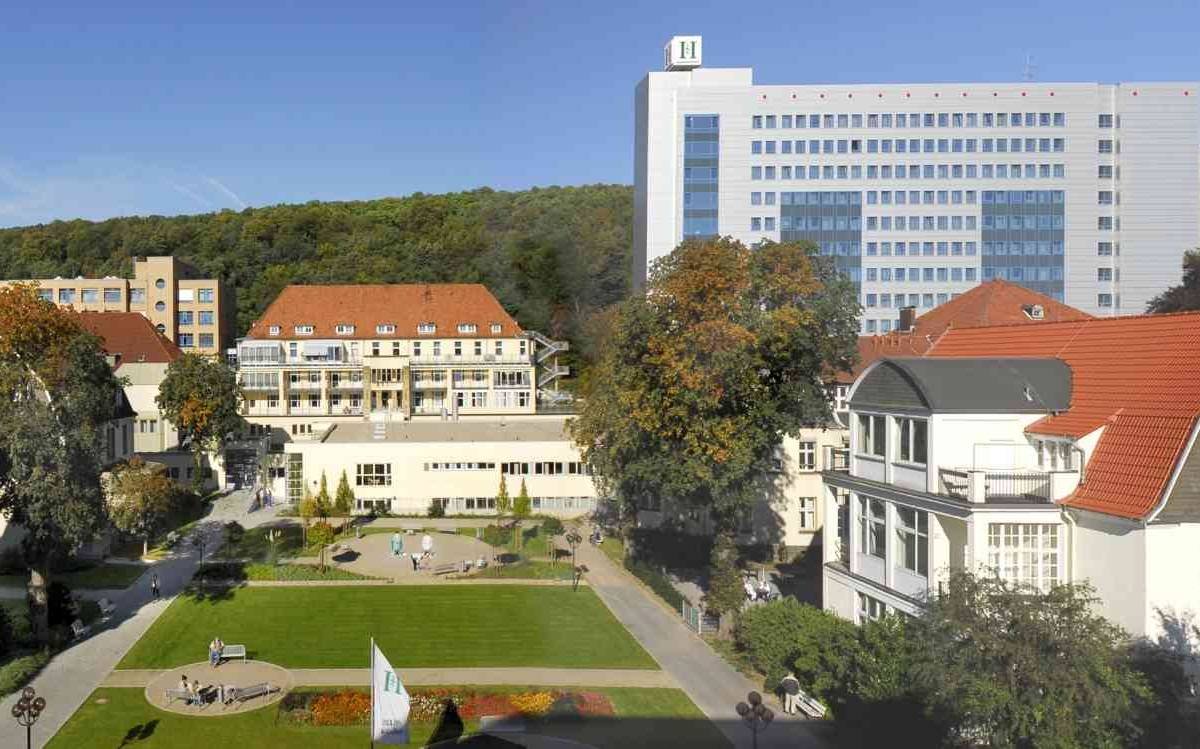


Medical Center in Solingen
Peter Schenker



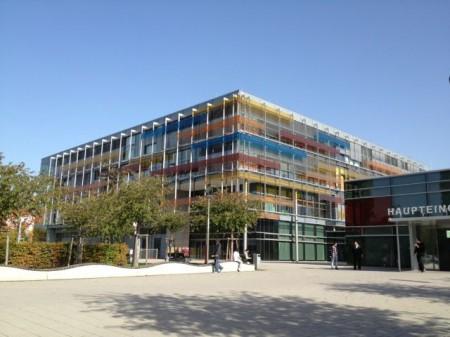
University Hospital in Haydelberge



Hospital in the Pfeiffer`s foundations






Obtenga una evaluación médica para Hemangioma hepático en Alemania: consulte con doctores experimentados ahora
Ver todos los médicos
Viktor Alexander Krol
El Dr. Viktor Alexander Krol dirige los departamentos de Gastroenterología y Medicina Interna en el Hospital Martinus, especializándose en tratamientos avanzados para enfermedades hepáticas.
- Dirige un centro certificado de tratamiento de la obesidad con altas tasas de éxito
- Utiliza las últimas tecnologías endoscópicas y de diagnóstico
- Experto en enfermedades gastrointestinales, hepáticas y metabólicas
- Proporciona planes de tratamiento individualizados para cada paciente
Peter Schenker
Especialista en cirugía mínimamente invasiva para hemangioma hepático en el Centro Médico de Solingen – introdujo técnicas modernas en cirugía oncológica.
- Consultor senior con 19 años de experiencia en cirugía visceral
- Experto en oncología gastrointestinal y cirugía de páncreas
- Cirujano jefe en el Hospital Académico de Solingen
- Coordinador del Centro de Cáncer de Páncreas (Oncocert)
- Investigador y profesor activo en métodos quirúrgicos
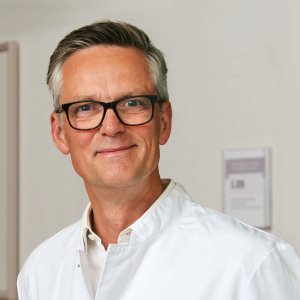
Wolfgang Schröder
Compartir contenido
Historias en video de pacientes de Bookimed
 Olena Sikoza
Preguntas frecuentes sobre el tratamiento de Hemangioma hepático en Alemania
¿Puede un hemangioma hepático convertirse en cáncer?
Los hemangiomas hepáticos son completamente benignos y no pueden convertirse en cáncer. La investigación médica confirma que nunca mutan ni se transforman en tumores malignos. Estas masas vasculares consisten en vasos sanguíneos enredados. Ocurren en hasta el 20% de la población general sin amenazar la salud.
- Precisión diagnóstica: Las resonancias magnéticas avanzadas o las tomografías computarizadas con contraste son 90% específicas para la confirmación.
- Patrones de crecimiento: Las lesiones pueden crecer debido a las hormonas, pero siguen siendo estrictamente no cancerosas.
- Observación clínica: La mayoría de los casos no requieren tratamiento ni intervención quirúrgica.
- Certificación de expertos: Los centros alemanes a menudo cuentan con la acreditación de la Sociedad Alemana del Cáncer para la precisión diagnóstica.
Perspectiva del experto de Bookimed: Los hospitales universitarios alemanes como Essen o Heidelberg gestionan más de 300.000 pacientes al año. Utilizan juntas multidisciplinarias de tumores para revisar las manchas hepáticas ambiguas. Esto asegura que un hemangioma benigno nunca se confunda con una lesión maligna. Esta experiencia de alto volumen proporciona una certeza diagnóstica definitiva para los pacientes internacionales.
Consenso de los pacientes: Los pacientes señalan que obtener una resona
¿Cómo se descarta que un hemangioma hepático sea un tumor maligno en los centros alemanes?
Los centros médicos alemanes descartan la malignidad utilizando protocolos de imagen no invasivos estandarizados. Los radiólogos utilizan ecografía con contraste y resonancia magnética multiparamétrica para identificar patrones vasculares específicos. Estas herramientas de alta resolución confirman los hemangiomas benignos al detectar firmas de flujo sanguíneo lento y patrones de llenado centrípeto sin necesidad de biopsias arriesgadas.
- Estándar de oro en imagen: La sensibilidad de la resonancia magnética para distinguir los hemangiomas del cáncer supera el 90%.
- Patrones vasculares específicos: La ecografía con contraste (CEUS) revela un realce nodular periférico único.
- Evitación de riesgos: Los especialistas evitan las biopsias con aguja para prevenir hemorragias internas en masas vasculares.
- Cumplimiento de directrices: Los centros siguen estrictamente los protocolos de la Sociedad Alemana de Ecografía en Medicina (DEGUM).
Perspectiva del experto de Bookimed: Los hospitales universitarios alemanes, como los de Essen o Heidelberg, gestionan volúmenes masivos de pacientes, superando los 300.000 casos anuales. Esta escala proporciona a los radiólogos una inmensa exposición a lesiones hepáticas atípicas. Mientras que las clínicas estándar podrían dudar ante una exploración compleja, estos centros académicos de alto volumen a menudo confir
¿Cuándo requiere tratamiento un hemangioma hepático y cuándo puede dejarse sin intervención?
Los hemangiomas hepáticos pueden permanecer sin tratamiento de forma segura si son asintomáticos y estables. Las guías clínicas alemanas recomiendan la observación para masas pequeñas de menos de 5 cm. La intervención solo es necesaria ante dolor abdominal intenso, crecimiento rápido o complicaciones raras como el síndrome de Kasabach-Merritt o la compresión de órganos.
- Estado asintomático: La ausencia de dolor o plenitud permite una observación segura sin intervención.
- Estabilidad del tamaño: Las masas menores de 5 cm generalmente solo requieren un seguimiento periódico mediante resonancia magnética.
- Diagnóstico claro: Las imágenes de alta calidad deben confirmar que la masa es benigna y no cancerosa.
- Motivos de tratamiento: La cirugía se reserva para dolor persistente o sospecha de incertidumbre diagnóstica.
Perspectiva del experto de Bookimed: Los hospitales universitarios alemanes priorizan la certeza diagnóstica antes de cualquier intervención quirúrgica. Centros como el Centro Médico de Solingen y el Hospital Universitario de Essen gestionan entre 60.000 y 370.000 pacientes al año. Este alto volumen permite a cirujanos como el Dr. Peter Schenker distinguir entre hemangiomas incidentales y casos oncológicos críticos utilizando imágenes digitales avanzadas. Si su diagnóstico se confirma como un hemangioma estable, los especialistas
¿Qué departamentos o especialistas alemanes gestionan los hemangiomas hepáticos?
El tratamiento de los hemangiomas hepáticos en Alemania involucra departamentos especializados en gastroenterología, cirugía visceral y radiología intervencionista. Estos equipos multidisciplinarios coordinan la atención en Centros Hepáticos certificados. Especialistas como el Dr. Viktor Alexander Krol se centran en el diagnóstico. Cirujanos como el profesor Peter Schenker gestionan casos complejos que requieren resección o enucleación.
- Departamentos de gastroenterología: Proporcionan seguimiento de primera línea, evaluación metabólica y ecografía diagnóstica para hemangiomas.
- Unidades de cirugía visceral: Manejan la enucleación tumoral preservando el órgano o la resección anatómica para el crecimiento sintomático.
- Radiología intervencionista: Realiza resonancias magnéticas o tomografías computarizadas con contraste y lleva a cabo embolizaciones mínimamente invasivas.
- Centros abdominales interdisciplinarios: Combinan múltiples especialistas para revisar las imágenes diagnósticas y los patrones de crecimiento.
Perspectiva del experto de Bookimed: Los hospitales universitarios alemanes como los de Essen y Solingen se especializan en atención hepatobiliar de alto volumen. El Hospital Universitario de Essen por sí solo atiende a aproximadamente 370,000 pacientes al año. Este volumen es crucial para los hemangiomas hepáticos porque los grand
¿Qué tecnologías avanzadas utilizan los centros alemanes para la cirugía de hemangiomas gigantes con el fin de reducir el riesgo de sangrado?
Los centros quirúrgicos alemanes minimizan el sangrado durante la resección de hemangiomas gigantes utilizando modelado virtual 3D, ecografía intraoperatoria y aspiradores quirúrgicos ultrasónicos. Estos centros combinan frecuentemente la radiología intervencionista con plataformas robóticas como da Vinci para garantizar un control vascular preciso y una disección de tejidos más segura en casos complejos.
- Herramientas de navegación: Las simulaciones 3D mapean los límites del hemangioma en relación con los principales vasos sanguíneos hepáticos.
- Técnicas intervencionistas: La embolización arterial transcatéter reduce las lesiones al disminuir el suministro de sangre antes de la cirugía.
- Hardware de disección: Los aspiradores ultrasónicos fragmentan las células hepáticas mientras preservan las estructuras vasculares y biliares elásticas.
- Protocolos de anestesia: El monitoreo de baja presión venosa central reduce el sangrado retrógrado durante la transección activa del tejido hepático.
Perspectiva del experto de Bookimed: Los datos de centros de alto volumen como el Hospital Universitario de Essen y el Hospital Universitario de Aquisgrán muestran que la experiencia se concentra en centros multidisciplinarios. Estas instalaciones tratan hasta 370,000 pacientes anualmente y coordinan a cirujanos con radiólogos intervencionistas. Esta colabor
¿Existen medicamentos o estilos de vida que puedan hacer crecer un hemangioma hepático?
Los medicamentos que contienen estrógenos y las etapas hormonales de la vida, como el embarazo, pueden estimular el crecimiento de los hemangiomas hepáticos. Si bien los factores del estilo de vida, como la dieta o el ejercicio, no aumentan directamente el tamaño de la lesión, las hormonas influyen activamente en estos grupos vasculares. Los especialistas en hígado alemanes suelen controlar los hemangiomas grandes durante la terapia hormonal o el embarazo.
- Medicamentos hormonales: Las píldoras anticonceptivas y la terapia de reemplazo hormonal (TRH) pueden acelerar el crecimiento de los grupos vasculares.
- Fase de embarazo: Los aumentos naturales de estrógeno y progesterona provocan con frecuencia que los hemangiomas existentes se agranden.
- Influencia de los esteroides: Los esteroides anabólicos o recetados se han relacionado ocasionalmente con un aumento de tamaño en la investigación médica.
- Impacto dietético: El alcohol y el azúcar no provocan el crecimiento, pero afectan la salud general del hígado.
Perspectiva de expertos de Bookimed: Los datos de centros alemanes líderes, como el Hospital Universitario de Aquisgrán y el Hospital Universitario de Essen, muestran un enfoque en la precisión diagnóstica. Muchos casos sospechosos de crecimiento son en realidad variaciones de medición entre diferentes tecnologías de imagen. Con más de 370
¿Qué hospitales en Alemania tienen las calificaciones más altas en neurocirugía?
Alemania alberga algunos de los departamentos de neurocirugía más prestigiosos del mundo, liderados por la Charité – Universitätsmedizin Berlin y el Hospital Universitario de Heidelberg. Estos centros destacan en el tratamiento de tumores cerebrales complejos y enfermedades cerebrovasculares. Para maximizar la eficacia de sus procedimientos, utilizan tecnologías de vanguardia como la resonancia magnética intraoperatoria y la neuronavegación asistida por computadora.
- Charité Berlín: Realiza más de 5000 cirugías al año. La clínica está dirigida por el reconocido neurocirujano Dr. Peter Vaikoczy.
- Centro Médico Solingen: El Dr. Ralf Buhl ha realizado más de 4.000 cirugías, incluidas cirugías de columna mínimamente invasivas.
- Clínica Asklepios Nord: equipada con el único sistema de resonancia magnética intraoperatoria bilateral de Alemania para garantizar precisión quirúrgica en tiempo real durante la extirpación del tumor.
- Clínica Nordwest: reconocida por la revista Newsweek como un hospital líder por su innovación en tecnología de ultrasonido 3D.
Opinión experta de Bookimed: Los datos muestran que elegir centros con un alto volumen quirúrgico suele llevar a recomendaciones de tratamiento más conservadoras. En el Centro Médico Solingen, que atiende a más de 60.000 pacientes al año, los cirujanos suelen sugerir fisioterapia en lugar de cirugía
¿Cuáles son las tasas de éxito de los procedimientos neuroquirúrgicos complejos en Alemania?
En Alemania, los procedimientos neuroquirúrgicos de alta complejidad demuestran una seguridad excepcional. Las tasas de éxito en las fusiones espinales alcanzan el 99 %. La tasa de supervivencia en las resecciones de tumores cerebrales primarios es del 97 %. La independencia funcional es alta. Más del 82 % de los pacientes reciben el alta inmediatamente después del tratamiento. Los centros alemanes priorizan la preservación de la función neurológica mediante técnicas modernas de mapeo.
- Resección de tumores: los cirujanos logran una resección tumoral completa en el 87,2% de los casos de metástasis cerebrales.
- Éxito en el tratamiento de enfermedades vasculares: los hospitales alemanes informan de una tasa de supervivencia del 98,7% para aneurismas no rotos.
- Mejora del estado neurológico: casi el 43% de los pacientes experimentan una mejora de los parámetros funcionales después de resecciones complejas.
- Seguridad de las intervenciones quirúrgicas: En grandes centros quirúrgicos, las tasas de supervivencia de los pacientes después de la cirugía de columna son del 98-99%.
Opinión experta de Bookimed: Cirujanos experimentados como el Dr. Uwe Köhler, de la Clínica Asklepios Altona, realizan más de 2000 cirugías al año. Los datos muestran que estos especialistas mantienen tasas de éxito de hasta el 90 %, incluso en los tumores cerebrales más comp
¿Qué tecnologías avanzadas suelen estar disponibles en las clínicas neuroquirúrgicas alemanas?
Las clínicas neuroquirúrgicas alemanas incorporan regularmente instrumentos digitales de alta precisión y visualización en tiempo real a la práctica quirúrgica. Entre las tecnologías clave se encuentra la neuronavegación computarizada para cirugías de cerebro y médula espinal. Instituciones como la Clínica Asklepios Nord utilizan la resonancia magnética intraoperatoria para verificar la extirpación de tumores en tiempo real. Estos sistemas proporcionan a los cirujanos navegación GPS 3D.
- Neuronavegación: proporciona visualización 3D y seguimiento de instrumentos en tiempo real para lograr precisión quirúrgica hasta el nivel submilimétrico.
- Imágenes intraoperatorias: sistemas como iMRI y O-arm CT permiten la confirmación inmediata de una resección exitosa.
- Neuromonitorización: Monitorea las funciones motoras y sensoriales durante la cirugía para proteger el sistema nervioso.
- Diagnóstico de fluorescencia: se utiliza el colorante 5-ALA para resaltar los bordes del tumor para una eliminación más completa.
- Asistencia robótica: Sistemas como el Da Vinci mejoran la precisión en procedimientos complejos y mínimamente invasivos.
Opinión experta de Bookimed: Grandes centros como la Charité – Universitätsmedizin de Berlín realizan más de 4000 procedimientos neuroquirúrgicos al año, lo que crea un entorno rico en datos para p
¿Qué formación especializada reciben los neurocirujanos en ejercicio en Alemania?
En Alemania, los neurocirujanos deben completar una residencia especializada de seis años tras graduarse de la facultad de medicina. Este programa estructurado incluye cuidados intensivos, práctica clínica y una revista quirúrgica obligatoria. Posteriormente, los candidatos aprueban un examen estatal para obtener el título de residente (Facharzt für Neurochirurgie).
- Residencia clínica: requiere de 48 a 72 meses de práctica neuroquirúrgica especializada.
- Cuidados intensivos: incluye una pasantía obligatoria de 6 meses en una unidad de cuidados intensivos neuroquirúrgicos.
- Revista quirúrgica: los cirujanos documentan cientos de cirugías, incluidas craneotomías y cirugías de columna.
- Examen de licencia: Los solicitantes deben aprobar un examen médico oral y práctico administrado por el estado.
Opinión experta de Bookimed: La formación neuroquirúrgica alemana se centra en una amplia experiencia quirúrgica. Por ejemplo, el Dr. Ralf Buhl, del Centro Médico Solingen, ha realizado más de 4000 cirugías. El Dr. Jürgen Kiwit, del Hospital Meoklinik, cuenta con más de 25 años de experiencia. Este riguroso sistema garantiza que los especialistas de los principales centros aborden casos complejos con una precisión demostrada.
Comentarios de los pacientes: Los pacientes se sienten seguros al saber que sus médicos han recibido año