Tratamiento de Hemangioma hepático en Corea del Sur — obtenga 3 coincidencias personalizadas de clínicas


Revisado médicamente por
Fahad Mawlood
Cómo funciona
¿Cuál es el precio del diagnóstico y los tratamientos de Hemangioma hepático en Corea del Sur? Descubra ahora
Descubra las mejores clínicas de tratamiento de Hemangioma hepático en Corea del Sur: 4 opciones verificadas y Precios





Obtenga una evaluación médica para Hemangioma hepático en Corea del Sur: consulte con doctores experimentados ahora
Ver todos los médicos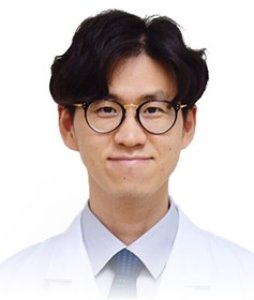
Yu Yeonghun
El Dr. Yu Yeonghun es cirujano del aparato digestivo y doctor en Medicina. Se especializa en enfermedades y cánceres hepatopancreatobiliares (HPB). Su enfoque abarca los cánceres de hígado, páncreas, vía biliar y vesícula biliar, así como la colelitiasis y otras enfermedades de la vesícula.
Realizó el internado y la residencia en cirugía general en el Centro Médico CHA Bundang. Luego completó una subespecialización en cirugía HPB en el Centro Médico Samsung. Se desempeñó como profesor

Lee Seok Gu
El profesor Lee Seok-gu es un destacado cirujano de trasplantes de hígado en el Hospital Myongji. Ha realizado aproximadamente 2.000 trasplantes de hígado. Logró el primer trasplante de hígado sin transfusión en Corea. Realizó un trasplante de hepatocitos en un lactante de un mes de edad. Dirigió el primer uso clínico de un hígado bioartificial para la insuficiencia hepática aguda. También realizó trasplantes de donante vivo en Egipto y capacitó a equipos en Vietnam.
Es profesor de cir
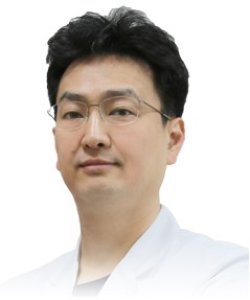
Kim Taekhyeon
El Dr. Kim Taekhyeon es cirujano gastrointestinal y jefe de Cirugía Gastrointestinal en el Hospital Naeun. Obtuvo los títulos de M.D. y M.S. en la Facultad de Medicina de la Universidad Chung‑Ang. Realizó el internado en el Hospital Sungae y la residencia de cirugía general en el Hospital Universitario Chung‑Ang. Posteriormente completó una subespecialización en cirugía gastrointestinal en el Seoul St. Mary’s Hospital. Anteriormente fue cirujano adjunto en el Gwangmyeong Sungae Hospital.
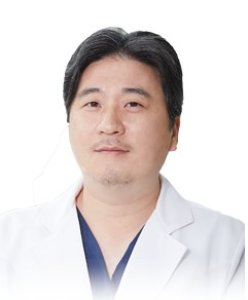
Park Sundo
El Dr. Park Sundo es especialista en cirugía general y del aparato digestivo en el Hospital Naeun. Su experiencia abarca cirugía colorrectal, proctológica, mamaria, tiroidea, laparoscópica, biliar, pancreática y pediátrica.
Sus tratamientos clave incluyen cirugía proctológica, como la hemorroidectomía y el tratamiento de las hemorroides y la fístula anal. Realiza cirugía laparoscópica para cálculos biliares (colelitiasis) y apendicitis. Su atención oncológica abarca el cáncer gástrico
Compartir contenido
Historias en video de pacientes de Bookimed
 Olena Sikoza
Preguntas frecuentes sobre el tratamiento de Hemangioma hepático en Corea del Sur
¿Cuándo se recomienda la cirugía para un hemangioma hepático en Corea?
Los cirujanos coreanos recomiendan la cirugía cuando un hemangioma hepático supera los 10 cm o causa dolor abdominal persistente. La intervención también es necesaria si las pruebas de imagen no pueden descartar malignidad. Los especialistas en centros acreditados por la JCI, como el Hospital Severance, utilizan la hepatectomía laparoscópica para tratar complicaciones como la compresión o la ruptura.
- Umbral de tamaño: La cirugía se prioriza para hemangiomas gigantes de más de 10 cm.
- Manejo de síntomas: Las náuseas persistentes o la presión en la parte superior derecha del abdomen pueden requerir alivio quirúrgico.
- Incertidumbre diagnóstica: Los médicos intervienen cuando las exploraciones no pueden distinguir con seguridad la masa del cáncer.
- Complicaciones clínicas: El sangrado, los trastornos de coagulación o la compresión de órganos son indicaciones directas para la cirugía.
Perspectiva del experto de Bookimed: Los mejores hospitales de Corea manejan volúmenes masivos de pacientes; solo el Hospital Severance atiende a 1,6 millones de pacientes ambulatorios al año. Este alto volumen permite a los cirujanos mantener una experiencia especializada en resecciones hepáticas complejas. Nuestros datos muestran que estos centros a menudo se centran en imágenes seriadas antes de recomendar la cirugía. Esto ayuda a prevenir operaciones innecesa
¿Qué tipo de cirugía se prefiere en los hospitales coreanos?
Los hospitales coreanos prefieren técnicas mínimamente invasivas y robóticas para tratar los hemangiomas hepáticos y otras afecciones abdominales. Los cirujanos priorizan la resección laparoscópica sobre la cirugía abierta para garantizar incisiones más pequeñas. Estos métodos reducen el dolor y favorecen una recuperación más rápida. Los hospitales utilizan imágenes de alta resolución para determinar si es necesaria la cirugía.
- Enfoque quirúrgico: La hepatectomía laparoscópica es la opción principal para los hemangiomas hepáticos accesibles.
- Enfoque tecnológico: Los centros de primer nivel integran cirugía robótica e imágenes impulsadas por IA para casos complejos.
- Estándares de seguridad: Las instalaciones a menudo cuentan con acreditaciones KOIHA y JCI por su excelencia quirúrgica.
- Centros de alto volumen: El Hospital Severance trata a 1,6 millones de pacientes ambulatorios al año con atención quirúrgica avanzada.
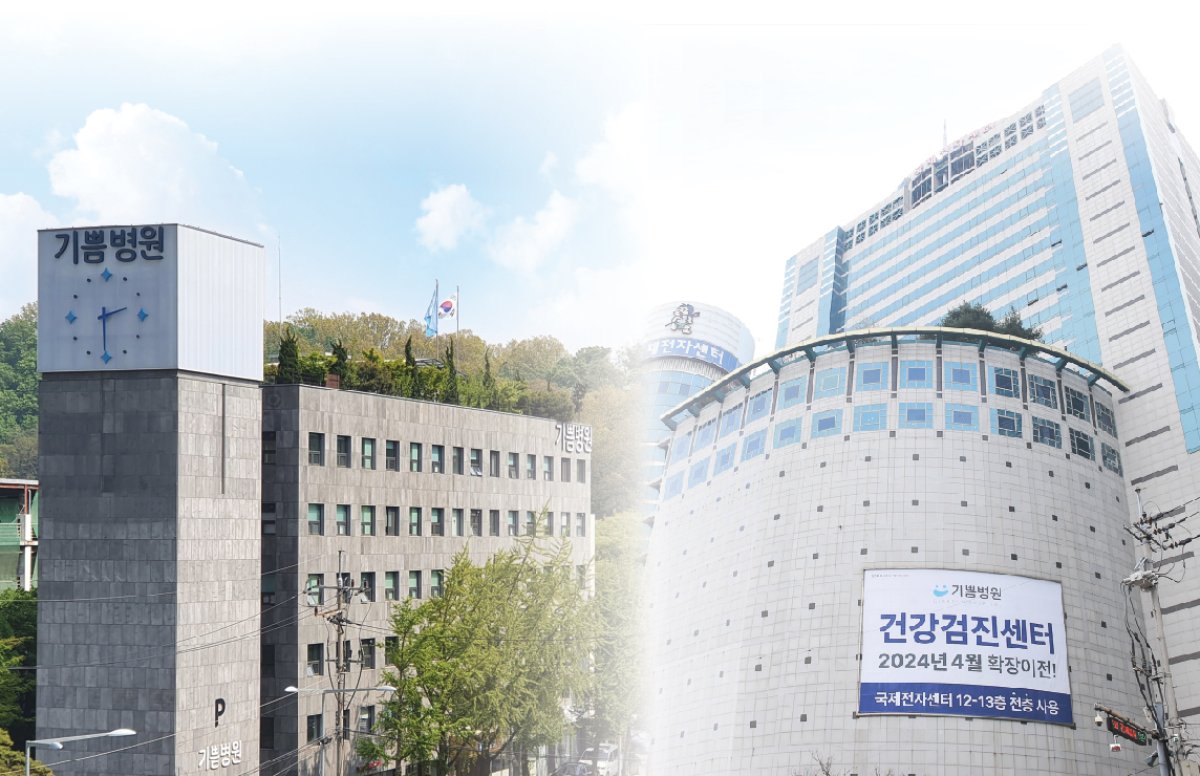
Perspectiva del experto de Bookimed: Corea destaca porque clínicas especializadas como el Hospital Gibbeum se centran intensamente en nichos quirúrgicos específicos. Mientras que los grandes centros como Severance manejan volúmenes masivos de pacientes, los hospitales especializados perfeccionan técnicas específicas. Gibbeum informa una tasa de recurrencia inferior al 0,3% para sus reparaciones de hernia especializadas. Este
Enucleación vs. resección hepática: ¿qué técnica se utiliza en Corea?
Los cirujanos coreanos priorizan la enucleación para los hemangiomas hepáticos sintomáticos con el fin de preservar el tejido sano. La resección se reserva para tumores grandes o situados en el centro, cerca de vasos importantes. Los principales centros acreditados por la JCI en Seúl utilizan técnicas laparoscópicas y robóticas. Estos métodos reducen la pérdida de sangre y aceleran los tiempos de recuperación.
- Objetivo de la enucleación: Extraer el tumor conservando al máximo el parénquima hepático funcional.
- Criterios de resección: Se aplica a lesiones profundas donde los márgenes dentro del tejido sano garantizan la seguridad.
- Enfoque quirúrgico: Los métodos mínimamente invasivos robóticos o laparoscópicos son el estándar en Corea.
- Estándares hospitalarios: Los mejores centros, como el Severance Hospital, cuentan con la acreditación de la Joint Commission International (JCI).
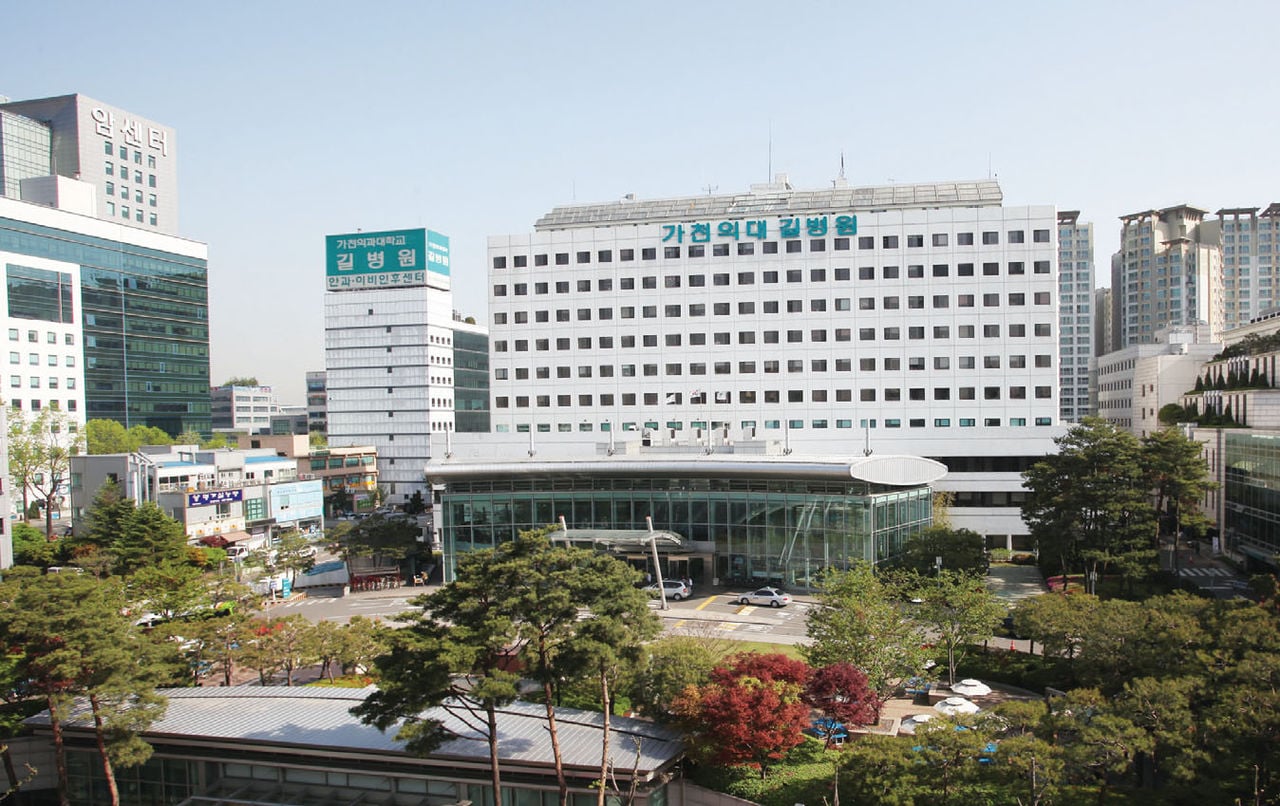
Perspectiva de expertos de Bookimed: Los datos muestran una clara distinción entre los centros académicos polivalentes y las clínicas especializadas. El Severance Hospital atiende a más de 1,6 millones de pacientes ambulatorios al año, lo que lo hace ideal para resecciones complejas. Por el contrario, hospitales como el Gachon University Gil Medical Center se centran en la eficiencia de alto volumen con 38.000 pacientes anuales. Elegir un centro con departamentos
¿Cuáles son los mejores hospitales en Corea para la cirugía de hemangioma hepático?
El Severance Hospital y el Samsung Medical Center son las mejores opciones para la cirugía de hemangioma hepático en Corea. Estos centros acreditados por la JCI están especializados en resecciones hepáticas avanzadas. Utilizan técnicas robóticas y laparoscópicas para garantizar una recuperación más rápida. Cirujanos hepatobiliares expertos gestionan casos complejos en estos centros académicos líderes.
- Acreditación hospitalaria: El Severance Hospital cuenta con certificaciones JCI y KOIHA de seguridad.
- Tecnología quirúrgica: Los centros utilizan sistemas robóticos e imágenes digitales para mayor precisión.
- Volumen clínico: El Severance Hospital trata a 4 millones de pacientes anualmente en sus centros especializados.
- Atención multidisciplinaria: El Gachon University Gil Medical Center ofrece atención integral para trastornos hepáticos.
Perspectiva del experto de Bookimed: El panorama médico de Corea prioriza los centros de alto volumen para la seguridad quirúrgica. El Severance Hospital atiende a más de 1,6 millones de pacientes ambulatorios al año. Esta escala masiva garantiza que los cirujanos mantengan una competencia máxima en técnicas de resección. Observamos que los pacientes a menudo pasan por alto centros como la Universidad de Gachon. Está a solo 1 hora del aeropuerto de Incheon. Esta comodidad es vital para la comodidad del via
¿Cuánto dura la recuperación después de una cirugía laparoscópica de hemangioma en Corea?
La cirugía laparoscópica de hemangioma en Corea generalmente requiere una estancia hospitalaria de 7 días. Los pacientes suelen reanudar una dieta blanda en un plazo de 2 días. La mayoría de las personas retoman actividades ligeras después de 2 semanas. La recuperación completa depende del tamaño del tumor y suele tomar de 4 a 6 semanas.
- Estancia hospitalaria: Los pacientes suelen permanecer en el hospital de 6 a 9 días después de la cirugía.
- Retirada del catéter: Los cirujanos suelen retirar los catéteres de drenaje unos 4 días después del procedimiento.
- Reincorporación al trabajo: Los empleados de oficina suelen volver al trabajo en un plazo de 1 a 3 semanas.
- Actividad física: El ejercicio extenuante o levantar objetos pesados está restringido durante 4 a 6 semanas.
Perspectiva de expertos de Bookimed: Los centros médicos coreanos como el Severance Hospital y el Gachon University Gil Medical Center se especializan en atención multidisciplinaria de alto volumen. Los datos muestran que estas instituciones gestionan millones de pacientes anualmente con protocolos de recuperación optimizados. Las tecnologías robóticas y de imagen digital avanzadas ayudan a los cirujanos a minimizar el trauma tisular durante las resecciones hepáticas. Esta eficiencia a menudo permite un alta más rápida que los métodos quirúrgicos tradicionales.
¿Puedo someterme a una cirugía de hemangioma hepático durante el embarazo?
La cirugía de hemangioma hepático durante el embarazo es posible, pero sigue siendo el último recurso. Se reserva para emergencias como roturas o lesiones que superan los 10 cm. Los procedimientos son más seguros durante el segundo trimestre bajo el cuidado de equipos multidisciplinarios acreditados por la JCI en la República de Corea.
- Momento de la cirugía: Las intervenciones en el segundo trimestre minimizan los riesgos para el desarrollo fetal y la seguridad materna.
- Motivos de intervención: Las operaciones solo se realizan ante un crecimiento rápido, dolor intenso o riesgo de hemorragia.
- Tratamientos alternativos: La embolización sirve como una opción no quirúrgica para controlar la hemorragia sintomática.
- Planificación del parto: Los hemangiomas grandes pueden requerir una cesárea programada para prevenir la rotura.
Opinión de expertos de Bookimed: Los datos muestran que la República de Corea mantiene un puesto entre los 10 mejores a nivel mundial para casos complejos. Los grandes centros terciarios como el Hospital Severance se especializan tanto en salud femenina como en oncología. Estas instalaciones atienden a 1,6 millones de pacientes ambulatorios al año manteniendo los estándares de la JCI. Elegir un centro con departamentos especializados en maternidad y hepatobiliar garantiza una vigilancia las 24 horas para embarazos de al