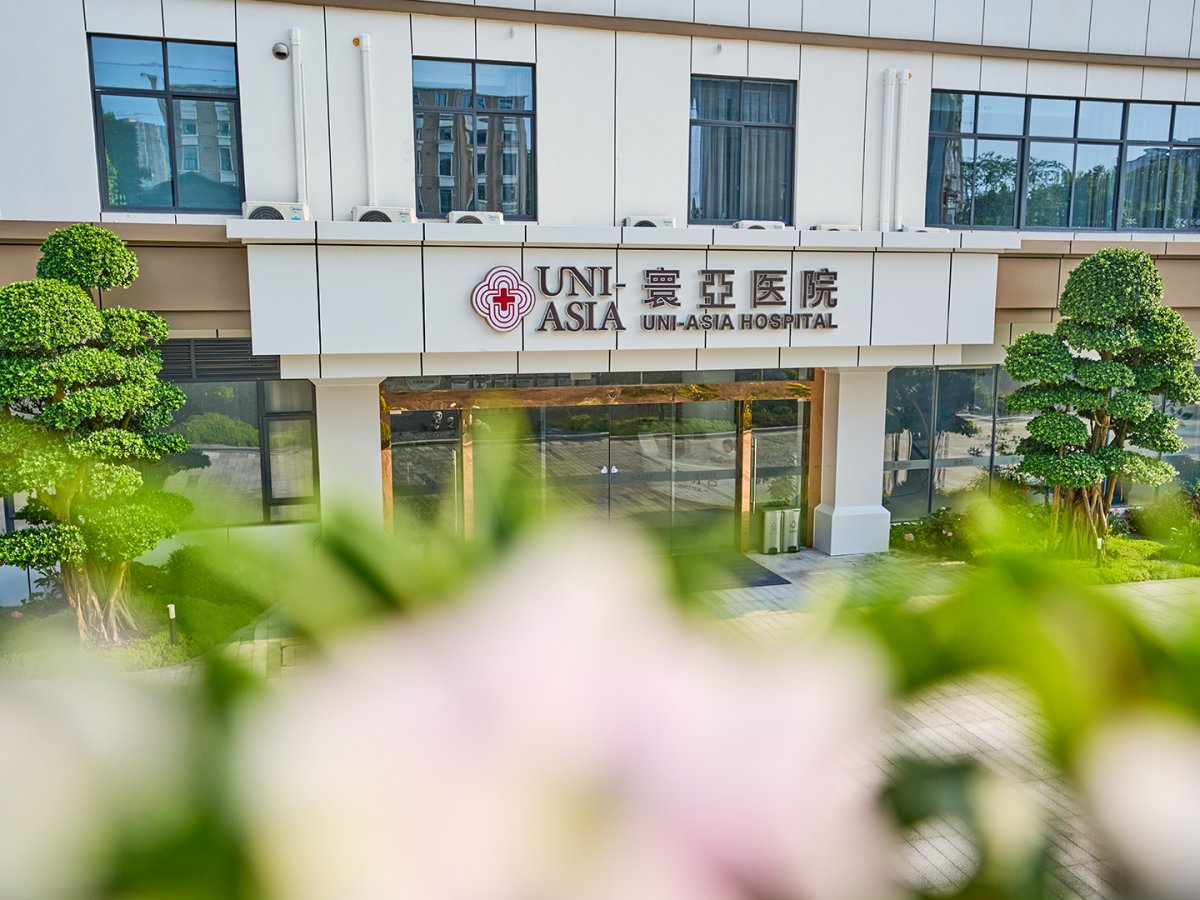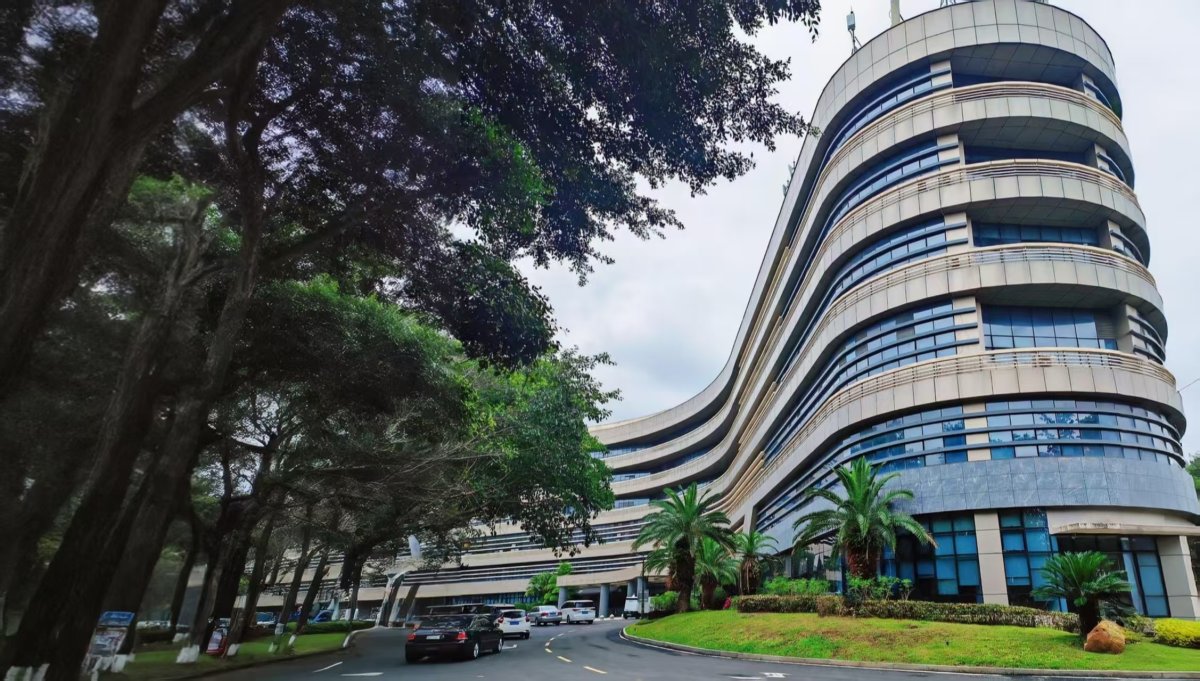
Boao International Medical Center
China, Qionghai


Revisado médicamente por
Fahad Mawlood
Médico jefe y profesor. Experto de nivel 1 en el Centro Oncológico del West China Hospital, Sichuan University (clasificado n.º 2 en China). Completó un posdoctorado en radiología intervencionista en el Chinese PLA General Hospital. Dirige equipos multidisciplinarios (MDT) para tumores complejos. Experto en oncología intervencionista mínimamente invasiva para cánceres de hígado, pulmón y páncreas.
Acreditaciones: Miembro del consejo, WATA. Miembro de los comités de CACA y CMDA sobre in
El profesor Luo Xiaoping es un radiólogo intervencionista reconocido a nivel nacional y una autoridad destacada en el oeste de China. Comenzó a realizar intervenciones vasculares pioneras a principios de la década de 1990. Ayudó a fundar el Grupo de Intervencionismo del Segundo Hospital Afiliado de la Universidad Médica de Chongqing.
Ha realizado más de 100 000 procedimientos intervencionistas, incluidos unos 4 000 casos complejos. Sus competencias clave incluyen TACE para el carcinoma
El Dr. He Weibing es pionero de la crioablación con argón‑helio en China, con más de 20 años de práctica en primera línea. Fue miembro fundador del Hospital Oncológico Fuda (Guangzhou). Cofundó su Centro de Tratamiento Tumoral Mínimamente Invasivo y fue subdirector ejecutivo. También ayudó a crear el Grupo de Ablación de la Asociación China contra el Cáncer. Ha sido operador principal en más de 10.000 procedimientos.
Se especializa en crioablación tumoral y domina la braquiterapia con
El profesor Xiao Yueyong es médico jefe del Departamento de Radiodiagnóstico del Hospital General del EPL de China. Es un experto líder en oncología intervencionista mínimamente invasiva. Es el primer presidente de WATA (2025–). Preside la Sociedad Internacional (2020–) y la Sociedad Asiática (2012–) de Crioterapia. También es subjefe del Grupo de Expertos de la NHC sobre regulaciones de ablación tumoral (2009–).
Ha realizado más de 100 000 procedimientos mínimamente invasivos guiados
 Olena Sikoza
El linfangioma no es cáncer. Es una malformación benigna del sistema linfático. En China, los médicos confirman el diagnóstico mediante imágenes de alta resolución e histopatología. Los especialistas utilizan marcadores específicos como D2-40 para descartar neoplasias raras. Este proceso garantiza una planificación precisa del tratamiento para los quistes llenos de líquido.
Perspectiva del experto de Bookimed: Aunque el linfangioma es benigno, su ubicación cerca de estructuras vitales a menudo requiere una intervención especializada. Centros como el Fuda Cancer Hospital en Guangzhou utilizan terapia intervencionista vascular y criocirugía mínimamente invasiva. Esto es particularmente valioso cuando la malformación se encuentra cerca de vasos sanguíneos importantes. Elegir un centro acreditado por la JCI garantiza que el laboratorio de patología cumpla con
China ofrece un enfoque multidisciplinario para el tratamiento del linfangioma. Los especialistas utilizan la escleroterapia como terapia de primera línea para lesiones quísticas. Centros avanzados como el Fuda Cancer Hospital emplean tecnologías mínimamente invasivas como NanoKnife y criocirugía. La escisión quirúrgica sigue siendo el estándar definitivo para los casos microquísticos.
Perspectiva del experto de Bookimed: El volumen de pacientes en centros especializados como el Fuda Cancer Hospital supera los 30,000 casos internacionales. Este alto volumen permite a los cirujanos dominar la criocirugía para lesiones que otros podrían considerar inoperables. Busque clínicas con acreditación JCI para garantizar que los protocolos de seguridad cumplan con los estándares globales.
Consenso de los pacient
La cirugía ofrece tasas de recurrencia más bajas para los linfangiomas localizados, pero conlleva mayores riesgos de lesión nerviosa y cicatrización. Los centros chinos reportan tasas de recurrencia quirúrgica inferiores al 10 % para lesiones bien definidas. Por el contrario, la recurrencia de la escleroterapia puede superar el 50 % en vasos más grandes, aunque implica significativamente menos dolor durante el procedimiento.
Perspectiva del experto de Bookimed: Aunque la cirugía parece definitiva, el Fuda Cancer Hospital en Guangzhou se especializa en terapias intervencionistas vasculares para casos complejos. Nuestros datos muestran que los centros acreditados por la JCI a menudo utilizan técnicas intervencionistas cuando las lesiones están cerca de nervios vitales. Este enfoque prioriza la seguridad funcional sobre la eliminación agresiva observada en la cirugía abierta tradicional.
Los hospitales líderes en China para el tratamiento de linfangiomas incluyen el Shanghai Ninth People's Hospital y el Beijing Children's Hospital. Estos centros se especializan en malformaciones vasculares. Utilizan escleroterapia y microresección. Las instalaciones en Pekín, Shanghái y Guangzhou ofrecen equipos multidisciplinarios. Estos equipos incluyen cirujanos pediátricos y radiólogos intervencionistas.
Perspectiva del experto de Bookimed: Si bien los hospitales universitarios en Shanghái y Pekín son famosos por su volumen, el Fuda Cancer Hospital en Guangzhou ofrece una ventaja distinta para los pacientes internacionales a través de su acreditación JCI y su experiencia en el tratamiento de personas de más de 100 países. Este enfoque global a menudo se traduce en una logística más fluida y un apoyo más sólido para los no residentes en comparació
La recurrencia no es inevitable tras el tratamiento del linfangioma. El éxito depende en gran medida de la arquitectura de la lesión y del método de tratamiento elegido. La escisión quirúrgica completa ofrece la tasa de recurrencia más baja, del 11% al 17%. Por el contrario, la aspiración simple casi siempre conduce a un nuevo crecimiento porque el revestimiento vascular malformado subyacente permanece intacto.
Perspectiva del experto de Bookimed: Aunque muchos asocian el cuidado del linfangioma con centros pediátricos, hospitales oncológicos acreditados por la JCI como el Fuda Cancer Hospital en Guangzhou aplican terapias intervencionistas avanzadas. Su experiencia en terapia intervencionista vascular y criocirugía a menudo se reserva para casos complejos en adultos. Esto es significativo porque los enfoques intervencionistas especializados pueden estabilizar lesiones que antes se consideraban demasi
Los hospitales chinos brindan una amplia experiencia pediátrica para niños internacionales a través de redes privadas especializadas y departamentos internacionales públicos de élite. Las instalaciones en ciudades importantes como Pekín y Guangzhou ofrecen médicos formados en Occidente y atención acreditada por la JCI. Equipos especializados en oncología pediátrica y anomalías vasculares tratan afecciones complejas como el linfangioma utilizando técnicas avanzadas.
Perspectiva del experto de Bookimed: Aunque muchos buscan oncología en general, nuestros datos muestran que centros especializados como el Fuda Cancer Hospital en Guangzhou atienden a pacientes de más de 100 países. Este alto volumen internacional es una señal clave de calidad para afecciones pediátricas raras. Cirujanos expertos como el Prof. Liu Shi Xin en el Xiamen H