Tratamiento de Linfangioma en Israel — obtenga 3 coincidencias personalizadas de clínicas


Revisado médicamente por
Fahad Mawlood
Cómo funciona
¿Cuál es el precio del diagnóstico y los tratamientos de Linfangioma en Israel? Descubra ahora
Descubra las mejores clínicas de tratamiento de Linfangioma en Israel: 8 opciones verificadas y Precios









Soroka Medical Center
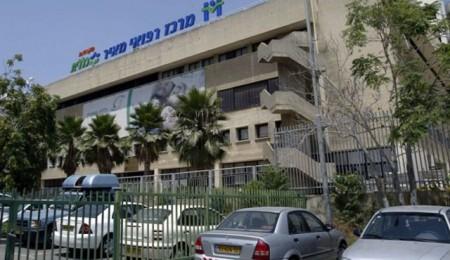
Meir Medical Center

Kaplan Medical Center

Elisha Hospital
Obtenga una evaluación médica para Linfangioma en Israel: consulte con doctores experimentados ahora
Ver todos los médicos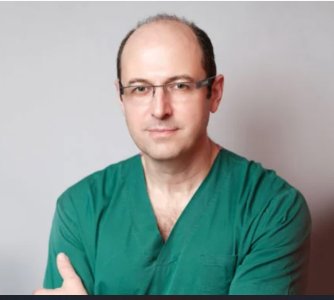
Yuri Goldes
El Dr. Yuri Goldes es cirujano general con más de 20 años de experiencia clínica. Se especializa en cirugía gastrointestinal alta y oncológica. Es subdirector del Departamento de Cirugía General y Trasplante del Centro Médico Sheba en Tel Aviv y dirige la Unidad de Cirugía Gastrointestinal Alta. En 2025 fue incluido en la lista de los Mejores Médicos de Forbes Israel. Está entre los mejores cirujanos gastrointestinales de Israel según Forbes. En 2019 recibió el premio “Médico del Año” del Min
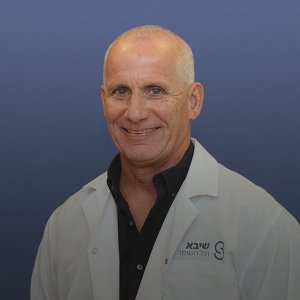
Raanan Berger
El profesor Raanan Berger, MD, PhD, es oncólogo médico y radioterapeuta. Es director del Centro Oncológico del Sheba Medical Center y dirige su unidad de investigación clínica. Fue incluido en la lista “Best Doctors” de Forbes Israel (2025). Lidera el programa de oncología genitourinaria, con enfoque en el cáncer de próstata. Su práctica incluye terapia sistémica y radioterapia en un modelo multidisciplinario centrado en el paciente.
Es especialista en oncología. Obtuvo los títulos de
Compartir contenido
Historias en video de pacientes de Bookimed
 Olena Sikoza
Preguntas frecuentes sobre el tratamiento de Linfangioma en Israel
¿Cuáles son las principales opciones de tratamiento disponibles en Israel?
Las opciones de tratamiento en Israel utilizan un enfoque multidisciplinario que combina la escisión quirúrgica, la escleroterapia y el manejo médico. Los centros líderes brindan atención pediátrica especializada. Ofrecen terapia láser mínimamente invasiva y protocolos farmacológicos avanzados para casos complejos o inoperables. Instalaciones como Hadassah y Sourasky mantienen altas tasas de éxito.
- Inyecciones de escleroterapia: Las clínicas especializadas utilizan bleomicina o doxiciclina para reducir eficazmente las lesiones quísticas.
- Escisión quirúrgica: Los cirujanos realizan extirpaciones completas cuando las lesiones son accesibles para minimizar la recurrencia.
- Manejo médico: Los especialistas prescriben Sirolimus (rapamicina) para estabilizar los linfangiomas difusos o inoperables.
- Terapia de ablación: Los tratamientos con radiofrecuencia o láser proporcionan control de los síntomas para las lesiones cutáneas superficiales.
Perspectiva de expertos de Bookimed: Los centros médicos israelíes demuestran una ventaja de escala significativa para los casos pediátricos. Hadassah y Sourasky tratan juntos a más de 22.000 niños al año. Este alto volumen permite a los cirujanos mantener habilidades especializadas en malformaciones vasculares raras. Nuestros datos muestran que las tasas de éxito en oncología alcanzan el 90% en Sourasky. Es
¿Qué hospitales en Israel se especializan en linfangioma?
Israel trata el linfangioma en centros de atención terciaria como el Sourasky Medical Center y el Hadassah Medical Center. Los departamentos especializados utilizan equipos multidisciplinarios para las malformaciones vasculares. Estas instalaciones cuentan con la acreditación de la Joint Commission International (JCI). Ofrecen escleroterapia avanzada, terapia láser y cirugías mínimamente invasivas para casos pediátricos y adultos.
- Sourasky Medical Center: Centro acreditado por la JCI en Tel Aviv que trata a más de 400.000 pacientes al año utilizando equipos multidisciplinarios.
- Hadassah Medical Center: Hospital universitario de Jerusalén especializado en enfermedades congénitas raras y cirugía plástica pediátrica.
- Rambam Medical Center: Centro líder en Haifa que cuenta con acreditación JCI y unidades especializadas en malformaciones pediátricas.
- Assuta Medical Center: El hospital privado más grande que ofrece atención quirúrgica personalizada y elección de médicos tratantes.
Perspectiva del experto de Bookimed: Los casos de linfangioma en Israel a menudo se benefician de una infraestructura pediátrica especializada. Los datos muestran que Hadassah y Sourasky gestionan grandes volúmenes, con Sourasky tratando a más de 11.000 niños al año. Estos centros utilizan frecuentemente métodos no quirúrgicos como la escleroterapia. Este enfoque pu
¿Quiénes son los mejores especialistas para esta afección?
Los mejores especialistas en linfangioma en Israel operan dentro de los principales centros multidisciplinarios como el Sourasky Medical Center y el Hadassah Medical Center. Estos expertos incluyen cirujanos pediátricos y radiólogos intervencionistas. Muchos son reconocidos por Newsweek y Forbes por su excelencia en afecciones pediátricas y oncológicas raras.
- Credenciales de los expertos: Especialistas como el Prof. Dr. Yuri Goldes cuentan con honores de Forbes Israel.
- Volumen de pacientes: El Hadassah Medical Center trata aproximadamente a 1.000.000 de pacientes cada año.
- Instalaciones especializadas: El Sourasky Medical Center (Ichilov) mantiene una tasa de éxito oncológico del 90%.
- Reconocimiento global: El personal del Rambam Medical Center incluye ganadores del Premio Nobel y profesores.
Perspectiva del experto de Bookimed: Los centros médicos israelíes a menudo funcionan como hospitales universitarios donde los especialistas comparten investigaciones. Por ejemplo, Hadassah es una instalación universitaria multiespecialidad. Esta estructura académica garantiza que incluso los casos raros como el linfangioma se beneficien de una revisión en equipo en lugar de la opinión de un solo médico. Al elegir, busque clínicas con más de 75 departamentos especializados para garantizar un apoyo total.
Consenso de los pacientes:
¿Cuál es la tasa de éxito del tratamiento en Israel?
Israel reporta altas tasas de éxito para malformaciones vasculares pediátricas como el linfangioma en centros especializados. Los procedimientos quirúrgicos generales mantienen una tasa de éxito del 95% en instalaciones acreditadas. El diagnóstico preciso y los equipos multidisciplinarios en hospitales académicos aseguran resultados óptimos para lesiones quísticas complejas.
- Éxito quirúrgico: Los centros reportan un 70-90% de éxito en la extirpación completa de tipos macroquísticos accesibles.
- Mínimamente invasivo: La escleroterapia logra una reducción del volumen del 80% después de 3 sesiones para lesiones profundas.
- Tasas de supervivencia: Los departamentos de hematología-oncología pediátrica en Israel reportan tasas de supervivencia al linfoma del 100% al año.
- Experiencia clínica: Instalaciones como Hadassah y Sourasky manejan más de 1,000,000 de visitas de pacientes anualmente.
Perspectiva del experto de Bookimed: Los hospitales israelíes a menudo combinan la elección privada del paciente con la experiencia en investigación de nivel universitario. Assuta permite a los pacientes seleccionar a su cirujano específico. Mientras tanto, Hadassah utiliza investigaciones reconocidas con el Premio Nobel para manejar afecciones pediátricas raras. Este enfoque dual garantiza habilidades quirúrgicas de alto nivel y una precisión diagnóstica ava
¿El tratamiento es diferente para los niños?
El tratamiento del linfangioma pediátrico en Israel prioriza las técnicas mínimamente invasivas sobre la cirugía agresiva. Los centros especializados se centran en preservar los tejidos en desarrollo y gestionar los patrones de crecimiento. Los médicos suelen utilizar la escleroterapia o ensayos con medicamentos como el sirolimus como intervenciones de primera línea para los niños. Estos enfoques minimizan las cicatrices y reducen los riesgos quirúrgicos.
- Terapia de primera línea: La escleroterapia con inyecciones de OK-432 suele preferirse a la escisión quirúrgica inmediata.
- Manejo médico: Se pueden utilizar ensayos con sirolimus o propranolol para casos pediátricos complejos.
- Protocolos de seguimiento: Los especialistas pueden recomendar la observación para lesiones que podrían resolverse espontáneamente antes de la pubertad.
- Centros especializados: Centros como el Hadassah Medical Center tratan a más de 13.000 niños al año en sus departamentos.
Perspectiva del experto de Bookimed: Mientras que el tratamiento del linfangioma en adultos a menudo se inclina hacia la extirpación quirúrgica, los especialistas pediátricos israelíes implementan con frecuencia tratamientos por etapas. Los datos de centros de alto volumen como el Sourasky Medical Center muestran que gestionan más de 11.000 casos pediátricos al año. Este volumen permite a los
¿Qué debo preguntar durante mi primera consulta?
Durante su primera consulta por linfangioma en Israel, pregunte sobre el volumen de casos personales del cirujano y sus tasas de éxito. Averigüe si recomienda la resección quirúrgica, la escleroterapia o el tratamiento médico como el Sirolimus. Asegúrese de discutir los riesgos de recurrencia y el cronograma preciso de seguimiento postoperatorio para pacientes internacionales.
- Experiencia del proveedor: Pregunte cuántos casos de linfangioma trata el especialista anualmente para garantizar una experiencia de alto volumen.
- Justificación del tratamiento: Pregunte por qué se eligió el procedimiento específico frente a alternativas como la inmunoterapia basada en fármacos.
- Tasas de recurrencia: Solicite datos específicos sobre los riesgos de recurrencia para su tipo y ubicación de linfangioma en particular.
- Cronograma de recuperación: Confirme la estancia necesaria en Israel para el seguimiento a fin de evitar extensiones de viaje no planificadas.
Perspectiva del experto de Bookimed: Los centros médicos israelíes como Hadassah y Sourasky manejan volúmenes masivos de pacientes, con algunas instalaciones que atienden a más de 1.000.000 de personas al año. Este alto rendimiento a menudo significa que los cirujanos se especializan en afecciones raras como el linfangioma con más frecuencia que en hospitales regionales más pequeños. Al consultar c
¿Por qué Israel es uno de los principales destinos para la neurocirugía?
Israel es un centro líder en neurocirugía gracias a su combinación de avances médicos de alta tecnología y una experiencia quirúrgica de primer nivel. Instalaciones avanzadas como el Centro Médico Sheba utilizan sistemas de navegación basados en IA y resonancia magnética intraoperatoria en tiempo real. Centros especializados reportan una tasa de éxito del 98% en procedimientos complejos, como la craneotomía con el paciente despierto y el tratamiento de trastornos del movimiento.
- Tecnología avanzada: Las clínicas utilizan ultrasonido enfocado guiado por resonancia magnética (MRgFUS) y sistemas robóticos para realizar incisiones.
- Experiencia quirúrgica: Cirujanos como el Dr. Zvi Ram lideran asociaciones internacionales con más de 25 años de experiencia.
- Acceso rápido: Los pacientes internacionales generalmente pueden programar cirugías complejas de cerebro o columna en un plazo de 2 a 4 semanas.
- Atención médica acreditada: Grandes centros como Sourasky (Ichilov) y Assuta están acreditados por la JCI, lo que confirma su seguridad.
Opinión experta de Bookimed: Los datos muestran una clara diferencia entre las opciones de tratamiento públicas y privadas en Israel. Centros privados, como el Centro Médico Assuta, realizan más de 92.000 cirugías al año y permiten a los pacientes elegir a un cirujano líder específico. Esto supone una ventaja signi
¿Qué tipos de enfermedades neuroquirúrgicas se tratan en Israel?
Los neurocirujanos israelíes tratan una amplia gama de afecciones, desde tumores cerebrales y de médula espinal hasta trastornos funcionales complejos. Los centros especializados utilizan tecnologías de vanguardia, como el bisturí de rayos gamma, la estimulación cerebral profunda y la resonancia magnética intraoperatoria, para un diagnóstico altamente preciso de la epilepsia, la enfermedad de Parkinson y las patologías cerebrovasculares.
- Enfermedades oncológicas: tratamiento de gliomas, meningiomas y tumores hipofisarios mediante resección de la base del cráneo.
- Trastornos funcionales: tratamiento de la enfermedad de Parkinson y del temblor esencial mediante estimulación cerebral profunda.
- Patologías de columna: corrección de escoliosis, hernias discales y tumores espinales mediante sistemas robóticos.
- Tratamiento de las enfermedades cerebrovasculares: tratamiento quirúrgico de aneurismas cerebrales y malformaciones arteriovenosas mediante intervenciones endovasculares.
- Neurocirugía pediátrica: atención especializada en hidrocefalia y anomalías congénitas en centros pediátricos especializados.
Opinión experta de Bookimed: Los hospitales israelíes suelen combinar diversas especialidades para abordar casos complejos. En el Centro Médico Sourasky, neurocirujanos como el Dr. Zvi Lidar combinan neurocirugía y ortopedi
¿Qué hospitales en Israel son más conocidos por sus departamentos de neurocirugía?
Israel alberga centros neuroquirúrgicos de renombre mundial, como el Centro Médico Sourasky, el Centro Médico Sheba y el Centro Médico Hadassah. Estas instituciones son líderes mundiales en el tratamiento de tumores cerebrales complejos, enfermedades de la columna vertebral y trastornos del movimiento. Utilizan tecnologías de vanguardia como el bisturí de rayos gamma, sistemas robóticos y resonancia magnética intraoperatoria.
- Suraski (Ichilov): realiza más de 2.500 operaciones neuroquirúrgicas al año en Tel Aviv con una tasa de éxito del 98%.
- Centro Médico Sheba: clasificado entre los diez mejores hospitales del mundo, trata a 1,9 millones de pacientes al año.
- Centro Médico Hadassah: Nominado al Premio Nobel de la Paz. Líder en neurocirugía pediátrica y terapia génica.
- Centro Médico Assuta: el centro médico privado más grande de Israel. Especializado en cirugías mínimamente invasivas de columna y cerebro.
- Hospital Infantil Schneider: un centro líder en neurocirugía pediátrica que trata a 275.000 niños al año.
Opinión experta de Bookimed: Nuestros datos muestran que, si bien la mayoría de los pacientes buscan tratamiento en Tel Aviv, el Centro Médico Rambam en Haifa ofrece una atención única para neurotraumatismos. Cuenta con una unidad especializada en cuidados neurocríticos que atiende a aproximadamente un milló
¿Quiénes son los principales neurocirujanos en Israel?
Entre los neurocirujanos israelíes más destacados se encuentran los profesores Zvi Ram, Shlomi Constantini e Itzhak Fried, del Centro Médico Sourasky. Estos especialistas ocupan puestos de liderazgo en la Asociación Europea de Sociedades de Neurocirugía (EANS) y la Sociedad Mundial de Neurocirugía Estereotáctica y Funcional (WSSFN). Utilizan técnicas avanzadas de mapeo intraoperatorio y sistemas robóticos.
- Profesor Zvi Ram: experto en cirugía mínimamente invasiva de tumores cerebrales y terapia genética para el cáncer.
- Profesor Shlomi Constantini: Se especializa en procedimientos neuroendoscópicos pediátricos complejos y microcirugía para tumores cerebrales.
- Profesor Itzhak Fried: una autoridad en cirugía de epilepsia, mapeo cerebral funcional y estimulación cerebral profunda.
- Dr. Eli Ashkenazi: Cirujano ortopédico líder en el Hospital Assuta, especializado en el innovador sistema TOPS.
Opinión de los expertos de Bookimed: Los datos de Sourasky y Sheba indican una fuerte correlación entre un alto volumen quirúrgico y la seguridad del paciente. Por ejemplo, Sourasky realiza más de 34.000 cirugías oncológicas al año con una tasa de éxito del 90 %. Los pacientes que requieren la extirpación de un tumor complejo deberían priorizar centros como estos, donde los cirujanos realizan cientos de procedimientos especializados al año.