Linfangioma en Turquía: las 27 mejores clínicas para su tratamiento


Revisado médicamente por
Fahad Mawlood
Cómo funciona
¿Cuál es el precio del diagnóstico y los tratamientos de Linfangioma en Turquía? Descubra ahora
El costo del tratamiento de linfangioma en Turquía implica varios procedimientos y evaluaciones. Una consulta con un oncólogo o un radiólogo tiene un precio de 104 €. Una biopsia bajo anestesia general cuesta 2.270 €, y la cirugía posterior para la extirpación del tumor, incluida la hospitalización, es de 19.880 €. El plan de tratamiento se finaliza después de evaluaciones exhaustivas por parte de especialistas.
Descubra las mejores clínicas de tratamiento de Linfangioma en Turquía: 27 opciones verificadas y Precios









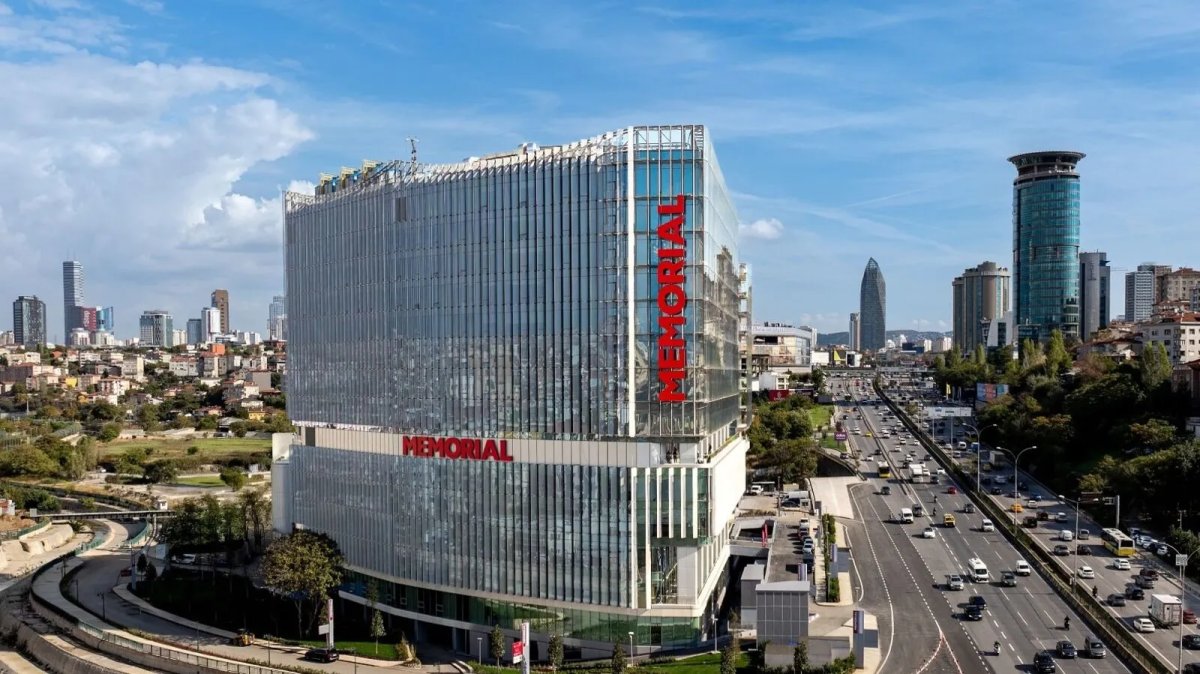
Memorial Göztepe Hospital


Memorial Ankara Hospital

Obtenga una evaluación médica de tratamiento de Linfangioma en Turquía: haga una consulta con 26 médicos experimentados ahora
Ver todos los médicos
Bulent Karagoz
El médico es un oncólogo médico turco altamente experimentado, especializado en sarcoma, linfoma, cáncer de páncreas, pulmón y mama. Con más de 20 años de experiencia, el médico se centra en la biología tumoral, la inmunología tumoral, la inmunoterapia del cáncer y las terapias dirigidas. Desde 2019, el médico ha estado sirviendo como oncólogo médico en el Centro Médico Anadolu y anteriormente ocupó roles de liderazgo en la Facultad de Medicina de la Universidad Okan de Estambul y en el Hospi
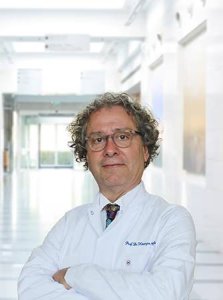
Huseyin Baloglu
El Prof. Hüseyin Baloğlu es especialista en patología en el Centro Médico Anadolu, en Gebze, Kocaeli, Turquía. Se centra en la patología molecular y quirúrgica, y en la biopsia y el diagnóstico de tumores.
Formación y acreditaciones: Médico (MD), Escuela de Medicina de GATA (1986). Especialidad en Patología, GATA (1992). Profesor asociado (Doçent), GATA (2004). Investigador visitante en el Albert Einstein College of Medicine (Nueva York) y la Universidad de Heidelberg.
Logros: a

Prof. Sezer Sağlam
El Prof. Sezer Sağlam se especializa en el tratamiento de linfangiomas, aportando 27 años de experiencia en oncología al Hospital Gayrettepe Florence Nightingale.
- Profesor desde 2016 con enfoque en oncología médica
- Formado en el reconocido instituto de oncología de la Universidad de Estambul
- Miembro de ESMO, ASCO y la Sociedad Europea de Tumores Neuroendocrinos
- Ex médico tratante en oncología gastrointestinal
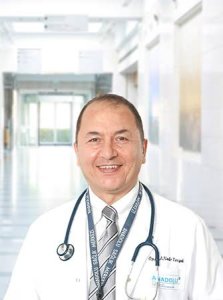
Ahmet Nadir Tosyali
El doctor se graduó de la Facultad de Medicina de la Universidad de Dicle en 1984 y completó la formación de especialización en Cirugía Pediátrica en la misma institución en 1994. Con un enfoque en cirugía neonatal, urología pediátrica, cirugía oncológica y más, el doctor posee un Certificado de Calificación en Cirugía Pediátrica de Turquía desde 2002.<\/p>
Habiendo participado en numerosos cursos especializados, incluidos los de Malformaciones Anorrectales y Reparaciones y Cursos
Reseñas
Todas las reseñasCompartir contenido
Historias en video de pacientes de Bookimed
 Olena Sikoza
Preguntas frecuentes sobre el tratamiento de Linfangioma en Turquía
¿Qué es exactamente un linfangioma y es un tipo de cáncer?
Un linfangioma es una masa no cancerosa (benigna) de quistes llenos de líquido. Resulta de un desarrollo anormal de los vasos linfáticos. Aunque el nombre termina en -oma, no es cáncer y no se propaga. Estos crecimientos congénitos suelen aparecer en la zona de la cabeza o el cuello.
- Estado canceroso: Los linfangiomas se clasifican médicamente como malformaciones benignas, no como tumores malignos.
- Causa principal: La mayoría de los casos son congénitos, apareciendo al nacer o antes de los 2 años.
- Tipos de tamaño: Los quistes se categorizan como microquísticos o macroquísticos según sus dimensiones.
- Desencadenantes de síntomas: Las complicaciones surgen si las masas presionan las vías respiratorias o los músculos de la deglución.
Opinión experta de Bookimed: Los indicadores de calidad para el tratamiento del linfangioma a menudo se alinean con la infraestructura oncológica. El Anadolu Medical Center y el Memorial Sisli cuentan con la acreditación JCI. Estas instalaciones integran especialistas pediátricos e imágenes avanzadas, vitales para mapear redes linfáticas complejas. Las clínicas con gran volumen de pacientes, como el Hospital Hisar que atiende a 250,000 personas anualmente, suelen ofrecer procesos de diagnóstico más refinados.
Consenso de pacientes: Los pacientes señalan que es importante aclarar si la ex
¿Puede reaparecer un linfangioma después de haber sido tratado?
Los linfangiomas pueden reaparecer después del tratamiento; los estudios informan recurrencia en más del 30% de los casos. Estas malformaciones a menudo se entrelazan con tejidos profundos, lo que dificulta la eliminación completa. Si quedan células microscópicas después de la cirugía o la escleroterapia, la lesión puede volver a crecer. Los quistes cerca de la superficie de la piel suelen tener tasas de recurrencia más bajas.
- Riesgo de recurrencia: La investigación indica una tasa de recurrencia superior al 30% después del tratamiento inicial.
- Complejidad quirúrgica: La infiltración tisular profunda cerca de nervios o músculos complica la eliminación del 100% de las células.
- Limitaciones de la escleroterapia: Las lesiones pueden expandirse nuevamente con el tiempo, lo que a menudo requiere múltiples sesiones.
- Necesidades de monitoreo: Los médicos gestionan con frecuencia los linfangiomas como afecciones crónicas que requieren exámenes de seguimiento a largo plazo.
Perspectiva del experto de Bookimed: Los datos de centros de alto volumen como el Hospital Universitario Medipol Mega, que atiende a más de 1,200 pacientes diariamente, destacan la importancia de la atención multidisciplinaria. El manejo eficaz de la recurrencia requiere imágenes avanzadas como la TC de 512 cortes o la resonancia magnética asistida por IA que se encuentra en
¿Es la cirugía la única forma de tratar un linfangioma?
La cirugía no es el único tratamiento para el linfangioma. Si bien los médicos utilizan la escisión para eliminar lesiones, los métodos alternativos como la escleroterapia y la terapia láser son comunes. Los pacientes en Turquía acceden a atención multidisciplinaria en centros acreditados por JCI. Los equipos de especialistas eligen los tratamientos según el tamaño y la ubicación de la lesión.
- Escleroterapia: Los especialistas inyectan soluciones como doxiciclina para reducir eficazmente las grandes lesiones quísticas.
- Terapia láser: Los láseres de dióxido de carbono tratan malformaciones superficiales o lesiones en las membranas mucosas.
- Medicamentos dirigidos: Fármacos como el sirolimus ayudan a controlar el crecimiento en casos complejos o infiltrantes.
- Espera vigilante: Los médicos pueden recomendar la observación si el linfangioma es pequeño y asintomático.
Perspectiva de expertos de Bookimed: Si bien muchos cirujanos generales tratan quistes básicos, los centros turcos de alto volumen como el Hospital Universitario Medipol Mega utilizan juntas de tumores multidisciplinarias. Estas juntas incluyen cirujanos plásticos y radiólogos intervencionistas para gestionar las lesiones en áreas de alto riesgo. Este enfoque colaborativo es vital porque los linfangiomas complejos a menudo se infiltran en los tejidos circundantes en el cuello o
¿Qué es un higroma quístico y se trata de forma diferente?
Un higroma quístico es un saco benigno lleno de líquido causado por un sistema linfático bloqueado durante el desarrollo fetal. Estos crecimientos congénitos generalmente aparecen en el cuello o la cabeza. El tratamiento varía según el tamaño, la ubicación y la gravedad de los síntomas, como las dificultades respiratorias.
- Elección del tratamiento: Los médicos recomiendan observación, escleroterapia o cirugía según el tipo de lesión.
- Escleroterapia: Los especialistas inyectan medicamentos para reducir el tamaño de los sacos llenos de líquido sin necesidad de cirugía invasiva.
- Escisión quirúrgica: Los cirujanos priorizan la extirpación completa para lesiones grandes, sintomáticas o bien definidas.
- Calidad clínica: Los principales centros turcos, como el Anadolu Medical Center, mantienen la acreditación de la Joint Commission International.
Perspectiva de expertos de Bookimed: Los hospitales turcos como Memorial Şişli y Anadolu aprovechan equipos multidisciplinarios para estos casos. Dado que los higromas quísticos a menudo involucran nervios, los centros de primer nivel utilizan resonancia magnética de 3 Tesla y PET/CT digital para un mapeo preciso. Esta tecnología ayuda a los cirujanos a evitar estructuras vitales durante procedimientos complejos en el cuello.
Consenso de pacientes: Los pacientes señalan que esta
¿Qué debo hacer si mi hijo se lesiona su linfangioma?
Monitoree a su hijo de cerca para detectar hinchazón rápida, rotura de la piel o fiebre después de una lesión en el linfangioma. Aplique una compresa fría con suavidad y mantenga la zona en reposo. Busque atención médica urgente si la lesión ocurre cerca del cuello o la cara para prevenir problemas en las vías respiratorias. Los cirujanos pueden usar ecografías para verificar si hay sangrado interno.
- Signos de infección: Esté atento a un aumento de enrojecimiento, calor, dolor o fiebre superior a 38 °C.
- Seguridad de las vías respiratorias: Busque ayuda inmediata si la hinchazón facial o del cuello afecta la respiración o la deglución.
- Atención del procedimiento: Los médicos pueden recomendar antibióticos para infecciones o escleroterapia para un agrandamiento repentino.
- Protección física: Evite masajear o presionar el sitio, ya que la manipulación puede empeorar la hinchazón interna.
Perspectiva de expertos de Bookimed: El Hospital Universitario Medipol Mega atiende a más de 1.000.000 de pacientes al año y obtuvo un premio Bookimed por oncología pediátrica y trastornos sanguíneos. Su gran infraestructura permite una rápida coordinación entre radiólogos y cirujanos plásticos. Este enfoque multidisciplinario es vital para el manejo de anomalías vasculares complejas después de una lesión traumática.
Consenso de pacientes:
¿Cuánto durará el tratamiento?
El tratamiento del linfangioma en Turquía suele requerir de 1 a 2 semanas para intervenciones quirúrgicas o varias sesiones ambulatorias para la escleroterapia. La duración depende del tamaño y la ubicación de la lesión. Los pacientes quirúrgicos suelen permanecer en Estambul entre 7 y 10 días para controlar la recuperación y tratar la hinchazón inicial.
- Duración de la cirugía: La extirpación quirúrgica suele durar de 2 a 5 horas, dependiendo de la complejidad.
- Estancia hospitalaria: La mayoría de los pacientes permanecen hospitalizados de 1 a 3 noches después de la cirugía.
- Sesiones de escleroterapia: Las lesiones grandes a menudo requieren de 2 a 4 sesiones espaciadas con semanas de diferencia.
- Periodo de recuperación: La curación completa y la reducción de la hinchazón suelen tardar de 3 a 6 semanas.
Perspectiva del experto de Bookimed: Aunque muchos esperan un procedimiento único, los datos de clínicas líderes como el Medipol Mega University Hospital muestran que los casos complejos a menudo involucran a equipos multidisciplinarios. Esta clínica atiende a más de 1.000.000 de pacientes al año y utiliza una tomografía computarizada de 512 cortes para un mapeo preciso. Estos centros de alto volumen suelen programar las imágenes diagnósticas iniciales y la cirugía en un plazo de 48 horas para minimizar el tiempo de viaje.