Flebología en Alemania: las 36 mejores clínicas con opiniones de pacientes


Revisado médicamente por
Fahad Mawlood
¿Cuál es el precio de procedimientos de Flebología en Alemania? Descubra ahora
La flebología en Alemania suele costar entre $8,900 y $33,300. Los costes finales dependen de la técnica de tratamiento venoso utilizada, la extensión de la afección y si se requiere intervención en una o ambas piernas. Los pacientes de los Estados Unidos pueden esperar un ahorro del 40-50% en procedimientos vasculares en clínicas alemanas.
Costes típicos de flebología en Alemania
- Ecografía Doppler de vasos: de $430
- Ablación por radiofrecuencia: de $8,500
- Eliminación de varices: de $2,200
- Escleroterapia de varices: de $250
- Tratamiento láser para varices: de $200
- EVLA (ablación láser endovenosa): de $1,200
- Embolización de MAV: Precio a consultar
- Injerto de stent aórtico: $32,000 – $47,000
- Angioplastia: Precio a consultar
- Eliminación de telangiectasias faciales por RF: Precio a consultar
Los principales centros de flebología se encuentran en Berlín, Múnich, Hamburgo y Fráncfort. Aunque los precios base están regulados a nivel nacional, los costes en estos centros principales pueden variar ligeramente según los gastos generales de las instalaciones. Consulte con un especialista para obtener precios precisos para su diagnóstico específico.
| Alemania | España | Turquía | |
|---|---|---|---|
| Tratamiento láser para varices | de $200 | de $3,900 | de $2,800 |
| Injerto de stent aórtico | ≈ $32,000 | ≈ $25,000 | de $24,800 |
| Escleroterapia de varices | de $250 | de $900 | de $810 |
| Endarterectomía carotídea | ≈ $7,800 | ≈ $6,800 | de $6,000 |
| Eliminación de venas varicosas | de $2,200 | de $3,500 | de $1,500 |
Todas las enfermedades de Flebología
Sus beneficios y garantías con Bookimed
Precios directos
Bookimed no añade cargos extra a los precios de los tratamientos de Flebología. Las tarifas proceden de las listas de precios oficiales de las clínicas. Pagará directamente en la clínica por su tratamiento a su llegada al país.
Sólo clínicas y médicos verificados
Bookimed está comprometido con su seguridad. Solo trabajamos con las clínicas que mantienen altos estándares internacionales en el tratamiento de Flebología y tienen las licencias necesarias para atender a pacientes internacionales en todo el mundo.
Asistencia 24/7 gratuita
Bookimed ofrece asistencia experta gratuita. Un coordinador médico personal le apoya antes, durante y después del tratamiento, resolviendo cualquier problema. Nunca estará solo en su viaje médico de procedimientos de Flebología.

Su coordinador médico personal de Bookimed
- Le apoya en cada etapa
- Ayuda a elegir la clínica y el médico adecuados
- Asegura un acceso rápido y conveniente a la información
Descubra las mejores clínicas de Flebología en Alemania: 36 opciones verificadas y Precios





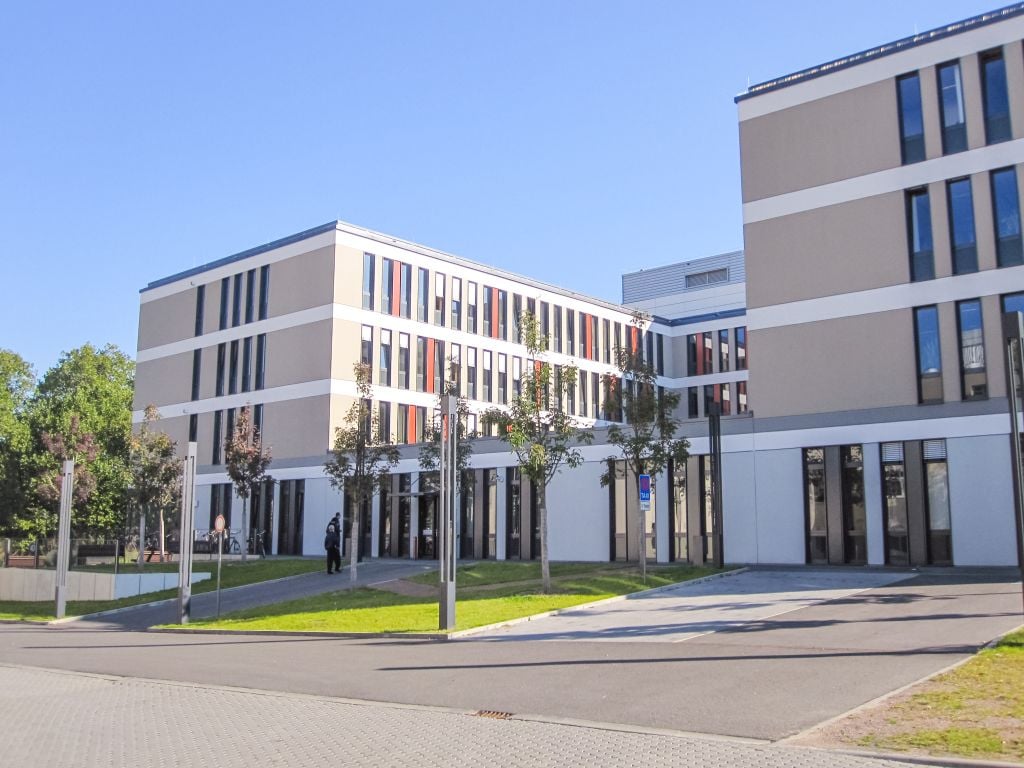
Hospital Havelhoehe



Kerckhoff clinic



Department of Urology at Dortmund Clinic

St. Marienstift Clinic
Los mejores centros médicos de Flebología en Alemania
- Medical Center in Solingen, Alemania
- Nordwest Hospital, Alemania
- Nordrhein-Westfalen Clinic Complex, Alemania
- Hospital Havelhoehe, Alemania
- Charité, Alemania
- Kerckhoff clinic, Alemania
- Medical Center Rechts der Isar , Alemania
- University Clinic of Leipzig, Alemania
- Department of Urology at Dortmund Clinic, Alemania
- St. Marienstift Clinic, Alemania
Artículos relacionados

¿Cuál es el costo del tratamiento del hemangioma?
Escrito por Veronika Kazina
Compartir contenido
Historias en video de pacientes de Bookimed
 Olena Sikoza
Preguntas frecuentes sobre Flebología en Alemania
¿Cuáles son los tratamientos venosos ambulatorios más modernos disponibles en Alemania?
Los tratamientos venosos ambulatorios modernos en Alemania priorizan las técnicas mínimamente invasivas térmicas y no térmicas. Los procedimientos clave incluyen la ablación láser, la terapia por radiofrecuencia y la escleroterapia. Estos métodos evitan la cirugía tradicional. Solo requieren anestesia local. Los pacientes suelen retomar sus actividades normales en 1 o 2 días después del tratamiento.
- Ablación láser: Utiliza energía láser para sellar las venas. Los costos oscilan entre de $200.
- Terapia por radiofrecuencia: Emplea ondas de radio a través de un catéter para contraer las paredes venosas. Disponible en el Hospital Asklepios Barmbek.
- Escleroterapia con espuma: Inyecta espuma especializada bajo guía ecográfica. Los costos oscilan entre de $250.
- Métodos no térmicos: Incluyen la ablación mecanoquímica y adhesivos médicos. Estos protegen los nervios al evitar el calor.
- Diagnóstico experto: Los especialistas utilizan ecografía Doppler para la planificación. Las consultas cuestan entre $140 y $250.
Perspectiva del experto de Bookimed: Los centros vasculares avanzados como la Clínica Nordwest y el Charité de Berlín a menudo combinan múltiples tecnologías. Utilizan ecografía 3D dirigida para mapear las venas antes
¿Qué prueba diagnóstica predice la necesidad de tratamiento y los resultados a largo plazo?
La ecografía dúplex codificada por color es la prueba diagnóstica definitiva para predecir la necesidad de tratamiento y los resultados a largo plazo en Alemania. Esta ecografía no invasiva confirma el reflujo sintomático y mide el diámetro de la vena para justificar los procedimientos. Pronostica con precisión las tasas de éxito de intervenciones como la ablación láser endovenosa o la escleroterapia.
- Estándar diagnóstico: El mapeo mediante ecografía dúplex codificada por color es innegociable antes de cualquier procedimiento venoso en Alemania.
- Necesidad de tratamiento: Un reflujo superior a 0,5 segundos y un diámetro de 6 mm confirman la necesidad de intervención.
- Predicción de resultados: El mapeo integral predice tasas de éxito del 80-90% a 5 años tras tratamientos de ablación térmica.
- Acceso a tecnología: Instalaciones modernas como la Clínica Nordwest utilizan ecografía 3D para diagnósticos vasculares de precisión.
Perspectiva del experto de Bookimed: Los centros vasculares alemanes con gran volumen de pacientes, como el Hospital Asklepios Barmbek, priorizan la ecografía dúplex sobre la pletismografía obsoleta. Los datos muestran que 110.000 pacientes anuales se benefician de este cambio, ya que un mapeo preciso reduce los riesgos de recurrencia. Elegir clínicas con certificación ISO garantiza que sus resultados diagnósticos cumpl
¿Cuánto dura la recuperación después de un tratamiento venoso mínimamente invasivo?
La recuperación después de un tratamiento venoso mínimamente invasivo en Alemania suele ser rápida. La mayoría de los pacientes retoman sus rutinas diarias en 1 o 2 días. La curación interna completa generalmente ocurre a lo largo de varias semanas. Procedimientos como la escleroterapia y la ablación con láser permiten caminar inmediatamente después de la sesión.
- Retorno a la actividad: Los pacientes suelen reanudar el trabajo de bajo impacto y actividades ligeras en un plazo de 24 a 48 horas.
- Terapia de compresión: La mayoría de los protocolos requieren el uso de medias de compresión durante 1 a 2 semanas después del procedimiento.
- Límites de ejercicio: Evite levantar objetos pesados y deportes de alto impacto durante al menos 1 a 2 semanas.
- Restricciones de viaje: Los médicos aconsejan esperar de 4 a 6 semanas antes de realizar vuelos de larga distancia de más de 4 horas.
Perspectiva del experto de Bookimed: Los datos de centros alemanes líderes como la Clínica Nordwest muestran una tendencia a combinar el diagnóstico y el tratamiento. Los pacientes a menudo pueden completar la ecografía Doppler y la ablación con láser en una sola visita. Esta eficiencia reduce el tiempo total en la clínica a menos de 4 horas para los pacientes internacionales.
Consenso de los pacientes: Los pacientes señalan que poder salir de
¿Están cubiertos los tratamientos venosos modernos por los seguros médicos legales e internacionales?
Los tratamientos venosos modernos en Alemania generalmente están cubiertos por las aseguradoras legales e internacionales si son médicamente necesarios. La cobertura se aplica a condiciones sintomáticas como dolor crónico o hinchazón. Los procedimientos puramente cosméticos para las arañas vasculares suelen estar excluidos. Las aprobaciones estándar requieren la confirmación mediante ecografía dúplex del reflujo venoso y una terapia conservadora documentada.
- Necesidad médica: Cubierto para dolor crónico, hinchazón, cambios en la piel o úlceras documentadas.
- Técnicas modernas: La ablación por radiofrecuencia y los tratamientos con láser están cada vez más cubiertos por las principales aseguradoras.
- Prueba conservadora: Las aseguradoras a menudo requieren de 3 a 6 meses de uso de medias de compresión antes de aprobar la cirugía.
- Requisito de diagnóstico: La ecografía dúplex codificada por color es esencial para confirmar el flujo sanguíneo retrógrado para la aprobación.
Perspectiva del experto de Bookimed: Los datos de centros de primer nivel como Charité - Universitätsmedizin Berlin y la Clínica Nordwest muestran un cambio hacia estándares mínimamente invasivos. Si bien el stripping tradicional siempre está cubierto, elegir una clínica con tecnología de ultrasonido 3D a menudo acelera el proceso de aprobación de la aseguradora. Nuestros
¿Qué riesgos surgen si retraso el tratamiento de las varices grandes?
Retrasar el tratamiento de las varices grandes provoca acumulación de sangre y daño tisular progresivo. Los riesgos graves incluyen la trombosis venosa profunda, que puede desencadenar embolias pulmonares potencialmente mortales. La presión crónica también causa úlceras venosas dolorosas, endurecimiento de la piel y sangrado espontáneo incluso con un contacto cutáneo menor.
- Coágulos sanguíneos: El flujo lento aumenta los riesgos de trombosis venosa profunda y embolia pulmonar.
- Úlceras venosas: La presión crónica crea llagas abiertas alrededor de los tobillos que resisten la curación estándar.
- Cambios en la piel: Las venas no tratadas causan manchas marrones permanentes y una textura de piel correosa.
- Sangrado espontáneo: La piel adelgazada sobre las venas agrandadas puede romperse con rasguños menores.
Perspectiva de expertos de Bookimed: Las clínicas alemanas especializadas en cirugía vascular, como el Hospital Asklepios Barmbek, a menudo tratan a más de 100.000 pacientes al año. Los datos muestran que los casos retrasados a menudo requieren una ablación por radiofrecuencia compleja en lugar de una escleroterapia más simple. Los centros de alto volumen en Hamburgo y Frankfurt utilizan ecografía dúplex para detectar riesgos de coagulación tempranos antes de que se conviertan en procedimientos de emergencia.
Consenso de lo
¿Se pueden tratar las venas relacionadas con el embarazo en el extranjero o debo esperar?
Los especialistas médicos en Alemania suelen recomendar esperar de 3 a 6 meses después del parto antes de tratar las venas relacionadas con el embarazo. Este retraso permite la estabilización hormonal natural y la regresión venosa. Las intervenciones como la escleroterapia o la ablación láser a menudo se posponen hasta que finaliza la lactancia para garantizar la seguridad de la paciente.
- Regresión natural: Las venas a menudo mejoran dentro de los 4 meses posteriores al parto sin intervención médica.
- Protocolos de seguridad: Posponer los procedimientos reduce los riesgos de coágulos sanguíneos durante el período posparto.
- Diagnóstico avanzado: Los especialistas alemanes utilizan ecografía dúplex codificada por colores para confirmar la estabilidad de las venas antes del tratamiento.
- Evaluación experta: El Prof. Dr. Max Zegelman en la Clínica Nordwest ofrece evaluaciones vasculares especializadas.
Perspectiva del experto de Bookimed: Las clínicas alemanas como la Clínica Nordwest (Krankenhaus) utilizan tecnología guiada por resonancia magnética y ecografía 3D para un mapeo vascular preciso. Nuestros datos muestran que, si bien los hospitales universitarios como Charité Berlín manejan volúmenes masivos de pacientes, los centros especializados en Frankfurt o Solingen a menudo ofrecen un acceso más rápido a consultas de diagnóstico para via
¿Cuáles son los tratamientos venosos más comunes y basados en evidencia disponibles en Alemania para pacientes internacionales?
Alemania ofrece tratamientos venosos basados en evidencia con tasas de éxito de entre el 85 % y el 95 %. Los pacientes internacionales eligen principalmente procedimientos mínimamente invasivos como la ablación endovenosa por láser y la ablación por radiofrecuencia. Estos métodos ambulatorios utilizan energía térmica para sellar las venas enfermas. Las clínicas alemanas también ofrecen escleroterapia especializada para vasos más pequeños.
- Terapia láser: EVLA utiliza energía lumínica para sellar las venas bajo una guía ecográfica precisa.
- Ablación por radiofrecuencia: RFA emplea ondas de radio para calentar y colapsar las paredes venosas dañadas.
- Escleroterapia: Los médicos inyectan microespuma en las venas más pequeñas para reducirlas y eliminarlas.
- Extirpación quirúrgica: Los especialistas realizan la extirpación de varices para casos complejos mediante pequeñas punciones.
- Diagnóstico vascular: Los expertos utilizan ecografía Doppler y escaneos dúplex para un mapeo venoso detallado.
Perspectiva del experto de Bookimed: Las clínicas universitarias alemanas como Charité Berlin o la Clínica Nordwest ofrecen una mayor fiabilidad para casos complejos. Estos centros realizan miles de procedimientos vasculares. Utilizan ecografía 3D e imágenes avanzadas que a menudo no tienen las consultas independientes. Esta tecnol
¿Cómo es la recuperación tras los procedimientos venosos alemanes modernos y cuándo puedo volar a casa o reanudar el turismo?
La recuperación tras procedimientos venosos alemanes modernos como EVLA o VenaSeal es casi inmediata. Los pacientes suelen salir de la clínica caminando el mismo día. Puede reanudar el turismo ligero en un plazo de 24 a 48 horas. Los vuelos de corta distancia son generalmente seguros después de 1 o 2 días con compresión de grado médico.
- Reanudar el turismo: Comience con caminatas suaves de 30 minutos de inmediato. Evite el senderismo intenso durante 7 a 14 días.
- Vuelo de regreso: Espere de 24 a 48 horas para vuelos de menos de 4 horas. Los viajes de larga distancia requieren de 3 a 7 días.
- Restricciones físicas: Evite levantar objetos pesados de más de 9 kg durante 2 semanas. Evite las saunas durante 14 días.
- Sensaciones postoperatorias: Espere una leve tirantez o dolor durante 3 a 5 días. Esto suele desaparecer sin medicación.
Perspectiva de expertos de Bookimed: Las clínicas alemanas como Nordwest o Asklepios St. Georg suelen utilizar pegamento VenaSeal avanzado o ablación por radiofrecuencia. Estas técnicas permiten viajar más rápido en comparación con el stripping tradicional. Los datos muestran que las clínicas en centros importantes como Fráncfort o Hamburgo ofrecen un seguimiento digital rápido. Esto permite a los pacientes internacionales completar sus controles de ultrasonido y volar de forma segura en un plazo más ajustado.
¿Están cubiertos los tratamientos de venas por el seguro médico alemán si vengo del extranjero?
El seguro médico alemán generalmente cubre los tratamientos de venas solo para residentes o ciudadanos de la UE con autorización previa. Los visitantes no residentes generalmente deben pagar de su bolsillo los procedimientos electivos como la ablación con láser o la escleroterapia. El seguro de viaje estándar solo cubre la atención de emergencia por dolor repentino o venas rotas.
- Estatus de residencia: La cobertura requiere residencia registrada y contribuciones activas al seguro legal alemán.
- Ciudadanos de la UE/EEE: La Tarjeta Sanitaria Europea (TSE) solo cubre emergencias médicamente necesarias que no pueden esperar.
- Autorización previa: Las cirugías planificadas para ciudadanos de la UE requieren un formulario S2 de sus aseguradoras de origen.
- Necesidad médica: Las aseguradoras priorizan la eliminación de varices dolorosas sobre los tratamientos cosméticos de arañas vasculares.
Perspectiva del experto de Bookimed: Las señales de calidad en Alemania están vinculadas al volumen y la especialización. Clínicas como la Nordwest Clinic (Krankenhaus) y el Hospital Asklepios St. Georg atienden a más de 60,000 pacientes al año. Estos centros de alto volumen a menudo ofrecen diagnósticos especializados como la ecografía dúplex codificada por colores. Elegir una instalación con certificación ISO o TÜV garantiza estándares de seguridad internac
¿Pueden reaparecer las varices después de un tratamiento en Alemania y qué seguimiento a largo plazo se recomienda?
Las varices pueden reaparecer después de un tratamiento en Alemania. Los métodos modernos de láser y radiofrecuencia tienen tasas de recurrencia bajas, del 2% al 5%. Sin embargo, entre el 20% y el 30% de los pacientes desarrollan nuevas varices en un plazo de 5 años. Esto ocurre porque la insuficiencia venosa es una afección crónica impulsada por la genética y el estilo de vida.
- Estándar de diagnóstico: Los especialistas alemanes utilizan la ecografía Doppler para identificar nuevas áreas de reflujo sanguíneo.
- Intervalos de seguimiento: Los chequeos rutinarios suelen realizarse al mes, a los 6 meses y, posteriormente, de forma anual.
- Mínimamente invasivo: Métodos como la EVLA y la ablación por radiofrecuencia muestran un mayor éxito a largo plazo que la cirugía.
- Cuidados preventivos: Los médicos recomiendan medias de compresión y control de peso para ralentizar la progresión de la enfermedad.
Perspectiva de expertos de Bookimed: Clínicas como la Nordwest Clinic y el Hospital Asklepios Barmbek a menudo integran institutos de investigación directamente en sus departamentos vasculares. Esta estructura permite a los cirujanos utilizar datos en tiempo real de miles de casos anuales para perfeccionar las temperaturas de ablación. Un control térmico preciso reduce la posibilidad de que una vena tratada se vuelva a abrir en comparación con los