Flebología en Israel: las 8 mejores clínicas con opiniones de pacientes


Revisado médicamente por
Fahad Mawlood
¿Cuál es el precio de procedimientos de Flebología en Israel? Descubra ahora
El tratamiento de flebología en Israel suele costar entre $8,700 y $28,800. Los gastos finales dependen del tipo de procedimiento específico, la experiencia del cirujano y si el centro es privado o público. Los costos clínicos varían según la complejidad de la afección vascular y la duración de la estancia hospitalaria requerida.
Costos típicos de flebología en Israel
- Ablación por radiofrecuencia: $9,500 – $14,500
- Embolización de MAV: Precio a consultar
- Angioplastia carotídea y colocación de stent: Precio a consultar
Los principales centros médicos para la atención vascular se encuentran en Tel Aviv, Jerusalén y Haifa. Si bien las instalaciones privadas en Tel Aviv a menudo tienen estructuras de precios diferentes, una consulta con un especialista vascular puede ayudar a determinar el precio más preciso para sus necesidades específicas.
| Israel | España | Turquía | |
|---|---|---|---|
| Tratamiento láser para varices | ≈ $2,600 | de $3,900 | de $2,800 |
| Injerto de stent aórtico | ≈ $28,000 | ≈ $25,000 | de $24,800 |
| Escleroterapia de varices | ≈ $450 | de $900 | de $710 |
| Endarterectomía carotídea | ≈ $14,000 | ≈ $6,800 | de $6,000 |
| Eliminación de venas varicosas | ≈ $2,800 | de $3,500 | de $1,500 |
Todas las enfermedades de Flebología
Sus beneficios y garantías con Bookimed
Precios directos
Bookimed no añade cargos extra a los precios de los tratamientos de Flebología. Las tarifas proceden de las listas de precios oficiales de las clínicas. Pagará directamente en la clínica por su tratamiento a su llegada al país.
Sólo clínicas y médicos verificados
Bookimed está comprometido con su seguridad. Solo trabajamos con las clínicas que mantienen altos estándares internacionales en el tratamiento de Flebología y tienen las licencias necesarias para atender a pacientes internacionales en todo el mundo.
Asistencia 24/7 gratuita
Bookimed ofrece asistencia experta gratuita. Un coordinador médico personal le apoya antes, durante y después del tratamiento, resolviendo cualquier problema. Nunca estará solo en su viaje médico de procedimientos de Flebología.

Su coordinador médico personal de Bookimed
- Le apoya en cada etapa
- Ayuda a elegir la clínica y el médico adecuados
- Asegura un acceso rápido y conveniente a la información
Descubra las mejores clínicas de Flebología en Israel: 8 opciones verificadas y Precios












Soroka Medical Center

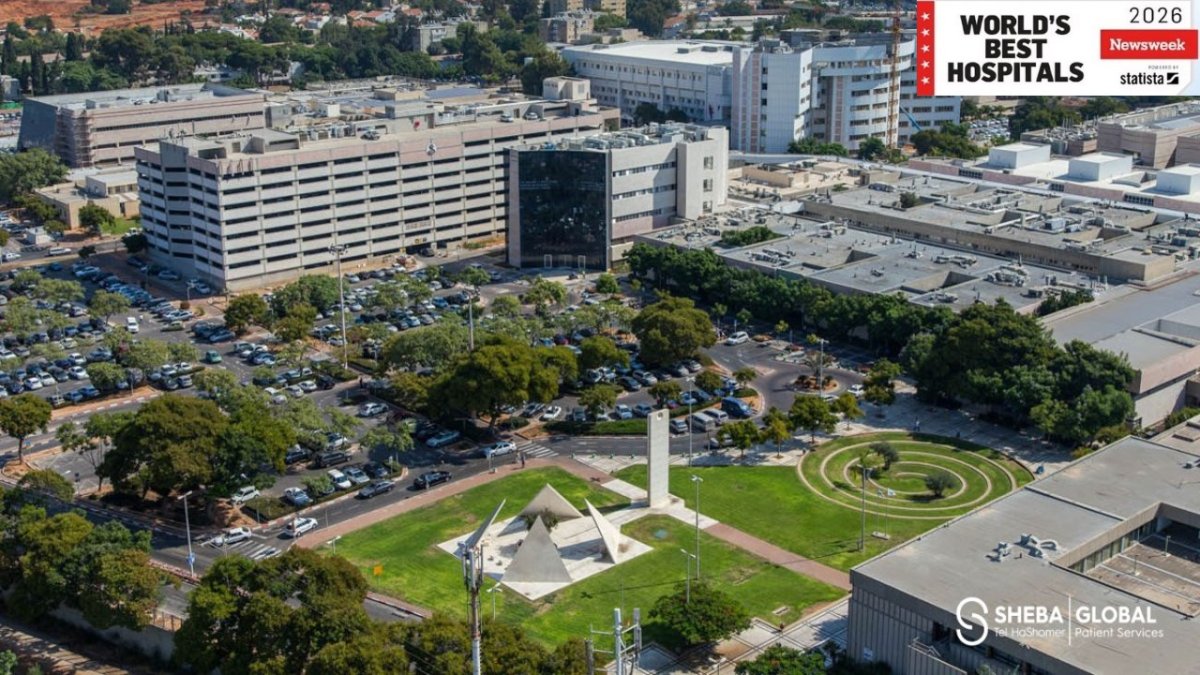
Sheba Tel HaShomer

Dental Clinic Dr. Mark Ratner
Los mejores centros médicos de Flebología en Israel
- Centro Médico Sheba, Israel
- Centro médico Sourasky, Israel
- Assuta Hospital en Israel, Israel
- Centro Médico Hadassah, Israel
- Rambam Medical Center, Israel
- Soroka Medical Center, Israel
- Sheba Tel HaShomer, Israel
- Dental Clinic Dr. Mark Ratner, Israel
Obtenga una evaluación médica para en Israel: Elija su especialista entre los mejores en el campo
Ver todos los médicos
Basheer Sheick-yousif
El Dr. Basheer Sheick-Yousif se especializa en atención integral de la salud de la mujer en el Centro Médico Sourasky, uno de los hospitales líderes de Israel.
- Obstetra y ginecólogo experimentado
- Se enfoca en brindar una atención excepcional al paciente
- Ejerce en un centro médico de primer nivel

David Hen
David Hen fue pionero en una técnica única de inyección de espuma para las varices, combinando la precisión de la ecografía con altas tasas de éxito en los pacientes.
- Jefe del Instituto de Investigación de enfermedades de los vasos sanguíneos
- Especialista en tratamientos de varices mínimamente invasivos
- La técnica de inyección de espuma suele resolver los casos en 3 o 4 sesiones
- Miembro de asociaciones de cirugía vascular en Israel, Europa y EE. UU.
Artículos relacionados

¿Cuál es el costo del tratamiento del hemangioma?
Escrito por Veronika Kazina
Compartir contenido
Historias en video de pacientes de Bookimed
 Olena Sikoza
Preguntas frecuentes sobre Flebología en Israel
¿Los procedimientos vasculares realizados en Israel son llevados a cabo por cirujanos vasculares y flebólogos certificados?
Los procedimientos vasculares en Israel son realizados por cirujanos y flebólogos certificados. Los especialistas deben poseer una licencia del Ministerio de Salud de Israel. Los cirujanos obtienen su estatus de especialista a través de residencias de varios años y exámenes nacionales. Estos exámenes son administrados por el Consejo Científico de la Asociación Médica de Israel (IMA).
- Estándares de certificación: Los especialistas deben aprobar exámenes escritos y orales de la Asociación Médica de Israel (IMA).
- Formación avanzada: Muchos cirujanos, como el Dr. David Hen, son miembros de asociaciones europeas y estadounidenses.
- Instalaciones especializadas: Clínicas como el Centro Médico Sheba albergan institutos dedicados a la atención vascular compleja.
- Rango de tratamientos: Los cirujanos certificados realizan ablación por radiofrecuencia, colocación de stents y ablación láser endovenosa avanzada (EVLA).
Perspectiva del experto de Bookimed: Los departamentos vasculares israelíes en centros de gran volumen como el Centro Médico Sourasky (Ichilov) realizan más de 34,000 operaciones al año. Este volumen masivo permite a los médicos senior centrarse en subespecialidades de nicho. Por ejemplo, el Dr. David Hen en Assaf Harofeh desarrolló su propia técnica de autor específicamente para las venas varicosas. Elegir a un jefe de departamento a
¿Qué protocolos de seguridad existen para la escleroterapia, EVLA o microflebectomía en Israel?
Los protocolos de seguridad para la flebología en Israel se centran en los estándares de la Joint Commission International (JCI) y la guía obligatoria mediante ecografía dúplex. Los cirujanos especialistas en centros como el Sourasky Medical Center realizan exámenes clínicos para descartar trombosis venosa profunda (TVP). Procedimientos como la EVLA utilizan anestesia tumescente para proteger los tejidos y nervios circundantes.
- Evaluación preoperatoria: Los cirujanos utilizan ecografía dúplex para evaluar el flujo sanguíneo y el daño venoso.
- Monitoreo intraoperatorio: La ecografía en tiempo real garantiza una colocación precisa de la aguja para la escleroterapia con espuma y la EVLA.
- Tecnologías avanzadas: Clínicas como el Assuta Medical Center utilizan VenaSeal y sistemas láser especializados.
- Cumplimiento postoperatorio: Los protocolos estándar requieren el uso de medias de compresión médica y movilización inmediata después del tratamiento.
Perspectiva del experto de Bookimed: Los datos muestran que las principales instalaciones israelíes como Sheba y Sourasky operan con volúmenes masivos de pacientes, alcanzando 1,8 millones al año. Esta alta frecuencia permite a los departamentos vasculares perfeccionar los protocolos de seguridad a través de miles de casos. Las clínicas con afiliaciones universitarias, como Hadassah, a menudo integ
¿Qué técnicas para varices se ofrecen habitualmente a los pacientes internacionales?
Las clínicas israelíes ofrecen habitualmente a los pacientes internacionales tratamientos avanzados mínimamente invasivos. Estos incluyen la ablación por radiofrecuencia, la ablación láser endovenosa (EVLA) y la escleroterapia. Los procedimientos se realizan en centros acreditados por la JCI como Assuta y Sourasky. La mayoría de los pacientes retoman sus actividades ligeras el mismo día.
- Ablación térmica: El láser (EVLA) y la radiofrecuencia (RFA) sellan las venas mediante calor dirigido.
- Escleroterapia: Los médicos inyectan espuma bajo guía ecográfica para colapsar las varices más pequeñas.
- VenaSeal: Este enfoque no térmico utiliza un adhesivo de grado médico para cerrar las venas defectuosas.
- Técnicas expertas: Especialistas como el Dr. David Hen utilizan protocolos únicos de inyección de espuma en cuatro etapas.
Opinión del experto de Bookimed: Nuestros datos muestran una preferencia por centros privados como el Centro Médico Assuta para la atención vascular. Esta clínica permite a los pacientes seleccionar personalmente a su médico tratante. Este nivel de elección es raro en los sistemas públicos y garantiza una alta atención personalizada. Los grandes centros como Assuta realizan más de 92.000 operaciones al año, lo que proporciona una experiencia clínica significativa.
Consenso de los pacientes: Los pacient
¿Qué métodos de tratamiento modernos están disponibles en Israel para las varices y las arañas vasculares?
Israel ofrece tratamientos no quirúrgicos avanzados para varices y arañas vasculares con altas tasas de éxito. Los especialistas utilizan la ablación láser endovenosa (EVLA), la ablación por radiofrecuencia y la escleroterapia. Estos métodos mínimamente invasivos garantizan una recuperación rápida. La mayoría de los pacientes retoman sus actividades normales en 1 a 2 días.
- Tratamientos láser: La EVLA utiliza energía térmica para sellar las venas enfermas con precisión.
- Ablación por radiofrecuencia: La energía de radiofrecuencia colapsa las paredes de las venas con mínimos hematomas post-procedimiento.
- Técnicas de escleroterapia: Las inyecciones de espuma o líquido guiadas por ultrasonido cierran eficazmente las arañas vasculares más pequeñas.
- Adhesivos médicos: La tecnología VenaSeal utiliza pegamento médico para sellar las venas sin calor.
- Diagnóstico especializado: La ecografía Doppler y el angioscan dúplex proporcionan primero un mapeo vascular preciso.
Perspectiva del experto de Bookimed: Los departamentos vasculares israelíes, como los del Centro Médico Sourasky (Ichilov), a menudo combinan múltiples técnicas. Nuestros datos muestran que los centros principales utilizan frecuentemente un enfoque por etapas. El Dr. David Hen, del Centro Médico Assaf Harofeh, utiliza una técnica propia que implica de 3 a 4 e
¿Soy candidato para un tratamiento endovenoso en Israel?
La candidatura para un tratamiento endovenoso en Israel depende de tener venas varicosas sintomáticas confirmadas mediante ecografía dúplex. Los buenos candidatos suelen presentar dolor en las piernas, hinchazón o cambios en la piel. Los especialistas israelíes en centros acreditados por la Joint Commission International (JCI), como el Sourasky Medical Center (Ichilov), requieren evidencia de reflujo venoso antes de proceder.
- Reflujo sintomático: Pesadez en las piernas, picazón o úlceras con insuficiencia valvular documentada.
- Resultados de ecografía: Diámetro de la vena superior a 4–5 mm y tiempo de reflujo superior a 0,5 segundos.
- Historial de tratamiento: Fracaso de métodos conservadores como medias de compresión o elevación.
- Estado médico: Los candidatos deben ser móviles y no estar embarazadas ni amamantando.
Perspectiva de expertos de Bookimed: Los centros privados israelíes como el Assuta Medical Center ofrecen una ventaja distintiva al permitir que los pacientes elijan a su médico tratante específico. Nuestros datos muestran que los especialistas de primer nivel a menudo combinan técnicas, como el uso de pegamento VenaSeal junto con escleroterapia con espuma en una sola sesión. Este enfoque integral generalmente aborda tanto los troncos principales como los afluentes más pequeños a la vez, reduciendo la necesidad de visitas de s
¿Son estos procedimientos permanentes y aparecerán nuevas varices más adelante?
Los procedimientos modernos de flebología, como la ablación por radiofrecuencia y la EVLA, sellan permanentemente las venas tratadas con tasas de éxito de hasta el 98 %. Aunque el cuerpo absorbe estos vasos cerrados, la insuficiencia venosa es una afección progresiva. Es posible que sigan apareciendo nuevas varices en otras zonas de las piernas debido a factores genéticos o de estilo de vida.
- Tasa de éxito: Los métodos avanzados de ablación térmica reportan tasas de éxito inmediato de entre el 90 % y el 98 %.
- Riesgo de reapertura: La posibilidad de que una vena tratada se vuelva a abrir es baja, estimada en solo un 2–5 %.
- Durabilidad a largo plazo: La recurrencia o la formación de nuevas venas ocurre generalmente en el 10–20 % de los casos dentro de un período de 5 a 10 años.
- Etapas del tratamiento: Especialistas como el Dr. David Hen suelen utilizar de 3 a 4 etapas para obtener resultados integrales.
Perspectiva de expertos de Bookimed: Las clínicas privadas israelíes suelen ofrecer más flexibilidad tecnológica que los centros públicos más grandes. El Centro Médico Assuta ofrece tecnologías especializadas VenaSeal y criogénicas que pueden no requerir los períodos intensivos de uso de prendas de compresión típicos de los tratamientos láser estándar. Esta es una ventaja significativa para los pacientes que viajan desde climas más cálidos
¿Cuál es el plan típico de recuperación y regreso a los viajes después de una EVLA o escleroterapia?
La recuperación después de una EVLA o escleroterapia en Israel es rápida. La mayoría de los pacientes retoman sus actividades ligeras el mismo día. Viajar es seguro después de 48-72 horas para viajes cortos. Los vuelos de larga distancia de más de 4 horas deben retrasarse de 3 a 4 semanas para minimizar el riesgo de trombosis venosa profunda.
- Terapia de compresión: Use medias de grado médico las 24 horas del día, los 7 días de la semana, durante 7-14 días para optimizar la curación.
- Actividad física: Camine 30 minutos al día a partir del primer día para promover la circulación.
- Ejercicio extenuante: Evite levantar objetos pesados y entrenamientos intensivos durante 7-14 días después de la EVLA.
- Seguridad durante el vuelo: Use compresión, manténgase bien hidratado y realice círculos con los tobillos cada hora mientras viaja.
Perspectiva del experto de Bookimed: Los centros líderes de Israel, como Sourasky y Assuta, utilizan imágenes digitales avanzadas y tecnología VenaSeal. Estas herramientas a menudo permiten un mapeo más preciso durante las consultas. Esta precisión puede reducir la necesidad de múltiples etapas de seguimiento. Los pacientes deben priorizar las clínicas con laboratorios vasculares en el lugar para una autorización de viaje más rápida.
Consenso de los pacientes: Muchos pacientes señalan que la h
¿Cómo es el proceso de recuperación después de un procedimiento de varices en Israel?
La recuperación después de los procedimientos de varices en Israel es notablemente rápida. La mayoría de los pacientes reanudan sus actividades ligeras en un plazo de 24 a 48 horas. Procedimientos como la ablación con láser y la escleroterapia son servicios ambulatorios. Utilizan anestesia local para garantizar la movilidad inmediata. Caminar inmediatamente después del tratamiento es obligatorio para promover un flujo sanguíneo saludable.
- Movilidad inicial: Los pacientes caminan inmediatamente después del procedimiento para prevenir coágulos sanguíneos.
- Terapia de compresión: Se usan medias de grado médico durante 1 a 7 días.
- Nivel de actividad: La mayoría de los pacientes regresan a sus trabajos de oficina en 48 horas.
- Límites de ejercicio: Se evitan los deportes de alto impacto y levantar objetos pesados durante 14 días.
Perspectiva del experto de Bookimed: Los datos de centros líderes como Assaf Harofeh muestran que las técnicas especializadas pueden reducir las etapas de recuperación. Mientras que la atención estándar se centra en una sesión, algunos profesores israelíes utilizan un enfoque de 3 a 4 etapas con inyecciones de espuma. Esta estratificación precisa a menudo resulta en menos hematomas post-procedimiento que las eliminaciones agresivas en una sola sesión.
Consenso de los pacientes: Los pacientes se
¿Dónde se encuentran los principales centros de flebología que aceptan pacientes internacionales?
Israel es un centro mundial de primer nivel para la flebología. Los pacientes acceden a atención venosa avanzada en centros acreditados por la JCI en Tel Aviv, Haifa y Jerusalén. Estas instalaciones se especializan en técnicas mínimamente invasivas como VenaSeal y la ablación por radiofrecuencia. Ofrecen servicios integrales para varices y afecciones vasculares complejas.
- Instalaciones principales: El Sourasky Medical Center y el Assuta Medical Center ofrecen unidades vasculares especializadas en Tel Aviv.
- Tecnología avanzada: Las clínicas utilizan VenaSeal, cirugía robótica e inyecciones de espuma guiadas por ultrasonido para obtener resultados precisos.
- Cirujanos expertos: El Dr. Basheer Sheick-yousif y el Prof. David Hen dirigen departamentos con reconocimiento internacional.
- Gama de tratamientos: Los servicios incluyen ablación láser, escleroterapia y colocación de stents para casos de insuficiencia venosa crónica.
Perspectiva del experto de Bookimed: Los datos muestran una preferencia por instalaciones privadas como el Assuta Medical Center en Tel Aviv. Esta clínica realiza 92.000 operaciones al año. Ofrece a los pacientes una mayor elección en opciones quirúrgicas en comparación con los centros públicos. Elegir atención privada a menudo resulta en una programación de citas más rápida para los pacientes internacionales.
¿Cómo debe un turista médico elegir al flebólogo o la clínica adecuada en Israel?
Elegir un flebólogo en Israel requiere verificar la acreditación de la Joint Commission International (JCI) y la certificación de especialista en cirugía vascular. Los centros de primer nivel, como el Centro Médico Assuta y el Centro Médico Sheba, siguen estrictos protocolos de seguridad. Los pacientes deben priorizar a los médicos con experiencia documentada en técnicas mínimamente invasivas de láser y radiofrecuencia.
- Acreditación de la clínica: Priorice centros acreditados por la JCI como el Centro Médico Sourasky o el Centro Médico Hadassah.
- Credenciales del médico: Seleccione cirujanos vasculares certificados como el Dr. David Hen en Assaf Harofeh.
- Tecnología avanzada: Asegúrese de tener acceso a VenaSeal, ablación por radiofrecuencia o terapia láser endovenosa (EVLT).
- Protecciones legales: Verifique que la clínica proporcione una invitación por escrito que detalle todos los procedimientos y riesgos.
Perspectiva del experto de Bookimed: Los datos muestran una correlación entre la elección del paciente y la escala del hospital en Israel. Mientras que los centros privados como el Centro Médico Assuta permiten a los pacientes elegir a su cirujano específico, los grandes centros estatales como el Centro Médico Sheba tratan a más de 1.500.000 pacientes al año. Estos centros de gran volumen a menudo centralizan diagnósticos complejos com