Flebología en Corea del Sur — Costos 2026


Revisado médicamente por
Fahad Mawlood
¿Cuál es el precio de procedimientos de Flebología en Corea del Sur? Descubra ahora
Los tratamientos de flebología en Corea del Sur suelen costar entre $8,100 y $25,300. Los gastos totales dependen de la técnica utilizada, la gravedad de la insuficiencia venosa y si ambas piernas requieren tratamiento. Los pacientes pueden esperar un ahorro del 40-50% en comparación con EE. UU. para procedimientos como la ablación láser o la escleroterapia.
Costos típicos de flebología en Corea del Sur
- Consulta con un cirujano vascular: de $40
- Revisión de resultados de resonancia magnética: de $50
- Ablación por radiofrecuencia: de $8,000
- Eliminación de venas varicosas: de $3,500
- Escleroterapia de venas varicosas: de $800
- Tratamiento láser para venas varicosas: de $3,000
La mayoría de los centros especializados en venas se encuentran en Seúl, Busan y Daegu. Si bien Seúl ofrece la mayor densidad de clínicas, las instalaciones en Busan pueden ofrecer tarifas ligeramente más bajas para el diagnóstico por imagen. Debe consultar con un especialista para obtener precios precisos para su condición específica.
| Corea del Sur | España | Turquía | |
|---|---|---|---|
| Tratamiento láser para varices | de $3,000 | de $3,900 | de $2,800 |
| Injerto de stent aórtico | ≈ $24,000 | ≈ $25,000 | de $24,800 |
| Escleroterapia de varices | de $800 | de $900 | de $810 |
| Endarterectomía carotídea | ≈ $9,000 | ≈ $6,800 | de $6,000 |
| Eliminación de venas varicosas | de $3,500 | de $3,500 | de $1,500 |
Todas las enfermedades de Flebología
Sus beneficios y garantías con Bookimed
Precios directos
Bookimed no añade cargos extra a los precios de los tratamientos de Flebología. Las tarifas proceden de las listas de precios oficiales de las clínicas. Pagará directamente en la clínica por su tratamiento a su llegada al país.
Sólo clínicas y médicos verificados
Bookimed está comprometido con su seguridad. Solo trabajamos con las clínicas que mantienen altos estándares internacionales en el tratamiento de Flebología y tienen las licencias necesarias para atender a pacientes internacionales en todo el mundo.
Asistencia 24/7 gratuita
Bookimed ofrece asistencia experta gratuita. Un coordinador médico personal le apoya antes, durante y después del tratamiento, resolviendo cualquier problema. Nunca estará solo en su viaje médico de procedimientos de Flebología.

Su coordinador médico personal de Bookimed
- Le apoya en cada etapa
- Ayuda a elegir la clínica y el médico adecuados
- Asegura un acceso rápido y conveniente a la información
Descubra las mejores clínicas de Flebología en Corea del Sur: 16 opciones verificadas y Precios



samsungbalance clinic









Los mejores centros médicos de Flebología en Corea del Sur
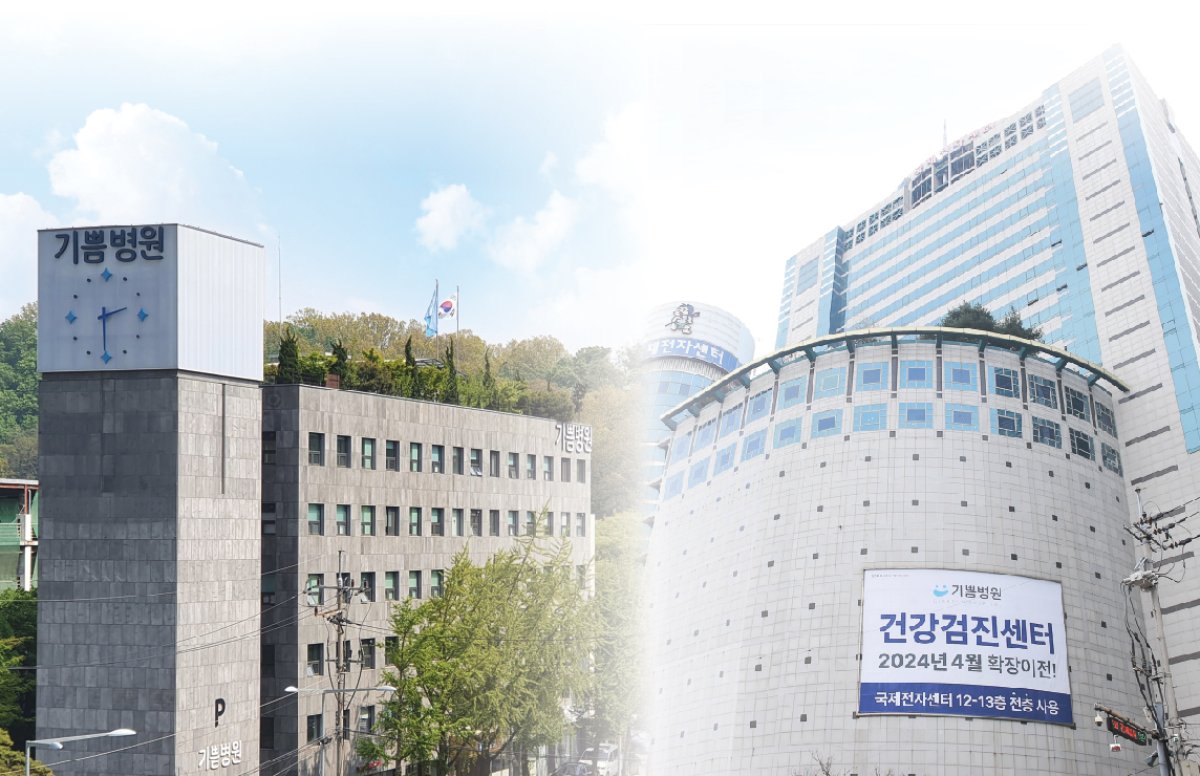
- Hospital General Gibbeum, Corea del Sur
- Samsung Medical Center, Corea del Sur
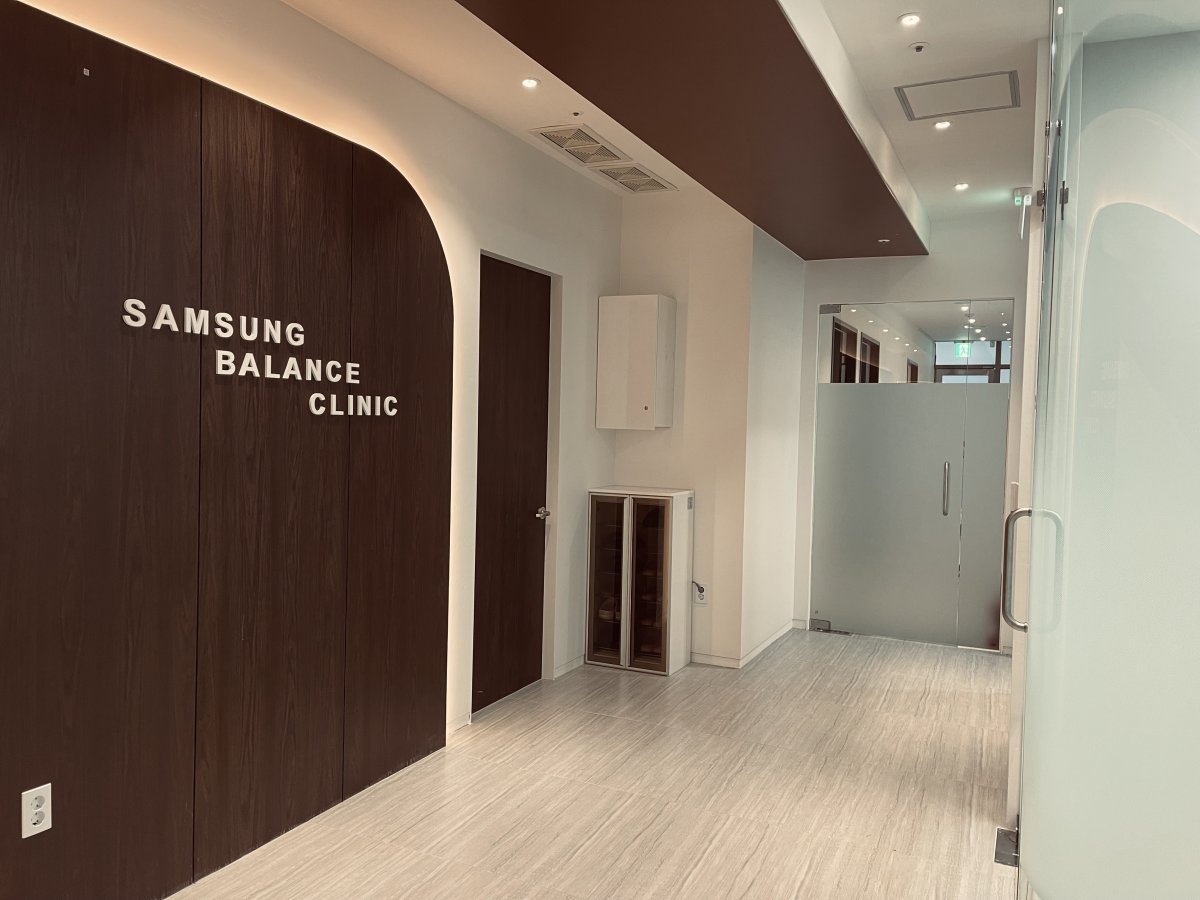
- samsungbalance clinic, Corea del Sur
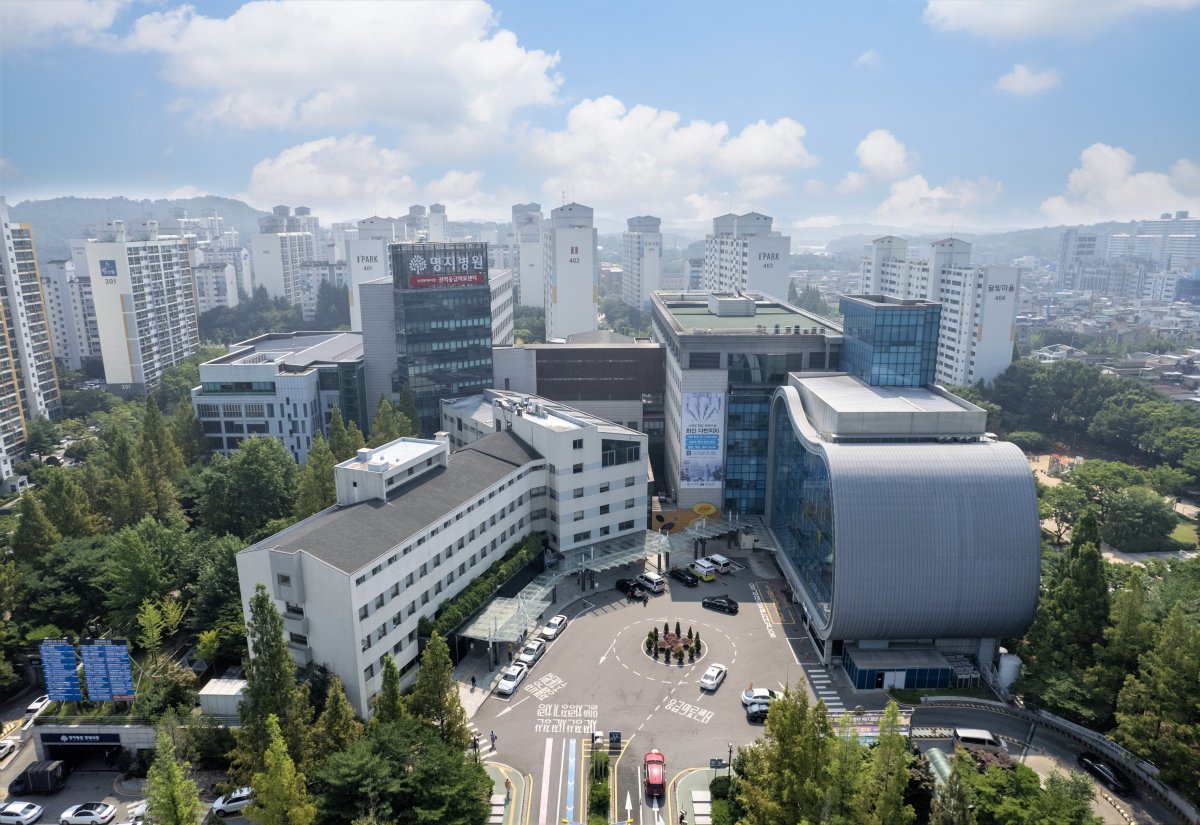
- Myongji Hospital, Corea del Sur
- Ewha Womans University Medical Center, Corea del Sur
- Seoul National University Bundang Hospital (SNUBH), Corea del Sur
- Asan Medical Center, Corea del Sur
- Hospital Severance (Severance Hospital), Corea del Sur
- Gangnam Severance Hospital, Corea del Sur
- Soon Chun Hyang University Hospital , Corea del Sur
Obtenga una evaluación médica para en Corea del Sur: Elija su especialista entre los mejores en el campo
Ver todos los médicos
Francis Jeon
El Dr. Francis Jeon es un cirujano torácico y cardiovascular certificado. Tiene amplia experiencia clínica y docente. Obtuvo su título y realizó la residencia en la Universidad y Hospital Médico Soonchunhyang, donde luego fue instructor y profesor de consulta externa.
Ha ocupado cargos de liderazgo, como Auditor de la Sociedad Coreana de Cirugía Torácica y Cardiovascular (2019-2021). También es miembro de WPATH. Desde 2009, es representante de Evita Clinic. En 2011, el American Biogra
Artículos relacionados

¿Cuál es el costo del tratamiento del hemangioma?
Escrito por Veronika Kazina
Compartir contenido
Historias en video de pacientes de Bookimed
 Olena Sikoza
Preguntas frecuentes sobre Flebología en Corea del Sur
¿Cuáles son los tratamientos más comunes para las varices en Corea?
Los tratamientos comunes para las varices en Corea se centran en técnicas mínimamente invasivas térmicas y no térmicas. Las opciones clave incluyen la ablación láser endovenosa (EVLA), la ablación por radiofrecuencia (RFA) y el cierre con bioadhesivo VenaSeal. Estos procedimientos priorizan una recuperación rápida. La mayoría de los pacientes retoman sus actividades diarias en un plazo de 24 horas.
- Ablación láser endovenosa: Utiliza energía térmica para cerrar las venas enfermas bajo guía ecográfica.
- Ablación por radiofrecuencia: Emplea calor regulado mediante un catéter para minimizar los hematomas post-procedimiento.
- Escleroterapia: Inyecta una solución química para colapsar las venas varicosas más pequeñas o tributarias.
- VenaSeal: Sella las venas utilizando pegamento de grado médico, eliminando a menudo la necesidad de compresión.
Opinión de expertos de Bookimed: La infraestructura de Corea permite una precisión diagnóstica extrema. Los principales centros como el Hospital de la Universidad Nacional de Seúl y el Samsung Medical Center están totalmente digitalizados. Esta integración significa que los resultados de la ecografía Doppler son analizados instantáneamente por radiólogos intervencionistas. Tal velocidad a menudo permite a los pacientes pasar de la consulta al tratamiento con láser el mismo día.
Consenso de lo
¿Cuáles son las clínicas mejor valoradas para flebología en Corea?
Las clínicas de flebología mejor valoradas en Corea incluyen centros especializados como Evita Clinic e instituciones importantes como el Samsung Medical Center y el Hospital de la Universidad Nacional de Seúl. Estas instalaciones ofrecen tratamientos avanzados de ablación por radiofrecuencia y EVLA. La mayoría cuenta con acreditaciones JCI o KOIHA. Cirujanos como el Dr. Francis Jeon brindan atención vascular experta.
- Credenciales de la clínica: El Samsung Medical Center y el Severance Hospital mantienen la acreditación JCI y clasificaciones de Newsweek.
- Cirujanos expertos: El Dr. Francis Jeon en Evita Clinic ha realizado más de 3,000 procedimientos vasculares y torácicos.
- Atención especializada: El Centro Médico de la Universidad Femenina Ewha se centra en la flebología mínimamente invasiva para pacientes femeninas.
- Alto volumen: El Hospital de la Universidad Nacional de Seúl en Bundang realiza más de 32,000 operaciones al año utilizando sistemas digitales.
Perspectiva del experto de Bookimed: Los datos muestran una clara división entre los gigantes multidisciplinarios de Seúl y las clínicas boutique. Los grandes hospitales como el Asan Medical Center manejan más de 11,800 pacientes ambulatorios diarios y casos vasculares complejos. Las clínicas especializadas como Evita se centran en resultados estéticos. A menudo proporcionan una pro
¿Cómo se realiza habitualmente el diagnóstico?
El diagnóstico en Corea del Sur implica una entrevista clínica y un examen físico seguidos de imágenes de alta resolución. Especialistas como el Dr. Francis Jeon en la Clínica Evita realizan estas evaluaciones. Utilizan la ecografía dúplex para identificar el reflujo venoso y planificar tratamientos como la ablación por radiofrecuencia.
- Historial clínico: El especialista revisa la duración de los síntomas y los antecedentes familiares para evaluar el riesgo de insuficiencia venosa.
- Examen físico: Los médicos utilizan la inspección y la transiluminación para identificar varices visibles o subsuperficiales.
- Ecografía dúplex: Esta ecografía, considerada el estándar de oro, evalúa el flujo sanguíneo mientras el paciente está de pie.
- Fotopletismografía (PPG): Esta prueba no invasiva mide los tiempos de llenado venoso para detectar enfermedades en etapa temprana.
Perspectiva del experto de Bookimed: Los principales centros de Seúl, como el Hospital de la Universidad Nacional de Seúl, utilizan sistemas totalmente digitalizados para eliminar errores de diagnóstico. Nuestros datos muestran que los mejores flebólogos coreanos a menudo realizan ecografías dúplex en la misma sala de examen. Esto permite un diagnóstico el mismo día y una planificación inmediata del tratamiento durante una sola visita.
Consenso de los pacientes:
¿Pueden los pacientes internacionales volar a casa inmediatamente después del tratamiento?
Los pacientes internacionales suelen esperar de 24 a 48 horas antes de volar a casa después de tratamientos de flebología en Corea del Sur. Los procedimientos menores como la escleroterapia permiten viajar en un plazo de 1 día. Los tratamientos más intensivos, como la ablación por radiofrecuencia o la cirugía láser, requieren un breve período de observación antes de un vuelo.
- Plazo de viaje: Espere de 24 a 48 horas después de los tratamientos con láser o radiofrecuencia antes de abordar vuelos de larga distancia.
- Recuperación de la escleroterapia: Los pacientes a menudo vuelan a casa 24 horas después de este tratamiento venoso no quirúrgico.
- Seguridad en el vuelo: Use las medias de compresión recetadas y camine cada hora para prevenir coágulos sanguíneos.
- Autorización de la clínica: Especialistas como el Dr. Francis Jeon proporcionan notas de aptitud para volar después de los chequeos postoperatorios.
Perspectiva del experto de Bookimed: Los centros de alto volumen en Seúl a menudo programan ecografías de seguimiento la mañana siguiente a la cirugía. Los datos de la Clínica Evita muestran que el Dr. Francis Jeon ha realizado más de 3,000 procedimientos. Esta experiencia permite a los cirujanos proporcionar autorizaciones de vuelo precisas. Reserve siempre su vuelo de regreso al menos 2 días después de su procedimiento para asegurarse de