Enfermedad de alzheimer en Alemania: las 24 mejores clínicas para su tratamiento


Revisado médicamente por
Fahad Mawlood
¿Cuál es el precio del diagnóstico y los tratamientos de Enfermedad de alzheimer en Alemania? Descubra ahora
El costo del tratamiento de la enfermedad de Alzheimer en Alemania generalmente depende de la profundidad del diagnóstico y el enfoque terapéutico, con un ECG que oscila entre $50 y $60, y opciones avanzadas como la terapia con células madre para la enfermedad de Alzheimer que van desde $9,000 hasta $16,500. Los gastos totales varían según la etapa de la enfermedad y los requisitos de atención. La atención neurológica de alta calidad se concentra en centros médicos como Hamburgo, Berlín y Fráncfort del Meno.
Costos típicos del tratamiento de la enfermedad de Alzheimer en Alemania
- ECG: $50 – $60
- TC de los senos paranasales: de $220
- Terapia con células madre para la enfermedad de Alzheimer: $9,000 – $16,500
Perspectiva de los expertos de Bookimed: Los pacientes que buscan atención de clase mundial basada en la investigación deben considerar Charité - Universitätsmedizin Berlin. Es uno de los centros académicos más antiguos de Europa con más de 100 departamentos especializados. Para aquellos que priorizan la neurología especializada, el profesor Marcel Dihne en el Centro Médico de Solingen ofrece décadas de experiencia. Clínicas como los hospitales Nordwest y Asklepios están constantemente clasificadas en el Top 10 de Focus para el cuidado del Alzheimer.
| Alemania | España | Turquía | |
|---|---|---|---|
| Tratamiento con células madre para Alzheimer | ≈ $9,000 | ≈ $20,000 | de $11,900 |
Sus beneficios y garantías con Bookimed
Precios directos
Bookimed no añade cargos extra a los precios de los tratamientos de Enfermedad de alzheimer. Las tarifas proceden de las listas de precios oficiales de las clínicas. Pagará directamente en la clínica por su tratamiento a su llegada al país.
Sólo clínicas y médicos verificados
Bookimed está comprometido con su seguridad. Solo trabajamos con las clínicas que mantienen altos estándares internacionales en el tratamiento de Enfermedad de alzheimer y cuentan con las licencias necesarias para atender a pacientes internacionales en todo el mundo.
Asistencia 24/7 gratuita
Bookimed ofrece asistencia experta gratuita. Un coordinador médico personal le apoya antes, durante y después de su tratamiento, resolviendo cualquier problema. Nunca estará solo en su viaje médico de tratamiento de Enfermedad de alzheimer.

Su coordinador médico personal de Bookimed
- Le apoya en cada etapa
- Ayuda a elegir la clínica y el médico adecuados
- Asegura un acceso rápido y conveniente a la información
Descubra las mejores clínicas de tratamiento de Enfermedad de alzheimer en Alemania: 24 opciones verificadas y Precios






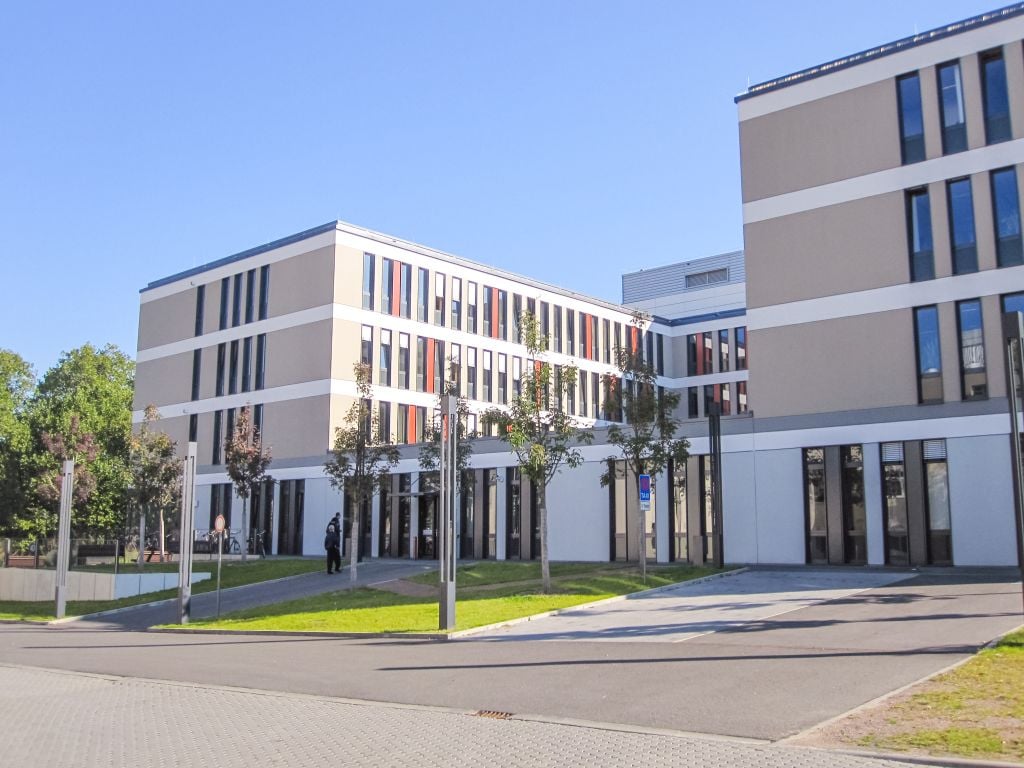
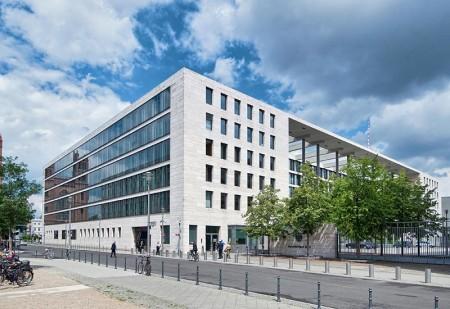
University Hospital Magdeburg

St. Marienstift Clinic

Hospital in the Pfeiffer`s foundations

University Hospital of Giessen and Marburg

Elbland Clinic

Bavaria in Kreischa
Obtenga una evaluación médica para Enfermedad de alzheimer en Alemania: consulte con doctores experimentados ahora
Ver todos los médicos
Marcel Dihne
El profesor Dihne se especializa en neurología, con un enfoque en la regeneración del sistema nervioso y la investigación de células madre, ofreciendo planes de tratamiento personalizados para pacientes con Alzheimer.
- Más de 20 años de experiencia en neurología
- Galardonado por su destacada investigación clínica en células madre
- Ex jefe de Neurología en la St. Lukas Klinik Solingen
- Autor de numerosas publicaciones en las principales revistas médicas
Artículos relacionados

Compartir contenido
Historias en video de pacientes de Bookimed
 Olena Sikoza
Preguntas frecuentes sobre el tratamiento de Enfermedad de alzheimer en Alemania
¿Cuáles son los medicamentos más nuevos para el Alzheimer disponibles en Alemania?
Lecanemab y Donanemab son los medicamentos modificadores de la enfermedad de Alzheimer más recientes disponibles en Alemania a finales de 2025. Estos anticuerpos monoclonales se dirigen a las placas de beta-amiloide para ralentizar el deterioro cognitivo. Neurólogos especializados en centros multidisciplinarios como la Charité Universitätsmedizin Berlin o la Clínica Nordwest proporcionan estas infusiones.
- Medicamentos disponibles: Lecanemab (Leqembi) se lanzó en septiembre de 2025; Donanemab (Kisunla) le siguió en noviembre de 2025.
- Elegibilidad para el tratamiento: Los pacientes deben tener una acumulación de amiloide confirmada mediante tomografías PET o líquido cefalorraquídeo.
- Pruebas genéticas: Es obligatorio realizar pruebas del gen ApoE4 antes de comenzar estas terapias con anticuerpos.
- Programa de infusión: Lecanemab requiere infusiones quincenales; Donanemab se administra una vez cada cuatro semanas.
Perspectiva de expertos de Bookimed: Los hospitales universitarios alemanes a menudo brindan acceso temprano a nuevas terapias a través de programas de uso compasivo. Los datos de Bookimed muestran que grandes instituciones como la Charité de Berlín o la Clínica Universitaria de Leipzig gestionan grandes volúmenes de pacientes. Estos investigadores a menudo evitan los lentos procesos de los seguros legales. Los pacientes deben veri
¿Quién es elegible para los nuevos tratamientos con anticuerpos (Lecanemab/Donanemab)?
Los candidatos para lecanemab y donanemab deben estar en las etapas sintomáticas tempranas de la enfermedad de Alzheimer. El diagnóstico requiere la confirmación de placas amiloides mediante tomografía por emisión de positrones (PET) o punción lumbar. La elegibilidad se limita a pacientes con deterioro cognitivo leve o demencia leve con puntuaciones específicas en pruebas cognitivas.
- Etapa de Alzheimer: Limitado a deterioro cognitivo leve o demencia leve debido al Alzheimer.
- Confirmación de amiloide: Documentación obligatoria de placas cerebrales mediante escáneres PET o pruebas de líquido cefalorraquídeo.
- Puntuación cognitiva: Los pacientes generalmente requieren una puntuación MMSE entre 20 y 28 o 30.
- Exclusiones de seguridad: Excluye a pacientes con accidentes cerebrovasculares significativos, microhemorragias o uso de anticoagulantes de potencia completa.
Perspectiva del experto de Bookimed: Los hospitales universitarios alemanes como Charité Berlin y Nordwest Clinic son líderes en diagnósticos tempranos. Aunque el acceso a anticuerpos estándar es restrictivo, estos centros a menudo participan en ensayos de investigación avanzada. Por ejemplo, algunas instalaciones mantienen más de 650 camas e institutos de investigación especializados para gestionar una supervisión de seguridad compleja.
Consenso de los pacientes:
¿Están disponibles el Lecanemab o el Donanemab para el Alzheimer de moderado a grave en Alemania?
El Lecanemab y el Donanemab no están disponibles para el Alzheimer de moderado a grave en Alemania. Estos medicamentos están autorizados exclusivamente para pacientes con Alzheimer en etapa temprana con deterioro cognitivo leve. Las regulaciones europeas excluyen a los pacientes con dos copias del gen ApoE4 debido a riesgos de seguridad.
- Etapas aprobadas: Autorizado solo para deterioro cognitivo leve o demencia leve.
- Elegibilidad genética: Limitado a pacientes con una o ninguna copia de ApoE4.
- Pruebas obligatorias: Los pacientes deben confirmar los biomarcadores amiloides mediante tomografías PET o líquido cefalorraquídeo.
- Estado de reembolso: Las autoridades alemanas actualmente informan que no hay beneficio adicional sobre la atención estándar.
Perspectiva de expertos de Bookimed: Aunque estos medicamentos tienen límites estrictos, los departamentos de neurología alemanes como la Clínica Nordwest y el Hospital Asklepios Barmbek mantienen clasificaciones en el Top 10 de Focus para la atención del Alzheimer. Las clínicas de nuestra red a menudo manejan grandes volúmenes, con el Asklepios Barmbek atendiendo a 80,000 pacientes internacionales anualmente. Esta infraestructura es vital porque el acceso a nuevos medicamentos requiere clínicas de memoria especializadas, que actualmente enfrentan listas de espera de 3 a 6 meses para las imágen
¿Cuáles son los principales riesgos de seguridad de las nuevas terapias con anticuerpos para el Alzheimer?
Los principales riesgos de seguridad de las terapias con anticuerpos para el Alzheimer, como Lecanemab y Donanemab, incluyen las anomalías de imagen relacionadas con el amiloide (ARIA). Estas se manifiestan como inflamación cerebral o microhemorragias. Otros riesgos incluyen reacciones relacionadas con la infusión. El seguimiento requiere resonancias magnéticas frecuentes para detectar cambios asintomáticos en el cerebro.
- ARIA-Edema: Inflamación cerebral temporal que afecta del 13% al 24% de los pacientes en ensayos clínicos.
- ARIA-Hemorragia: Microhemorragias o depósitos de hierro que ocurren en hasta el 31% de las personas tratadas.
- Riesgo genético: Los pacientes con dos copias del gen APOE-ε4 enfrentan un riesgo de ARIA de hasta el 50%.
- Reacciones a la infusión: Fiebre, escalofríos o cambios en la presión arterial afectan del 10% al 26% de los pacientes.
Perspectiva del experto de Bookimed: Los hospitales universitarios alemanes como Charité Berlín o la Clínica Nordwest lideran los protocolos de seguridad para estas terapias. Los centros de alto volumen a menudo combinan tratamientos con anticuerpos con diagnósticos especializados como la TC de los senos paranasales. Este enfoque integral ayuda a descartar riesgos inflamatorios secundarios antes de comenzar con los productos biológicos.
Consenso de los pacientes:
¿Dónde pueden los pacientes recibir atención especializada para el Alzheimer en Alemania, incluidos los nuevos tratamientos con anticuerpos?
Los pacientes reciben atención especializada para el Alzheimer y tratamientos con anticuerpos como Lecanemab en hospitales universitarios alemanes y centros clasificados por Focus. Instituciones como Charité Berlín y el Hospital Universitario de Magdeburgo ofrecen una infraestructura de infusión avanzada. Estas terapias requieren la confirmación de placas amiloides mediante escáneres PET o diagnósticos de líquido cefalorraquídeo.
- Instalaciones especializadas: El Hospital Universitario de Magdeburgo cuenta con una infraestructura dedicada de infusión de anticuerpos de cuatro unidades.
- Centros líderes: Charité Berlín y la Clínica Nordwest ofrecen diagnósticos integrales y atención multidisciplinaria.
- Acceso regional: LMU Múnich y la Universidad de Friburgo ofrecen terapias modificadoras de la enfermedad para pacientes en etapas tempranas.
- Atención acreditada: El Hospital Asklepios Barmbek mantiene clasificaciones en el Top 10 de Focus para el tratamiento especializado del Alzheimer.
Perspectiva de expertos de Bookimed: Los hospitales universitarios alemanes como Charité Berlín y la Clínica Nordwest manejan volúmenes masivos de pacientes, a menudo superando los 60,000 anuales. Este alto flujo generalmente centraliza los equipos de diagnóstico más avanzados, como los escáneres PET de amiloide, en estos centros urbanos. Los pacientes deben p
¿Existen terapias no farmacológicas para el Alzheimer disponibles en Alemania?
Alemania ofrece diversas terapias no farmacológicas para el Alzheimer centradas en la preservación cognitiva y las habilidades motoras. Los pacientes acceden a la terapia multimodal MAKS, estimulación cognitiva y terapia ocupacional en clínicas de memoria especializadas. Centros de gran volumen como Charité Universitätsmedizin Berlin integran estas intervenciones en planes de atención integrales y respaldados por la investigación para enfermedades neurodegenerativas.
- Terapia MAKS: Intervención grupal alemana dirigida a las habilidades motoras, la cognición y la interacción social.
- Estimulación cognitiva: El entrenamiento guiado manualmente como CORDIAL mejora la memoria y la orientación espacial.
- Clínicas especializadas: Las clínicas de memoria y Charité Berlin ofrecen detección temprana y terapia.
- Opciones experimentales: Clínicas como el Hospital Académico de Solingen investigan enfoques regenerativos, incluidas las células madre.
Perspectiva del experto de Bookimed: Los datos muestran que las instituciones alemanas mejor calificadas para el Alzheimer, como el Hospital Asklepios Barmbek y la Clínica Nordwest, aparecen constantemente en el Top 10 de la revista Focus. Estos centros de alto volumen tratan a más de 60.000 pacientes al año. Elegir una clínica con esta acreditación específica garantiza el acceso a los protocolos no farmacol
¿Qué hospitales en Alemania tienen las calificaciones más altas en neurocirugía?
Alemania alberga algunos de los departamentos de neurocirugía más prestigiosos del mundo, liderados por la Charité – Universitätsmedizin Berlin y el Hospital Universitario de Heidelberg. Estos centros destacan en el tratamiento de tumores cerebrales complejos y enfermedades cerebrovasculares. Para maximizar la eficacia de sus procedimientos, utilizan tecnologías de vanguardia como la resonancia magnética intraoperatoria y la neuronavegación asistida por computadora.
- Charité Berlín: Realiza más de 5000 cirugías al año. La clínica está dirigida por el reconocido neurocirujano Dr. Peter Vaikoczy.
- Centro Médico Solingen: El Dr. Ralf Buhl ha realizado más de 4.000 cirugías, incluidas cirugías de columna mínimamente invasivas.
- Clínica Asklepios Nord: equipada con el único sistema de resonancia magnética intraoperatoria bilateral de Alemania para garantizar precisión quirúrgica en tiempo real durante la extirpación del tumor.
- Clínica Nordwest: reconocida por la revista Newsweek como un hospital líder por su innovación en tecnología de ultrasonido 3D.
Opinión experta de Bookimed: Los datos muestran que elegir centros con un alto volumen quirúrgico suele llevar a recomendaciones de tratamiento más conservadoras. En el Centro Médico Solingen, que atiende a más de 60.000 pacientes al año, los cirujanos suelen sugerir fisioterapia en lugar de cirugía
¿Cuáles son las tasas de éxito de los procedimientos neuroquirúrgicos complejos en Alemania?
En Alemania, los procedimientos neuroquirúrgicos de alta complejidad demuestran una seguridad excepcional. Las tasas de éxito en las fusiones espinales alcanzan el 99 %. La tasa de supervivencia en las resecciones de tumores cerebrales primarios es del 97 %. La independencia funcional es alta. Más del 82 % de los pacientes reciben el alta inmediatamente después del tratamiento. Los centros alemanes priorizan la preservación de la función neurológica mediante técnicas modernas de mapeo.
- Resección de tumores: los cirujanos logran una resección tumoral completa en el 87,2% de los casos de metástasis cerebrales.
- Éxito en el tratamiento de enfermedades vasculares: los hospitales alemanes informan de una tasa de supervivencia del 98,7% para aneurismas no rotos.
- Mejora del estado neurológico: casi el 43% de los pacientes experimentan una mejora de los parámetros funcionales después de resecciones complejas.
- Seguridad de las intervenciones quirúrgicas: En grandes centros quirúrgicos, las tasas de supervivencia de los pacientes después de la cirugía de columna son del 98-99%.
Opinión experta de Bookimed: Cirujanos experimentados como el Dr. Uwe Köhler, de la Clínica Asklepios Altona, realizan más de 2000 cirugías al año. Los datos muestran que estos especialistas mantienen tasas de éxito de hasta el 90 %, incluso en los tumores cerebrales más comp
¿Qué tecnologías avanzadas suelen estar disponibles en las clínicas neuroquirúrgicas alemanas?
Las clínicas neuroquirúrgicas alemanas incorporan regularmente instrumentos digitales de alta precisión y visualización en tiempo real a la práctica quirúrgica. Entre las tecnologías clave se encuentra la neuronavegación computarizada para cirugías de cerebro y médula espinal. Instituciones como la Clínica Asklepios Nord utilizan la resonancia magnética intraoperatoria para verificar la extirpación de tumores en tiempo real. Estos sistemas proporcionan a los cirujanos navegación GPS 3D.
- Neuronavegación: proporciona visualización 3D y seguimiento de instrumentos en tiempo real para lograr precisión quirúrgica hasta el nivel submilimétrico.
- Imágenes intraoperatorias: sistemas como iMRI y O-arm CT permiten la confirmación inmediata de una resección exitosa.
- Neuromonitorización: Monitorea las funciones motoras y sensoriales durante la cirugía para proteger el sistema nervioso.
- Diagnóstico de fluorescencia: se utiliza el colorante 5-ALA para resaltar los bordes del tumor para una eliminación más completa.
- Asistencia robótica: Sistemas como el Da Vinci mejoran la precisión en procedimientos complejos y mínimamente invasivos.
Opinión experta de Bookimed: Grandes centros como la Charité – Universitätsmedizin de Berlín realizan más de 4000 procedimientos neuroquirúrgicos al año, lo que crea un entorno rico en datos para p
¿Qué formación especializada reciben los neurocirujanos en ejercicio en Alemania?
En Alemania, los neurocirujanos deben completar una residencia especializada de seis años tras graduarse de la facultad de medicina. Este programa estructurado incluye cuidados intensivos, práctica clínica y una revista quirúrgica obligatoria. Posteriormente, los candidatos aprueban un examen estatal para obtener el título de residente (Facharzt für Neurochirurgie).
- Residencia clínica: requiere de 48 a 72 meses de práctica neuroquirúrgica especializada.
- Cuidados intensivos: incluye una pasantía obligatoria de 6 meses en una unidad de cuidados intensivos neuroquirúrgicos.
- Revista quirúrgica: los cirujanos documentan cientos de cirugías, incluidas craneotomías y cirugías de columna.
- Examen de licencia: Los solicitantes deben aprobar un examen médico oral y práctico administrado por el estado.
Opinión experta de Bookimed: La formación neuroquirúrgica alemana se centra en una amplia experiencia quirúrgica. Por ejemplo, el Dr. Ralf Buhl, del Centro Médico Solingen, ha realizado más de 4000 cirugías. El Dr. Jürgen Kiwit, del Hospital Meoklinik, cuenta con más de 25 años de experiencia. Este riguroso sistema garantiza que los especialistas de los principales centros aborden casos complejos con una precisión demostrada.
Comentarios de los pacientes: Los pacientes se sienten seguros al saber que sus médicos han recibido año