Tratamiento de Enfermedad de alzheimer en Tailandia — obtenga 3 coincidencias personalizadas de clínicas


Revisado médicamente por
Fahad Mawlood
Cómo funciona
¿Cuál es el precio del diagnóstico y los tratamientos de Enfermedad de alzheimer en Tailandia? Descubra ahora
El costo del tratamiento de la enfermedad de Alzheimer en Tailandia generalmente incluye exámenes de diagnóstico e intervenciones terapéuticas avanzadas. De $11,700 / 432,900฿. Los gastos totales dependen de la etapa de la enfermedad y del nivel de atención requerido, con pacientes que ahorran aproximadamente entre un 50% y un 70% en comparación con los EE. UU. Los mejores centros de tratamiento se encuentran en Bangkok y Hua Hin.
Costos típicos del tratamiento de la enfermedad de Alzheimer en Tailandia
- ECG: $19 / 700฿ – $50 / 1,900฿
- TC de senos paranasales: $190 / 7,000฿ – $400 / 14,800฿
- Terapia con células madre para la enfermedad de Alzheimer: de $11,700 / 432,900฿
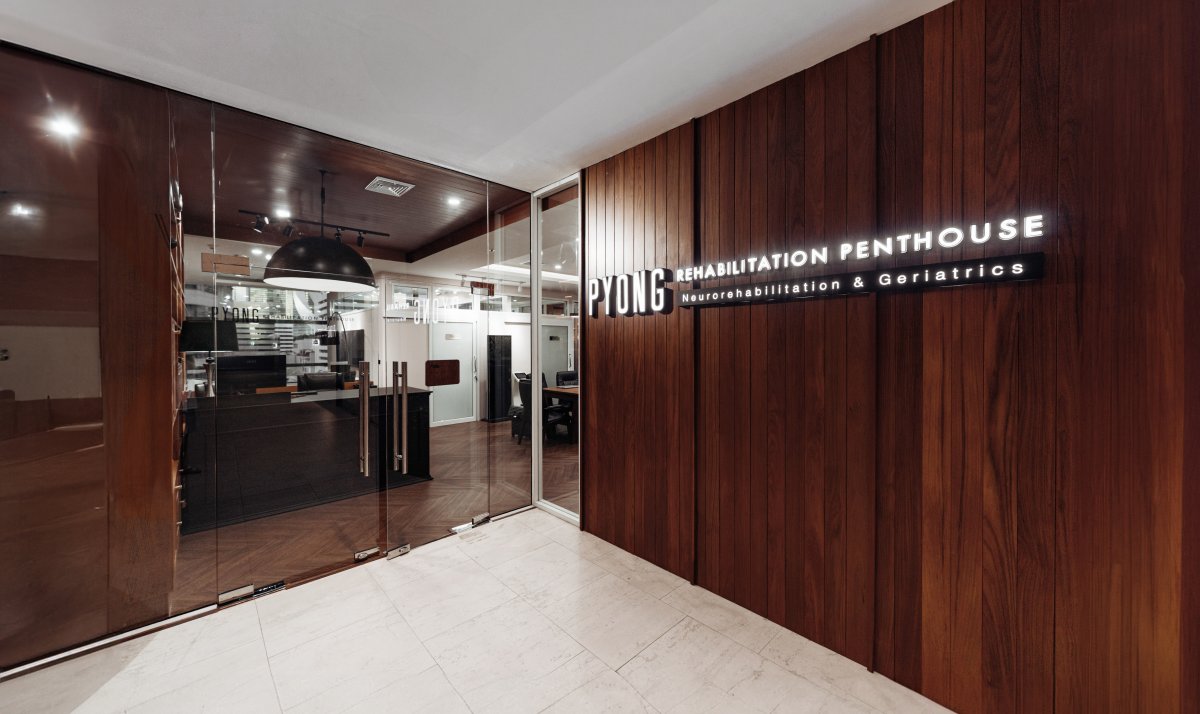
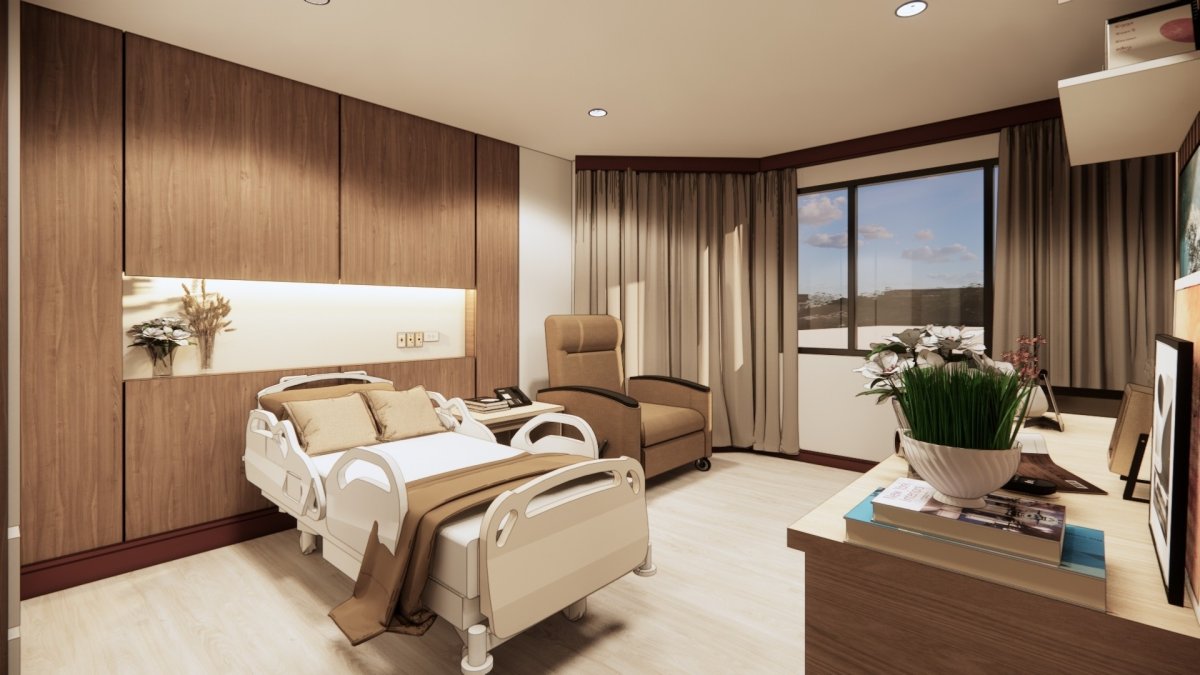
Perspectiva de los expertos de Bookimed: Los pacientes en etapa temprana que buscan mantenimiento cognitivo se benefician más de la neurorrehabilitación especializada. PYONG Rehabilitation ofrece programas de estimulación cerebral dirigidos a partir de unos $3,000 para terapia intensiva. Para aquellos interesados en medicina regenerativa, el Hospital Panacee Rama 2 ofrece protocolos de células madre con certificación GMP por aproximadamente $7,200. Los pacientes que requieren un manejo complejo deben priorizar instalaciones acreditadas por la JCI, como el Bumrungrad International Hospital, para obtener experiencia multidisciplinaria. La supervisión profesional de neurólogos certificados garantiza que estas terapias avanzadas cumplan con los estándares internacionales de seguridad.
| Tailandia | España | Turquía | |
|---|---|---|---|
| Tratamiento con células madre para Alzheimer | de $11,700 / 432,900฿ | ≈ $20,000 / 740,000฿ | ≈ $6,500 / 240,500฿ |
Descubra las mejores clínicas de tratamiento de Enfermedad de alzheimer en Tailandia: 7 opciones verificadas y Precios



MALI CARE








Obtenga una evaluación médica de tratamiento de Enfermedad de alzheimer en Tailandia: haga una consulta con 8 médicos experimentados ahora
Ver todos los médicos
Chollawat Thongthaisin
Especializado en Medicina Regenerativa con formación del American Board of Regenerative Medicine. El Dr. Thongthaisin aporta un enfoque único al cuidado del Alzheimer en la Clínica Vega.
- Licenciatura en Medicina por la Universidad Siam
- Formación especializada en radiología en el Hospital Thammasat
- Actualmente médico principal en Vega Stem Cell
- Trabaja en el Hospital Jomtien, el grupo hospitalario privado más grande de Tailandia
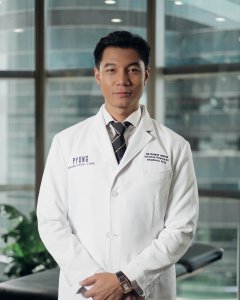
Kantaphong Thongrong
El Dr. PYONG se especializa en neurorrehabilitación y atención geriátrica, integrando robótica avanzada y tecnologías no invasivas para obtener mejores resultados.
- Certificado en Medicina de Rehabilitación con enfoque en neurorrehabilitación
- CEO y fundador de PYONG Rehabilitation Group, especializado en enfermedades crónicas
- Experto en entrenamiento de la marcha con exoesqueletos portátiles para la recuperación neurológica
- Instructor en el Instituto King Mongkut, enseñando medicina geriátrica y de rehabilitación
Gerald Raphael Tur
Doctor en Osteopatía con formación especializada en enfoques no tradicionales y holísticos para el manejo de la enfermedad de Alzheimer en la Clínica Vega.
- Certificado en enfoques de Medicina Tradicional China para afecciones neurológicas
- Miembro de la Asociación Internacional de Osteopatía (IOA)
- Formado en técnicas quiroprácticas de Gonstead para el apoyo del sistema nervioso
- Representante oficial de clínicas de dolor crónico por osteoporosis en Tailandia
Somjet Tosamran
El Dr. Tosamran se especializa en neurología con una subespecialización (fellowship) en epilepsia en el King Chulalongkorn Memorial Hospital.
- Completó su residencia en neurología en el King Chulalongkorn Memorial Hospital
- Posee una maestría en medicina interna de la Universidad de Chulalongkorn
- Neurólogo certificado con enfoque en trastornos neurológicos
Artículos relacionados

Compartir contenido
Historias en video de pacientes de Bookimed
 Olena Sikoza
Preguntas frecuentes sobre el tratamiento de Enfermedad de alzheimer en Tailandia
¿Qué tratamientos médicos avanzados están disponibles para el Alzheimer en Tailandia?
Tailandia ofrece atención avanzada para el Alzheimer mediante infusiones de anticuerpos modificadores de la enfermedad y terapias regenerativas con células madre. Centros especializados en Bangkok utilizan células madre mesenquimales y tecnologías de neurorrehabilitación. Estos tratamientos se centran en reducir la inflamación cerebral, eliminar las placas amiloides y mejorar la función cognitiva mediante estimulación no invasiva.
- Terapia con células madre: Los protocolos utilizan 50 millones de células mesenquimales con agentes neuroprotectores.
- Infusiones de anticuerpos: El Lecanemab se dirige a las placas amiloides para ralentizar la progresión de la enfermedad en etapas tempranas.
- Estimulación cerebral: Clínicas especializadas ofrecen terapias de estimulación magnética transcraneal y de pulso.
- Neurorrehabilitación: Los programas utilizan entrenamiento robótico de la marcha y tecnologías informáticas de mejora cognitiva.
- Diagnóstico avanzado: Los centros realizan tomografías por emisión de positrones (PET) con Pittsburgh Compound B para la detección de amiloide.
Perspectiva del experto de Bookimed: Los datos muestran un cambio único hacia la atención integrativa donde la medicina regenerativa y la neurología tradicional se superponen. En EDNA Wellness, los protocolos combinan 50 millones de células madre con
¿Cómo se diagnostica la enfermedad de Alzheimer en los principales hospitales tailandeses?
Los principales hospitales tailandeses diagnostican la enfermedad de Alzheimer mediante evaluaciones clínicas integradas e imágenes moleculares avanzadas. Centros como el Hospital Internacional Bumrungrad y el Hospital Siriraj utilizan tomografías por emisión de positrones (PET) y resonancias magnéticas (MRI) para detectar proteínas beta-amiloides. Algunos centros también emplean análisis de líquido cefalorraquídeo y biomarcadores plasmáticos para una detección temprana precisa.
- Cribado clínico: Los especialistas utilizan pruebas estandarizadas como el MoCA-Thai para evaluar la función cognitiva.
- Imágenes avanzadas: Las tomografías PET con PiB detectan proteínas amiloide-beta y tau en el tejido cerebral.
- Perfil genético: Las clínicas ofrecen pruebas de genotipo APOE para evaluar los factores de riesgo hereditarios de demencia.
- Pruebas de biomarcadores: Las punciones lumbares detectan proteínas específicas en el líquido cefalorraquídeo en centros oncológicos especializados.
Perspectiva del experto de Bookimed: Tailandia se está convirtiendo rápidamente en un centro de diagnóstico integrativo al combinar la neurología tradicional con la medicina regenerativa. Los datos muestran que clínicas como el Hospital Panacee integran pruebas de ADN avanzadas con el monitoreo del rejuvenecimiento celular. Esto permite a los especialistas predecir te
¿Por qué Chiang Mai es considerada un centro para el cuidado de la demencia?
Chiang Mai es un centro de cuidado de la demencia debido a sus altas proporciones de cuidadores y el respeto cultural por las personas mayores. Las instalaciones a menudo brindan apoyo personal 1:1 o 2:1. Este entorno combina la atención especializada de la memoria con costos mensuales asequibles en comparación con los países occidentales. La mayoría de los centros priorizan una vida no clínica, estilo resort.
- Proporciones de cuidadores: Los centros a menudo ofrecen acompañantes dedicados 1:1 para apoyo personalizado las 24 horas.
- Valores culturales: Las tradiciones tailandesas priorizan la bondad y el profundo respeto por los residentes mayores.
- Ahorro de costos: El cuidado mensual oscila entre $2,000 y $4,000, ahorrando aproximadamente un 60–80% en comparación con EE. UU.
- Entorno: Instalaciones como Vivobene Village enfatizan la terapia sensorial y la participación diaria en jardines.
Perspectiva de expertos de Bookimed: Los datos clínicos muestran una tendencia creciente a combinar la atención tradicional de la memoria con la neurorrehabilitación avanzada. Por ejemplo, el Dr. Kantaphong Thongrong en PYONG Rehabilitation utiliza entrenamiento robótico de la marcha y estimulación cerebral. Estos programas cuestan alrededor de $3,000 y ofrecen una precisión técnica de la que carecen muchos hogares de ancianos estándar. Los pacientes deb
¿Qué servicios se ofrecen en los centros de atención tailandeses adaptados a pacientes internacionales?
Las instalaciones tailandesas ofrecen centros internacionales que proporcionan coordinación multilingüe, asistencia con visas médicas y atención especializada para el Alzheimer. Los pacientes acceden a enfermería 1 a 1, terapia celular certificada por GMP y neurorrehabilitación. Centros líderes como el Bumrungrad International Hospital atienden a más de 500.000 pacientes extranjeros al año con logística dedicada y apoyo cultural.
- Coordinación médica: Oficinas especializadas gestionan la revisión del historial médico y la programación antes de la llegada.
- Apoyo lingüístico: La interpretación gratuita simplifica la comunicación entre pacientes y neurólogos durante las consultas.
- Asistencia logística: Los centros proporcionan traslados del aeropuerto a la clínica y ayudan con las extensiones de visas de jubilación.
- Tratamientos integrados: Los programas combinan estimulación cerebral, robótica y terapia con células madre mesenquimales.
Opinión de expertos de Bookimed: Instalaciones tailandesas como el Hospital Panacee Rama 2 y el Grupo de Rehabilitación PYONG cierran la brecha entre la atención clínica y el bienestar de lujo. Mientras que los grandes centros se centran en el diagnóstico, las clínicas especializadas más pequeñas ofrecen entornos privados con mejores ratios de paciente por personal. Por ejemplo, PYONG atiende solo a 300 paci