Gastrocele en Alemania: las 10 mejores clínicas para su tratamiento


Revisado médicamente por
Fahad Mawlood
Cómo funciona
¿Cuál es el precio del diagnóstico y los tratamientos de Gastrocele en Alemania? Descubra ahora
El costo total del tratamiento de gastrocele en Alemania varía según los procedimientos y diagnósticos específicos requeridos. Los diagnósticos iniciales, que incluyen gastroscopia, colonoscopia y elastografía hepática, varían de 3.000 € a 6.800 €. Los costos del tratamiento son aproximadamente 3.800 €. Para una atención más completa, un paquete de tratamiento puede variar de 21.200 € a 25.500 €. Cada plan de tratamiento se adapta tras una evaluación diagnóstica detallada y consulta.
Descubra las mejores clínicas de tratamiento de Gastrocele en Alemania: 10 opciones verificadas y Precios

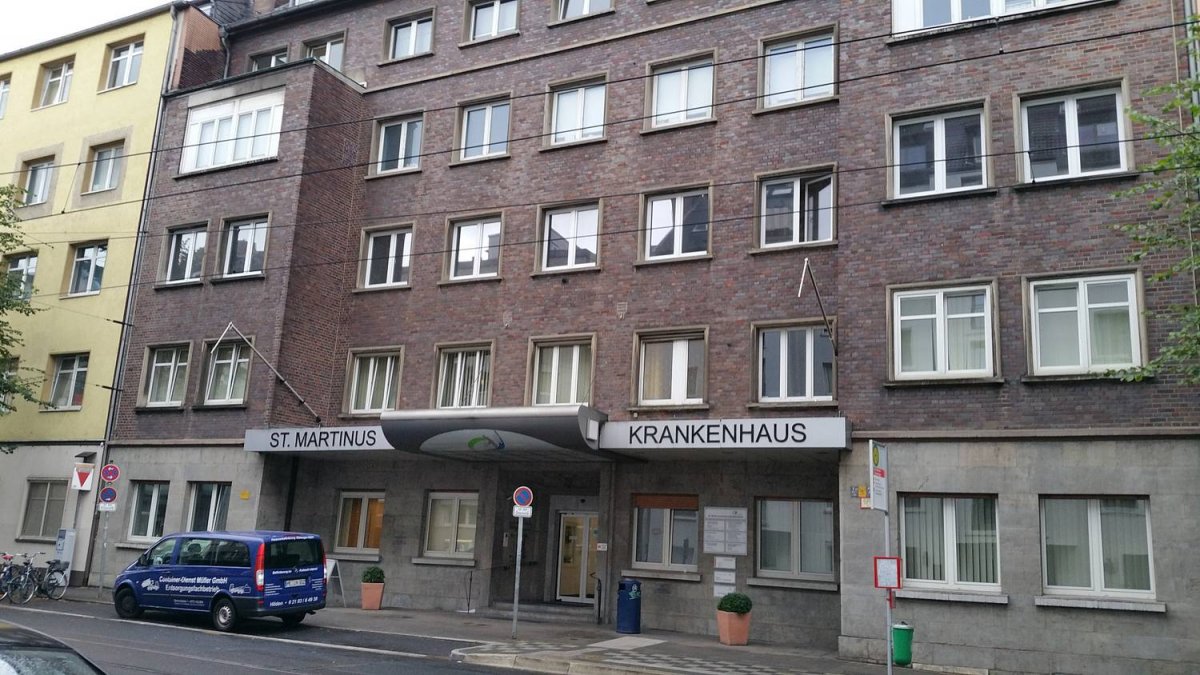
St. Martinus-Krankenhaus Düsseldorf






Lippe Detmold Clinic


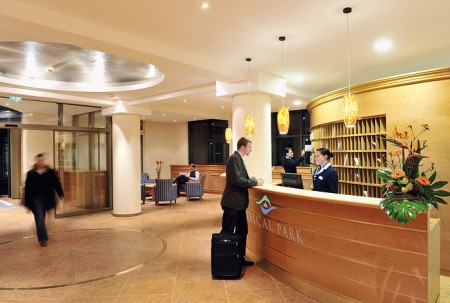
Medical Park AG
Obtenga una evaluación médica para Gastrocele en Alemania: consulte con doctores experimentados ahora
Ver todos los médicos
Peter Schenker
El profesor Schenker es cirujano jefe del Departamento de Cirugía del Hospital Académico de Solingen, especializado en el tratamiento mínimamente invasivo del gastrocele.
- Más de _doctor_6594_años_ de experiencia en cirugía visceral y oncológica
- Coordinador del Centro de Cáncer de Páncreas (Oncocert) desde 2010
- Pionero en métodos quirúrgicos modernos y técnicas de recuperación postoperatoria
- Miembro de la Asociación Médica Alemana

Viktor Alexander Krol
El Dr. Krol dirige tanto el departamento de Gastroenterología como el Centro de Tratamiento de la Obesidad en el St. Martinus-Krankenhaus, combinando su experiencia en medicina interna con enfoques quirúrgicos especializados.
- Director de un Centro de Tratamiento de la Obesidad certificado con altas tasas de éxito
- Utiliza técnicas endoscópicas y bariátricas avanzadas para la obesidad
- Proporciona diagnósticos integrales para afecciones gastrointestinales, hepáticas, pancreáticas y de la vesícula biliar
- 26 años en gastroenterología y medicina interna

Siegbert Rossol
Con 36 años de experiencia enfocada, el Dr. Rossol es un gastroenterólogo altamente experimentado en la Clínica Nordwest, especializado en procedimientos intervencionistas.
- Ha realizado más de 1.100 procedimientos gastroenterológicos
- Experto en técnicas de resección endoscópica (EMR/ESD) para el cáncer intestinal
- Miembro del Consejo Europeo de Gastroenterología y de múltiples sociedades especializadas
- Posee una maestría en Gestión de la Salud de Heidelberg
- Ha publicado extensamente en revistas médicas nacionales e internacionales

Rainer Porschen
Clasificado entre los 100 mejores médicos de Alemania para lesiones gastrointestinales por la revista Focus. El Prof. Porschen ayuda a desarrollar las directrices nacionales para el tratamiento del cáncer de esófago.
- Especializado en tumores del tracto gastrointestinal
- Director de Medicina Interna en la Clínica Bremen-Ost desde el año 2000
- Galardonado con el Premio Clínico de Gastroenterología en 1989
- Beca en el MD Anderson Cancer Institute en EE. UU.
Compartir contenido
Historias en video de pacientes de Bookimed
 Olena Sikoza
Preguntas frecuentes sobre el tratamiento de Gastrocele en Alemania
¿Qué es un gastrocele y cómo se trata en Alemania?
Un gastrocele es una hernia gástrica donde el tejido estomacal sobresale a través de un defecto muscular. En Alemania, los especialistas utilizan cirugía laparoscópica mínimamente invasiva para reparar estos defectos. Se centran en métodos de preservación de órganos utilizando mallas biocompatibles para el refuerzo en instalaciones acreditadas por la JCI en Düsseldorf y Frankfurt.
- Precisión diagnóstica: Las clínicas utilizan gastroscopia de alta definición y tránsito baritado para mapear los límites de la hernia.
- Endoscopia avanzada: El Dr. Siegbert Rossol de la Clínica Nordwest se especializa en ecografía intervencionista compleja.
- Estándares quirúrgicos: La reparación laparoscópica es el método estándar para reducir la hernia de forma segura.
- Precisión robótica: Especialistas como el Dr. Peter Schenker introducen la cirugía robótica para mejorar la precisión del procedimiento.
Perspectiva de expertos de Bookimed: Clínicas alemanas como el St. Martinus-Krankenhaus de Düsseldorf y la Clínica Nordwest atienden a más de 60,000 pacientes al año. Los grandes volúmenes de pacientes se correlacionan con una alta especialización en cirugía visceral y problemas gástricos relacionados con la obesidad. Esta concentración de casos permite a los cirujanos mantener niveles superiores de habilidad en reparaciones delicadas que preservan el tejido.
¿Qué técnicas quirúrgicas avanzadas utilizan las clínicas alemanas para la reparación de gastrocele?
Las clínicas alemanas utilizan cirugía asistida por robot y técnicas laparoscópicas 3D para la reparación de gastrocele. Estos métodos priorizan el acceso mínimo para reducir el daño tisular. Los centros especializados utilizan imágenes de fluorescencia ICG y mallas sin tensión. Estas herramientas garantizan altas tasas de éxito y una recuperación más rápida durante reconstrucciones abdominales complejas.
- Plataformas robóticas: Los cirujanos utilizan Da Vinci Xi para una disección de tejido precisa y que preserva los nervios.
- Laparoscopia 3D: Las cámaras de alta definición proporcionan percepción de profundidad para asegurar la pared estomacal.
- Mallas biocompatibles: Los materiales ligeros y absorbibles refuerzan el diafragma mientras minimizan las sensaciones de cuerpo extraño.
- Imágenes ICG: La tecnología de infrarrojo cercano verifica la perfusión sanguínea en tiempo real para prevenir la necrosis tisular.
Perspectiva del experto de Bookimed: Los datos muestran que clínicas alemanas como el Centro Médico de Solingen y la Clínica Nordwest atienden a más de 60,000 pacientes al año. Aunque hay herramientas de alta tecnología disponibles, cirujanos destacados como el Dr. Peter Schenker enfatizan la certificación del centro especializado por encima de la reputación básica de la clínica. Los centros certificados más pequeños a menudo ofrece
¿Cómo confirman los médicos alemanes un diagnóstico de gastrocele?
Los médicos alemanes confirman un diagnóstico de gastrocele mediante gastroscopia e imágenes radiológicas avanzadas. Los centros de gastroenterología especializados en Fráncfort y Düsseldorf siguen protocolos estandarizados. Estas herramientas principales confirman visualmente el desplazamiento estructural y evalúan la función del esfínter mientras el paciente está bajo sedación.
- Gastroscopia: Los cirujanos utilizan endoscopios flexibles para comprobar si hay inflamación de la mucosa y desplazamiento estructural.
- Imágenes radiológicas: Las radiografías con deglución de bario mapean la posición del estómago durante los movimientos activos de deglución.
- Evaluación funcional: La manometría mide la presión muscular en el esófago inferior para evaluar la gravedad del reflujo.
- Análisis de laboratorio: Los especialistas realizan biopsias de tejido durante la endoscopia para descartar una malignidad gástrica subyacente.
Opinión de expertos de Bookimed: Los pacientes deben tener en cuenta que la profundidad del diagnóstico en Alemania a menudo depende de la especialización de la clínica. Si bien el Centro Médico de Solingen y la Clínica Nordwest atienden a más de 60.000 pacientes al año, una derivación a un Centro de Obesidad certificado como el St. Martinus-Krankenhaus de Düsseldorf puede proporcionar pruebas funcionales más matizadas. Esto se
¿Cuánto duran la estancia hospitalaria y el periodo de recuperación tras una cirugía de gastrocele en Alemania?
La cirugía de gastrocele en Alemania requiere normalmente una estancia hospitalaria de 3 a 7 días. La recuperación total suele llevar de 4 a 8 semanas. Los centros avanzados utilizan técnicas laparoscópicas y robóticas para acelerar la curación. Las clínicas alemanas suelen emplear protocolos de recuperación mejorada para asegurar que los pacientes caminen en un plazo de 24 horas.
- Estancia mínimamente invasiva: Los pacientes suelen permanecer en el hospital de 3 a 5 días.
- Estancia tras cirugía abierta: Las incisiones tradicionales pueden requerir vigilancia durante 5 a 10 días.
- Fase inicial de recuperación: Los pacientes suelen volver a trabajos de oficina ligeros en un plazo de 2 a 4 semanas.
- Curación completa de los tejidos: La cicatrización interna completa y las restricciones para levantar objetos pesados duran de 6 a 8 semanas.
- Actividad postoperatoria: Se recomienda caminar en el plazo de 1 día para promover una circulación saludable.
Perspectiva de expertos de Bookimed: Los centros médicos alemanes como el Centro Médico de Solingen y la Clínica Lippe Detmold atienden a más de 150.000 pacientes al año. Este alto volumen permite a los cirujanos perfeccionar protocolos de vía rápida. Los centros de gran capacidad suelen priorizar los sistemas de asistencia robótica para reducir el trauma. Elegir un hospital
¿El personal médico y las instalaciones alemanas atienden a pacientes de habla inglesa?
Los médicos y especialistas alemanes suelen hablar inglés con fluidez. La mayor parte de la formación médica y la investigación en Alemania se llevan a cabo en inglés. Aunque cirujanos como el Dr. Siegbert Rossol mantienen un alto nivel de competencia, el personal de enfermería y administrativo puede tener niveles de fluidez más bajos. Los grandes hospitales universitarios a menudo cuentan con departamentos dedicados a pacientes internacionales.
- Competencia médica: La mayoría de los médicos en los grandes centros hablan un inglés excelente.
- Accesibilidad lingüística: El personal administrativo y de enfermería suele comunicarse en alemán.
- Departamentos internacionales: Clínicas como Nordwest y Solingen gestionan la coordinación global.
- Centros regionales: Las instalaciones en Frankfurt, Berlín y Düsseldorf ofrecen un mayor apoyo en inglés.
Perspectiva del experto de Bookimed: Aunque los cirujanos alemanes a menudo poseen becas internacionales, la verdadera barrera lingüística existe en la documentación postoperatoria. Clínicas como la Clínica Nordwest (Krankenhaus) y el Centro Médico de Solingen atienden a más de 60.000 pacientes al año. Cuentan con la infraestructura para cerrar estas brechas. Descubrimos que los centros multiespecialidad con un alto volumen de pacientes tienen más probabilidades de proporcionar informes médicos traduci
¿Qué hospitales en Alemania tienen las calificaciones más altas en neurocirugía?
Alemania alberga algunos de los departamentos de neurocirugía más prestigiosos del mundo, liderados por la Charité – Universitätsmedizin Berlin y el Hospital Universitario de Heidelberg. Estos centros destacan en el tratamiento de tumores cerebrales complejos y enfermedades cerebrovasculares. Para maximizar la eficacia de sus procedimientos, utilizan tecnologías de vanguardia como la resonancia magnética intraoperatoria y la neuronavegación asistida por computadora.
- Charité Berlín: Realiza más de 5000 cirugías al año. La clínica está dirigida por el reconocido neurocirujano Dr. Peter Vaikoczy.
- Centro Médico Solingen: El Dr. Ralf Buhl ha realizado más de 4.000 cirugías, incluidas cirugías de columna mínimamente invasivas.
- Clínica Asklepios Nord: equipada con el único sistema de resonancia magnética intraoperatoria bilateral de Alemania para garantizar precisión quirúrgica en tiempo real durante la extirpación del tumor.
- Clínica Nordwest: reconocida por la revista Newsweek como un hospital líder por su innovación en tecnología de ultrasonido 3D.
Opinión experta de Bookimed: Los datos muestran que elegir centros con un alto volumen quirúrgico suele llevar a recomendaciones de tratamiento más conservadoras. En el Centro Médico Solingen, que atiende a más de 60.000 pacientes al año, los cirujanos suelen sugerir fisioterapia en lugar de cirugía
¿Cuáles son las tasas de éxito de los procedimientos neuroquirúrgicos complejos en Alemania?
En Alemania, los procedimientos neuroquirúrgicos de alta complejidad demuestran una seguridad excepcional. Las tasas de éxito en las fusiones espinales alcanzan el 99 %. La tasa de supervivencia en las resecciones de tumores cerebrales primarios es del 97 %. La independencia funcional es alta. Más del 82 % de los pacientes reciben el alta inmediatamente después del tratamiento. Los centros alemanes priorizan la preservación de la función neurológica mediante técnicas modernas de mapeo.
- Resección de tumores: los cirujanos logran una resección tumoral completa en el 87,2% de los casos de metástasis cerebrales.
- Éxito en el tratamiento de enfermedades vasculares: los hospitales alemanes informan de una tasa de supervivencia del 98,7% para aneurismas no rotos.
- Mejora del estado neurológico: casi el 43% de los pacientes experimentan una mejora de los parámetros funcionales después de resecciones complejas.
- Seguridad de las intervenciones quirúrgicas: En grandes centros quirúrgicos, las tasas de supervivencia de los pacientes después de la cirugía de columna son del 98-99%.
Opinión experta de Bookimed: Cirujanos experimentados como el Dr. Uwe Köhler, de la Clínica Asklepios Altona, realizan más de 2000 cirugías al año. Los datos muestran que estos especialistas mantienen tasas de éxito de hasta el 90 %, incluso en los tumores cerebrales más comp
¿Qué tecnologías avanzadas suelen estar disponibles en las clínicas neuroquirúrgicas alemanas?
Las clínicas neuroquirúrgicas alemanas incorporan regularmente instrumentos digitales de alta precisión y visualización en tiempo real a la práctica quirúrgica. Entre las tecnologías clave se encuentra la neuronavegación computarizada para cirugías de cerebro y médula espinal. Instituciones como la Clínica Asklepios Nord utilizan la resonancia magnética intraoperatoria para verificar la extirpación de tumores en tiempo real. Estos sistemas proporcionan a los cirujanos navegación GPS 3D.
- Neuronavegación: proporciona visualización 3D y seguimiento de instrumentos en tiempo real para lograr precisión quirúrgica hasta el nivel submilimétrico.
- Imágenes intraoperatorias: sistemas como iMRI y O-arm CT permiten la confirmación inmediata de una resección exitosa.
- Neuromonitorización: Monitorea las funciones motoras y sensoriales durante la cirugía para proteger el sistema nervioso.
- Diagnóstico de fluorescencia: se utiliza el colorante 5-ALA para resaltar los bordes del tumor para una eliminación más completa.
- Asistencia robótica: Sistemas como el Da Vinci mejoran la precisión en procedimientos complejos y mínimamente invasivos.
Opinión experta de Bookimed: Grandes centros como la Charité – Universitätsmedizin de Berlín realizan más de 4000 procedimientos neuroquirúrgicos al año, lo que crea un entorno rico en datos para p
¿Qué formación especializada reciben los neurocirujanos en ejercicio en Alemania?
En Alemania, los neurocirujanos deben completar una residencia especializada de seis años tras graduarse de la facultad de medicina. Este programa estructurado incluye cuidados intensivos, práctica clínica y una revista quirúrgica obligatoria. Posteriormente, los candidatos aprueban un examen estatal para obtener el título de residente (Facharzt für Neurochirurgie).
- Residencia clínica: requiere de 48 a 72 meses de práctica neuroquirúrgica especializada.
- Cuidados intensivos: incluye una pasantía obligatoria de 6 meses en una unidad de cuidados intensivos neuroquirúrgicos.
- Revista quirúrgica: los cirujanos documentan cientos de cirugías, incluidas craneotomías y cirugías de columna.
- Examen de licencia: Los solicitantes deben aprobar un examen médico oral y práctico administrado por el estado.
Opinión experta de Bookimed: La formación neuroquirúrgica alemana se centra en una amplia experiencia quirúrgica. Por ejemplo, el Dr. Ralf Buhl, del Centro Médico Solingen, ha realizado más de 4000 cirugías. El Dr. Jürgen Kiwit, del Hospital Meoklinik, cuenta con más de 25 años de experiencia. Este riguroso sistema garantiza que los especialistas de los principales centros aborden casos complejos con una precisión demostrada.
Comentarios de los pacientes: Los pacientes se sienten seguros al saber que sus médicos han recibido año
¿Qué requisitos de idioma y de licencia se exigen a los cirujanos extranjeros que deseen formarse u observar procedimientos neuroquirúrgicos en Alemania?
Los neurocirujanos extranjeros deben cumplir estrictos requisitos de idioma y licencia para realizar formación o prácticas en Alemania. La formación requiere una licencia médica válida o un permiso temporal. Los internos deben obtener la autorización de un hospital específico. Ambas opciones requieren un alto nivel de alemán para participar en debates clínicos y realizar procedimientos quirúrgicos complejos con seguridad.
- Conocimientos de idiomas: Para la formación clínica se requiere un nivel general de alemán B2 y un nivel de lenguaje médico C1 (Fachsprachprüfung).
- Licencia clínica: Los cirujanos necesitan un permiso para la práctica permanente (Approbation) o un permiso profesional (Berufserlaubnis) para prácticas supervisadas temporales.
- Estado de observación: La hospitalización permite la observación de procedimientos quirúrgicos sin responsabilidad médica ni licencia formal.
- Evaluación de la cualificación: Los graduados médicos no pertenecientes a la UE a menudo tienen que pasar por un proceso de validación del diploma en un plazo de 3 a 6 meses.
Opinión experta de Bookimed: Las clínicas alemanas con un alto volumen de pacientes, como Nordwest Clinic o Asklepios Nord, suelen priorizar a los candidatos que ya han pasado una evaluación preliminar de la documentación. Nuestros datos muestran que profesores como el Dr. Uwe Köhler y el D