Gastrocele en Lituania: clínicas verificadas para su tratamiento


Revisado médicamente por
Fahad Mawlood
¿Cuál es el precio del diagnóstico y los tratamientos de Gastrocele en Lituania? Descubra ahora
Sus beneficios y garantías con Bookimed
Precios directos
Bookimed no añade cargos extra a los precios de los tratamientos de Gastrocele. Las tarifas proceden de las listas de precios oficiales de las clínicas. Pagará directamente en la clínica por su tratamiento a su llegada al país.
Sólo clínicas y médicos verificados
Bookimed está comprometido con su seguridad. Solo trabajamos con las clínicas que mantienen altos estándares internacionales en el tratamiento de Gastrocele y cuentan con las licencias necesarias para atender a pacientes internacionales en todo el mundo.
Asistencia 24/7 gratuita
Bookimed ofrece asistencia experta gratuita. Un coordinador médico personal le apoya antes, durante y después de su tratamiento, resolviendo cualquier problema. Nunca estará solo en su viaje médico de tratamiento de Gastrocele.

Su coordinador médico personal de Bookimed
- Le apoya en cada etapa
- Ayuda a elegir la clínica y el médico adecuados
- Asegura un acceso rápido y conveniente a la información
Descubra las mejores clínicas de tratamiento de Gastrocele en Lituania: 2 opciones verificadas y Precios



Compartir contenido
Historias en video de pacientes de Bookimed
 Olena Sikoza
Preguntas frecuentes sobre el tratamiento de Gastrocele en Lituania
¿Qué es exactamente un gastrocele y cómo se diagnostica en Lituania?
Un gastrocele es una hernia de estómago donde la pared gástrica sobresale a través de un defecto en el tejido muscular circundante. En Lituania, los especialistas diagnostican esta afección siguiendo las directrices médicas de la Unión Europea utilizando técnicas avanzadas de imagen y endoscopia en centros acreditados internacionalmente en Vilna.
- Examen físico: Los cirujanos buscan bultos visibles que desaparecen cuando el paciente se acuesta.
- Endoscopia superior: La gastroscopia permite la visualización directa del revestimiento del estómago para confirmar cambios estructurales.
- Diagnóstico por imagen: La ecografía o las tomografías computarizadas proporcionan mapas estructurales para rastrear la trayectoria de la hernia.
- Centros clínicos: Las instalaciones privadas en Vilna cuentan con acreditaciones de JCI y Temos International Healthcare.
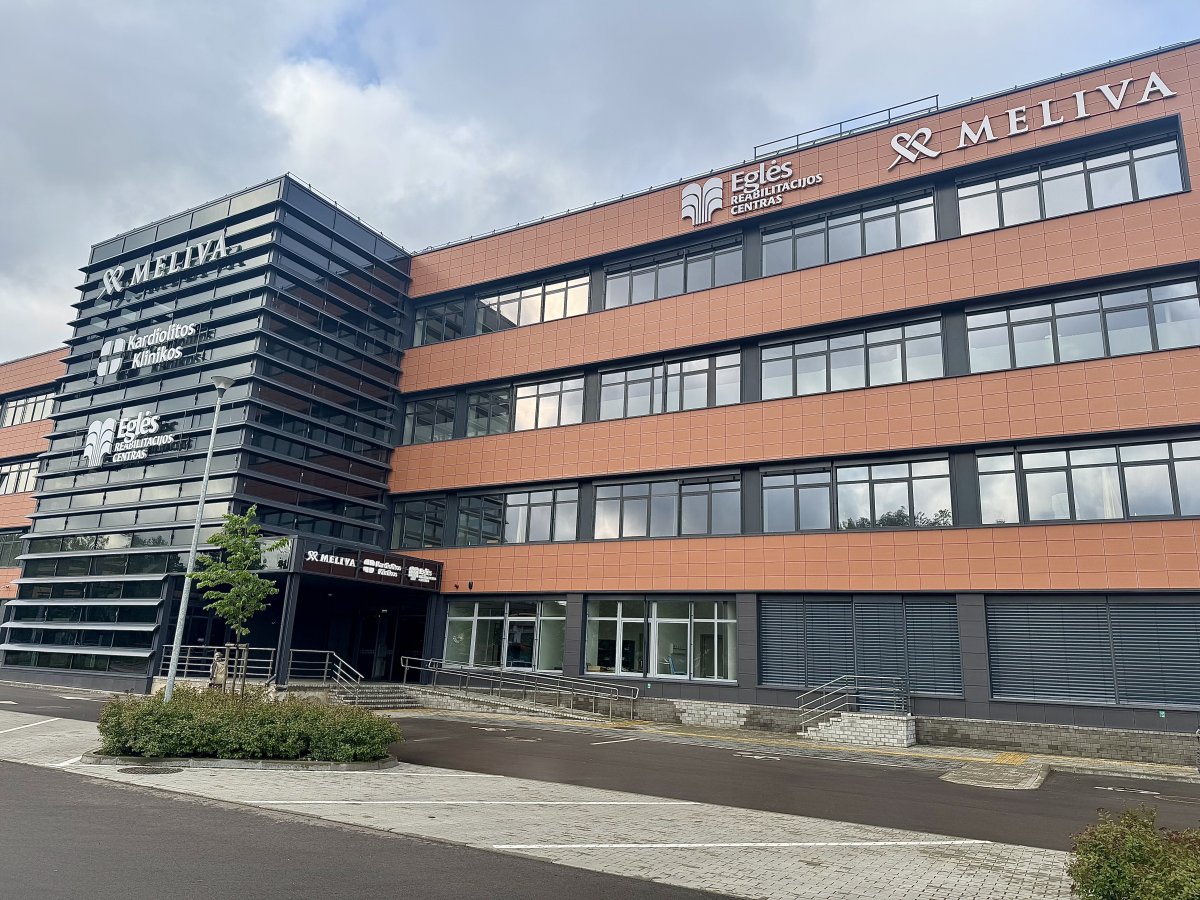
Perspectiva del experto de Bookimed: Los datos sobre el volumen de pacientes sugieren que Lituania es una opción estratégica para diagnósticos complejos. El Centro de Diagnóstico y Tratamiento Médico atiende a 60.000 pacientes al año con 53 departamentos especializados. Clínicas a gran escala como el Hospital Meliva Kardiolita gestionan 298.000 pacientes anuales. Este alto volumen en más de 33 departamentos garantiza que los especialistas tengan una profunda experiencia con protrusiones gastrointes
¿Qué síntomas indican que es necesario un tratamiento?
El tratamiento del gastrocele es necesario cuando una protuberancia se vuelve dolorosa, aumenta de tamaño o afecta las funciones diarias como comer y moverse. El tratamiento es necesario en casos que involucran problemas digestivos persistentes, náuseas o si la protuberancia no puede ser empujada fácilmente de regreso al abdomen.
- Cambios físicos: Una protuberancia que crece o se siente más firme requiere una evaluación médica.
- Impacto funcional: Busque tratamiento si el dolor limita levantar objetos, agacharse o las actividades laborales regulares.
- Síntomas digestivos: Las náuseas crónicas, los vómitos o la saciedad precoz junto con una protuberancia indican una necesidad quirúrgica.
- Signos urgentes: El dolor intenso repentino, la fiebre o la incapacidad para expulsar gases requieren atención inmediata.
Perspectiva del experto de Bookimed: Las clínicas en Vilna, como el Hospital Meliva Kardiolita y el Centro de Diagnóstico y Tratamiento Médico, utilizan estándares acreditados por la JCI para el diagnóstico. Los datos muestran que estos centros atienden a más de 300,000 pacientes al año, lo que sugiere una alta precisión diagnóstica para casos abdominales complejos. Los pacientes a menudo eligen Lituania porque las grandes instalaciones privadas ofrecen exámenes integrales que distinguen entre problemas menores y necesidades quirúrgicas
¿Cómo se trata un gastrocele en las clínicas lituanas?
Las clínicas lituanas tratan el gastrocele mediante cirugía laparoscópica mínimamente invasiva y protocolos de diagnóstico avanzados. Los especialistas priorizan la reducción de la hernia y la reparación crural para restaurar la anatomía normal. Instalaciones como el Meliva Kardiolita Hospital y el Medical Diagnostic and Treatment Center mantienen la acreditación de la Joint Commission International para la seguridad quirúrgica.
- Fase de diagnóstico: Los cirujanos utilizan exámenes endoscópicos bajo sedación y ecografías de alta resolución para la evaluación.
- Reparación quirúrgica: Las técnicas laparoscópicas reposicionan el estómago y estrechan la abertura diafragmática.
- Procedimiento de funduplicatura: Los cirujanos pueden envolver el fundus gástrico para tratar el reflujo ácido crónico.
- Protocolo de recuperación: Los pacientes suelen permanecer en el hospital de 24 a 48 horas.
- Gestión dietética: Dietistas clínicos especializados supervisan la transición de alimentos líquidos a sólidos.
Perspectiva de expertos de Bookimed: Los datos sobre el volumen de pacientes sugieren una señal de calidad basada en la experiencia en las clínicas de Vilna. El Meliva Kardiolita Hospital trata a 298.000 pacientes al año con un personal de 510 médicos. Los centros de gran volumen a menudo demuestran una mayor eficiencia en las
¿Existen opciones quirúrgicas mínimamente invasivas y cuáles son sus beneficios?
La cirugía mínimamente invasiva de gastrocele es estándar en Lituania. Los cirujanos utilizan incisiones de 0,5 a 1 pulgada en lugar de cortes grandes. Procedimientos como la reparación laparoscópica reducen la pérdida de sangre y las cicatrices. Las clínicas bálticas utilizan instalaciones acreditadas por la JCI para estas técnicas avanzadas. Los pacientes suelen volver a sus actividades en pocos días.
- Manejo del dolor: Las incisiones más pequeñas reducen el trauma en músculos y nervios.
- Velocidad de recuperación: Los pacientes suelen retomar las tareas diarias ligeras y el trabajo de oficina más rápidamente.
- Duración de la estancia hospitalaria: La mayoría de los procedimientos requieren solo una noche de estancia o atención ambulatoria.
- Herramientas de precisión: La laparoscopia y los sistemas robóticos utilizan aumento 3D para reparaciones complejas.
Perspectiva del experto de Bookimed: El volumen de pacientes ayuda a identificar centros de alta experiencia en Vilna. El Hospital Meliva Kardiolita trata a 298.000 pacientes al año. Para reconstrucciones complejas, busque clínicas con más de 30 departamentos especializados. Esta profundidad garantiza el acceso a equipos multidisciplinarios si existen comorbilidades. Un volumen masivo de pacientes generalmente se correlaciona con cirujanos que realizan cientos de reparaciones similares
¿Cuánto tiempo debe planear quedarse un paciente internacional en Lituania?
Los pacientes deben planear quedarse en Lituania de 7 a 14 días para una cirugía de gastrocele. Esta duración garantiza una recuperación segura antes de un viaje aéreo de larga distancia. Los cirujanos suelen exigir un período de observación obligatorio de 5 días después de la cirugía. Este período permite a los médicos controlar la recuperación inicial e identificar cualquier complicación temprana.
- Hora de llegada: Llegue al menos 1 día antes de la cirugía para las evaluaciones médicas preoperatorias obligatorias.
- Estancia hospitalaria: La mayoría de los procedimientos quirúrgicos importantes requieren al menos 1 noche de hospitalización.
- Margen de recuperación: Planifique de 10 a 14 días para procedimientos que involucren malla o reparación abdominal compleja.
- Autorización de viaje: Los cirujanos deben confirmar que no existe riesgo de trombosis antes de autorizar a los pacientes para volar.
Perspectiva de expertos de Bookimed: El Hospital Meliva Kardiolita y el Centro Médico de Diagnóstico y Tratamiento cuentan con la acreditación JCI. Este estándar compartido garantiza protocolos de seguridad consistentes en las clínicas de Vilna a pesar de los diferentes volúmenes de pacientes. Si bien Kardiolita trata a casi 300,000 pacientes al año, ambas instalaciones mantienen altos estándares internacionales para el monitoreo posoperatorio y l
¿Cómo puedo verificar la acreditación de la clínica y las credenciales del cirujano?
Verifique la seguridad de la clínica comprobando si cuenta con la acreditación de la Joint Commission International (JCI) o de Temos International Healthcare. Las credenciales del cirujano requieren una validación independiente a través de los registros médicos nacionales. Confirme siempre las licencias activas, las certificaciones de especialidad y los privilegios de admisión en hospitales establecidos para garantizar altos estándares de atención al paciente y éxito quirúrgico.
- Acreditación de la clínica: Busque la certificación JCI o Temos en las instalaciones de Vilna.
- Verificación del cirujano: Busque licencias activas en los registros oficiales de los consejos médicos nacionales.
- Privilegios hospitalarios: Confirme que los cirujanos puedan admitir pacientes en los principales hospitales locales.
- Enfoque de especialidad: Asegúrese de que el médico se especialice en gastrocele o reparaciones de la pared abdominal.
Perspectiva del experto de Bookimed: Aunque las clínicas de una sola especialidad son comunes, las principales instalaciones lituanas como el Hospital Meliva Kardiolita atienden a más de 298.000 pacientes al año. Un alto volumen de pacientes suele ser señal de una infraestructura sólida y equipos quirúrgicos con mayor experiencia. Los grandes centros suelen mantener múltiples departamentos, lo que garantiza el acceso inmedi