Gastrocele en Corea del Sur: las 8 mejores clínicas para su tratamiento


Revisado médicamente por
Fahad Mawlood
¿Cuál es el precio del diagnóstico y los tratamientos de Gastrocele en Corea del Sur? Descubra ahora
Sus beneficios y garantías con Bookimed
Precios directos
Bookimed no añade cargos extra a los precios de los tratamientos de Gastrocele. Las tarifas proceden de las listas de precios oficiales de las clínicas. Pagará directamente en la clínica por su tratamiento a su llegada al país.
Sólo clínicas y médicos verificados
Bookimed está comprometido con su seguridad. Solo trabajamos con las clínicas que mantienen altos estándares internacionales en el tratamiento de Gastrocele y cuentan con las licencias necesarias para atender a pacientes internacionales en todo el mundo.
Asistencia 24/7 gratuita
Bookimed ofrece asistencia experta gratuita. Un coordinador médico personal le apoya antes, durante y después de su tratamiento, resolviendo cualquier problema. Nunca estará solo en su viaje médico de tratamiento de Gastrocele.

Su coordinador médico personal de Bookimed
- Le apoya en cada etapa
- Ayuda a elegir la clínica y el médico adecuados
- Asegura un acceso rápido y conveniente a la información
Descubra las mejores clínicas de tratamiento de Gastrocele en Corea del Sur: 8 opciones verificadas y Precios













Obtenga una evaluación médica para Gastrocele en Corea del Sur: consulte con doctores experimentados ahora
Ver todos los médicos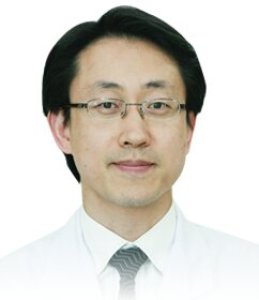
Cheon Wonseok
El Dr. Cheon Wonseok es Jefe de Gastroenterología en el Hospital Na-Eun. Trata trastornos gastrointestinales. Realiza endoscopia digestiva alta, colonoscopia, polipectomía y disección endoscópica submucosa (ESD). Maneja el cáncer gástrico y esofágico y la infección por Helicobacter pylori. También trata enfermedades hepáticas y enfermedad inflamatoria intestinal, incluidas la enfermedad de Crohn y la colitis ulcerosa. Ofrece endoscopia por cápsula del intestino delgado.
Acreditaciones:
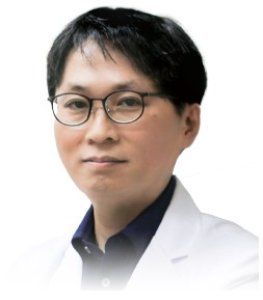
Kim Taegyun
El Dr. Kim Taegyun es gastroenterólogo. Se centra en enfermedades y cánceres pancreatobiliares, entre ellos pancreatitis, quistes y cáncer de páncreas, colecistitis, cálculos biliares (colelitiasis) y cáncer de las vías biliares. También realiza endoscopia avanzada, incluida la CPRE (ERCP). Trata tumores gastrointestinales, pólipos de estómago y colon, cáncer gástrico y tumores submucosos (SMT).
Educación y formación: MD, Facultad de Medicina de la Universidad Nacional de Jeonbuk. Maes
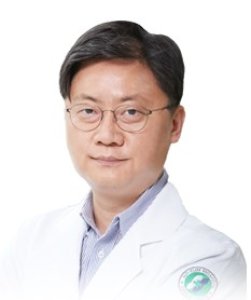
Pak Seongjin
El Dr. Pak Seongjin es gastroenterólogo. Se centra en la endoscopia y en procedimientos avanzados como gastroscopia, colonoscopia, polipectomía y ESD. También trata enfermedades digestivas y hepáticas, incluidas la cirrosis, la pancreatitis, la hepatitis y la infección por Helicobacter pylori.
Obtuvo los títulos de MD y MS en Medicina Interna en la Universidad Chung-Ang. Completó su residencia en medicina interna y la subespecialidad en gastroenterología en el Hospital de la Universida
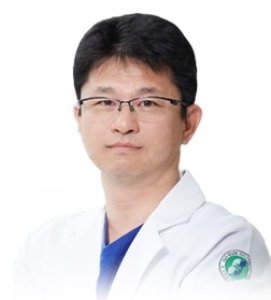
Song Hwayeong
Dr. Song Hwayeong es especialista en gastroenterología. Sus áreas de enfoque incluyen los cánceres gastrointestinales (de estómago y de esófago) y la endoscopia avanzada (gastroscopia, colonoscopia, disección endoscópica submucosa [DES] y polipectomía). También trata enfermedades digestivas y hepáticas, como la ERGE, la gastritis, la hepatitis, la infección por H. pylori y la enfermedad hepática.
Completó la formación de subespecialización en gastroenterología en el Hospital Ilsan Paik
Compartir contenido
Historias en video de pacientes de Bookimed
 Olena Sikoza
Preguntas frecuentes sobre el tratamiento de Gastrocele en Corea del Sur
¿Cuáles son los principales métodos de tratamiento para las afecciones gástricas en Corea?
Los métodos de tratamiento primario para las afecciones gástricas en Corea priorizan las técnicas endoscópicas avanzadas y la cirugía mínimamente invasiva para problemas estructurales. Los centros líderes enfatizan la detección temprana mediante gastroscopia de alta definición. Estas instalaciones a menudo combinan diagnósticos de precisión con manejo farmacéutico utilizando fexuprazan o rebamipida para la gastritis.
- Intervención endoscópica: Los cirujanos realizan disección submucosa endoscópica (ESD) y polipectomía para tratar cánceres en etapa temprana.
- Técnicas quirúrgicas: Los hospitales se especializan en la funduplicatura de Nissen laparoscópica para el reflujo y la disección de ganglios linfáticos D2.
- Diagnósticos avanzados: Las instalaciones utilizan endoscopia por cápsula del intestino delgado y ultrasonido endoscópico para una evaluación precisa del gastrocele.
- Atención farmacéutica: Los especialistas a menudo recetan inhibidores de la bomba de protones (IBP) como herramienta diagnóstica y terapéutica primaria.
Perspectiva del experto de Bookimed: La atención gástrica en Corea se define por volúmenes masivos de pacientes que impulsan la precisión quirúrgica. Por ejemplo, el Centro Médico Asan realiza más de 65,500 operaciones al año, mientras que el Hospital Severance gestiona 1.6 millones de pacientes ambulatorios. Esta conc
¿Está disponible el tratamiento endoscópico para lesiones gástricas en etapa temprana?
El tratamiento endoscópico es una opción estándar para lesiones gástricas tempranas en Corea del Sur. Los especialistas utilizan la disección submucosa endoscópica (ESD) y la resección mucosa endoscópica (EMR) para tratar lesiones limitadas a la mucosa. Estos procedimientos preservan el estómago y aseguran altas tasas de supervivencia para casos en etapas tempranas.
- Técnicas disponibles: La disección submucosa endoscópica (ESD) avanzada permite la extirpación de tumores gástricos grandes y planos.
- Elegibilidad para el tratamiento: Adecuado para lesiones pequeñas y superficiales sin alto riesgo de propagación a los ganglios linfáticos.
- Beneficios clínicos: Los pacientes experimentan una recuperación más rápida y menos dolor en comparación con la cirugía abdominal convencional.
- Certificaciones de expertos: Los procedimientos son realizados por gastroenterólogos certificados con certificaciones de subespecialidad en endoscopia.
Perspectiva del experto de Bookimed: Corea del Sur mantiene una alta concentración de instalaciones acreditadas por la JCI especializadas en ESD. El Hospital Bundang de la Universidad Nacional de Seúl por sí solo atiende a 1,500,000 pacientes anualmente. Este volumen masivo permite a especialistas coreanos como el Dr. Cheon Won Seok mantener una precisión excepcional en la resección del cáncer gástrico temprano.
¿Cuál es el enfoque para el tratamiento de Helicobacter pylori en Corea?
Corea del Sur prioriza la erradicación de Helicobacter pylori utilizando terapia cuádruple basada en bismuto y tratamientos personalizados guiados por PCR para abordar la alta resistencia a los antibióticos. Los protocolos modernos utilizan regímenes de 10 a 14 días y bloqueadores de ácido competitivos con potasio (P-CAB). Estas estrategias avanzadas mejoran significativamente las tasas de éxito en comparación con las terapias triples tradicionales de 7 días.
- Protocolo estándar: La terapia cuádruple generalmente incluye bismuto, inhibidores de la bomba de protones, metronidazol y tetraciclina.
- Diagnóstico personalizado: Los médicos utilizan pruebas de PCR para detectar la resistencia a la claritromicina antes de seleccionar los antibióticos.
- Prevención del cáncer gástrico: El tratamiento se receta de manera agresiva para la gastritis con el fin de reducir los riesgos de malignidad a largo plazo.
- Supervisión de expertos: Especialistas como el Dr. Cheon Won Seok en el Hospital Na-Eun gestionan casos complejos.
Perspectiva del experto de Bookimed: Mientras que muchos países todavía usan la terapia triple básica, los hospitales coreanos como el Hospital Bundang de la Universidad Nacional de Seúl aprovechan su estatus como líderes digitales para integrar los resultados de PCR directamente en el sistema BESTcare. Esto garantiza que el 1,5 mil
¿Qué ventajas ofrece Corea para el tratamiento gastrointestinal?
Corea del Sur ofrece una experiencia médica de alta densidad para la atención gastrointestinal. Los pacientes acceden a diagnósticos avanzados como la gastroscopia y la cirugía mínimamente invasiva en hospitales acreditados por la JCI. Centros especializados en Seúl utilizan imágenes impulsadas por IA y sistemas digitales para pacientes. Estas tecnologías garantizan precisión en el tratamiento de afecciones abdominales y estomacales complejas.
- Experiencia especializada: Los cirujanos a menudo gestionan grandes volúmenes, como las más de 65 000 operaciones anuales en el Asan Medical Center.
- Diagnóstico rápido: Los hospitales agilizan los flujos de trabajo desde la consulta inicial hasta las pruebas de imagen avanzadas y endoscópicas.
- Reconocimiento global: Instalaciones de primer nivel como el Severance Hospital aparecen constantemente en las listas de los mejores hospitales del mundo de Newsweek.
- Credenciales avanzadas: Especialistas como la Dra. Ye Jin Lee poseen certificaciones en endoscopia gastrointestinal.
Opinión del experto de Bookimed: Si bien muchos países ofrecen cirugía general, Corea del Sur alberga centros académicos masivos como el Hospital de la Universidad Nacional de Seúl, con más de 1 300 camas. Esta escala permite una ultraespecialización. Un solo médico, como el Dr. Cheon Won Seok, puede centrarse exclusivamente en l
¿Tendré barreras lingüísticas durante mi tratamiento en Corea?
Los grandes hospitales de Corea del Sur minimizan las barreras lingüísticas empleando coordinadores internacionales dedicados y personal médico de habla inglesa. Los centros acreditados por la JCI en Seúl facilitan una comunicación fluida para el tratamiento del gastrocele. Los pacientes suelen interactuar con gastroenterólogos certificados que a menudo poseen credenciales internacionales o becas de instituciones de EE. UU.
- Departamentos internacionales: Clínicas como el Severance Hospital mantienen centros especializados para pacientes extranjeros.
- Experiencia médica: Especialistas como el Dr. Jin Yong Kim poseen títulos de Johns Hopkins.
- Soporte digital: SNUBH utiliza sistemas digitales para reducir errores y mejorar la comunicación.
- Servicios de interpretación: Los centros con sede en Seúl proporcionan frecuentemente coordinadores para pacientes de Europa, EAU y EE. UU.
Perspectiva de expertos de Bookimed: El soporte lingüístico en centros de primer nivel como el Asan Medical Center está estructurado en torno a un alto volumen de pacientes. Estas instituciones atienden a más de 10.000 pacientes ambulatorios al día. Esta escala les permite emplear equipos de traducción permanentes para diversos idiomas. Las clínicas más pequeñas en ciudades como Cheonan pueden especializarse de forma diferente. RE:YOUTH se centra en la atención VIP pa