Halyus valgo Tratamiento en Grecia — Costos 2026


Revisado médicamente por
Fahad Mawlood
¿Cuál es el precio del diagnóstico y los tratamientos de Halyus valgo en Grecia? Descubra ahora
| España | Turquía | |
|---|---|---|
| Hallux Valgus Lapiplastía 3D | de $6,800 | de $6,500 |
| Hallux Valgus - Lapiplastía 3D | de $6,800 | de $10,000 |
| Fisioterapia | de $120 | de $150 |
| Cirugía de hallux valgus | de $6,600 | de $2,300 |
Sus beneficios y garantías con Bookimed
Precios directos
Bookimed no añade cargos extra a los precios de los tratamientos de Halyus valgo. Las tarifas proceden de las listas de precios oficiales de las clínicas. Pagará directamente en la clínica por su tratamiento a su llegada al país.
Sólo clínicas y médicos verificados
Bookimed está comprometido con su seguridad. Solo trabajamos con las clínicas que mantienen altos estándares internacionales en el tratamiento de Halyus valgo y cuentan con las licencias necesarias para atender a pacientes internacionales en todo el mundo.
Asistencia 24/7 gratuita
Bookimed ofrece asistencia experta gratuita. Un coordinador médico personal le apoya antes, durante y después de su tratamiento, resolviendo cualquier problema. Nunca estará solo en su viaje médico de tratamiento de Halyus valgo.

Su coordinador médico personal de Bookimed
- Le apoya en cada etapa
- Ayuda a elegir la clínica y el médico adecuados
- Asegura un acceso rápido y conveniente a la información
Descubra las mejores clínicas de tratamiento de Halyus valgo en Grecia: 2 opciones verificadas y Precios


Orthorehab Center
Obtenga una evaluación médica para Halyus valgo en Grecia: consulte con doctores experimentados ahora
Ver todos los médicos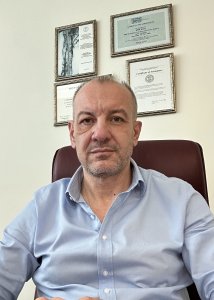
Andreas Papadopoulos
El médico es un cirujano ortopédico y traumatólogo altamente cualificado con más de 21 años de experiencia clínica y más de 6.000 procedimientos exitosos. Especializado en artroplastia de rodilla asistida por robot, artroscopia avanzada y medicina deportiva, el médico utiliza sistemas de vanguardia como CORI y ROSA para garantizar la precisión. Su experiencia clínica abarca la reconstrucción de hombro, el manejo de fracturas complejas, el cuidado de la columna vertebral y la medicina regenera

Compartir contenido
Historias en video de pacientes de Bookimed
 Olena Sikoza
Preguntas frecuentes sobre el tratamiento de Halyus valgo en Grecia
¿Cuáles son las principales técnicas quirúrgicas utilizadas para la corrección del Hallux Valgus severo en Grecia?
Los especialistas ortopédicos griegos corrigen el Hallux Valgus severo mediante la realineación estructural y la estabilización del ángulo intermetatarsiano. Los cirujanos suelen emplear el procedimiento de Lapidus para la laxitud ligamentosa u osteotomías proximales para ángulos amplios. Estas técnicas se centran en una corrección triplanar permanente para prevenir la recurrencia.
- Procedimiento de Lapidus: Fusiona la articulación tarsometatarsiana para proporcionar una base estructural estable y permanente.
- Osteotomías proximales: Los cortes en cuña o en chevron en la base del hueso reducen los ángulos intermetatarsianos elevados.
- Técnica Scarf: Los cortes largos en forma de Z a lo largo de la diáfisis metatarsiana permiten el desplazamiento lateral del hueso.
- Cirugía percutánea guiada: Microfresas y tornillos mínimamente invasivos corrigen las deformidades a través de incisiones de 1 cm.
Perspectiva de expertos de Bookimed: Los centros griegos como el Interbalkan European Medical Center combinan una gran experiencia con estándares internacionales a través de asociaciones con instituciones como el Massachusetts General Hospital. Para deformidades severas, priorice las clínicas con la Acreditación Global de Atención Médica (GHA). Esto garantiza que el centro maneje específicamente casos quirúrgicos internacionales complejos con protocol
¿Es común la cirugía mínimamente invasiva de juanetes en Grecia y cuáles son sus ventajas?
La cirugía mínimamente invasiva de juanetes es muy común y está ampliamente disponible en los centros ortopédicos griegos. Clínicas especializadas en Atenas y Tesalónica utilizan incisiones de 2-3 mm. Estas técnicas permiten la carga de peso inmediata. Los pacientes a menudo regresan al calzado habitual en un plazo de 3 a 6 semanas. Los centros griegos reportan tasas de éxito de entre el 87% y el 94%.
- Tamaño de la incisión: Los cirujanos utilizan pequeñas punciones de 2-3 mm en lugar de incisiones de 5-10 cm.
- Movilidad: La mayoría de los pacientes caminan el mismo día usando un zapato quirúrgico especializado.
- Manejo del dolor: Preservar el tejido blando conduce a una hinchazón y rigidez postoperatorias significativamente menores.
- Resultado cosmético: Los pequeños orificios de entrada dejan cicatrices prácticamente invisibles o muy tenues.
- Tasas de éxito: Los estudios a largo plazo muestran hasta un 94% de éxito en deformidades leves.
Perspectiva del experto de Bookimed: Las señales de calidad en Grecia a menudo provienen de vínculos internacionales. El Interbalkan European Medical Center en Tesalónica mantiene una calificación de 4.2 y coopera con el Massachusetts General Hospital. Esta conexión sugiere que los departamentos ortopédicos griegos alinean sus protocolos quirúrgicos con los principales estándares
¿Cuál es el cronograma estándar de recuperación postoperatoria después de una cirugía de Hallux Valgus en Grecia?
La recuperación estándar en Grecia permite caminar solo unas horas después de la cirugía utilizando calzado médico especializado. La mayoría de los pacientes vuelven al calzado de apoyo habitual en la sexta semana. Los deportes de alto impacto suelen reanudarse después de 3 meses. La curación completa, incluida la resolución de la hinchazón residual, puede tardar de 6 a 9 meses.
- Movilidad temprana: Los pacientes a menudo comienzan a caminar en cuestión de horas utilizando un zapato médico especializado.
- Retirada de puntos: Los cirujanos suelen retirar los puntos entre 10 y 14 días después del procedimiento.
- Regreso al trabajo: El trabajo de oficina suele ser posible después de 2 semanas con una elevación constante del pie.
- Transición de calzado: La mayoría de los pacientes pasan de los zapatos médicos a zapatillas de deporte con soporte alrededor de la sexta semana.
Perspectiva del experto de Bookimed: Los indicadores de calidad en los centros ortopédicos griegos a menudo involucran estándares internacionales. El Centro Médico Europeo Interbalkan en Tesalónica cuenta con la Acreditación Global de Atención Médica. Esta certificación garantiza protocolos especializados para pacientes internacionales durante su recuperación inmediata. Dicha acreditación a menudo resulta en un monitoreo postoperatorio altamente estructurado para viajeros ex
¿Qué opciones no quirúrgicas están disponibles en Grecia antes de considerar una cirugía de juanetes?
El tratamiento no quirúrgico de los juanetes en Grecia se centra en la alineación biomecánica para ralentizar la deformidad. El análisis de la marcha en 3D personalizado ayuda a crear ortesis a medida. La kinesioterapia especializada fortalece los músculos locales. Las inyecciones de cortisona controlan la inflamación articular aguda. Estos métodos reducen el dolor sin necesidad de una cirugía invasiva.
- Ortesis personalizadas: El análisis digital de la marcha en 3D crea plantillas para estabilizar la mecánica del pie.
- Separadores de dedos: Los espaciadores de silicona de las farmacias griegas reducen la fricción entre los dedos.
- Fisioterapia: La kinesioterapia clínica fortalece los músculos para ayudar a tirar del dedo hacia afuera.
- Terapia con férulas: Las férulas nocturnas recetadas alivian la tensión articular mientras el paciente duerme.
Perspectiva del experto de Bookimed: Clínicas como el Interbalkan European Medical Center cuentan con la Acreditación Global de Salud por sus estándares internacionales. Aunque se especializan en cirugía, su colaboración con expertos de la Universidad de Harvard enfatiza diagnósticos integrales. Busque primero centros que ofrezcan análisis digital de la marcha. Esto identifica si los pies planos o la sobrepronación están provocando la deformidad.
Consenso de los pacientes: Lo
¿Cuánto tiempo debe planear quedarse en Grecia un paciente de turismo médico para una cirugía de Hallux Valgus?
Los pacientes deben planear quedarse en Grecia de 7 a 14 días después de la cirugía. Esta duración permite realizar controles esenciales de las heridas y garantiza un viaje aéreo seguro. Los procedimientos mínimamente invasivos pueden permitir la salida después de 7 días. Las osteotomías complejas requieren hasta 14 días para controlar la hinchazón y prevenir problemas de circulación.
- Estancia mínimamente invasiva: Planifique de 5 a 7 días para técnicas de cirugía por orificio pequeño.
- Estancia para osteotomía compleja: Presupueste de 10 a 14 días para procedimientos que involucren fusión ósea.
- Elevación postoperatoria: Espere mantener el pie elevado durante el 80% del día.
- Autorización de vuelo: Los cirujanos suelen emitir certificados de aptitud para volar al finalizar la primera semana.
Perspectiva del experto de Bookimed: Busque centros con acreditación de atención médica global (Global Healthcare Accreditation) como el Interbalkan European Medical Center en Tesalónica. Estas instalaciones siguen protocolos internacionales específicos para viajeros médicos. Esto garantiza que su cronograma de recuperación incluya la documentación necesaria para su aerolínea. También garantiza la coordinación con especialistas que comprenden los riesgos de la hinchazón inducida por los viajes.
Consenso de los pacientes: Los vi
¿Cuáles son los centros más reputados en Grecia para la cirugía de Hallux Valgus?
Los centros reputados para la cirugía de hallux valgus en Grecia se encuentran principalmente en Atenas y Tesalónica. Las instalaciones líderes incluyen el Henry Dunant Hospital Center, certificado por la EFAS, y el Interbalkan European Medical Center. Estas instituciones priorizan departamentos especializados en pie y tobillo sobre la ortopedia general para garantizar una corrección precisa de la deformidad.
- Acreditación especializada: El Henry Dunant Hospital Center cuenta con la certificación de la European Foot and Ankle Society (EFAS).
- Estándares internacionales: El Interbalkan European Medical Center está acreditado por GHA y Temos International.
- Técnicas quirúrgicas: Los centros ofrecen osteotomías de Chevron mínimamente invasivas y correcciones de juanetes Lapidus en 3D.
- Coordinación de expertos: Las instalaciones en Atenas y Tesalónica mantienen asociaciones académicas con la Universidad de Harvard.
Perspectiva del experto de Bookimed: El Interbalkan European Medical Center destaca por su capacidad de 383 camas y 36 departamentos especializados. Mientras que muchas clínicas ofrecen ortopedia general, este centro se enfoca en casos complejos a través de asociaciones internacionales con el Massachusetts General Hospital. Los pacientes que buscan corrección en el norte de Grecia se benefician de este apoyo institucional de alto vo
¿Cuál es el riesgo de recurrencia de juanetes después de la cirugía en Grecia?
La recurrencia de juanetes en Grecia se alinea con el promedio mundial de aproximadamente el 25%. Los centros ortopédicos griegos modernos utilizan directrices europeas estandarizadas para minimizar este riesgo. El éxito depende en gran medida de la técnica quirúrgica elegida. Los métodos avanzados como la corrección 3D de Lapidus reducen la recurrencia al 3% al 5%.
- Procedimiento de Lapidus: Esta corrección 3D aborda la inestabilidad del mediopié. Ofrece una tasa de éxito del 95% al 97%.
- Osteotomías estándar: Las técnicas Scarf o Chevron conllevan un riesgo de recurrencia del 5% al 8%. Realinean el hueso.
- Mínimamente invasiva: La cirugía por incisión mínima tiene un riesgo del 7% al 15%. Utiliza incisiones más pequeñas para la recuperación.
- Riesgo de exostectomía: El simple limado óseo tiene una tasa de fracaso del 40% al 60%. Ignora la alineación ósea.
Perspectiva del experto de Bookimed: Centros griegos como el Interbalkan Medical Center cuentan con acreditaciones Temos y GHA por la calidad de la atención internacional. Estas certificaciones confirman que los protocolos quirúrgicos cumplen con estrictos puntos de referencia de seguridad. Nuestros datos sugieren que los pacientes deben priorizar las clínicas especializadas en procedimientos 3D Lapidus sobre el simple limado. Esta técnica ofrece los resultados a largo plazo más duradero