Tratamiento de Halyus valgo en España — obtenga 3 coincidencias personalizadas de clínicas


Revisado médicamente por
Fahad Mawlood
Cómo funciona
¿Cuál es el precio del diagnóstico y los tratamientos de Halyus valgo en España? Descubra ahora
De $150. Los gastos totales dependen de la gravedad de la deformidad, la técnica quirúrgica seleccionada y la elección de la clínica. Los pacientes suelen encontrar ahorros del 40-60% en comparación con los EE. UU. Barcelona y Madrid siguen siendo los principales destinos para la atención ortopédica avanzada.
Costos típicos del tratamiento de Hallux Valgus en España
- Consulta con un ortopedista (traumatólogo): de $150
- Resonancia magnética de la articulación: de $490
- Cirugía de hallux valgus: de $6,500
- Procedimiento Lapidus de corrección de juanetes en 3D (Hallux Valgus): de $6,700
- Fisioterapia: de $140
Perspectiva de los expertos de Bookimed: Los pacientes que buscan experiencia de alto nivel deben considerar clínicas de Barcelona como el Centro Médico Teknon. El Dr. Victor Casals Teixido en Teknon ofrece 20 años de experiencia en cirugía de pie mínimamente invasiva. Para casos pediátricos complejos, el SJD Barcelona Children's Hospital brinda atención especializada como un centro europeo de primer nivel. Las redes multidisciplinarias como HM Hospitales proporcionan imágenes musculoesqueléticas integradas, lo que garantiza una planificación quirúrgica precisa para correcciones severas de juanetes en 3D.
Descubra las mejores clínicas de tratamiento de Halyus valgo en España: 9 opciones verificadas y Precios









Hospital Sant Joan de Déu Barcelona











Obtenga una evaluación médica de tratamiento de Halyus valgo en España: haga una consulta con 8 médicos experimentados ahora
Ver todos los médicos
Pau Rigol Ramon

Victor Casals Teixido
Especialista líder en traumatología de miembros inferiores, especializado en cirugía de pie y tobillo en el Centro Médico Teknon.
- Residencia en Cirugía Ortopédica y Traumatología en el Hospital Universitario de Bellvitge
- Miembro de asociaciones profesionales nacionales e internacionales de ortopedistas
- Autor de publicaciones científicas sobre trasplante de tejido óseo y osteomielitis
- Formado en cirugía de pie y tobillo en el Hospital for Special Surgery, Nueva York

Inmaculada Gómez Arrayás
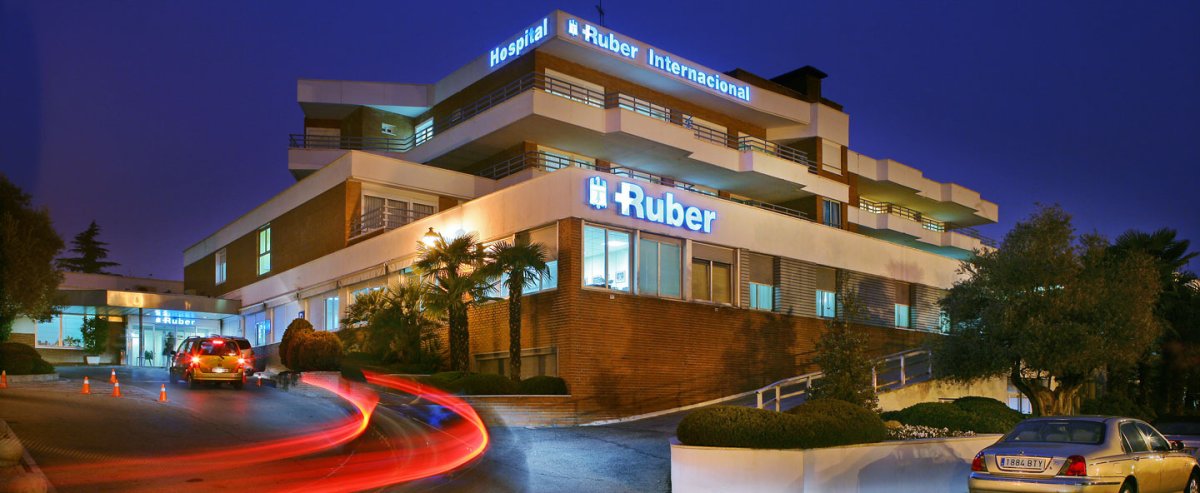
La Dra. Inmaculada Gómez Arrayás es una de las 100 mejores doctoras de España según Forbes. Ejerce como Jefa de Traumatología en el Hospital Ruber Internacional de Madrid. La Dra. Arrayás es pionera en el uso de sistemas de navegación para cirugías precisas de reemplazo articular. Se especializa en procedimientos mínimamente invasivos de cadera y rodilla y en protocolos de recuperación acelerada.
- Posee la certificación ISO 9001 de calidad en cirugías de reemplazo de cadera y rodill

Javier Albiñana
41 años de experiencia en cirugía ortopédica y traumatología pediátrica – El Dr. Albiñana se especializa en el tratamiento de malformaciones óseas como el Hallux Valgus.
- Jefe de Ortopedia Pediátrica en el Hospital La Paz
- Formación de fellowship en la Universidad de Iowa y Oxford
- Investigador publicado sobre displasia de cadera y desarrollo acetabular
- Profesor en la Universidad Autónoma de Madrid
Compartir contenido
Historias en video de pacientes de Bookimed
 Olena Sikoza
Preguntas frecuentes sobre el tratamiento de Halyus valgo en España
¿Cuándo se recomienda la cirugía de Hallux Valgus en España?
Los cirujanos ortopédicos españoles recomiendan la cirugía de Hallux Valgus cuando el dolor crónico persiste a pesar de los esfuerzos no quirúrgicos. Los candidatos suelen presentar desviaciones de los dedos superiores a 30 grados o problemas secundarios como dedos en martillo. Los centros líderes en Madrid y Barcelona enfatizan la recuperación funcional sobre la apariencia estética para todos los candidatos quirúrgicos.
- Deterioro funcional: Dificultad para caminar o hacer ejercicio debido al dolor persistente por Hallux Valgus.
- Fallo del tratamiento: Los síntomas del juanete continúan después de usar ortesis, calzado especializado o fisioterapia.
- Deformidad progresiva: La desviación del dedo gordo empeora, afectando a los dedos adyacentes o a la alineación del pie.
- Diagnóstico clínico: Los ortopedistas utilizan radiografías con carga y resonancias magnéticas para confirmar la necesidad quirúrgica.
Perspectiva de expertos de Bookimed: Aunque muchos pacientes esperan a tener una deformidad grave, nuestros datos muestran un cambio hacia la intervención temprana en centros privados españoles. Cirujanos especializados como el Dr. Víctor Casals Teixido en el Centro Médico Teknon se centran en técnicas mínimamente invasivas. Estos métodos a menudo requieren menos tiempo de recuperación que la osteotomía tradicional utilizada en casos avanzado
¿Qué técnicas están disponibles para la corrección de juanetes en España?
España ofrece técnicas de corrección de juanetes de alta precisión. Los cirujanos están especializados en cirugía percutánea mínimamente invasiva y procedimientos Lapidus 3D para una realineación permanente. Los centros en Madrid y Barcelona utilizan microperforadores a través de punciones de 3 milímetros. Los centros acreditados por la JCI a menudo ofrecen anestesia regional para permitir caminar el mismo día.
- Cirugía percutánea: Corrige casos leves a través de pequeñas punciones en la piel con microperforadores.
- Procedimiento Lapidus 3D: Asegura la articulación en tres planos para casos graves de juanetes.
- Osteotomía tradicional: Utiliza incisiones estándar y tornillos para mayor estabilidad en correcciones complejas.
- Ortesis personalizadas: Emplea plantillas moldeadas y férulas para manejar deformidades en etapa temprana sin cirugía.
Perspectiva del experto de Bookimed: Los cirujanos ortopédicos españoles experimentados a menudo ejercen en centros con un alto volumen de pacientes, como el Centro Médico Teknon o el Hospital HM Nou Delfos. El Dr. Víctor Casals Teixido en Teknon cuenta con más de 20 años de experiencia y formación especializada en instituciones de Nueva York. Los pacientes se benefician de este nivel de especialización, ya que los resultados dependen en gran medida de la frecuencia con la que el cirujano realiza estas m
¿Cuánto dura la recuperación después de una cirugía de juanetes en España?
La recuperación después de una cirugía de juanetes en España requiere típicamente de 6 a 10 semanas para la movilidad funcional. La mayoría de los pacientes retoman trabajos sedentarios en un plazo de 15 días. La remodelación ósea completa y la curación total de los tejidos generalmente toman hasta 12 meses. Los especialistas utilizan técnicas mínimamente invasivas para acelerar la curación inicial y la movilidad superficial.
- Inmediatamente después de la operación: Los pacientes usan zapatos ortopédicos y mantienen el pie elevado durante 14 días.
- Transición de movilidad: Las distancias de caminata aumentan progresivamente entre las semanas 3 y 6 después de la cirugía.
- Calzado de apoyo: La transición de botas quirúrgicas a zapatos de apoyo ocurre alrededor de la semana 6.
- Actividades de alto impacto: Correr y realizar deportes generalmente requieren la autorización del cirujano después de 3 meses.
Perspectiva del experto de Bookimed: Los datos muestran una clara preferencia por Barcelona y Madrid para la atención ortopédica compleja. Especialistas como el Dr. Victor Casals Teixido en el Centro Médico Teknon se centran en la osteosíntesis mínimamente invasiva. Esta técnica a menudo permite una carga de peso más rápida que la cirugía abierta tradicional. Elegir una clínica con imágenes de alta precisión EOS, como el Hospital HM Nou Delfos,
¿Es posible corregir un juanete sin cirugía?
No es posible revertir físicamente un juanete sin cirugía. Esta afección es una deformidad esquelética estructural que implica una articulación desalineada en la base del dedo del pie. Los métodos no quirúrgicos gestionan eficazmente el dolor y ralentizan la progresión. Solo la intervención quirúrgica puede realinear el hueso en su posición correcta.
- Sesiones de fisioterapia: Ejercicios específicos fortalecen los músculos del pie y mantienen la flexibilidad articular.
- Dispositivos ortopédicos: Las plantillas personalizadas redistribuyen la presión y estabilizan la base del dedo gordo.
- Modificaciones en el calzado: Las punteras anchas evitan el apiñamiento y reducen la inflamación en la articulación.
- Separadores de dedos: Los separadores de silicona brindan alivio temporal al evitar que los dedos se superpongan durante el día.
Perspectiva del experto de Bookimed: Centros españoles como Olympia Quironsalud ofrecen paquetes de fisioterapia especializados por alrededor de 2.600 $ que se centran en la recuperación holística. Elegir un centro que utilice el sistema de imagen EOS, disponible en el Hospital HM Nou Delfos, permite realizar escaneos musculoesqueléticos de alta precisión. Esta imagen especializada ayuda a especialistas como el Dr. Victor Casals Teixido en el Centro Médico Teknon a realizar un seguimiento preciso de los cambios est
¿Qué pruebas diagnósticas son estándar para la evaluación del Hallux Valgus en España?
La evaluación estándar del Hallux Valgus en España se centra en el examen físico y la radiografía con carga para evaluar la alineación ósea. Los cirujanos ortopédicos utilizan radiografías de pie para medir con precisión el ángulo del hallux valgus. Estas pruebas ayudan a especialistas como el Dr. Victor Casals Teixido en el Centro Médico Teknon a planificar correcciones quirúrgicas precisas.
- Evaluación física: Los cirujanos evalúan el dolor, la movilidad articular y la presencia de pie plano o inflamación.
- Radiografías con carga: Las vistas de pie esenciales aseguran que la deformidad se capture bajo una carga fisiológica natural.
- Métricas radiográficas: Los médicos calculan los ángulos del hallux valgus e intermetatarsiano para determinar la gravedad.
- Imagen avanzada: Las clínicas utilizan resonancia magnética o tomografía computarizada principalmente para la planificación quirúrgica 3D compleja.
Perspectiva del experto de Bookimed: España ocupa el cuarto lugar a nivel mundial en solicitudes ortopédicas, lo que refleja una profunda infraestructura de centros especializados. Si bien muchos pacientes esperan una simple radiografía, clínicas líderes como el Centro Médico Teknon y el Hospital Ruber Internacional utilizan imágenes digitales avanzadas para mapear la rotación metatarsiana. Esta precisión es vital para los procedimientos Lapi
¿Se pueden operar ambos pies al mismo tiempo?
Los cirujanos ortopédicos españoles pueden realizar una cirugía bilateral de hallux valgus en ambos pies simultáneamente. Este enfoque combinado requiere solo una anestesia y un único período de recuperación. Por lo general, se reserva para pacientes sanos con apoyo domiciliario especializado y acceso a técnicas mínimamente invasivas avanzadas.
- Anestesia única: Someterse a un solo procedimiento reduce los riesgos médicos asociados con la sedación repetida y las estancias hospitalarias.
- Recuperación comprimida: Fusiona dos cronogramas de curación en un solo bloque de varias semanas para un regreso más rápido al trabajo.
- Técnica quirúrgica: Procedimientos como el Lapidus 3D permiten una fijación estable mediante placas y tornillos avanzados.
- Criterios de los candidatos: Los pacientes ideales no tienen antecedentes de diabetes o mala circulación para garantizar la curación.
Perspectiva del experto de Bookimed: España es un centro neurálgico para centros ortopédicos de gran volumen como el Centro Médico Teknon, que realiza 23.500 operaciones al año. Los datos muestran que las clínicas aquí a menudo utilizan imágenes de alta precisión EOS para mapear las deformidades bilaterales antes de la cirugía. Al elegir una cirugía simultánea, busque centros con acreditación JCI para garantizar los protocolos de seguridad del paciente durante la fase i
¿Necesitaré una escayola después de una cirugía de juanetes en España?
Por lo general, los pacientes no necesitan una escayola después de una cirugía de juanetes en España. Los centros ortopédicos modernos utilizan fijación interna rígida con tornillos o placas de titanio. Esta estabilización permite el uso de calzado especializado en lugar de escayolas pesadas. La mayoría de los pacientes comienzan la carga de peso protegida casi inmediatamente después del procedimiento.
- Método de fijación: Los cirujanos utilizan pequeños tornillos de titanio para mantener los huesos estables durante la curación.
- Calzado postoperatorio: Sandalias de cuña especializadas o zapatos rígidos descargan el peso del antepié.
- Manejo de heridas: Los vendajes de compresión y la gasa gruesa controlan la hinchazón durante las primeras 2 semanas.
- Casos complejos: Se pueden usar botas ortopédicas extraíbles para correcciones extensas de múltiples huesos o fusiones.
Perspectiva del experto de Bookimed: Los principales cirujanos ortopédicos de España, como el Dr. Javier Albiñana con más de 35 años de experiencia, a menudo prefieren técnicas mínimamente invasivas que evitan el enyesado tradicional. Los datos de centros como el Centro Médico Teknon muestran un gran volumen de cirugías de pie donde los pacientes pasan a usar zapatillas anchas para la sexta semana. Elegir un especialista centrado en microcirugía y osteosíntesis mínimamente in