Ir a inicio
820К+ pacientes han recibido asistencia desde 2014
50 países
1,500 clínicas
6K+ reseñas
3K+ médicos calificados

¿Cuál es el precio del diagnóstico y los tratamientos de Malformación arteriovenosa en India? Descubra ahora

El precio se proporciona bajo petición

Sus beneficios y garantías con Bookimed

Precios directos

Bookimed no añade cargos extra a los precios de los tratamientos de Malformación arteriovenosa. Las tarifas proceden de las listas de precios oficiales de las clínicas. Pagará directamente en la clínica por su tratamiento a su llegada al país.

Sólo clínicas y médicos verificados

Bookimed está comprometido con su seguridad. Solo trabajamos con las clínicas que mantienen altos estándares internacionales en el tratamiento de Malformación arteriovenosa y cuentan con las licencias necesarias para atender a pacientes internacionales en todo el mundo.

Asistencia 24/7 gratuita

Bookimed ofrece asistencia experta gratuita. Un coordinador médico personal le apoya antes, durante y después de su tratamiento, resolviendo cualquier problema. Nunca estará solo en su viaje médico de tratamiento de Malformación arteriovenosa.

¿Por qué nosotros?

Su coordinador médico personal de Bookimed

  • Le apoya en cada etapa
  • Ayuda a elegir la clínica y el médico adecuados
  • Asegura un acceso rápido y conveniente a la información

Descubra las mejores clínicas de tratamiento de Malformación arteriovenosa en India: 4 opciones verificadas y Precios

El ranking de clínicas de Bookimed se basa en algoritmos de data science, ofreciendo una comparación confiable, transparente y objetiva. Tiene en cuenta la demanda de pacientes, las puntuaciones de reseñas (positivas y negativas), la frecuencia de actualización de opciones de tratamiento y precios, la rapidez de respuesta y las certificaciones de las clínicas.
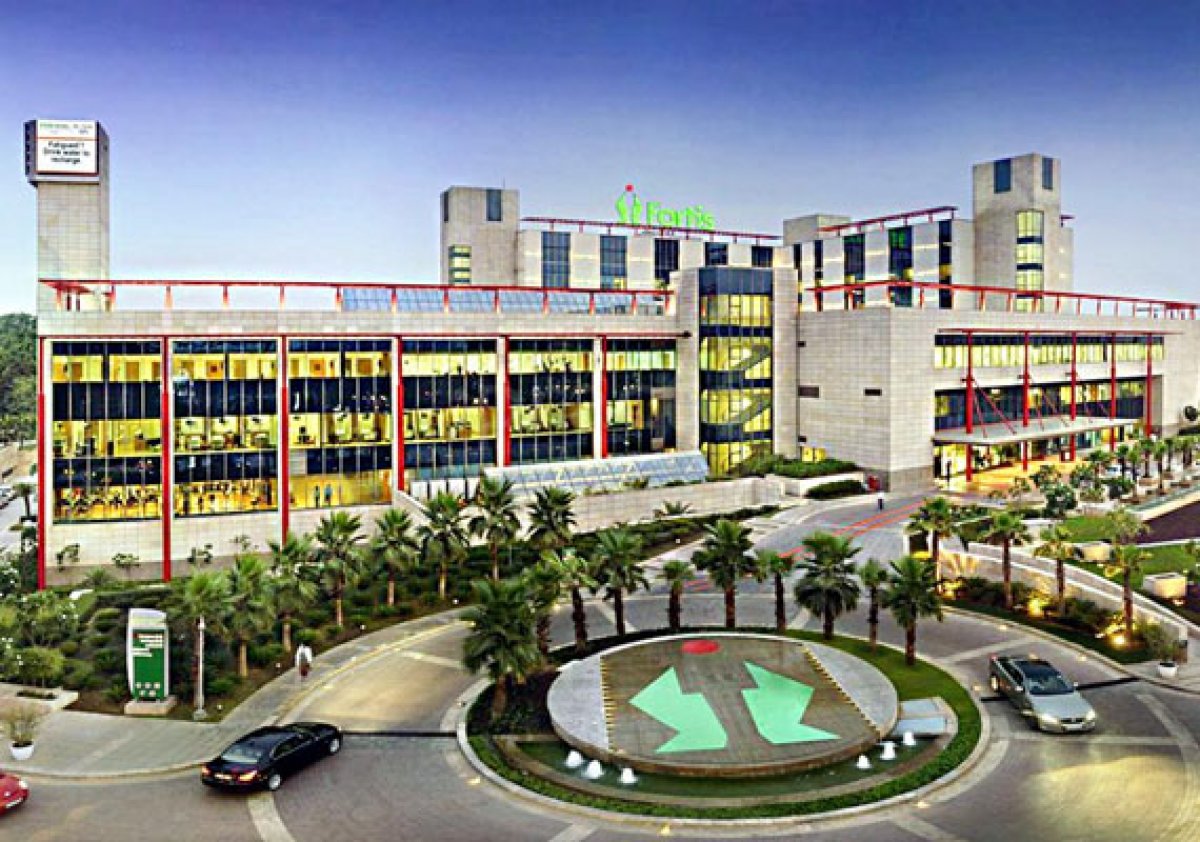
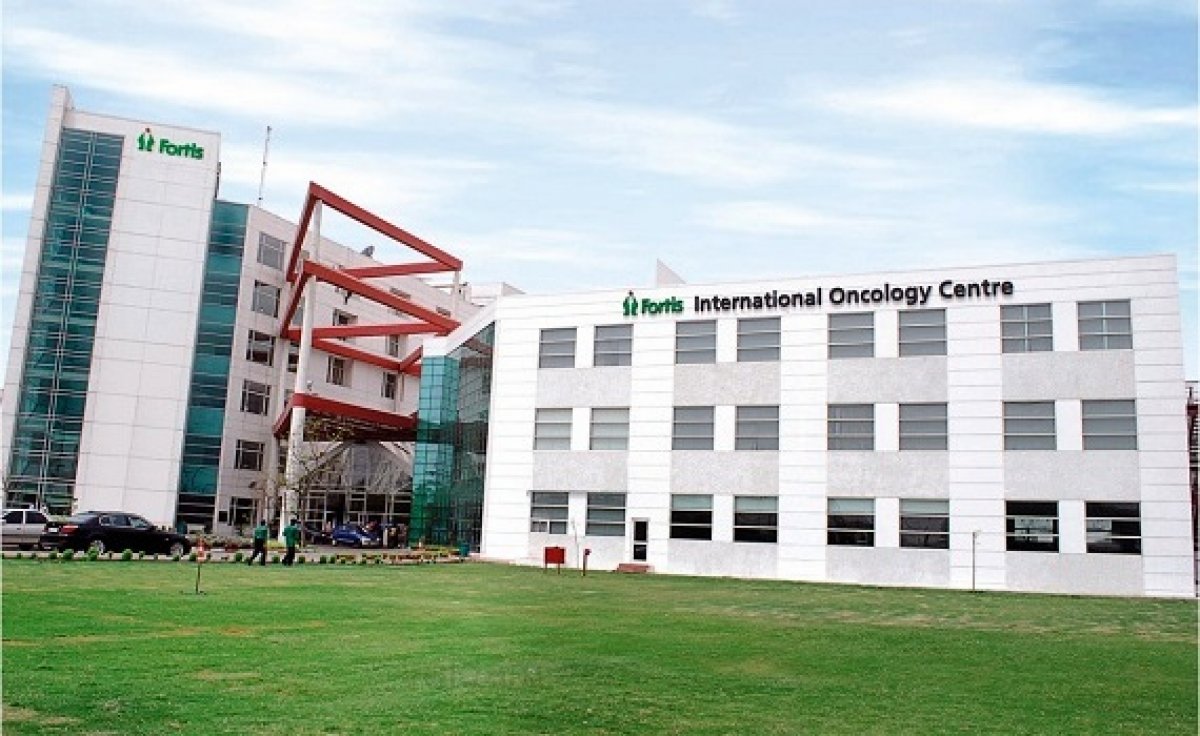
Hospital Fortis
4.25 reseñas
Precio a consultar
Más información
Instituto de Investigación Fortis Memorial
4.55 reseñas
Precio a consultar
Más información
Max Super Speciality Hospital
4.25 reseñas
Precio a consultar
Más información
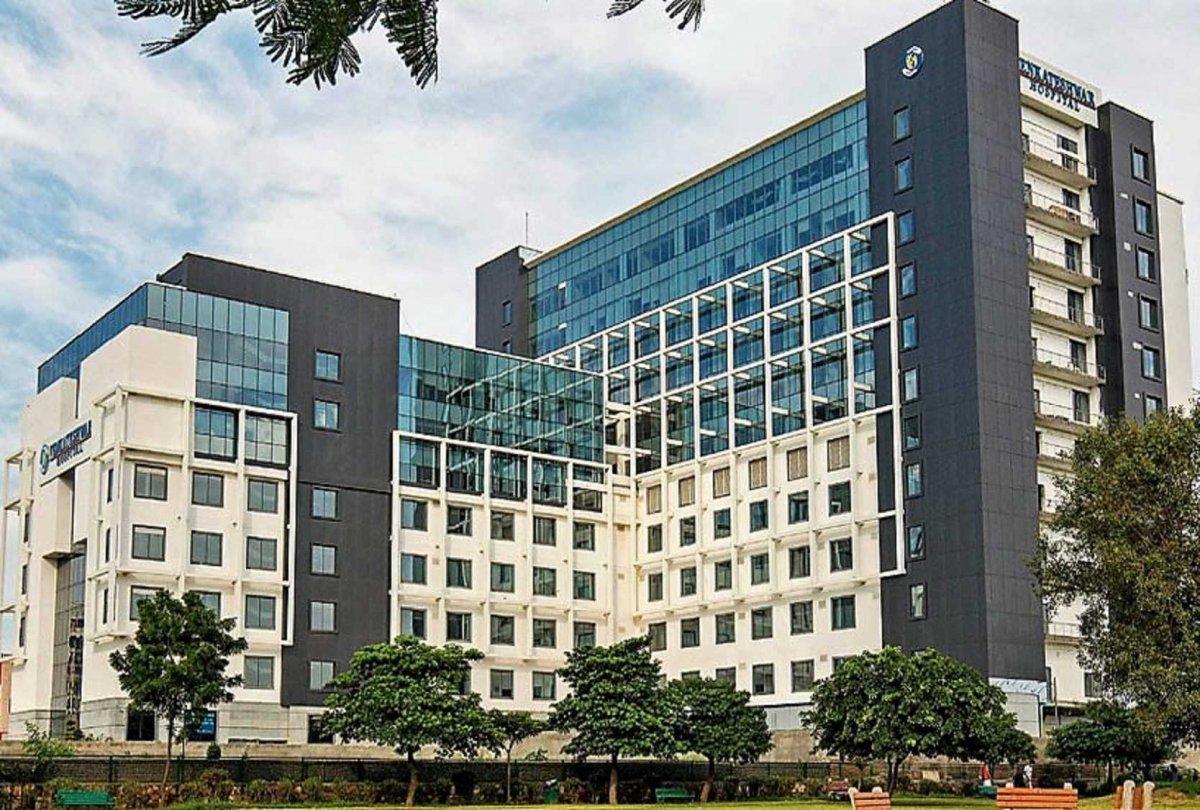
Venkateshwar Hospital
4.55 reseñas
Precio a consultar
Más información

Compartir contenido

Historias en video de pacientes de Bookimed

Dayana
Combiné mis vacaciones en Antalya con un chequeo médico.
Procedimiento: Chequeo femenino
Igor
¡Fue genial! Traslados, alojamiento, tratamiento, todo incluido.
Procedimiento: Implante dental
Clínica: WestDent Clinic
Marina
Bookimed se encargó de todo. No tuve que preocuparme por nada.
Procedimiento: Chequeo femenino
Actualizado: 08/29/2023
Escrito por
Olena Sikoza
Olena Sikoza
Сopywriter en español
Copywriter médica certificada responsable del contenido en español de Bookimed. Más de 7 años de experiencia en redacción sobre salud y turismo médico, con formación académica en edición científica y desarrollo de contenidos.
Fahad Mawlood
Editor médico y Científico de datos
Médico general. Ganador de 4 premios científicos. Sirvió en Asia Occidental. Es el ex jefe del equipo médico que soporta a pacientes de habla árabe. Ahora es responsable del procesamiento de datos y la precisión del contenido médico.
Fahad Mawlood Linkedin
Esta página puede incluir información relacionada con diversas afecciones médicas, tratamientos y servicios de salud disponibles en diferentes países. Tenga en cuenta que el contenido se proporciona sólo con fines informativos y no debe interpretarse como asesoramiento médico o orientación. Por favor consulte con su médico o con un profesional médico calificado antes de comenzar o cambiar el tratamiento médico.

Preguntas frecuentes sobre el tratamiento de Malformación arteriovenosa en India

Estas preguntas frecuentes provienen de pacientes reales que buscan atención médica a través de Bookimed. Las respuestas son proporcionadas por coordinadores médicos experimentados y representantes autorizados de las clínicas.

What are the primary treatment methods for AVM available in India?

Primary arteriovenous malformation (AVM) treatments in India include microsurgical resection, endovascular embolization, and stereotactic radiosurgery. Accredited neurosurgical centers in Delhi, Gurgaon, and Noida utilize multidisciplinary teams. These specialists combine modalities to isolate the nidus and prevent hemorrhage based on AVM size and location.

  • Surgical resection: Surgeons perform craniotomies to physically remove accessible or superficial brain malformations.
  • Endovascular embolization: Interventional radiologists inject liquid embolic agents to block abnormal blood flow.
  • Stereotactic radiosurgery: Precise radiation beams gradually clot deep-seated AVMs over 1 to 3 years.
  • Multimodality therapy: Specialists combine embolization with surgery or radiosurgery for complex, large-scale lesions.

Bookimed Expert Insight: India represents a significant neurovascular hub with 92 specialized clinics serving international requests. Data shows centers like Fortis Memorial Research Institute maintain a 1,000-bed capacity to support complex recovery. Advanced facilities like Venkateshwar Hospital utilize 256-slice CT scanners for precise vascular mapping before intervention. This high-volume infrastructure allows for integrated surgical and interventional planning in one location.

Patient Consensus: Patients emphasize finding a high-volume neurovascular center rather than choosing by city alone. They note that follow-up imaging is essential to confirm the malformation has completely closed.

What are the primary risks associated with AVM operations?

Arteriovenous malformation (AVM) operations carry primary risks of intracranial hemorrhage and neurological deficits like muscle weakness or speech loss. Surgeons must balance these procedural risks against the lifetime danger of a spontaneous rupture. Specialized Indian centers utilize advanced imaging to minimize healthy tissue damage.

  • Neurological deficits: Disabling deficits affecting movement or speech occur in 5% to 15% of cases.
  • Intracranial hemorrhage: Sudden high-pressure blood flow post-removal can cause severe bleeding or hyperemia.
  • Ischemic stroke: Embolization carries a 2% to 5% risk of blocking healthy brain oxygen.
  • Radiation latent risk: Radiosurgery takes 2 to 4 years to work, leaving annual rupture risks.

Bookimed Expert Insight: Data from major Indian hubs like Delhi and Gurgaon shows a trend toward multimodal treatment. Successful outcomes often involve combining technologies, such as the 3 Tesla MRI with RT Mapping available at Venkateshwar Hospital, to precisely plan complex surgeries. Centers like Fortis Memorial Research Institute function as quaternary care facilities, meaning they are equipped to handle the high-risk hemodynamic shifts that occur when closing high-flow malformations.

Patient Consensus: Patients frequently express concern about permanent stroke-like symptoms and the need for long-term rehabilitation. Many emphasize the reality that AVM treatment is often a staged process rather than a single surgery.

Can an AVM grow back after it has been treated?

Arteriovenous malformation (AVM) can recur after treatment. Pediatric patients face a 7% to 9.5% recurrence risk due to active blood vessel development. Adult recurrence remains rare at under 3% after confirmed removal. Success depends on achieving complete obliteration through surgery or specialized radiation.

  • Patient age: Children have higher regrowth risks due to active angiogenesis and growth.
  • Treatment type: Surgical resection offers the most definitive results with the lowest recurrence.
  • Obliteration time: Gamma Knife radiation requires 1 to 3 years to close vessels fully.
  • Monitoring protocols: Specialists recommend follow-up digital subtraction angiograms (DSA) for 1 to 5 years.

Bookimed Expert Insight: While India houses 92 clinics for neuro-logical care, the diagnostic depth at centers like Venkateshwar Hospital is a key differentiator. They utilize 256-slice CT and 3 Tesla MRI to identify microscopic vessel remnants. Our data suggests that choosing facilities with these specific imaging tools reduces the risk of residual AVMs being mislabeled as new growth later.

Patient Consensus: Patients emphasize that treated does not always mean cured and insist on verifying results with a catheter angiogram rather than just an MRI scan. Many note that new headaches or seizures after years of stability should be treated as an immediate signal for follow-up imaging.

What is the expected success rate of AVM treatment in India?

AVM treatment success in India ranges from 85% to 90%. Specialists achieve up to 100% cure rates for small, low-grade lesions using microsurgery. Complex or deep brain cases often involve multimodality approaches. Advanced neurological centers provide specialized care for high-grade vascular malformations.

  • Microsurgical resection: Achieves 90% to 100% radiological obliteration for malformations under 3 cm.
  • Stereotactic radiosurgery: Provides 84% to 90% success for small, deeply seated anomalies.
  • Endovascular embolization: Offers 80% to 85% success for blocking targeted blood flow.
  • Combined therapy: Multimodal treatments yield successful clinical outcomes in over 91% of cases.

Bookimed Expert Insight: Success depends on specialized infrastructure rather than general hospital size. Centers like Venkateshwar Hospital utilize the Philips Ingenia 3 Tesla MRI for precise mapping. This technology is critical for pre-surgical planning. Such advanced imaging ensures the 90% success rates reported for complex neuro-vascular procedures.

Patient Consensus: Patients emphasize that choosing high-volume tertiary centers is more important than country labels. They note that the definition of success often focuses on stopping bleeding risks first.

How long is the typical recovery process?

Recovery for arteriovenous malformation (AVM) in India typically takes 1 to 4 weeks for minimally invasive embolization. Major surgical resection requires 6 to 12 weeks for full recovery. Specialized neuroscience centers in Delhi and Gurgaon provide comprehensive post-operative monitoring and rehabilitation.

  • Hospital stay: Expect 2 to 7 days depending on the procedure type.
  • Embolization recovery: Most patients return to light activities within 7 to 14 days.
  • Surgical resection: Full physical and cognitive restoration often takes 3 or more months.
  • Radiosurgery timeline: Effects develop over 1 to 3 years as the AVM closes.

Bookimed Expert Insight: Patient data indicates that recovery efficiency in India often depends on the facility's bed capacity and specialized units. Large-scale centers like Fortis Memorial Research Institute with 1,000 beds or Max Super Speciality Hospital offer dedicated neuroscience wings. These high-volume environments often have more experience managing post-surgical fatigue and neurological monitoring than smaller clinics.

Patient Consensus: Patients note that while embolization allows for quick walking, the deep fatigue and headaches can last much longer than expected. Many emphasize the need to plan for several weeks of rest, even if the hospital stay only lasts a few days.

How do doctors decide if an AVM needs immediate surgery or just observation?

Doctors prioritize immediate surgery if an arteriovenous malformation (AVM) has recently ruptured or caused active bleeding. For unruptured cases, they use the Spetzler-Martin Scale. This evaluates size, venous drainage, and the eloquence of surrounding brain tissue to weigh surgical risks against potential hemorrhage.

  • Rupture status: Recent bleeding typically triggers emergency surgery to prevent further life-threatening brain injury.
  • Anatomical location: AVMs in eloquent areas controlling speech or motor skills favor conservative observation.
  • Vascular structure: Small malformations under 3 cm with superficial drainage are safer for surgical removal.
  • Patient age: Younger patients often receive treatment earlier due to higher lifetime cumulative risk.

Bookimed Expert Insight: India offers a distinct advantage for complex AVM cases through centers like Venkateshwar Hospital. They utilize advanced Philips 256-slice CT and 3 Tesla MRI with RT mapping. This high-resolution imaging allows neurosurgeons to map deep venous drainage and eloquent tracts more precisely than standard scans. Hospitals like Max Super Speciality also hold ISO and NABH accreditations, ensuring safety protocols align with global neurosurgical standards for high-risk Grade IV and V cases.

Patient Consensus: Patients note that doctors carefully explain the difference between watching an AVM and ignoring it. They emphasize that observation requires regular MRI or angiography and immediate reporting of new headaches or seizures.

How long does an international patient need to stay in India for treatment?

International patients typically stay in India for 7 to 21 days for standard arteriovenous malformation treatments. Complex neurosurgical cases may require 1 to 2 months. Specific timelines depend on procedure type, pre-surgical scans, and medical clearance for air travel after recovery.

  • Evaluation phase: Pre-surgical consultations and diagnostic imaging usually require 2 to 3 days.
  • Hospital stay: Expect 3 to 7 days for surgical monitoring or endovascular embolization recovery.
  • Recovery monitoring: Recovery involves 10 to 14 days post-discharge before doctors approve international flights.
  • Staged treatments: Complex cases requiring multiple sessions may extend the total stay significantly.

Bookimed Expert Insight: Choosing a facility like Venkateshwar Hospital provides a logistical advantage through integrated diagnostic technologies. Their use of 3 Tesla MRI and 256-Slice CT allows for rapid, high-resolution vessel mapping. This advanced imaging can shorten the pre-surgical evaluation phase to under 48 hours for international arrivals.

Patient Consensus: Patients emphasize planning for buffer days beyond the discharge date to ensure neurologic stability. Many note that final travel clearance often hinges on the results of follow-up imaging scans.

Pedir una consulta gratis

Seleccione la mejor manera de contactarle