Tratamiento de Malformación arteriovenosa en Israel — obtenga 3 coincidencias personalizadas de clínicas


Revisado médicamente por
Fahad Mawlood
Cómo funciona
¿Cuál es el precio del diagnóstico y los tratamientos de Malformación arteriovenosa en Israel? Descubra ahora
Descubra las mejores clínicas de tratamiento de Malformación arteriovenosa en Israel: 2 opciones verificadas y Precios







Obtenga una evaluación médica de tratamiento de Malformación arteriovenosa en Israel: haga una consulta con 8 médicos experimentados ahora
Ver todos los médicos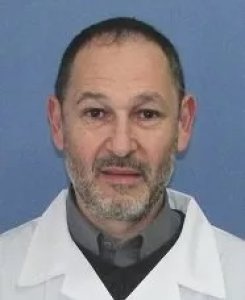
Zvi Cohen
El Prof. Zvi Cohen es director del Departamento de Neurocirugía y de la Unidad de Neurooncología del Centro Médico Sheba. Neurocirujano y experto en neurooncología, fue incluido en la lista de los Mejores Médicos 2025 de Forbes Israel. Lidera investigación clínica sobre terapias farmacológicas para tumores cerebrales malignos y fundó el banco de tejidos de tumores cerebrales de Sheba.
Es especialista certificado en neurocirugía. Se formó en la Universidad de Tel Aviv y realizó subespec

Roth Jonathan
Especializado en neurocirugía pediátrica en NYU Langone Health – actualmente es un neurocirujano líder en el Centro Médico Sourasky de Tel Aviv. Su enfoque único se centra en afecciones cerebrovasculares como las MAV.
- Posee doble especialización en neurocirugía y neurocirugía pediátrica
- Formación de fellowship en cirugía endoscópica avanzada de base de cráneo en el Cornell Medical Center
- Miembro activo de las Sociedades Europea e Internacional de Neurocirugía Pediátrica
- Ha publicado extensamente sobre técnicas neuroquirúrgicas y contribuye a importantes conferencias

Felix Bokstein
El profesor Felix Bokstein dirige la Clínica de Neurooncología en el Centro Médico Sourasky (Ichilov), centrándose en afecciones cerebrales complejas como las malformaciones arteriovenosas.
- Experto en el manejo de anomalías cerebrovasculares y tumores cerebrales
- Se encarga del diagnóstico y la planificación integral del tratamiento
- Médico senior con amplia experiencia hospitalaria
- Afiliado a un importante centro médico universitario

Grossman Rachel
La Dra. Grossman cuenta con una subespecialización (fellowship) en neurocirugía de tumores cerebrales en el Johns Hopkins Hospital, un centro de renombre mundial. Su práctica se centra en procedimientos complejos y mínimamente invasivos en el Sourasky Medical Center (Ichilov).
- Realiza craneotomías con paciente despierto con mapeo intraoperatorio para proteger las funciones cerebrales
- Especializada en cirugía endoscópica de tumores hipofisarios y de la base del cráneo
- Miembro de sociedades clave, incluida la Federación Mundial de Sociedades de Neurocirugía
- Contribuye a la investigación de nuevos tratamientos para tumores cerebrales malignos
- Galardonada con premios internacionales de investigación por su trabajo en neurooncología
Compartir contenido
Historias en video de pacientes de Bookimed
 Olena Sikoza
Preguntas frecuentes sobre el tratamiento de Malformación arteriovenosa en Israel
¿Cuáles son los métodos principales para tratar las MAV en Israel?
Los neurocirujanos israelíes tratan las malformaciones arteriovenosas (MAV) mediante resección microquirúrgica, embolización endovascular y radiocirugía estereotáctica. Estos centros integran neuravegación avanzada y angiografía intraoperatoria. Los protocolos multietapa combinan frecuentemente estos métodos para lograr la obliteración completa de los ovillos vasculares complejos.
- Resección microquirúrgica: Los cirujanos extirpan las lesiones vasculares manualmente para prevenir futuras hemorragias intracraneales.
- Embolización endovascular: Agentes líquidos especializados como Onyx bloquean los vasos sanguíneos anormales mediante catéter.
- Radiocirugía estereotáctica: El Gamma Knife se dirige a los nidos profundos con haces de radiación enfocados.
- Manejo conservador: Los neurólogos monitorean los casos asintomáticos utilizando medicamentos para controlar la actividad convulsiva.
Perspectiva del experto de Bookimed: Los centros israelíes como el Sourasky Medical Center (Ichilov) gestionan volúmenes de pacientes extremadamente altos, superando los 1,8 millones anuales. Esta alta frecuencia permite a neurocirujanos como la Dra. Grossman Rachel perfeccionar técnicas en craneotomía con paciente despierto y seguimiento de la sustancia blanca. Nuestros datos muestran que los pacientes se benefician de este volumen, ya que los especialistas a me
¿Cuánto tiempo dura la recuperación después de un procedimiento de MAV?
El tiempo de recuperación después de un procedimiento de malformación arteriovenosa en Israel depende del enfoque quirúrgico utilizado. La resección microquirúrgica suele implicar una estancia hospitalaria de 4 a 6 días. La mayoría de los pacientes retoman sus actividades diarias en un plazo de 4 a 6 semanas. La recuperación completa suele ocurrir entre 2 y 6 meses después de la cirugía.
- Recuperación tras embolización: Los pacientes suelen retomar sus rutinas normales en un plazo de 7 días tras este procedimiento mínimamente invasivo.
- Tiempo de inactividad tras radiocirugía: El Gamma Knife suele ser ambulatorio, lo que permite volver a las actividades en 1 o 2 días.
- Curación a largo plazo: Los efectos de la radiocirugía son graduales y requieren seguimiento durante varios años a medida que la malformación se cierra.
- Restricciones de actividad: El ejercicio extenuante suele estar restringido durante varios días después de los tratamientos endovasculares con catéter.
Perspectiva de expertos de Bookimed: Aunque los tiempos de recuperación varían, los centros médicos en Israel como Sourasky y Hadassah ofrecen una alta capacidad especializada con más de 35.000 cirugías realizadas al año. Los datos muestran que especialistas de élite como el Dr. Samuel Moskovichi coescriben investigaciones exhaustivas revisadas por pares sobre procedimientos
¿Qué hospitales israelíes tienen más experiencia en el tratamiento de MAV?
El Sourasky Medical Center, el Hadassah Medical Center y el Sheba Medical Center son las instalaciones con mayor experiencia en Israel para el tratamiento de malformaciones arteriovenosas (MAV). Estas instituciones acreditadas por la JCI utilizan equipos multidisciplinarios. Combinan la neurocirugía y la neurorradiología para tratar anomalías vasculares complejas con altas tasas de éxito.
- Especialistas expertos: El Prof. Andrew Kaye en Hadassah cuenta con más de 45 años de experiencia en neurocirugía.
- Embolización avanzada: El Dr. Samuel Moskovichi realiza embolizaciones endovasculares para bloquear vasos sanguíneos anormales.
- Volumen quirúrgico: El Hadassah Medical Center realiza más de 35.000 cirugías al año en diversas especialidades.
- Reconocimiento global: Newsweek clasifica a Sourasky entre las mejores clínicas especializadas del mundo para neurocirugía compleja.
Perspectiva del experto de Bookimed: Los datos muestran una alta concentración de especialistas listados en Forbes en estos tres centros. Por ejemplo, el profesor Zvi Cohen en Sheba es un líder reconocido en oncología neuroquirúrgica. Al elegir una clínica, busque aquellas con bancos de tejidos integrados y divisiones de investigación. Estas instalaciones a menudo brindan acceso a protocolos de imagen más nuevos antes de que se conviertan en estándar en otros lugares.
¿Quiénes son los especialistas en MAV más destacados que ejercen en Israel?
Los especialistas en MAV más destacados en Israel incluyen al Dr. Jose Cohen y al Dr. Shimon Maimon, quienes se especializan en procedimientos endovasculares. El Prof. Zvi Cohen y el Dr. Andry Key manejan casos complejos en Sheba y Hadassah. Estos expertos operan dentro de instalaciones acreditadas por la JCI utilizando tecnologías robóticas y de neuroimagen avanzadas.
- Dr. Jose Cohen: Dirige la unidad de neurocirugía de Hadassah. Experto en embolización de MAV mínimamente invasiva.
- Prof. Zvi Cohen: Dirige la neurocirugía en Sheba. Especializado en resecciones guiadas por imagen y radiocirugía.
- Dr. Shimon Maimon: Ejerce en Sourasky. Se centra en neurorradiología intervencionista y neurocirugía vascular.
- Dr. Andry Key: Cuenta con más de 45 años de experiencia. Experto en cirugía compleja de vasos cerebrales.
Perspectiva del experto de Bookimed: La neurocirugía israelí destaca porque los especialistas a menudo poseen certificaciones duales tanto en cirugía abierta como en radiología endovascular. El Prof. Zvi Cohen en el Sheba Medical Center, por ejemplo, combina la experiencia en neurooncología con la radiocirugía. Esto permite a los pacientes recibir un tratamiento multimodal, como la embolización seguida de Gamma Knife, dentro de un mismo equipo clínico.
Consenso de los pacientes: Los pacientes enfatizan la impor
¿Puedo obtener un plan de tratamiento remoto antes de viajar a Israel?
Los centros médicos israelíes proporcionan planes de tratamiento remoto formales para malformaciones arteriovenosas (MAV) a través de servicios de telemedicina establecidos. Los especialistas revisan los archivos de imágenes y el historial médico para emitir resúmenes de atención digitales. Esto generalmente incluye un enfoque quirúrgico preliminar, opciones de radiocirugía robótica y duraciones estimadas del tratamiento.
- Envío de registros: Los pacientes cargan escaneos de alta calidad de resonancia magnética (MRI), tomografía computarizada (CT) o angiografía por sustracción digital (DSA).
- Revisión de especialistas: Neurocirujanos certificados evalúan si la MAV es adecuada para una intervención.
- Consulta de telesalud: Las reuniones por video permiten una discusión directa sobre los riesgos y las tasas de éxito quirúrgico.
- Plan de atención digital: Las clínicas emiten protocolos escritos y estimaciones de costos antes de que los pacientes viajen.
Perspectiva del experto de Bookimed: Si bien centros importantes como el Hadassah Medical Center y el Sourasky Medical Center atienden a más de 1,000,000 de pacientes en conjunto, el tratamiento de la MAV requiere una experiencia neurointervencionista específica. Nuestros datos revelan que el Dr. Samuel Moskovichi de Hadassah ha sido coautor de más de 65 artículos revisados por pares, lo que in
¿Por qué Israel es uno de los principales destinos para la neurocirugía?
Israel es un centro líder en neurocirugía gracias a su combinación de avances médicos de alta tecnología y una experiencia quirúrgica de primer nivel. Instalaciones avanzadas como el Centro Médico Sheba utilizan sistemas de navegación basados en IA y resonancia magnética intraoperatoria en tiempo real. Centros especializados reportan una tasa de éxito del 98% en procedimientos complejos, como la craneotomía con el paciente despierto y el tratamiento de trastornos del movimiento.
- Tecnología avanzada: Las clínicas utilizan ultrasonido enfocado guiado por resonancia magnética (MRgFUS) y sistemas robóticos para realizar incisiones.
- Experiencia quirúrgica: Cirujanos como el Dr. Zvi Ram lideran asociaciones internacionales con más de 25 años de experiencia.
- Acceso rápido: Los pacientes internacionales generalmente pueden programar cirugías complejas de cerebro o columna en un plazo de 2 a 4 semanas.
- Atención médica acreditada: Grandes centros como Sourasky (Ichilov) y Assuta están acreditados por la JCI, lo que confirma su seguridad.
Opinión experta de Bookimed: Los datos muestran una clara diferencia entre las opciones de tratamiento públicas y privadas en Israel. Centros privados, como el Centro Médico Assuta, realizan más de 92.000 cirugías al año y permiten a los pacientes elegir a un cirujano líder específico. Esto supone una ventaja signi
¿Qué tipos de enfermedades neuroquirúrgicas se tratan en Israel?
Los neurocirujanos israelíes tratan una amplia gama de afecciones, desde tumores cerebrales y de médula espinal hasta trastornos funcionales complejos. Los centros especializados utilizan tecnologías de vanguardia, como el bisturí de rayos gamma, la estimulación cerebral profunda y la resonancia magnética intraoperatoria, para un diagnóstico altamente preciso de la epilepsia, la enfermedad de Parkinson y las patologías cerebrovasculares.
- Enfermedades oncológicas: tratamiento de gliomas, meningiomas y tumores hipofisarios mediante resección de la base del cráneo.
- Trastornos funcionales: tratamiento de la enfermedad de Parkinson y del temblor esencial mediante estimulación cerebral profunda.
- Patologías de columna: corrección de escoliosis, hernias discales y tumores espinales mediante sistemas robóticos.
- Tratamiento de las enfermedades cerebrovasculares: tratamiento quirúrgico de aneurismas cerebrales y malformaciones arteriovenosas mediante intervenciones endovasculares.
- Neurocirugía pediátrica: atención especializada en hidrocefalia y anomalías congénitas en centros pediátricos especializados.
Opinión experta de Bookimed: Los hospitales israelíes suelen combinar diversas especialidades para abordar casos complejos. En el Centro Médico Sourasky, neurocirujanos como el Dr. Zvi Lidar combinan neurocirugía y ortopedi
¿Qué hospitales en Israel son más conocidos por sus departamentos de neurocirugía?
Israel alberga centros neuroquirúrgicos de renombre mundial, como el Centro Médico Sourasky, el Centro Médico Sheba y el Centro Médico Hadassah. Estas instituciones son líderes mundiales en el tratamiento de tumores cerebrales complejos, enfermedades de la columna vertebral y trastornos del movimiento. Utilizan tecnologías de vanguardia como el bisturí de rayos gamma, sistemas robóticos y resonancia magnética intraoperatoria.
- Suraski (Ichilov): realiza más de 2.500 operaciones neuroquirúrgicas al año en Tel Aviv con una tasa de éxito del 98%.
- Centro Médico Sheba: clasificado entre los diez mejores hospitales del mundo, trata a 1,9 millones de pacientes al año.
- Centro Médico Hadassah: Nominado al Premio Nobel de la Paz. Líder en neurocirugía pediátrica y terapia génica.
- Centro Médico Assuta: el centro médico privado más grande de Israel. Especializado en cirugías mínimamente invasivas de columna y cerebro.
- Hospital Infantil Schneider: un centro líder en neurocirugía pediátrica que trata a 275.000 niños al año.
Opinión experta de Bookimed: Nuestros datos muestran que, si bien la mayoría de los pacientes buscan tratamiento en Tel Aviv, el Centro Médico Rambam en Haifa ofrece una atención única para neurotraumatismos. Cuenta con una unidad especializada en cuidados neurocríticos que atiende a aproximadamente un milló
¿Quiénes son los principales neurocirujanos en Israel?
Entre los neurocirujanos israelíes más destacados se encuentran los profesores Zvi Ram, Shlomi Constantini e Itzhak Fried, del Centro Médico Sourasky. Estos especialistas ocupan puestos de liderazgo en la Asociación Europea de Sociedades de Neurocirugía (EANS) y la Sociedad Mundial de Neurocirugía Estereotáctica y Funcional (WSSFN). Utilizan técnicas avanzadas de mapeo intraoperatorio y sistemas robóticos.
- Profesor Zvi Ram: experto en cirugía mínimamente invasiva de tumores cerebrales y terapia genética para el cáncer.
- Profesor Shlomi Constantini: Se especializa en procedimientos neuroendoscópicos pediátricos complejos y microcirugía para tumores cerebrales.
- Profesor Itzhak Fried: una autoridad en cirugía de epilepsia, mapeo cerebral funcional y estimulación cerebral profunda.
- Dr. Eli Ashkenazi: Cirujano ortopédico líder en el Hospital Assuta, especializado en el innovador sistema TOPS.
Opinión de los expertos de Bookimed: Los datos de Sourasky y Sheba indican una fuerte correlación entre un alto volumen quirúrgico y la seguridad del paciente. Por ejemplo, Sourasky realiza más de 34.000 cirugías oncológicas al año con una tasa de éxito del 90 %. Los pacientes que requieren la extirpación de un tumor complejo deberían priorizar centros como estos, donde los cirujanos realizan cientos de procedimientos especializados al año.
¿Cuáles son los requisitos para los pacientes internacionales entrantes que buscan atención neuroquirúrgica?
Los pacientes extranjeros que requieran tratamiento neuroquirúrgico en Israel deben presentar documentación médica completa, incluyendo resultados recientes de resonancia magnética o tomografía computarizada, traducidos al inglés. La hospitalización requiere un examen clínico por especialistas para confirmar la idoneidad del tratamiento. Los hospitales suelen exigir el pago completo por adelantado o un depósito considerable antes de confirmar las fechas de la cirugía o emitir la visa.
- Historiales médicos: proporcionar informes detallados y resultados de imágenes traducidos al inglés dentro de las 48 horas para su revisión clínica.
- Comprobante financiero: Proporcione comprobante de fondos por un monto aproximado de _precio_desde_ a _precio_hasta_ para el tratamiento.
- Asistencia para visas: Clínicas como Sourasky Medical Center (Ichilov) emiten cartas oficiales para obtener una visa médica B-2.
- Fase de consulta: La evaluación inicial a menudo se realiza a través de una consulta en línea con cirujanos como el Dr. Strauss Ido.
Opinión experta de Bookimed: Los datos muestran que las principales instituciones médicas israelíes, como el Centro Médico Sheba y el Centro Médico Hadassah, atienden a un gran número de pacientes, superando el millón al año. Esta alta demanda implica que las clínicas priorizan los casos complejos o poco frecuentes sobr