Tratamiento de Malformación arteriovenosa en Turquía — obtenga 3 coincidencias personalizadas de clínicas


Revisado médicamente por
Fahad Mawlood
Cómo funciona
¿Cuál es el precio del diagnóstico y los tratamientos de Malformación arteriovenosa en Turquía? Descubra ahora
El costo del tratamiento de malformación arteriovenosa (MAV) en Turquía varía según el método de tratamiento y los servicios asociados. Por ejemplo, el procedimiento Gamma Knife generalmente oscila entre 5.640 € y 6.580 €. La embolización endovascular, un enfoque mínimamente invasivo, cuesta aproximadamente 8.460 €. Un plan de tratamiento más completo que incluye DSA-angiografía cerebral y embolización puede costar hasta 27.260 €. La cirugía abierta está disponible por aproximadamente 31.960 €. Estos precios generalmente incluyen consultas médicas, estancias hospitalarias y medicamentos necesarios. El costo final se determina después de una evaluación médica detallada por parte de especialistas.
Descubra las mejores clínicas de tratamiento de Malformación arteriovenosa en Turquía: 34 opciones verificadas y Precios



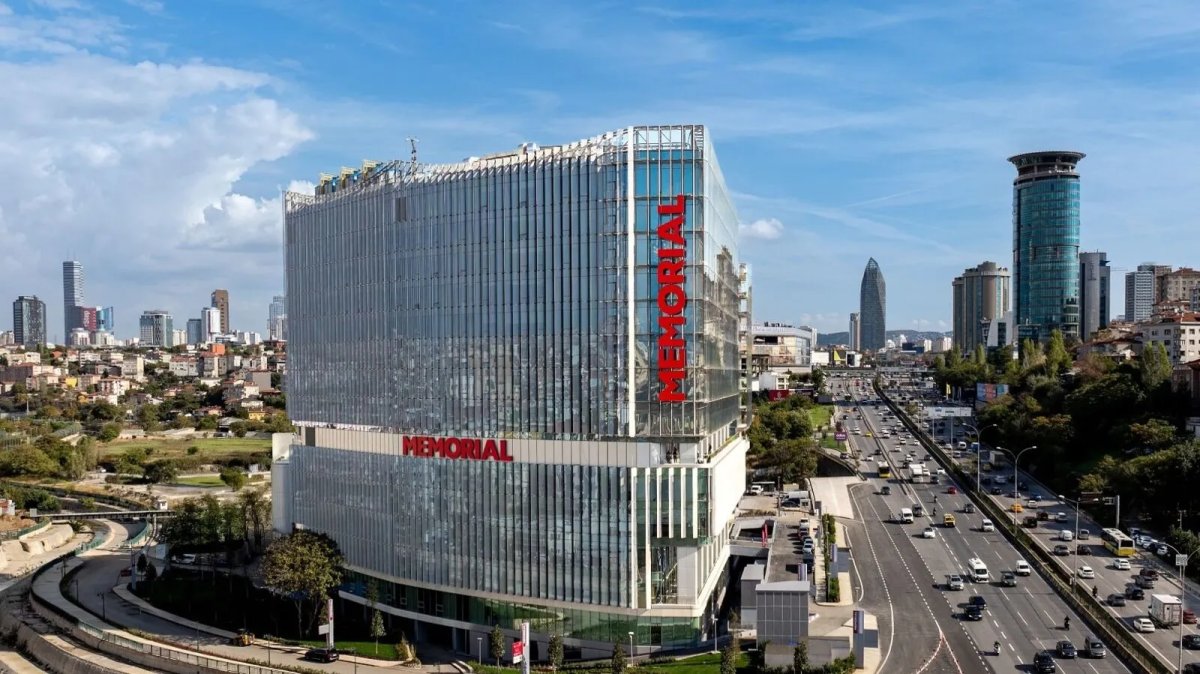
Memorial Göztepe Hospital






Obtenga una evaluación médica de tratamiento de Malformación arteriovenosa en Turquía: haga una consulta con 46 médicos experimentados ahora
Ver todos los médicos
Ertugrul Pinar
Especialista en malformaciones arteriovenosas (MAV) cerebrales – El Dr. Pinar atiende casos tanto de adultos como de niños en el Hisar Hospital Intercontinental.
- Formación en neurocirugía en la Universidad de Mármara
- Experiencia en tumores cerebrales y anomalías vasculares
- Trabaja con tumores gliales y meningiomas
- Experto en el manejo de hemorragias cerebrales complejas

Murat Dokdok
El doctor es un radiólogo y radiólogo intervencionista altamente experimentado afiliado al Centro Médico Anadolu desde 2005. Con una beca en neurorradiología intervencionista del Hospital Universitario de Zúrich y una beca a corto plazo de la Escuela de Medicina de Harvard, el doctor tiene una amplia experiencia en neurorradiología y técnicas avanzadas de imagen.<\/p>
Certificado por la Sociedad Europea de Neurorradiología y la Sociedad Europea de Radiología Cardiovascular e Inter
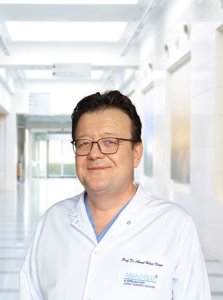
Ahmet Hilmi Kaya
El Prof. Dr. Ahmet Hilmi Kaya es profesor de neurocirugía en el Centro Médico Anadolu, en Gebze (Turquía). Obtuvo el título de médico (MD) en la Universidad de Estambul, Cerrahpaşa (programa en inglés), donde realizó la residencia en neurocirugía entre 1996 y 2003. Fue nombrado profesor en 2015. Realizó estancias de observación en la Universidad de Maastricht en 2007 y 2009.
Su actividad clínica abarca la neurocirugía funcional y estereotáxica, incluida la estimulación cerebral profund

Erhan Arslan
El Prof. Dr. Arslan se especializa en neurocirugía mínimamente invasiva en el Hospital VM Medical Park Pendik, con experiencia en afecciones vasculares complejas.
- Más de _doctor_8213_ años de experiencia en neurocirugía
- Formación especializada en el Hospital Central de la Universidad de Helsinki
- Amplias publicaciones sobre afecciones cerebrales y de la columna vertebral
- Miembro de la Asociación Turca de Neurocirugía
Reseñas
Todas las reseñasCompartir contenido
Historias en video de pacientes de Bookimed
 Olena Sikoza
Preguntas frecuentes sobre el tratamiento de Malformación arteriovenosa en Turquía
¿Cuál es la tasa de éxito del tratamiento de las malformaciones arteriovenosas (MAV) en hospitales turcos?
El tratamiento de las malformaciones arteriovenosas en Turquía alcanza tasas de éxito de hasta el 95% para lesiones más pequeñas de menos de 3 cm. Los hospitales acreditados por la JCI utilizan CyberKnife y Gamma Knife para detener el flujo sanguíneo en estos casos. Los neurocirujanos especializados a menudo realizan más de 900 procedimientos para garantizar resultados óptimos para los pacientes.
- Éxito de la radiocirugía: Los centros especializados reportan un 95% de cese del flujo sanguíneo para lesiones menores de 3 cm.
- Experiencia quirúrgica: Los principales neurocirujanos en instalaciones turcas realizan más de 1.000 procedimientos vasculares.
- Tecnología avanzada: Las clínicas utilizan CyberKnife y Gamma Knife para el tratamiento no invasivo de lesiones profundas.
- Instalaciones certificadas: Los mejores hospitales cuentan con certificaciones JCI e ISO para estándares internacionales de seguridad.
Perspectiva de expertos de Bookimed: El volumen de pacientes a menudo indica dónde reside la mayor experiencia para afecciones vasculares raras. El Medipol Mega University Hospital trata a 1.000.000 de pacientes anualmente y proporciona tecnología tanto de CyberKnife como de Gamma Knife. Este entorno de gran volumen sugiere una profundidad de experiencia clínica que es vital para manejar casos complejos de MAV.
Consenso de pa
¿Qué tipos de tratamiento para MAV están disponibles en Turquía?
Los centros turcos acreditados por la JCI ofrecen tratamientos integrales para malformaciones arteriovenosas (MAV). Estos incluyen resección microquirúrgica, embolización endovascular y radiocirugía estereotáctica como Gamma Knife. Los neurocirujanos especializados utilizan TC de 512 cortes y RM de 3 Tesla para un mapeo preciso. Las juntas tumorales multidisciplinarias a menudo coordinan estas complejas intervenciones vasculares.
- Resección microquirúrgica: Los cirujanos extirpan la maraña vascular para prevenir hemorragias y preservar el tejido.
- Embolización endovascular: Catéteres mínimamente invasivos inyectan materiales para bloquear el flujo sanguíneo dentro de las lesiones.
- Radiocirugía estereotáctica: La radiación precisa apunta a MAV profundas o inoperables para cerrarlas de forma segura.
- Protocolos combinados: Los equipos pueden combinar la embolización con la cirugía para reducir primero el flujo sanguíneo.
Perspectiva de expertos de Bookimed: Los hospitales turcos como Medipol Mega y Florence Nightingale operan como centros de gran volumen. Medipol por sí solo atiende a 1.000.000 de pacientes al año. Este volumen crea un ecosistema especializado donde neurocirujanos como el Dr. Cevdet Gokcek o el Dr. Akin Akakin se centran específicamente en anomalías vasculares. Nuestros datos muestran que los centros principales priorizan lo
¿Por qué Turquía se considera un destino preferido para el tratamiento de MAV?
Turquía es un centro neurovascular de primer nivel que ofrece intervenciones avanzadas para malformaciones arteriovenosas (MAV) con tasas de eficacia del 85% al 90%. Instalaciones como el Hospital Florence Nightingale de Estambul y Medipol Mega brindan atención acreditada por la JCI. Los neurocirujanos expertos suelen aportar más de 30 años de experiencia en casos complejos.
- Tecnología especializada: Los centros utilizan Gamma Knife, Cyber Knife y sistemas de embolización líquida Onyx.
- Equipos quirúrgicos expertos: Profesores como el Dr. Mustafa Bozbuga se especializan en cirugía compleja de base de cráneo neurovascular.
- Acceso rápido: Las instituciones privadas ofrecen programación rápida y consultas inmediatas para pacientes internacionales.
- Acreditación global: Las clínicas turcas cuentan con numerosas certificaciones JCI e ISO para la seguridad neurológica.
Perspectiva de expertos de Bookimed: El volumen de pacientes es un indicador de calidad importante en Estambul. El Hospital Universitario Medipol Mega atiende a aproximadamente 1.000.000 de pacientes al año. Esta escala masiva permite a especialistas como el Dr. Cevdet Gokcek mantener tasas de éxito de hasta el 100% en procedimientos vasculares específicos. Los centros de alto volumen a menudo poseen herramientas de imagen más diversas, como TC de 512 cortes y RM de 3 Tesla.
¿Cuánto tiempo debo esperar estar en Turquía para el tratamiento de MAV?
Los pacientes deben planificar una estancia de 7 a 14 días en Turquía para el tratamiento de malformaciones arteriovenosas. La duración total depende del tipo de procedimiento, como neurocirugía, embolización o radiocirugía Gamma Knife. La mayoría de las personas pasan aproximadamente 5 días en el hospital para observación y recuperación inicial.
- Estancia hospitalaria: Espere de 3 a 7 días para procedimientos de extirpación quirúrgica o embolización endovascular.
- Fase de pre-tratamiento: Presupueste 2 días para imágenes avanzadas como TC de 512 cortes o PET/TC digital.
- Recuperación ambulatoria: Quédese de 4 a 5 días adicionales para consultas de seguimiento antes de volar a casa.
- Método de tratamiento: La radiocirugía Gamma Knife en Medipol Mega generalmente requiere hospitalizaciones quirúrgicas más cortas.
Opinión de los expertos de Bookimed: La elección del centro afecta significativamente la logística de la estancia. Los grandes hospitales universitarios como Medipol Mega atienden a 1.000.000 de pacientes al año y a menudo consolidan el diagnóstico para reducir los tiempos de espera. Si visita especialistas como el Prof. Dr. Ilhan Elmaci, quien cuenta con más de 30 años de experiencia, planifique una evaluación prequirúrgica detallada de 3 días para garantizar la seguridad durante las reconstrucciones vasculares complejas.
¿Cómo elegir la clínica más adecuada en Turquía para el tratamiento de MAV?
Elija una clínica turca basándose en la acreditación de la Joint Commission International (JCI) y la presencia de equipos neuroquirúrgicos multidisciplinarios. Dé prioridad a los centros que ofrecen radiocirugía integral con "Gamma Knife" y neurorradiología intervencionista. Los neurocirujanos experimentados con más de 20 años de experiencia en el tratamiento de enfermedades cerebrovasculares garantizan una mayor seguridad en embolizaciones o resecciones de MAV complejas.
- Acreditación especializada: Elija centros con acreditación JCI, como Memorial Şişli o el Hospital Istanbul Florence Nightingale.
- Experiencia del médico: Busque especialistas como el Dr. Mustafa Bozbuga, que cuenta con más de 30 años de experiencia.
- Alta cualificación: Dé prioridad a médicos con certificados del Consejo Europeo de Radiología Intervencionista (EBIR) o pasantías en Harvard.
- Instituciones neuroespecializadas: Considere el NP Istanbul Brain Hospital, la segunda clínica de neurocirugía mejor clasificada de Europa.
Opinión de los expertos de Bookimed: El análisis muestra que los principales especialistas turcos, como el Dr. Murat Dokdok, a menudo tienen doble certificación de consejos europeos e institutos estadounidenses. Esta formación internacional es un indicador importante de calidad. Aunque muchas clínicas tratan enfermedades cerebrales generales, busqu
¿Es posible una consulta remota antes de viajar a Turquía para una evaluación de MAV?
Las consultas remotas son una práctica estándar para la evaluación de malformaciones arteriovenosas (MAV) en Turquía. Los neurocirujanos turcos analizan las imágenes DICOM originales antes de que los pacientes viajen. Esta revisión preliminar confirma la viabilidad del tratamiento utilizando Gamma Knife o microcirugía. Los centros especializados suelen proporcionar opiniones iniciales en un plazo de 24 a 72 horas.
- Requisitos de imagenología: Utilice archivos DICOM sin comprimir de resonancia magnética o angiografía por TC para revisiones precisas.
- Acceso a especialistas: Cirujanos como el Dr. Ilhan Elmaci ofrecen evaluaciones microquirúrgicas y neurovasculares avanzadas de forma remota.
- Eficiencia del proceso: Las revisiones digitales pueden determinar si se necesita alguna imagen específica adicional antes de viajar.
- Confirmación clínica: Los planes de tratamiento finales se confirman durante exámenes en persona en instalaciones acreditadas por la JCI.
Opinión de experto de Bookimed: Los centros de neurocirugía turcos como el Hospital Florence Nightingale de Estambul manejan 300,000 pacientes anualmente y a menudo usan un sistema de revisión escalonado. Un coordinador verifica primero sus archivos, seguido de la evaluación de un profesor senior. Este proceso de dos pasos asegura que los casos complejos lleguen a expertos como el Dr. Sa